- Category
- War in Ukraine
Drone Kills Zaporizhzhia Nuclear Plant Worker, Second in Under Two Weeks
 Prefer U24 Media on Google
- Authors


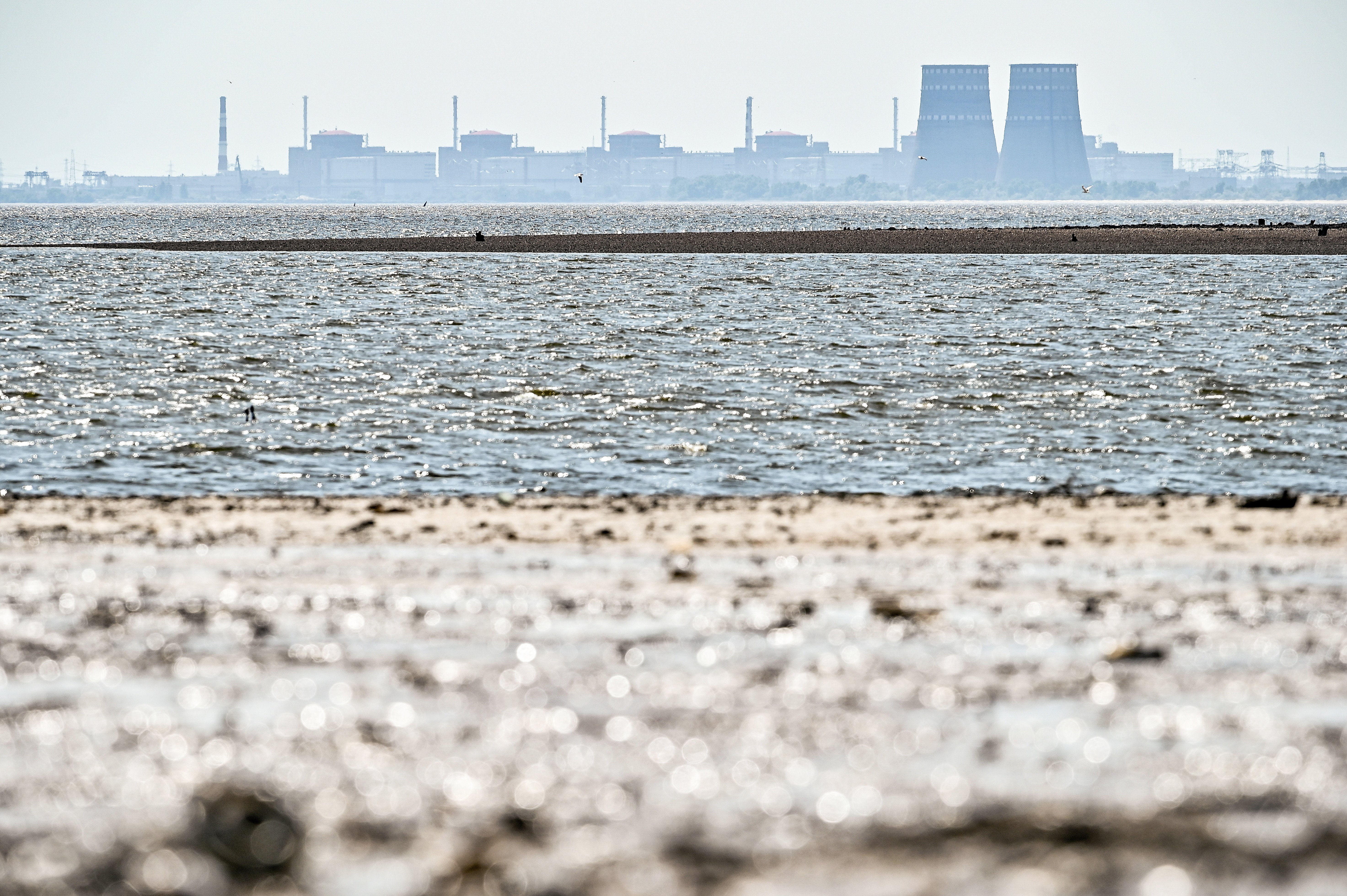
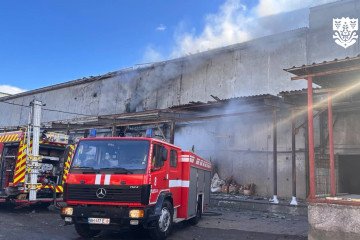
A drone strike has killed a worker at the Russian-occupied Zaporizhzhia Nuclear Power Plant on November 9, the second plant employee killed in a drone attack in less than two weeks, the International Atomic Energy Agency said.
In a separate incident the same day, a worker at the nearby Zaporizhzhia Thermal Power Plant was also killed, the IAEA said.
We bring you stories from the ground. Your support keeps our team in the field.
On October 29, the IAEA reported that another plant employee, a welder at its repair workshop, had been killed in a drone attack.
The IAEA has been informed that one employee of the Zaporizhzhya Nuclear Power Plant (ZNPP) was killed in a drone attack today, in the latest incident affecting plant personnel and further endangering nuclear safety and security during the military conflict. Separately today, an… pic.twitter.com/gfNpb019el
— IAEA - International Atomic Energy Agency ⚛️ (@iaeaorg) November 9, 2026
Specific details regarding the origin of the drone involved have not been reported. The plant has been illegally occupied by Russia since the early stages of Russia’s full-scale invasion of Ukraine.
IAEA Director General Rafael Grossi strongly condemned the targeting of energy personnel, stating that such actions directly breach fundamental nuclear safety principles.
Grossi emphasized that “all such attacks on workers at nuclear power plants must cease immediately” and added that facility staff must be permitted to carry out their daily duties without facing extreme psychological strain or continuous danger to their lives.
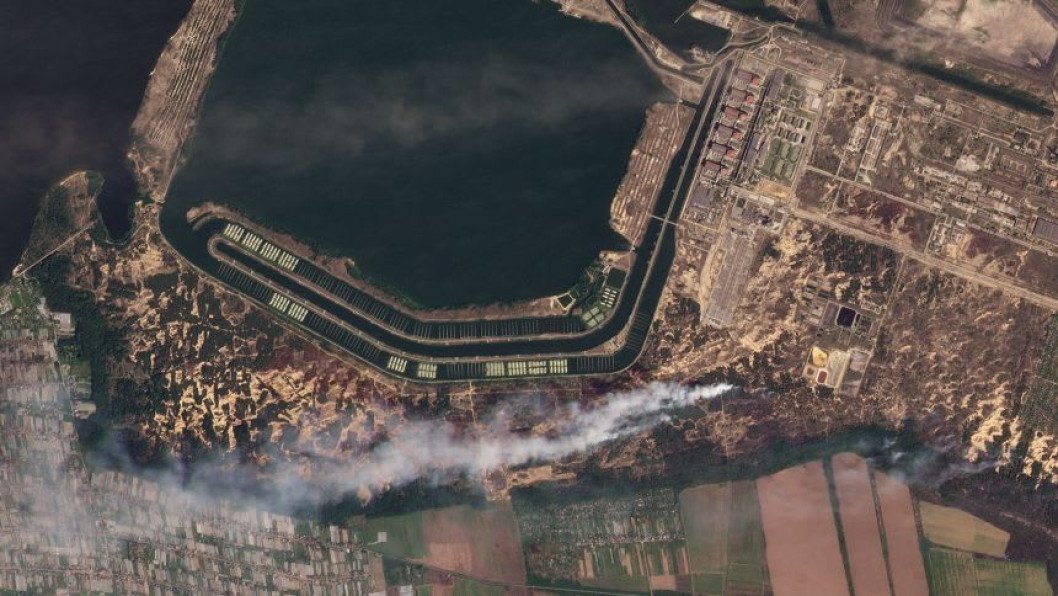
Russia turned the Zaporizhzhia Nuclear Power Plant into a military base by storing military equipment inside reactor turbine halls and operating strike drone units from the site, according to Ukraine’s Defense Intelligence.
Russian forces deployed military vehicles across power units, converted basements into ammunition depots, and stationed missile systems on reactor roofs. Intelligence reports also noted that IAEA inspectors were denied full access to key technical areas, while the facility faced severe operational risks including a critical water deficit in its cooling pond and ongoing staff shortages.
Discuss this article: