- Category
- War in Ukraine
Russia Turns Europe's Largest Nuclear Power Plant Into Military Base, HUR Says
 Prefer U24 Media on Google
- Authors


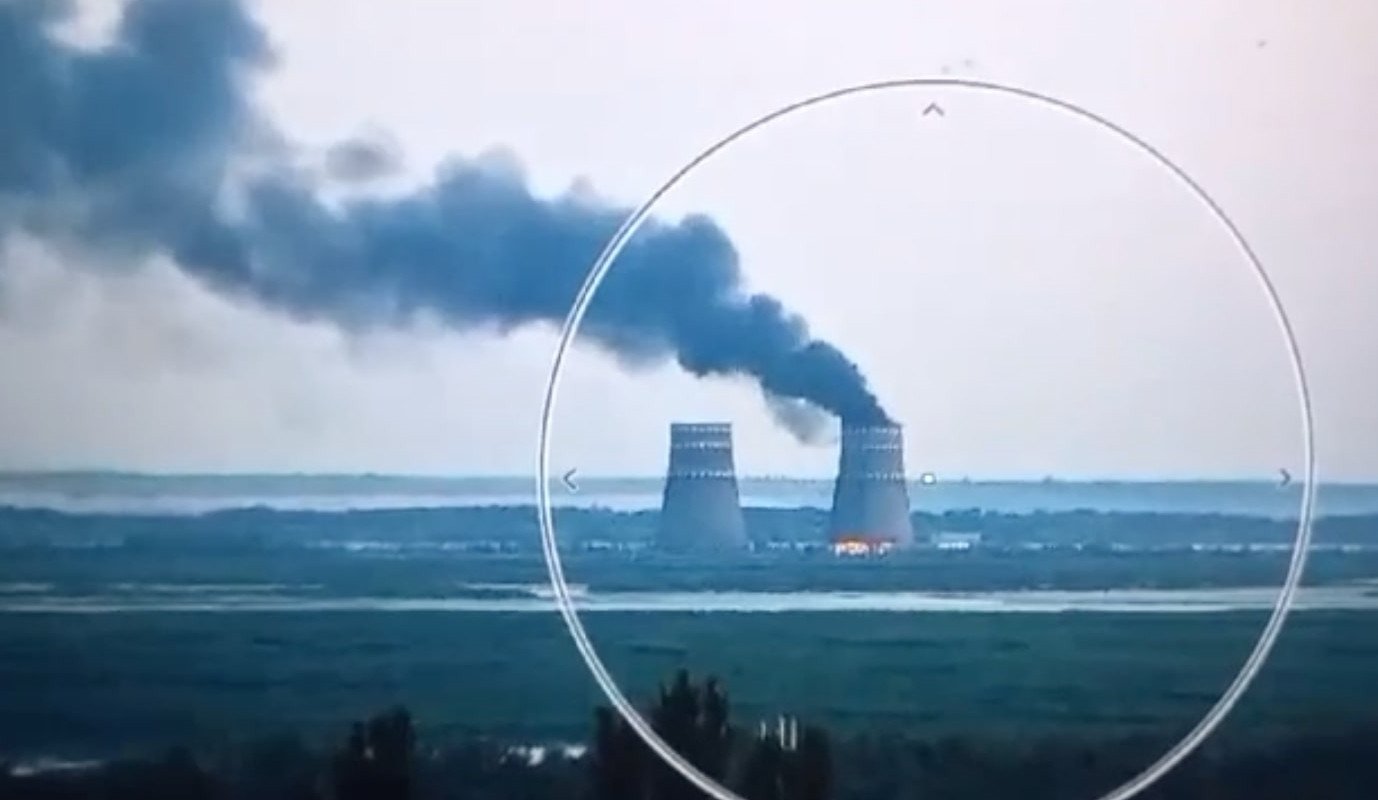
Russia has turned the Russian-occupied Zaporizhzhia Nuclear Power Plant (ZNPP) into a military base, using the site to store weapons and operate drone units, according to Ukraine's Defense Intelligence (HUR).
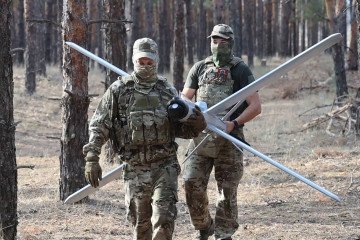
In an assessment published on July 13, HUR said Russian forces have established command posts for Gerbera-Seeker and Geran-Seeker strike drones at the occupied nuclear facility in Enerhodar while using parts of the plant to store military equipment and ammunition.
We bring you stories from the ground. Your support keeps our team in the field.
According to the intelligence agency, military vehicles have been deployed inside the turbine halls of reactor units 1, 2, 5, and 6, despite all six reactors remaining in a cold shutdown state.
“In the territory of the Zaporizhzhia Nuclear Power Plant, where all six nuclear reactors remain in a ‘cold shutdown’ state, the Russian occupation army has stationed military equipment directly inside the turbine halls of power units 1, 2, 5, and 6,” HUR said.
The agency added that Russian forces have converted basements and bomb shelters into ammunition depots, while machine-gun positions and missile systems have been installed on the roofs of reactor buildings.
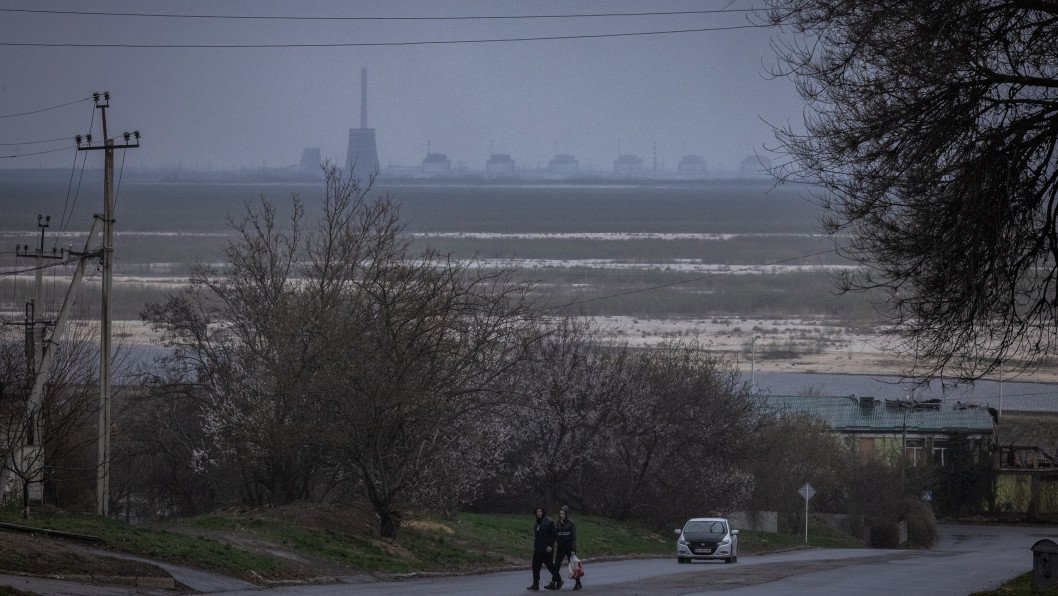
“Ammunition and military equipment are also stored beneath technical passageways and overpasses connecting the power units with other station buildings,” the statement said.
HUR further claimed that specialists from Russia's Alabuga Special Economic Zone—including underage students—have been brought to the site.
According to the agency, several technical facilities near the shoreline of the former Kakhovka Reservoir have also been mined, while approximately 1,500 members of Russia's National Guard (Rosgvardia) are responsible for securing the occupied plant.
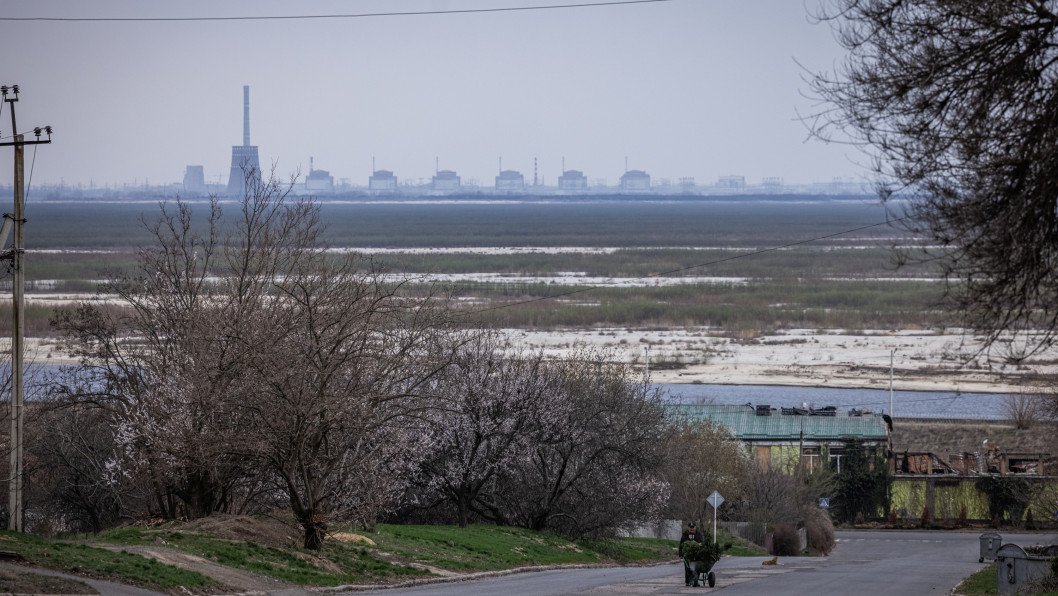
The intelligence agency also criticized the limitations placed on inspectors from the International Atomic Energy Agency (IAEA), saying they are denied unrestricted access to reactor units and key technical areas.
“IAEA experts do not have full access to the power units and specialized technical facilities of the station. Inspections are conducted according to pre-approved plans and routes, significantly complicating or making impossible an objective assessment of the situation at the Zaporizhzhia Nuclear Power Plant,” HUR said.
HUR warned that the plant's power supply remains one of the most serious safety concerns. Before Russia's occupation, ZNPP was connected to 10 external power lines. According to the agency, only one remains operational following repeated damage caused during the war. On July 3, 2026, the plant experienced its 21st blackout since the start of Russia's full-scale invasion.
-5568db4fb3d8644b8f1bf8244594bec1.png)
The agency also said Russian authorities have failed to maintain sufficient water levels in the plant's cooling pond. As of July 2026, the water level reportedly stood at 12.86 meters, below the minimum required level of 15 meters.
Of the plant's 57 deep-water wells, which form a key part of its cooling system, only 11 are equipped with the high-capacity pumps needed for operation, according to HUR.
The current water deficit is being offset by supplying water from the discharge canal of the Zaporizhzhia Thermal Power Plant, a temporary measure that HUR warned could threaten the proper functioning of reactor cooling systems and the spent nuclear fuel storage facility.
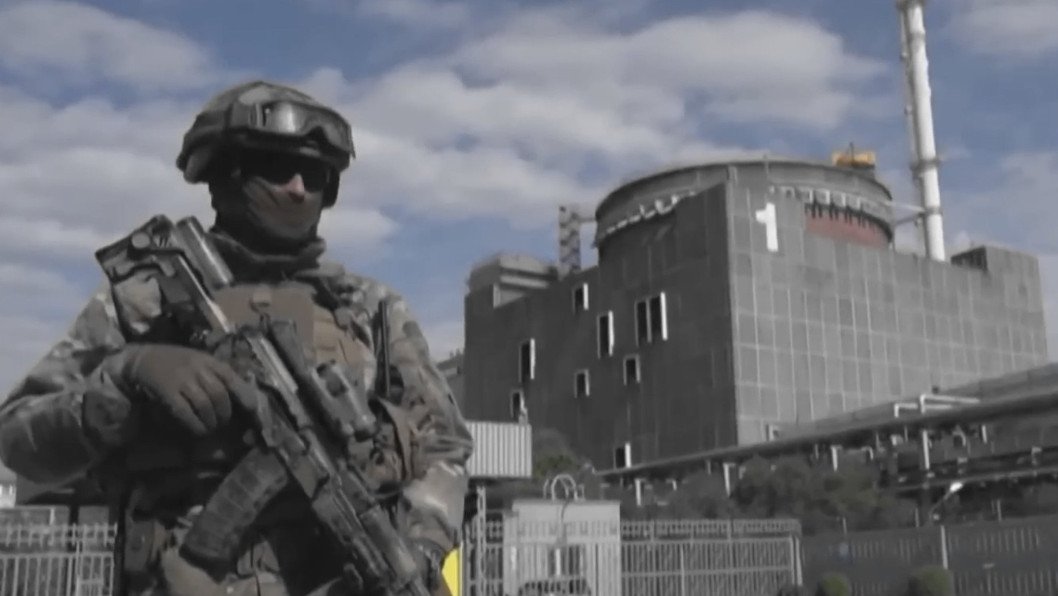
The intelligence agency also highlighted what it described as a critical staffing shortage at the occupied plant. Before Russia's full-scale invasion, approximately 11,000 people worked at ZNPP. HUR estimates the current workforce at around 7,500, including roughly 500 employees from an outsourcing company that it says is not licensed to perform work at the nuclear facility.
“All employees are being forced to sign contracts with Rosatom under the threat of dismissal, while personnel brought from the territory of the aggressor state lack the qualifications required to properly operate the occupied Ukrainian nuclear power plant because of significant differences between the Zaporizhzhia plant and Russia's nuclear facilities,” HUR said.
The latest assessment follows earlier warnings from the Institute for the Study of War, which said that the Kremlin was using allegations of Ukrainian attacks on the Russian-occupied ZNPP as a pretext to justify further military escalation and expanded long-range strikes against Ukraine.
Discuss this article:




-f8b795e6bf1d73fc2fdbfd74f5e7ea96.jpeg "Massive flames and thick black smoke rise from the Omsky Kauchuk chemical plant in Russia following a Ukrainian drone strike on October 24, 2026. (Source: Exilenova+)")