- Category
- Latest news
Zaporizhzhia Nuclear Plant Suffers Power Loss Due to Russia’s “Incompetent Actions”
 Prefer U24 Media on Google
- Authors


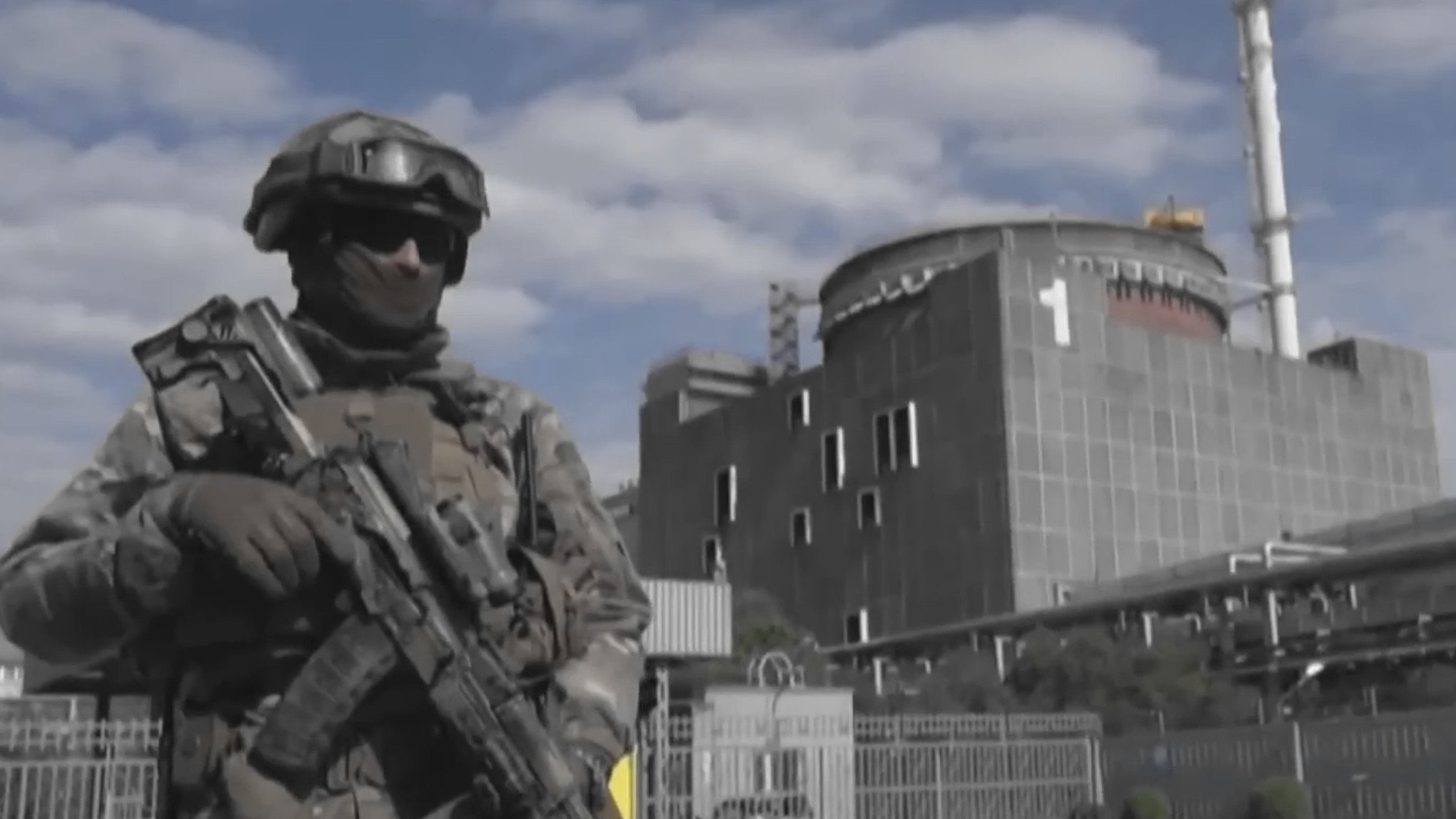
External power supply to the Russian-occupied Zaporizhzhia Nuclear Power Plant (ZNPP) was briefly disrupted on April 14, before being restored within approximately one and a half hours, Ukraine’s state nuclear operator Energoatom reported on April 14.
The station lost access to electricity from Ukraine’s power grid needed to support its internal systems due to what the company described as the “incompetent actions” of Russian occupying forces in temporarily occupied territory.
We bring you stories from the ground. Your support keeps our team in the field.
“At the station, 19 backup diesel generators were automatically launched. Within an hour and a half, external power supply to the ZNPP was restored,” Energoatom said.
The operator warned that the continued control of Europe’s largest nuclear facility by Russian forces poses ongoing risks to the wider region. Since the start of the occupation, the plant has experienced 13 blackouts and has repeatedly faced critically low levels of external power supply.
At present, the facility receives electricity through the 330 kV “Ferrosplavna-1” transmission line, while its main 750 kV “Dniprovska” line has remained disconnected since March 24.
-5568db4fb3d8644b8f1bf8244594bec1.png)
“A nuclear power plant must return as soon as possible under the control of Ukraine and its legitimate operator—Energoatom. Only this can prevent the development of the worst-case scenario for the entire European continent,” the company stated.
Meanwhile, the integrity of the protective structure over Reactor 4 at the Chornobyl Nuclear Power Plant is again under question after damage caused by a Russian drone strike in February 2025, raising concerns about the long-term containment of radioactive materials.
Greenpeace nuclear expert Shaun Burnie warned that elements of the original “Shelter” could become unstable and potentially collapse, complicating efforts to control radioactive contamination at the site.
“The problem is that the New Safe Confinement is a hermetic environment—at least it was before February 14 last year. Now it effectively no longer is,” Burnie said.
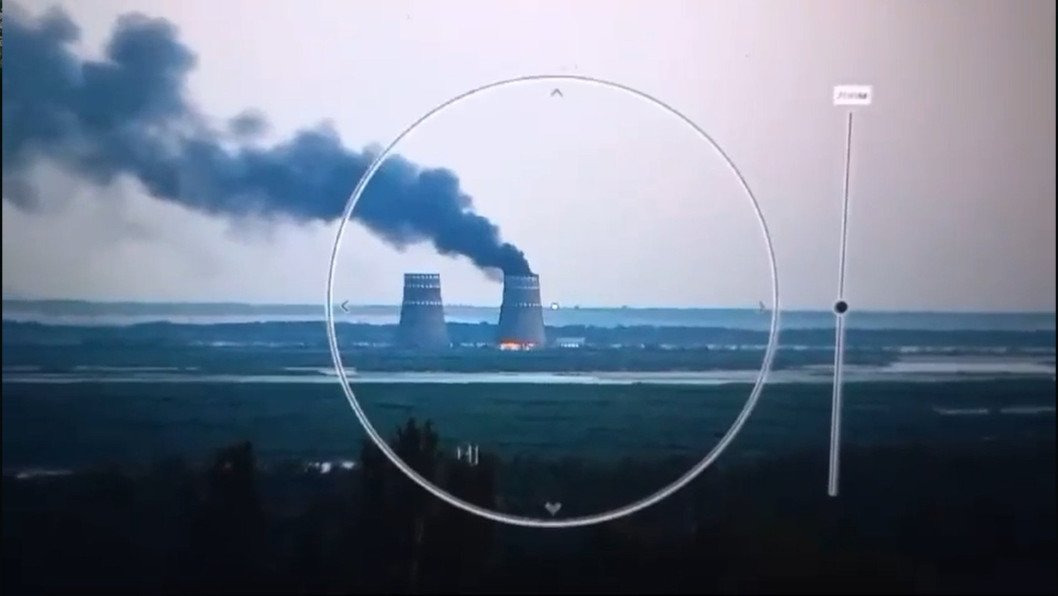
The incidents at the Zaporizhzhia and Chornobyl Nuclear Power Plants comes amid broader concerns over the security of Ukraine’s nuclear infrastructure. Ukraine’s Foreign Minister Andrii Sybiha has warned that continued Russian strikes on energy facilities are increasing the risk of a nuclear emergency in Europe.
In a post on social media, Sybiha said repeated drone and missile attacks on critical infrastructure are placing additional strain on the system. According to him, recent strikes on the power grid have forced all three of Ukraine’s operational nuclear plants to scale back output, triggering automatic shutdown procedures and disconnections.
“Each such situation is a direct threat,” he wrote on X, noting that no nuclear incident has occurred so far only “thanks to the professionalism of Ukrainian nuclear energy professionals.”
Sybiha also pointed to growing concerns raised by the International Atomic Energy Agency, which has recorded multiple drone flyovers near the Rivne and Khmelnytskyi nuclear power plants, describing them as serious security risks.
Discuss this article:


-c439b7bd9030ecf9d5a4287dc361ba31.jpg "Photo of Katherina Popilnichenko")