- Category
- Latest news
Chornobyl’s Reactor 4 Shield at Risk of Collapse After Russian Strike, Expert Warns
 Prefer U24 Media on Google
- Authors


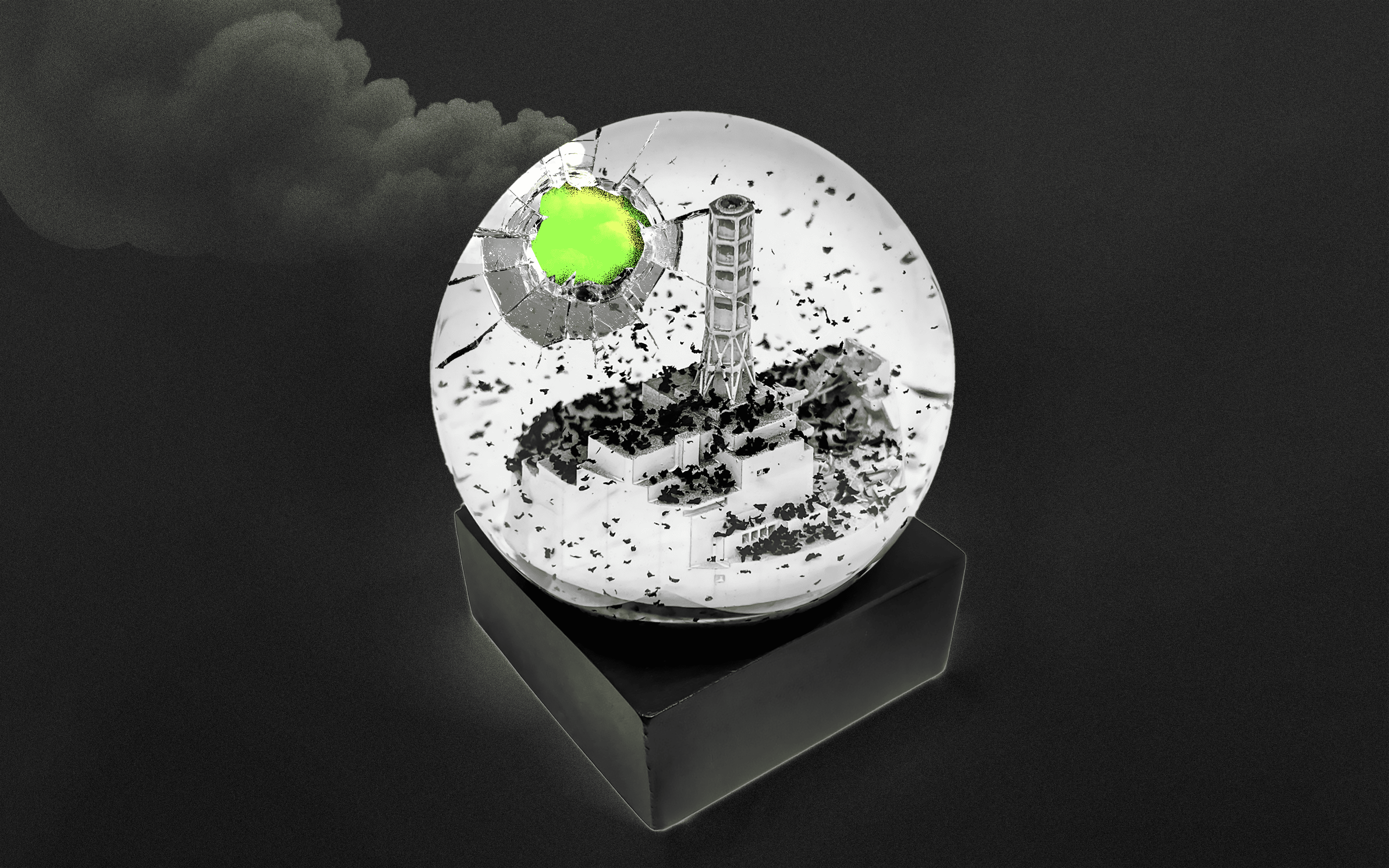
The structural stability of the shelter over Reactor 4 at the Chornobyl Nuclear Power Plant has come under renewed scrutiny following damage caused by a Russian drone strike in February 2025, raising concerns about the long-term containment of radioactive materials.
We bring you stories from the ground. Your support keeps our team in the field.
According to UNIAN on April 14, nuclear expert Shaun Burnie of Greenpeace warned that parts of the original “Shelter” structure could collapse, potentially complicating efforts to manage radioactive contamination at the site.
“The problem is that the New Safe Confinement (NSC) is a hermetic environment—at least it was before February 14 last year. Now it effectively no longer is,” Burnie said.
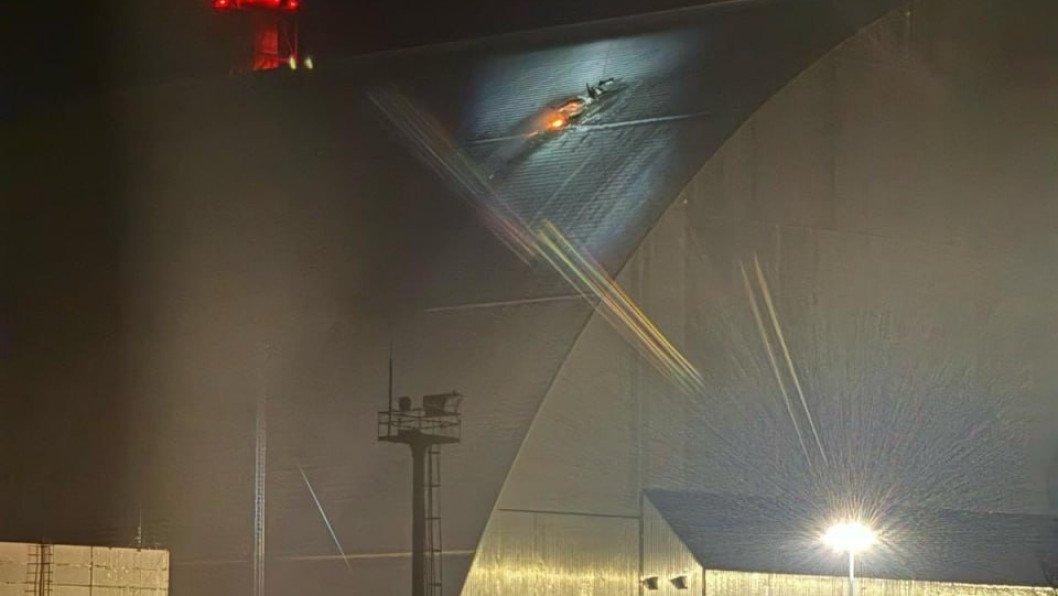
The New Safe Confinement, a large steel structure installed over the aging 1986 sarcophagus, was designed to prevent the release of radioactive dust and allow for the safe dismantling of unstable structures. A key part of its function is maintaining negative pressure, ensuring that air flows inward and is filtered before any potential release.
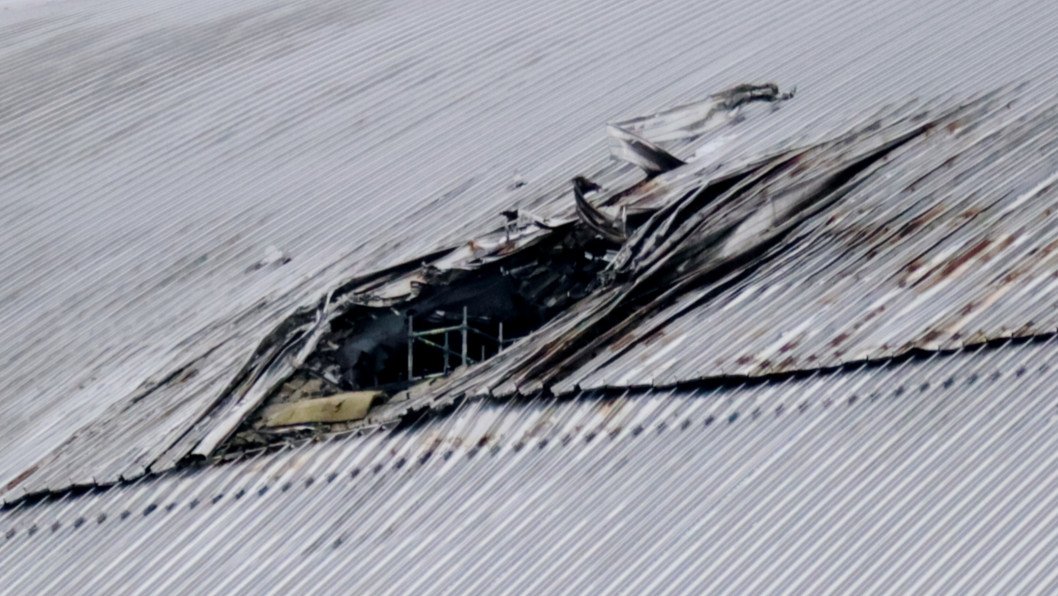
According to Burnie, this system has been disrupted due to a breach in the structure caused by the drone strike and subsequent fire.
“Now this is no longer possible—because of the hole formed as a result of the explosion and subsequent burning in the space under the roof,” he said, adding that the NSC “can no longer fully contain radiation that could potentially be released.”
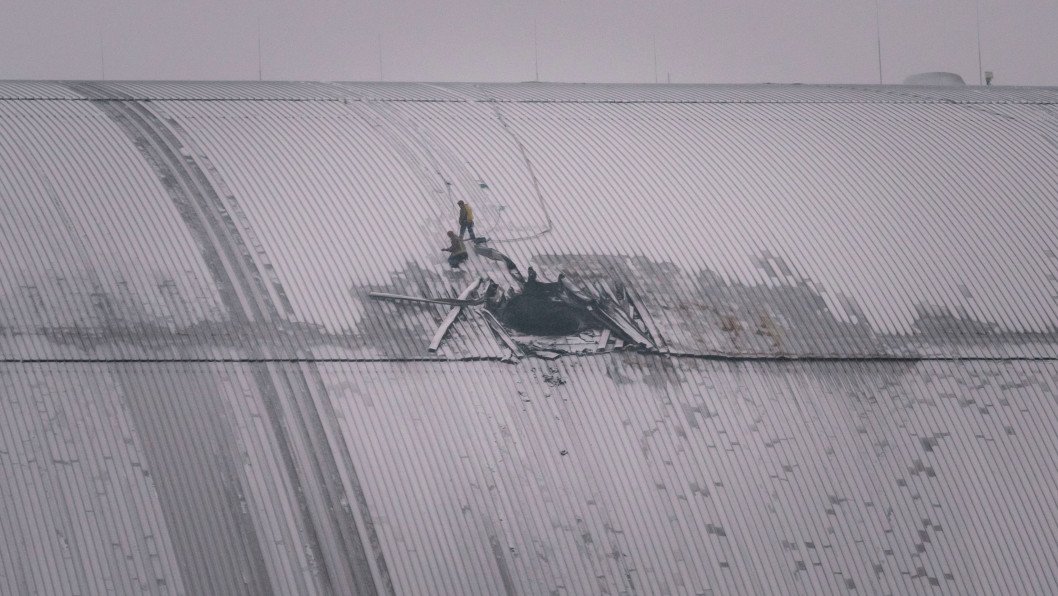
The expert noted that in the event of a collapse, radioactive dust would first accumulate within the NSC before potentially escaping into the surrounding environment. However, he assessed that widespread contamination over long distances remains unlikely.
“Will it spread hundreds of kilometers? Most likely not. However, local contamination around the NSC and nearby nuclear facilities… will be so significant that it will be extremely difficult to carry out work there,” Burnie said.
Before the full-scale invasion, Ukrainian authorities and international partners had planned the gradual dismantling of unstable structures within the original sarcophagus. These efforts have since slowed, while aging support elements continue to degrade.
The damage to the NSC has also raised financial and logistical challenges. According to Ukrainian officials cited by UNIAN, restoring the structure to a safe condition could cost up to €500 million, with repair timelines potentially extending to 2030. European partners have already allocated tens of millions of euros for initial recovery work.
Despite the concerns, Ukraine’s Ministry of Energy has stated that radiation levels at the site remain within normal limits and that key infrastructure, including spent fuel storage and the confinement system, continues to operate.
The February 2025 strike marked the first known instance of direct damage to the NSC since its installation, adding to broader concerns over nuclear safety risks during the ongoing war.
Discuss this article:
-9a7b3a98ed5c506e0b77a6663f5727c5.png)

-6b3c58bbcf8c8f2f38775f349181b1ab.jpg "Recruits, supervised by instructors, cover a distance on Day Zero of Basic Military Training at the 118th Separate Mechanised Brigade of the Ukrainian Armed Forces on April 5, 2026. (Source: Getty Images)")