- Category
- Latest news
Ukraine’s SBU Drones Cripple Strategic Steel Supplier for Russian Tank Production
 Prefer U24 Media on Google
- Authors

-72b63a4e0c8c475ad81fe3eed3f63729.jpeg "Photo of Cyril Barabaltchouk")
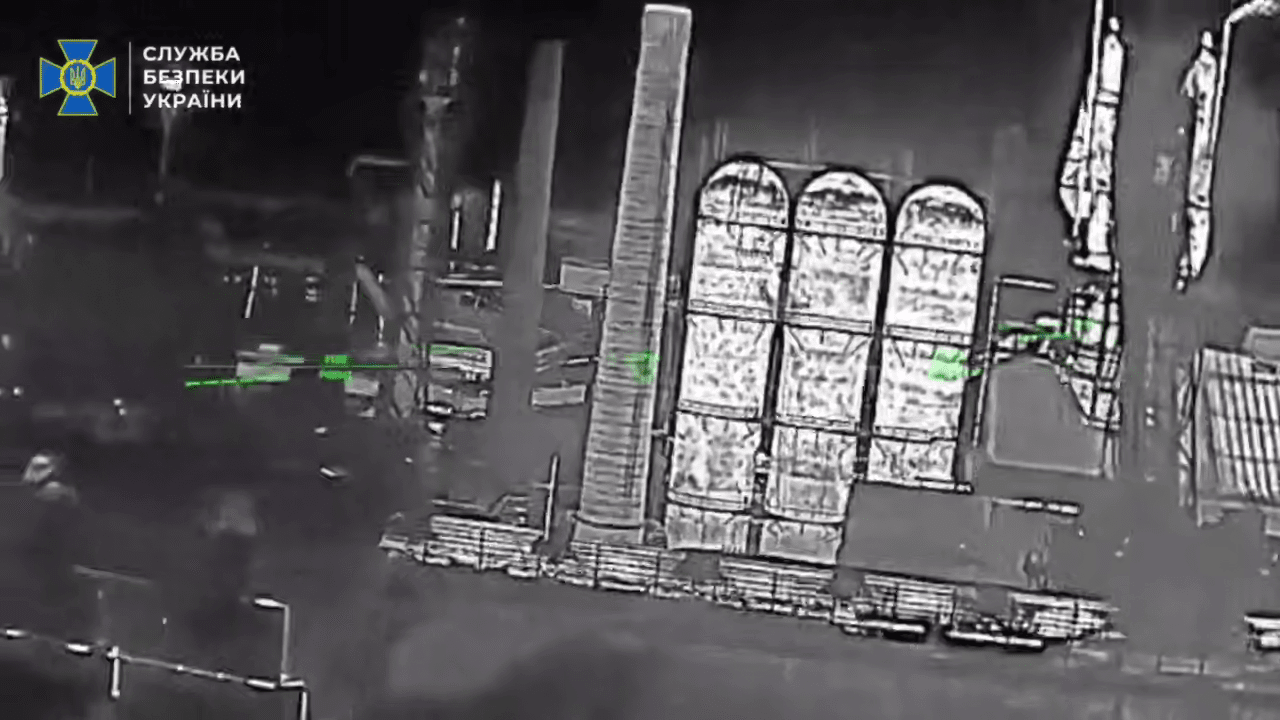
The Security Service of Ukraine (SBU), in coordination with the 1st Separate Center of Unmanned Systems of the AFU, successfully halted operations at the Alchevsk Metallurgical Plant on April 4, 2026.
This operation marks the second time in a month that the strategic facility in temporarily occupied eastern Ukrainain city of Luhansk has been targeted, as Kyiv intensifies its campaign to dismantle the Russian military-industrial supply chain.
We bring you stories from the ground. Your support keeps our team in the field.
The Alchevsk plant is a cornerstone of the temporarily occupied industrial sector, primarily used to supply raw materials and components to Uralvagonzavod, Russia’s primary tank manufacturer. Steel from this plant is essential for the fabrication of the T-90M “Proryv” main battle tank and the Msta-S self-propelled howitzer.
Using advanced Fire Point FP-2 drones, Ukrainian forces identified and struck the facility’s most critical infrastructure points. The raid resulted in severe damage to:
Blast Furnaces: The core of the steelmaking process.
Electrical Substations: Crippling the power supply required for heavy industrial operations.
Gas Pipelines and Distillation Columns: Essential for the chemical and thermal processing of metals.
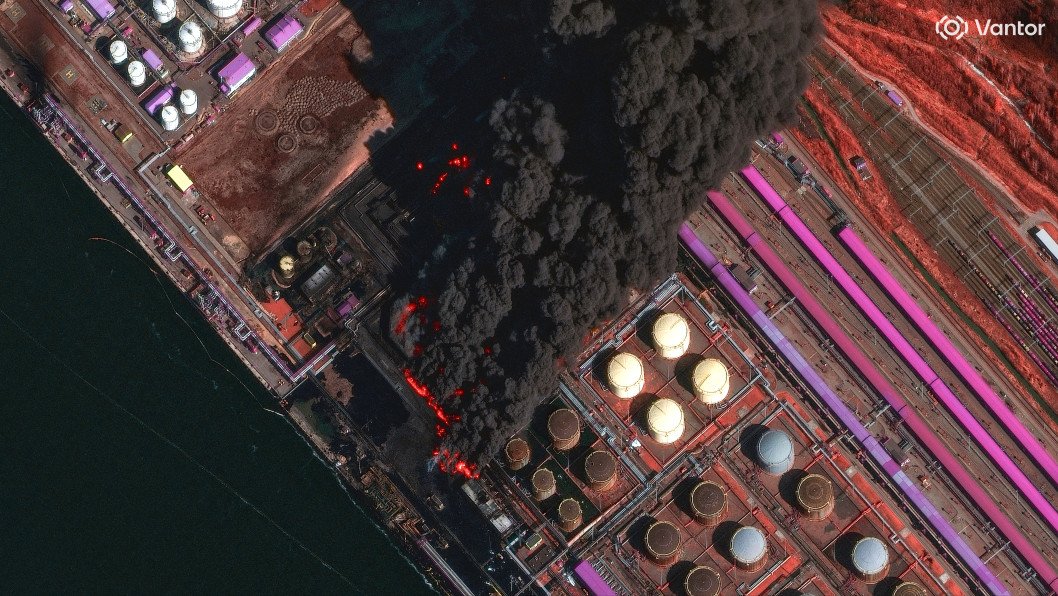
Due to the scale of the damage, the plant has officially ceased production. In a statement, the SBU emphasized that they will continue to systematically reduce the Russia’s capabilities in the military-industrial sphere. “We are identifying the locations of critical production capacities and ensuring they can no longer serve the Russian war machine,” the agency noted.
The strike on the Alchevsk Metallurgical Plant coincides with a wider, coordinated aerial offensive against Russian industrial and maritime assets. Long-range drones have previously targeted the Tolyattikauchuk and KuibyshevAzot chemical plants in Tolyatti, hitting critical production lines for synthetic rubber and nitrogen components.
This operation also extended to Taganrog, where strikes on logistics warehouses and a foreign-flagged cargo ship in the Sea of Azov further damaged the supply chains supporting Moscow’s military production and regional transport.
Discuss this article: