- Category
- World
Russia Wanted Its Own Starlink. Now Its Satellites Are Falling Before the Network Even Takes Off
 Prefer U24 Media on Google
- Authors

-c439b7bd9030ecf9d5a4287dc361ba31.jpg "Photo of Katherina Popilnichenko")
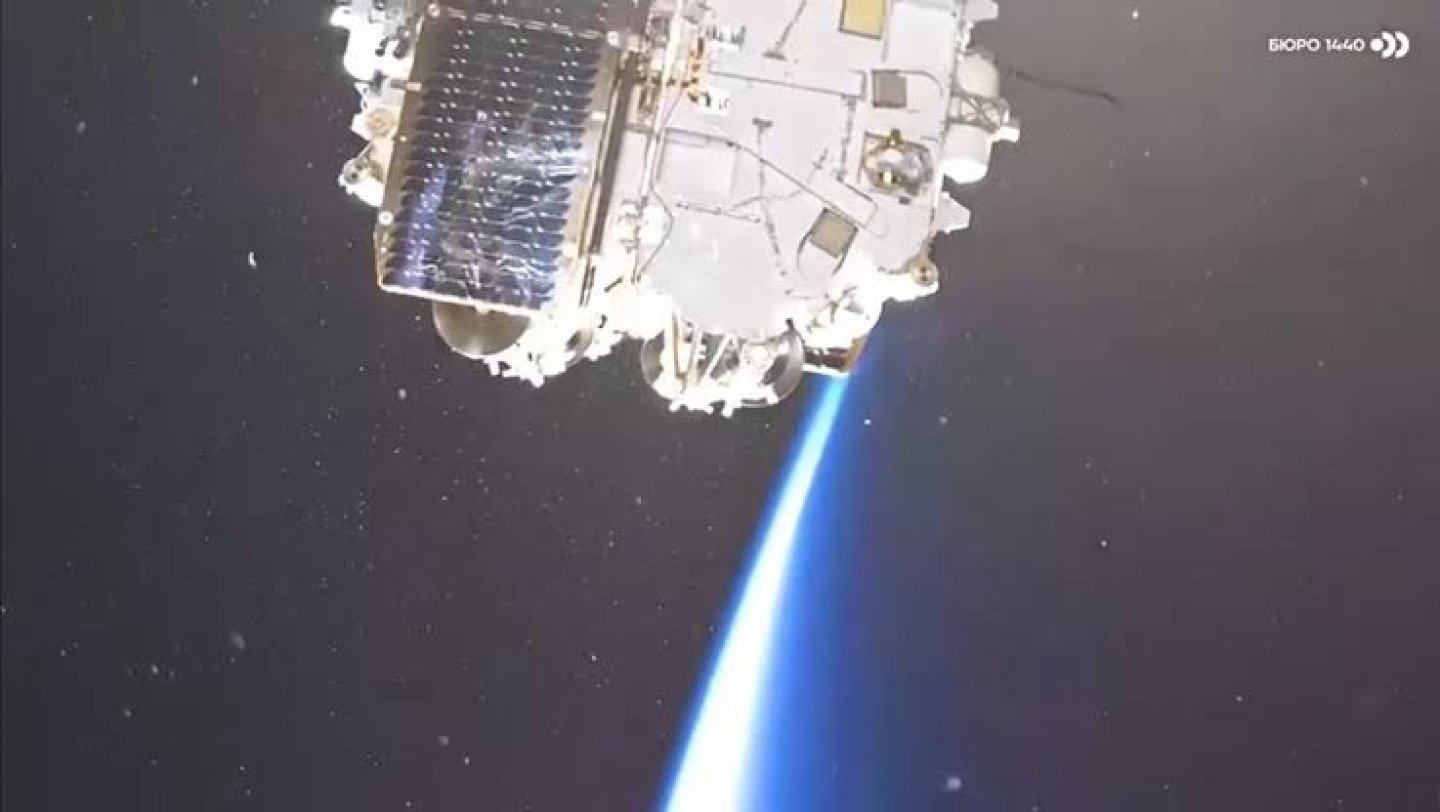
Russia’s planned alternative to Starlink is encountering severe operational setbacks, with satellites deployed in orbit losing altitude while newly launched units fail to reach their designated positions, French technology portal Numerama reported.
Moscow allocated 102.8 billion rubles ($1.3 billion) from its state budget for the "Rassvet " program. Commercial operations were set to launch in 2027, with plans to expand the constellation from 250 to 900 satellites in orbit by 2035.
We bring you stories from the ground. Your support keeps our team in the field.
Deploying the intended satellite group requires at least 18 Soyuz-2.1b rocket launches. However, Russia conducts only six to eight such launches per year.
On the night of August 15, the Ukrainian Defense Forces struck the Progress Space Center in Samara—the sole facility manufacturing the Soyuz-2.1b rockets used to place the Rassvet satellites into orbit.
Following claims that several hundred satellites would be in orbit by next year, the first spacecraft are already beginning to lose altitude earlier than anticipated. According to orbital tracking data, at least two satellites are losing altitude, while several others are unable to enter their assigned orbits.
As noted by the specialized website Russian Space Web, while the initial 16 launched satellites performed somewhat better—though one fell back in June—a July launch delivering another 16 spacecraft proved unsuccessful.
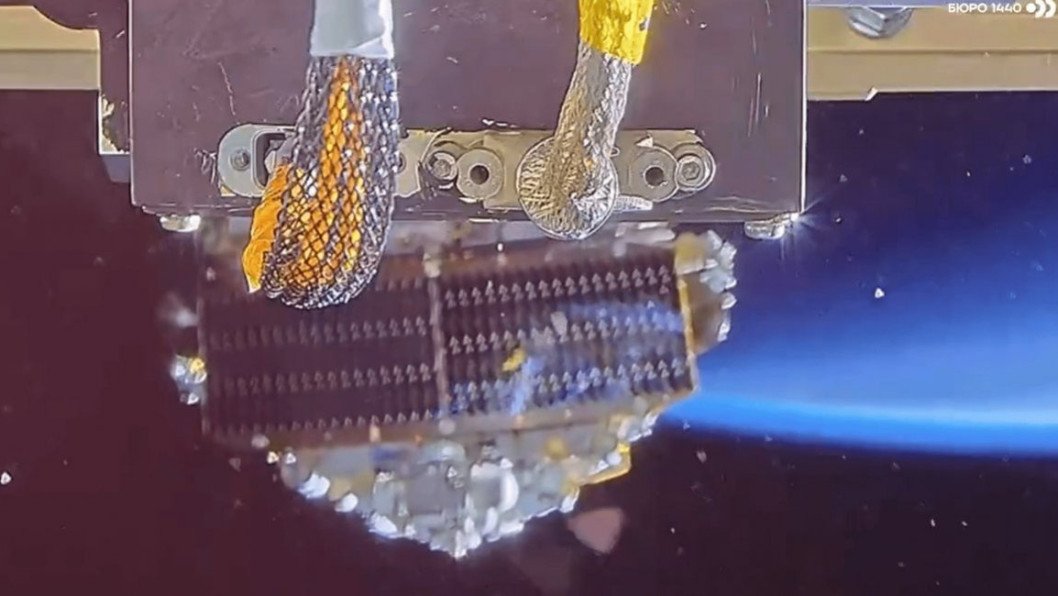
The goal was to place the satellites at an altitude of 800 kilometers, but several ended up below 500 kilometers, with some dropping below 400 kilometers.
Nine satellites began maneuvering to rise a few additional kilometers, while others appear to have stopped ascending and started falling. Currently, not a single satellite has managed to rise above 360 kilometers, while two have dropped below 300 kilometers on trajectories resembling a descent.
Even the spacecraft that continue to ascend remain significantly below the altitudes reached by the first group of satellites at the same phase of deployment.
Remaining at lower altitudes carries direct physical consequences. The lower a satellite travels, the higher the atmospheric drag it encounters, requiring it to burn more fuel to avoid falling and thereby shortening its operational lifespan. Consequently, even the spacecraft that stabilize at around 500 kilometers risk degrading much faster than originally anticipated.
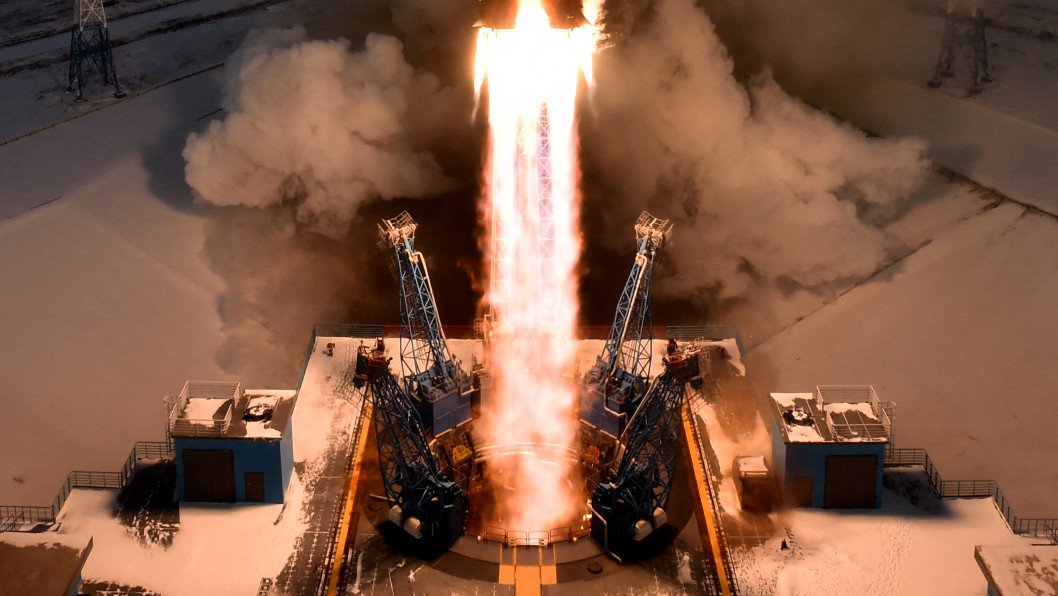
With only 32 satellites in orbit and a portion of them barely reaching the required altitude, Rassvet remains far from becoming a fully functional network.
At present, Russia lacks the capacity to expand the satellite constellation to the 250 units planned for 2027, the report noted.
In early February, Starlink CEO Elon Musk deactivated devices not included on Ukrainian “whitelists,” following a request from Ukraine’s Defense Minister Mykhailo Fedorov, which significantly weakened Russian command-and-control capabilities in several parts of the front.
Previously, reports emerged that Russian low-Earth-orbit satellites developed under the Rassvet program may already provide intermittent battlefield connectivity over Ukraine, creating an early-stage alternative to Starlink for Russian forces.
Discuss this article:





-111f0e5095e02c02446ffed57bfb0ab1.jpeg "Photo of Roman Kohanets")