- Category
- War in Ukraine
Russia’s Answer to Starlink Loses Its First Satellite After Just 75 Days in Orbit
 Prefer U24 Media on Google
- Authors


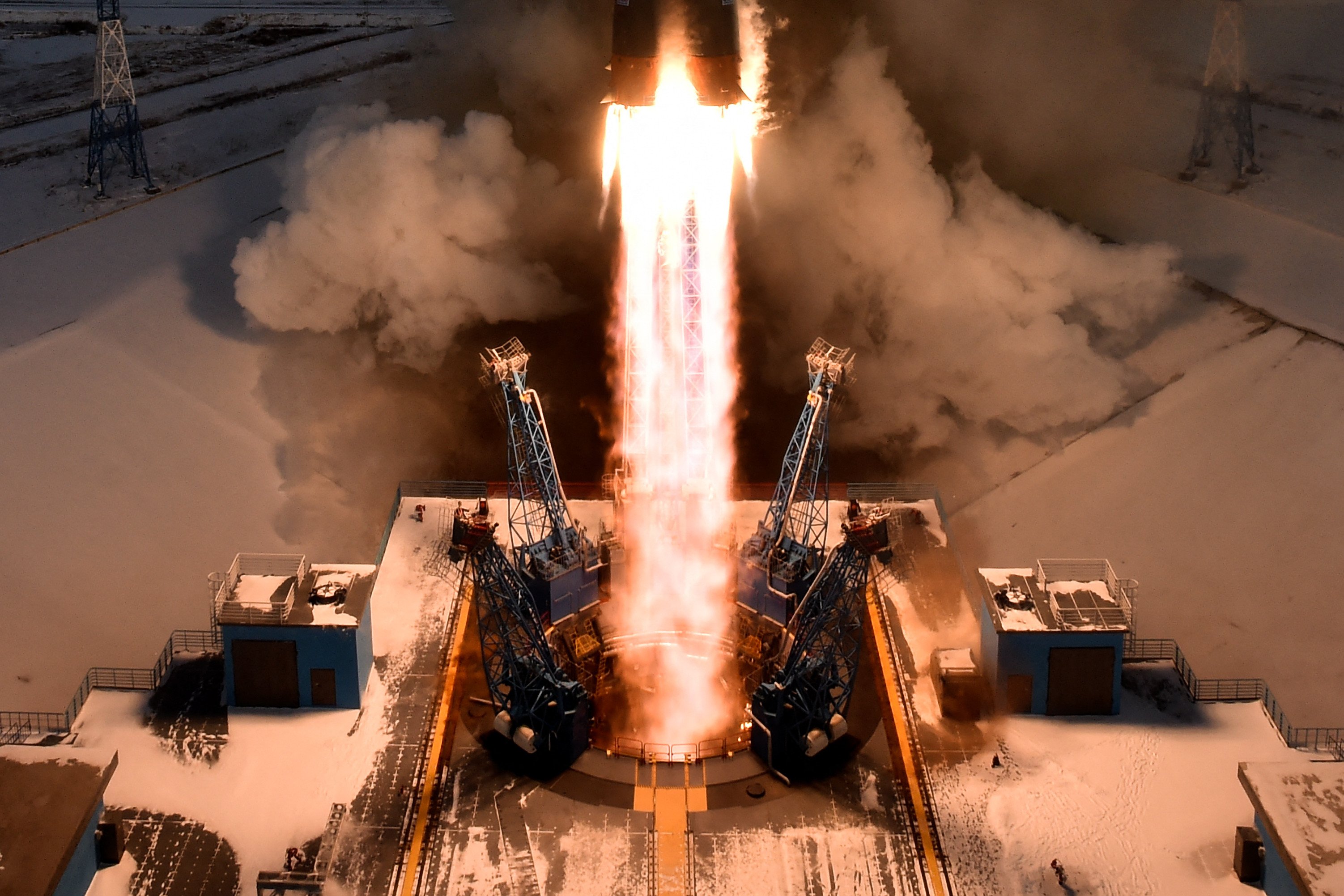
Russia’s attempt to build a domestic alternative to Starlink suffered its first confirmed setback after one of the initial Rassvet broadband satellites reentered Earth’s atmosphere just 75 days after launch, having failed to perform any orbital maneuvers since reaching orbit in March.
We bring you stories from the ground. Your support keeps our team in the field.
According to Defence Blog, citing RussianSpaceWeb, the satellite—designated Object 4 and tracked by NORAD as 68363—was launched on March 23 as part of the first batch of Rassvet satellites.
Tracking data showed the spacecraft gradually losing altitude and failing to perform any orbit-raising maneuvers before reentering Earth’s atmosphere approximately 75 days after launch.
According to Defence Blog, which referenced Zak’s analysis of publicly available NORAD tracking data, Object 4 was the only satellite in the initial Rassvet group that never performed an orbit-raising maneuver.
The available data suggests the spacecraft may have suffered a propulsion system malfunction or another issue that prevented it from maintaining its orbit, though Russian officials have not provided an explanation.
The March launch was carried out without a public announcement from either Russia’s space agency Roscosmos or the Russian Ministry of Defense.
According to Defence Blog, citing RussianSpaceWeb, confirmation that the mission had reached orbit came only after Russian satellite communications company Buro 1440 released footage showing the deployment of satellites in space.
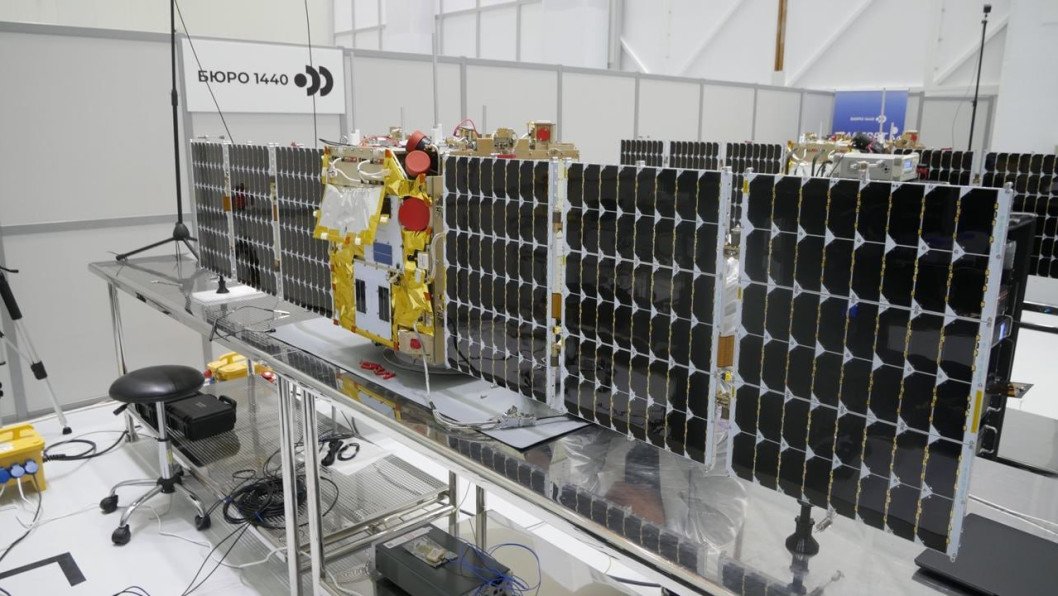
The remaining satellites have demonstrated varying levels of activity since launch. While none appeared to perform orbital maneuvers during the first weeks in orbit, several began raising their altitude in early April. As of early June, six satellites were continuing to climb to higher orbits, while eight others were maintaining their positions through station-keeping maneuvers.
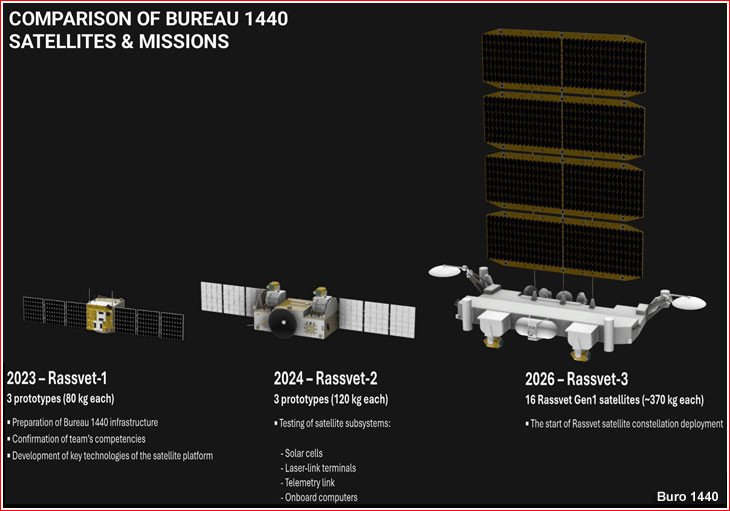
The Rassvet constellation is being developed by Buro 1440 as part of Russia’s plans to establish a domestic satellite internet network. The project is viewed as strategically important as governments increasingly rely on satellite communications systems, including Starlink, for civilian and military applications.
Earlier, Russia sought to reduce its dependence on foreign satellite communications by deploying Sprint-030 terminals linked to the country’s existing Express and Yamal satellite networks. The effort comes as Moscow simultaneously works to build the Rassvet constellation—its closest equivalent to Starlink—which has now suffered its first satellite loss.
Discuss this article:
-9a7b3a98ed5c506e0b77a6663f5727c5.png)


-e179e0599ae687118e91fd783379c19f.png "Footage showing a Ukrainian FP-1 drone strike on a Russian drone workshop and storage facility in the Donetsk region. (Source: 7th Air Assault Corps of the Armed Forces of Ukraine)")

-bff688a0f71d93b1cc877675781b9b93.png "Footage released by Ukraine’s Phoenix unmanned systems unit shows a Russian vehicle with an armed soldier in the rear being targeted on the Toretsk direction. (Source: Phoenix unmanned systems unit)")
-72b63a4e0c8c475ad81fe3eed3f63729.jpeg "Photo of Cyril Barabaltchouk")