- Category
- Latest news
Ukraine Takes the Fight to Space, Destroying Russian Yamal-601 Satellite Comms
 Prefer U24 Media on Google
- Authors


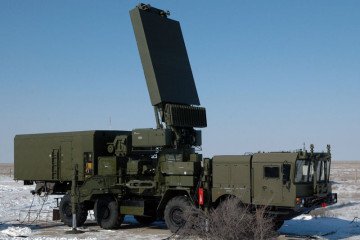
Ukrainian drone operators have destroyed a Russian satellite communications antenna connected to the Yamal-601 satellite, disrupting enemy coordination on a key section of the front line.
The strike was carried out by operators from the 413th Unmanned Systems Regiment “Raid,” which released footage of the operation on March 30.
We bring you stories from the ground. Your support keeps our team in the field.
According to the unit, the targeted equipment played a critical role in maintaining battlefield communications.
“The destruction of this equipment temporarily deprives the enemy of the ability to coordinate attacks by its infantry and UAVs in this sector of the front,” the unit said.
📡«Raid» destroyed a «Yamal-601» satellite antenna
— RAID | 413 Regiment USF (@Raid_413) March 30, 2026
During combat operations in one of the frontline sectors, UAV operators of the 413th «Raid» Regiment of the USF detected and destroyed a satellite communication antenna configured for the Yamal-601 satellite.
The destruction of… pic.twitter.com/Wrgoi1Y1Gj
Targeting the network
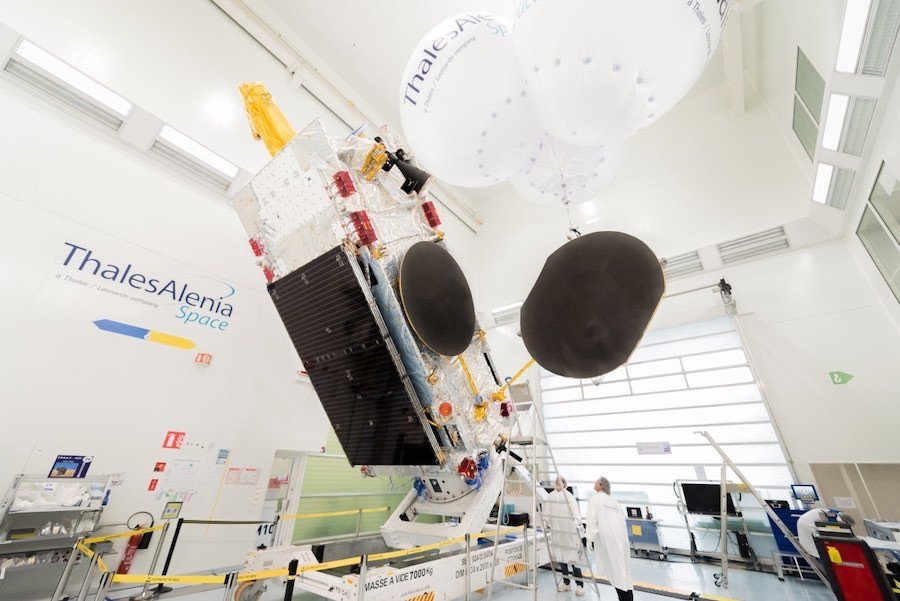
The destroyed antenna was configured to operate with Yamal-601, a Russian communications satellite launched in 2019.
Yamal-601 is the newest satellite in a five-unit constellation known as the Yamal network, which is owned by Gazprom and financed by Russia’s state-controlled energy sector.
Russian officials have promoted this satellite network as an alternative to Starlink, particularly for use in areas where secure communications are critical.
The network provides coverage over parts of Russian-occupied territory in Ukraine, allowing units to coordinate drone operations and ground assaults.
5/ There's a notable parallel here with the Russian-developed alternative to Starlink, the Yamal 601 satellite internet system. It is far larger and more difficult to use and install, while providing a much slower service with lower reliability. /end pic.twitter.com/Yxp36FMCHA
— ChrisO_wiki (@ChrisO_wiki) February 11, 2026
Sanctions and vulnerabilities
Despite its role in military communications, the Yamal satellite system has relied on foreign technology.
During its development in the 2010s, Russian engineers used electronic components sourced from Japan and Italy—supply chains that are now largely inaccessible due to international sanctions.
This reliance highlights ongoing challenges in maintaining and expanding such systems under current restrictions.
In its first mission of 2019, #Russia's Proton rocket is slated to deliver the Yamal-601 communications satellite.
— Anatoly Zak (@RussianSpaceWeb) May 30, 2019
DETAILS, UPDATES: https://t.co/hIltMM7A6O pic.twitter.com/IReNSZf9jh
Battlefield Impact
By targeting ground-based satellite communication nodes rather than just individual drones or vehicles, Ukrainian forces are increasingly focusing on disrupting the broader command-and-control infrastructure.
Each destroyed antenna reduces the enemy’s ability to synchronize operations, particularly in coordinating drone strikes and infantry movements.
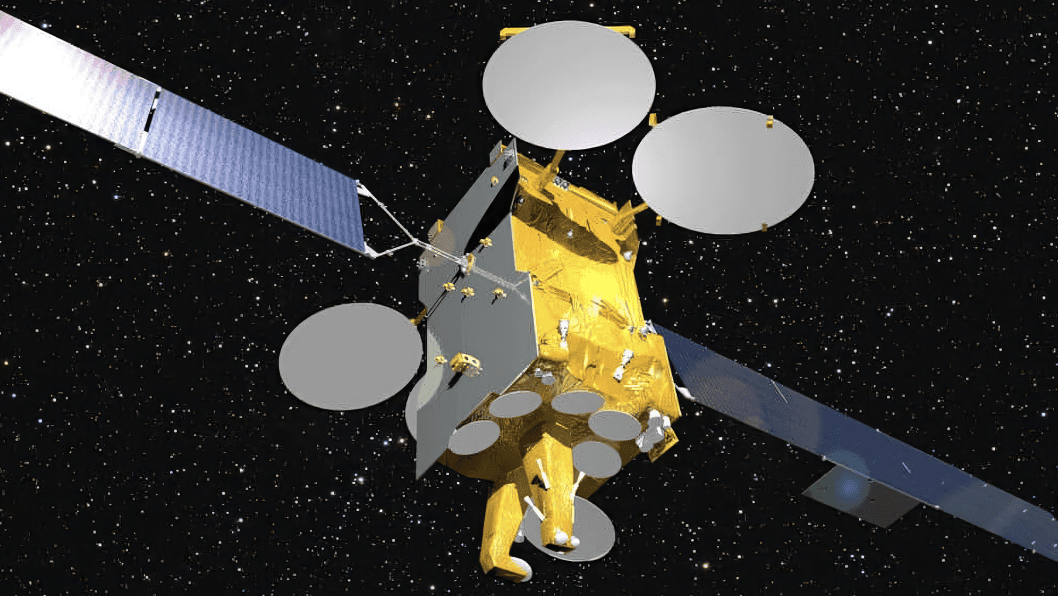
Earlier, Russia launched the first batch of satellites for its “Rassvet” broadband internet system, a project widely described as a domestic alternative to Elon Musk’s Starlink—with growing indications it may serve military needs, according to Russian aerospace company Bureau 1440.
The launch took place late on March 23, when 16 company-developed satellites were sent into orbit.
Discuss this article:
-9a7b3a98ed5c506e0b77a6663f5727c5.png)