- Category
- Latest news
Europe’s Satellite Security Problem Has a Name—Russia’s Luch-2, and Here is Why
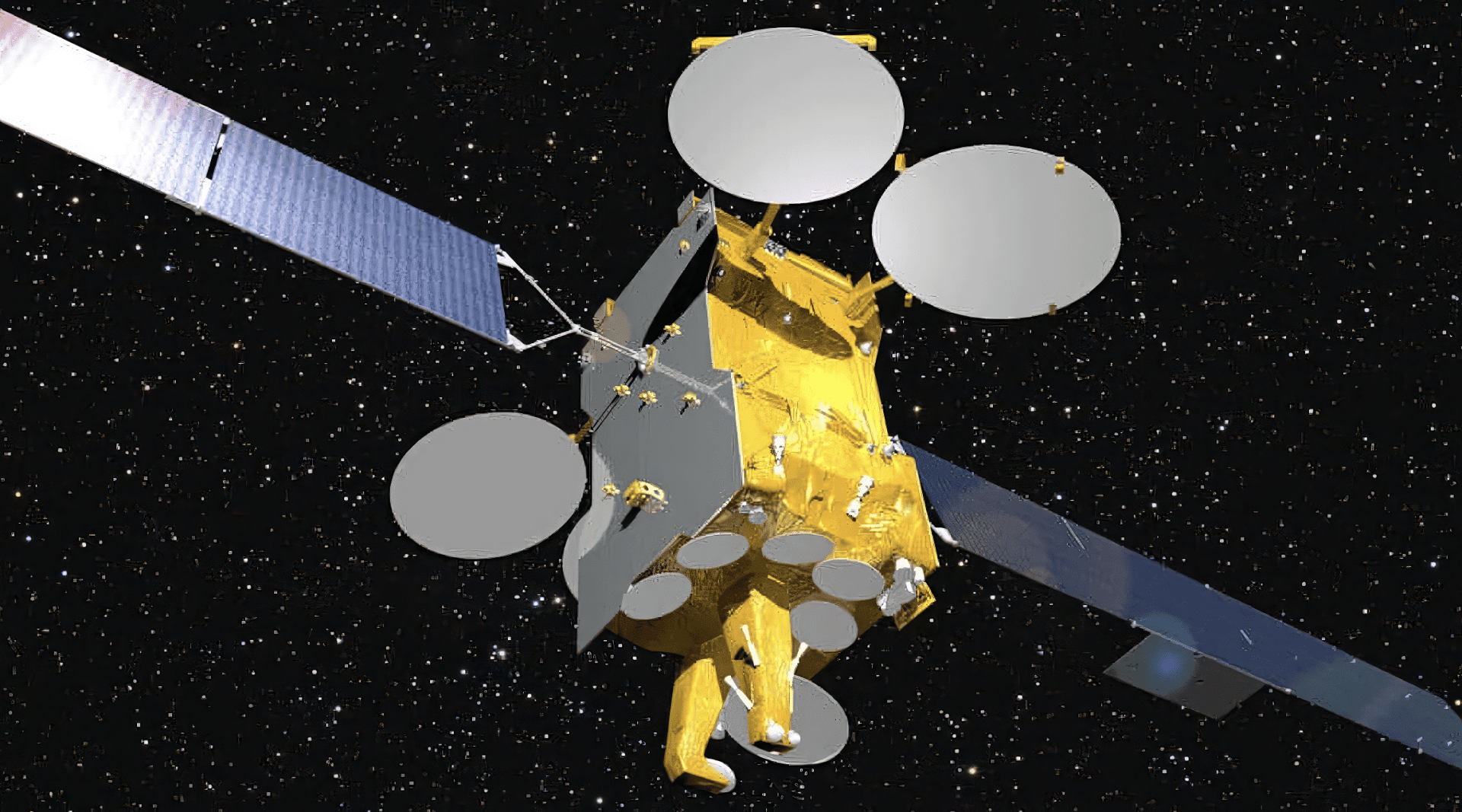
European agencies report that Russia’s Luch-2 satellite is shadowing European telecom satellites, exploiting unencrypted links used partly by security institutions, and there is no simple solution.
 Prefer U24 Media on Google
- Authors

-111f0e5095e02c02446ffed57bfb0ab1.jpeg "Photo of Roman Kohanets")
A Russian satellite is closely shadowing European communications satellites and exploiting unencrypted channels used at least in part by European security institutions, including Germany’s Bundeswehr, according to NZZ on March 22.
The report centers on Luch-2, a Russian satellite launched in March 2023 into geostationary orbit at an altitude of about 35,700 kilometers above the equator.
We bring you stories from the ground. Your support keeps our team in the field.
After initially positioning itself thousands of kilometers west of Intelsat-39, the satellite maneuvered over time toward several European communications platforms and is now near Intelsat-39, a civilian satellite that provides internet and cellular coverage across Europe and parts of Africa.
According to the report, the satellite’s proximity allows Russia to intercept communications sent between Earth and Intelsat-39 because those transmissions are not encrypted.
European military representatives and security agencies reportedly use such civilian satellites at least in part because secure alternatives remain limited.
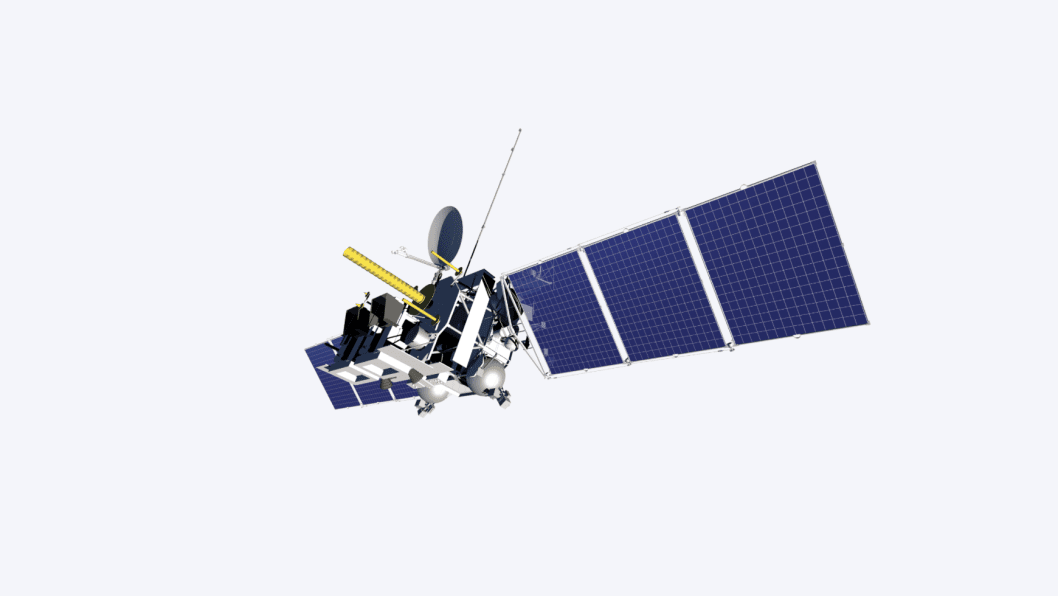
The statement noted that the Bundeswehr is among the users of Intelsat-39, though the exact content of its satellite communications is not publicly known.
The threat could extend beyond surveillance. The report noted that experts believe Luch-2 may also be able to intercept control signals sent from ground stations to satellites such as Intelsat-39, raising the possibility that Russian operators could imitate those commands and disrupt or even disable a satellite.
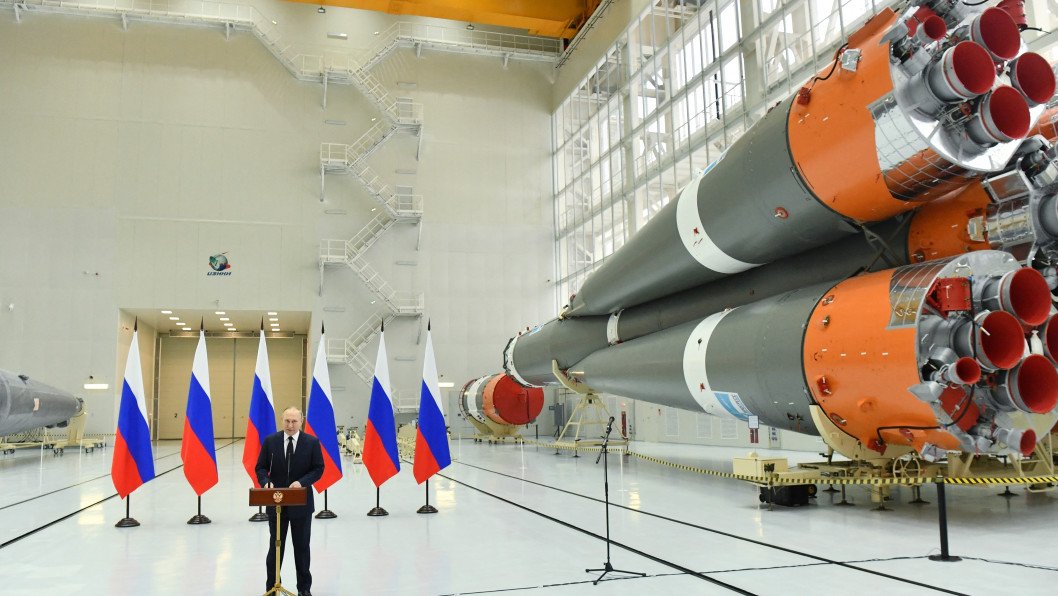
“If Russia were to manipulate or even destroy European communication satellites, it would be an attack on Europe’s critical infrastructure,” the report stated.
The case also points to a broader Russian intelligence architecture in Europe that extends well beyond activity in orbit.
A new report from the Financial Times cites Vienna as a central node for Russian intelligence activity in Europe, describing a broad signals-collection effort built around diplomatic cover, technical surveillance, and long-established operating space in Austria.
The broader implication is that Russian espionage in Europe still relies on deep infrastructure rather than isolated covert acts, with Vienna positioned as one of its most useful listening posts.
Discuss this article:
-4a56a6b482ec132402c16ef6fcabf9a2.png)