- Category
- War in Ukraine
Supermarkets in Ukraine Face Empty Shelves as Russian Strikes Hit Warehouses
 Prefer U24 Media on Google
- Authors

-c439b7bd9030ecf9d5a4287dc361ba31.jpg "Photo of Katherina Popilnichenko")
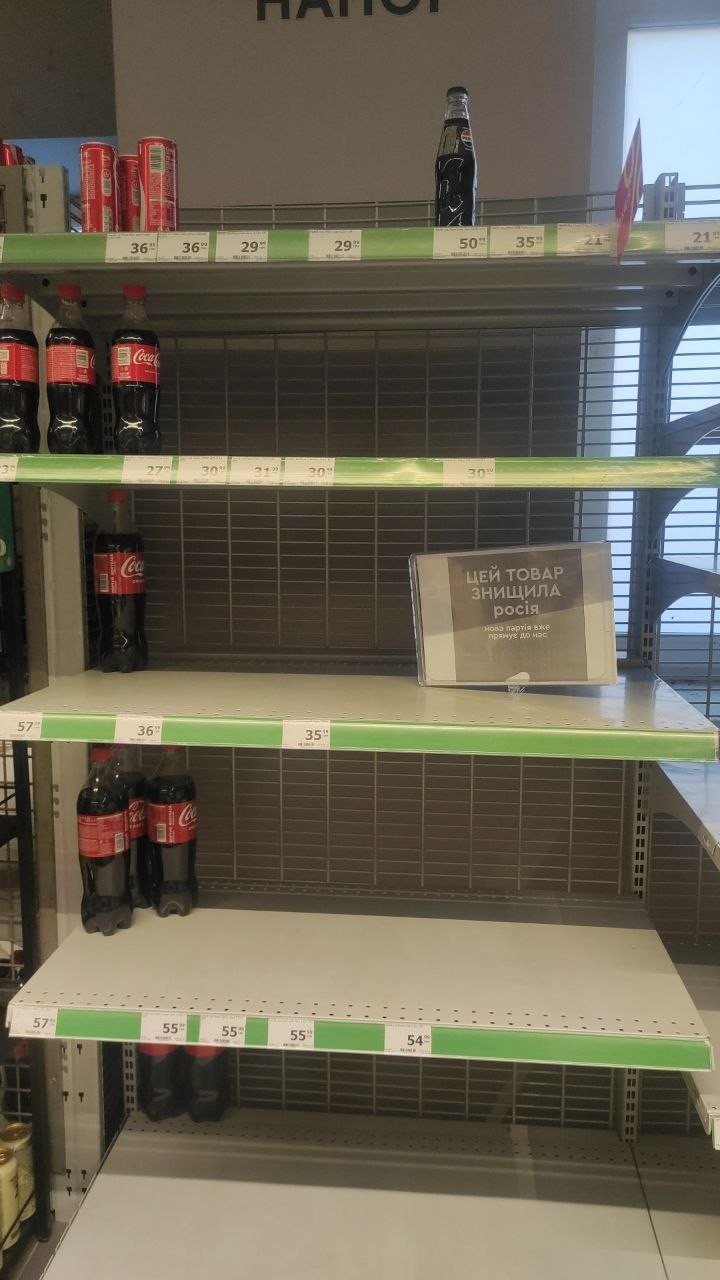
Ukrainian supermarket chains, including Novus, Silpo, and Fora, face temporary shelf shortages as Russian strikes devastate major retail warehousing infrastructure across the country. The destruction of key logistics hubs and cold storage facilities directly disrupts distribution networks, leaving stores struggling to quickly replace lost inventory.
Market experts and company representatives say that these disruptions will not lead to a critical deficit of basic food staples, according to ZN.UA on August 11.
We bring you stories from the ground. Your support keeps our team in the field.
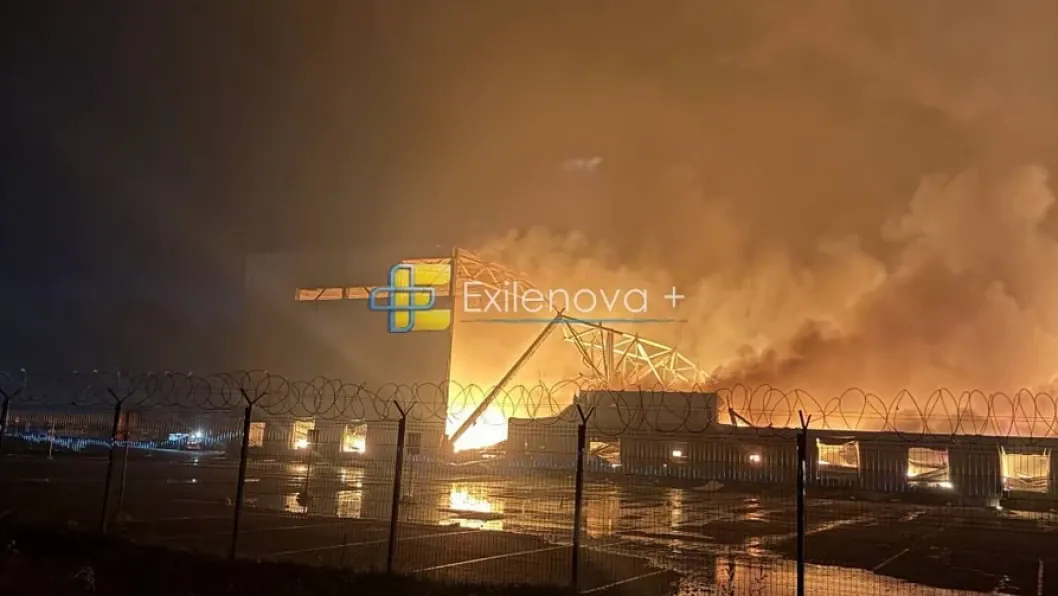
Novus Ukraine CEO Mark Petkevych stated in an interview with RAU that the destruction of a major distribution hub led to the loss of a significant volume of inventory, which cannot be replaced instantly.
However, he emphasized that no shortage of essential foodstuffs is anticipated, noting that delays are limited to restocking specific specialty items.
Just hours after the attack, the company transitioned key suppliers to direct delivery models directly to stores and activated backup storage facilities, though overall logistical adaptation remains ongoing.
In stores operated by Silpo, Fora, and Thrash!, noticeble shortages have affected fresh produce, meat, dairy products, eggs, and select items due to the destruction of cold storage facilities.
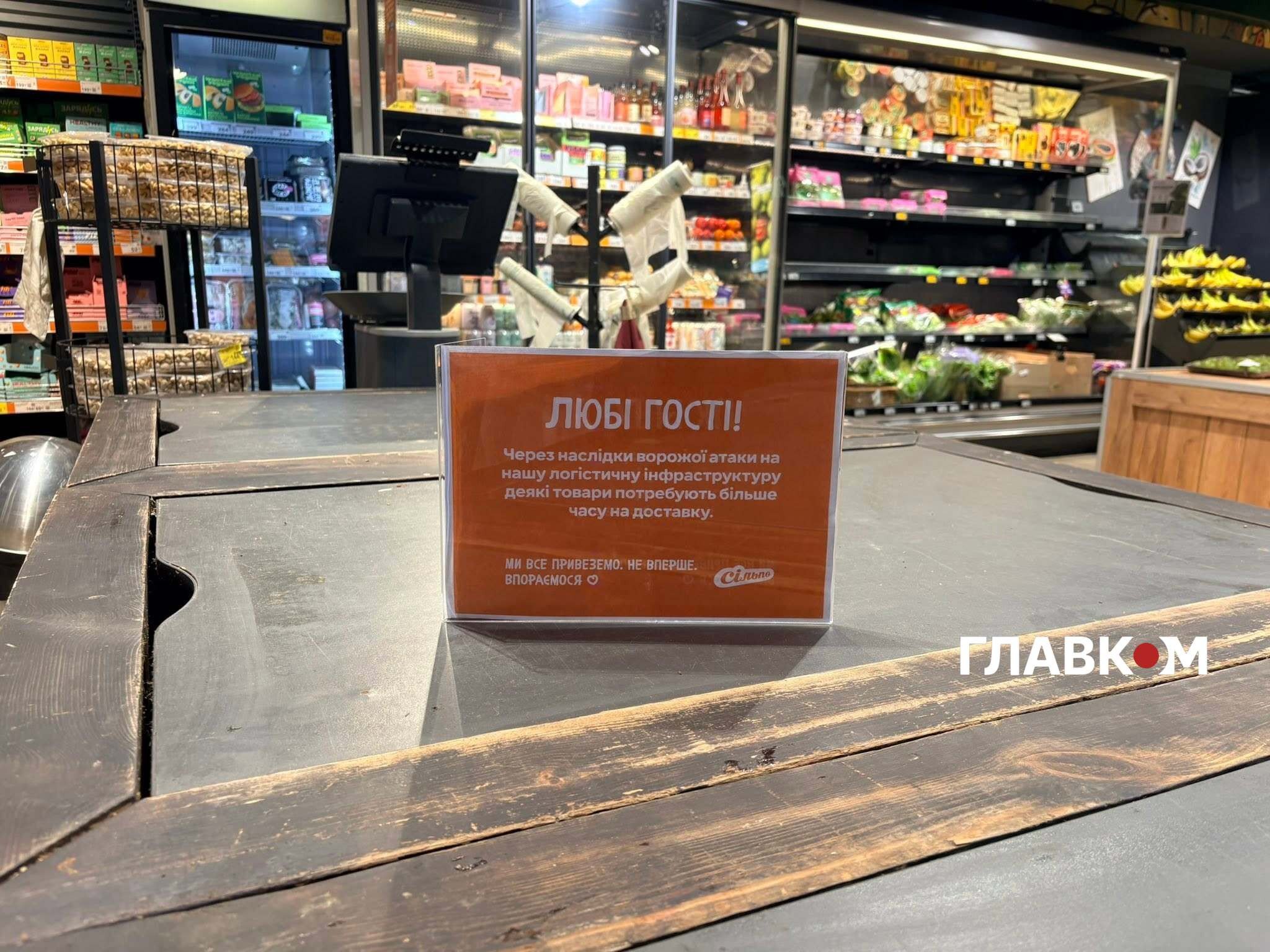
The operating company confirmed that all retail locations continue to function normally. "Russian attack destroyed our important warehouses. Along with them, we lost a significant portion of product reserves, machinery, and equipment. But we are working," stated retail chain Fora in an official release.
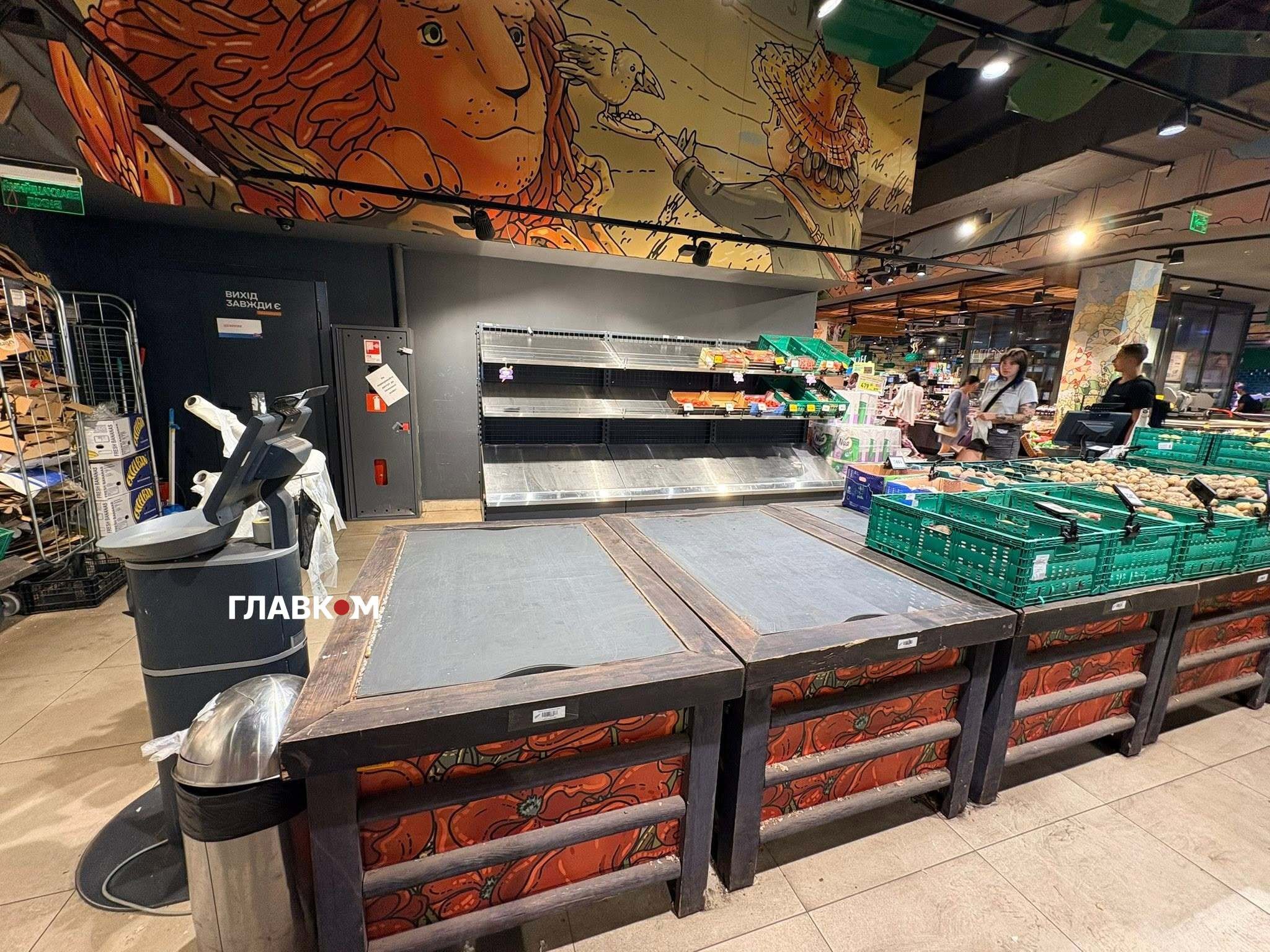
Partial shortages have been noticeable in Kyiv stores belonging to the chain since the weekend. This is most apparent in the fresh fruit and vegetable departments. Specifically, the selection of seasonal peaches, nectarines, citrus fruits, and tomatoes on the shelves has significantly decreased. In contrast, fresh cucumbers have already been brought in in sufficient quantities, according to Glavcom.
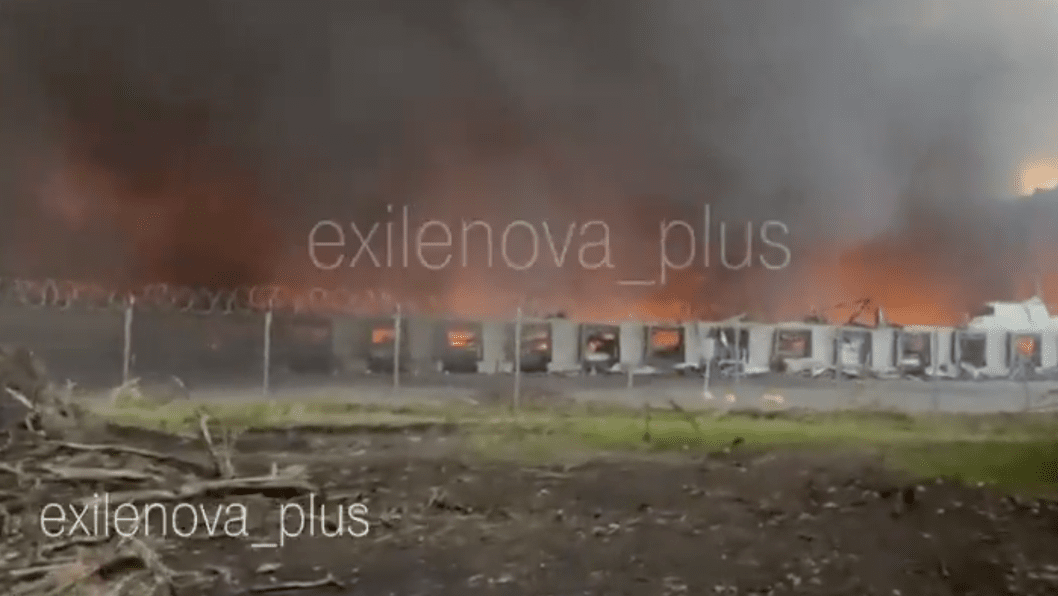
Online marketplace Rozetka suffered a major blow when its primary fulfillment hub burned down during an overnight attack on August 5.
According to industry analysts, a broader food crisis will not result from the destruction of logistical hubs, as companies pivot to distributing inventory across smaller, regional storage units.
This decentralized approach increases operational complexity and raises transportation and warehousing expenses, which may subsequently affect consumer prices.
Head of the Retail Association of Ukraine Andrii Zhuk pointed out that major logistical hubs were destroyed early in Russia’s full-scale invasion of Ukraine in 2022.
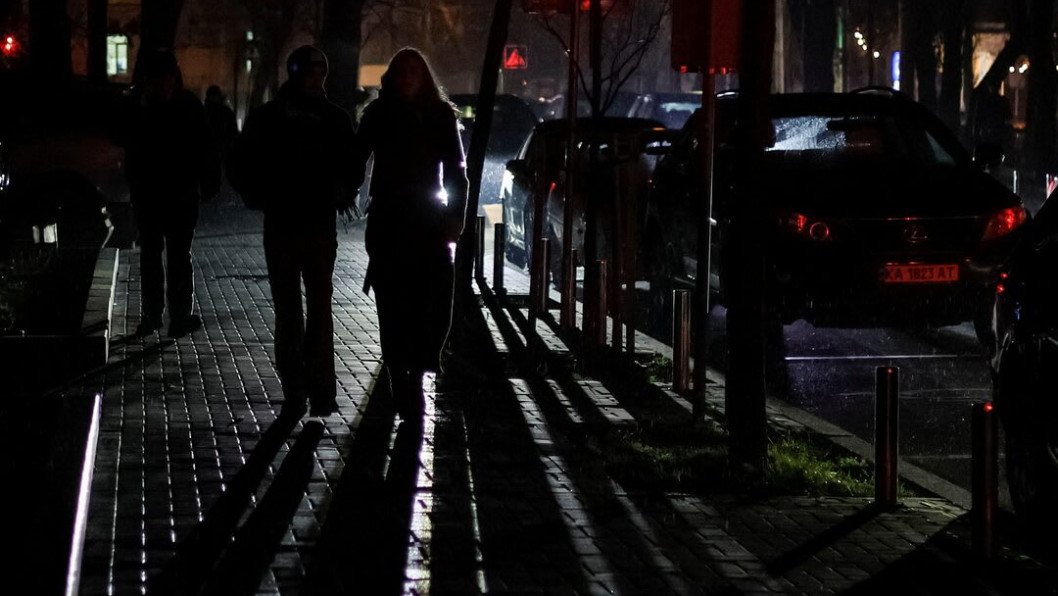
Consequently, retail businesses created contingency plans, engaged alternative suppliers, and developed decentralized logistics models, which are now receiving further investment.
Zhuk added that online marketplaces face a more difficult challenge because centralized distribution hubs serve as the core of their operational framework.
On August 5, 2026, Russian forces targeted southern Ukraine, striking a grocery delivery truck in central Kherson with an FPV drone and damaging a civilian shelter in Odesa.
In Kherson, an enemy drone hit a vehicle delivering food to a local ATB supermarket around 10:00 a.m., causing a fire that completely destroyed the truck and its cargo.
Meanwhile, in Odesa, Russian forces launched supersonic anti-ship and anti-radar missiles, while Ukrainian air defense forces shot down or suppressed 17 Shahed-type attack drones and 87 other unmanned aerial vehicles over the region.
Discuss this article:



-72b63a4e0c8c475ad81fe3eed3f63729.jpeg "Photo of Cyril Barabaltchouk")