- Category
- War in Ukraine
Ditching Kinzhals? How Russia Is Adapting to Boost Other Ballistic Missiles
 Prefer U24 Media on Google
- Authors

-c439b7bd9030ecf9d5a4287dc361ba31.jpg "Photo of Katherina Popilnichenko")
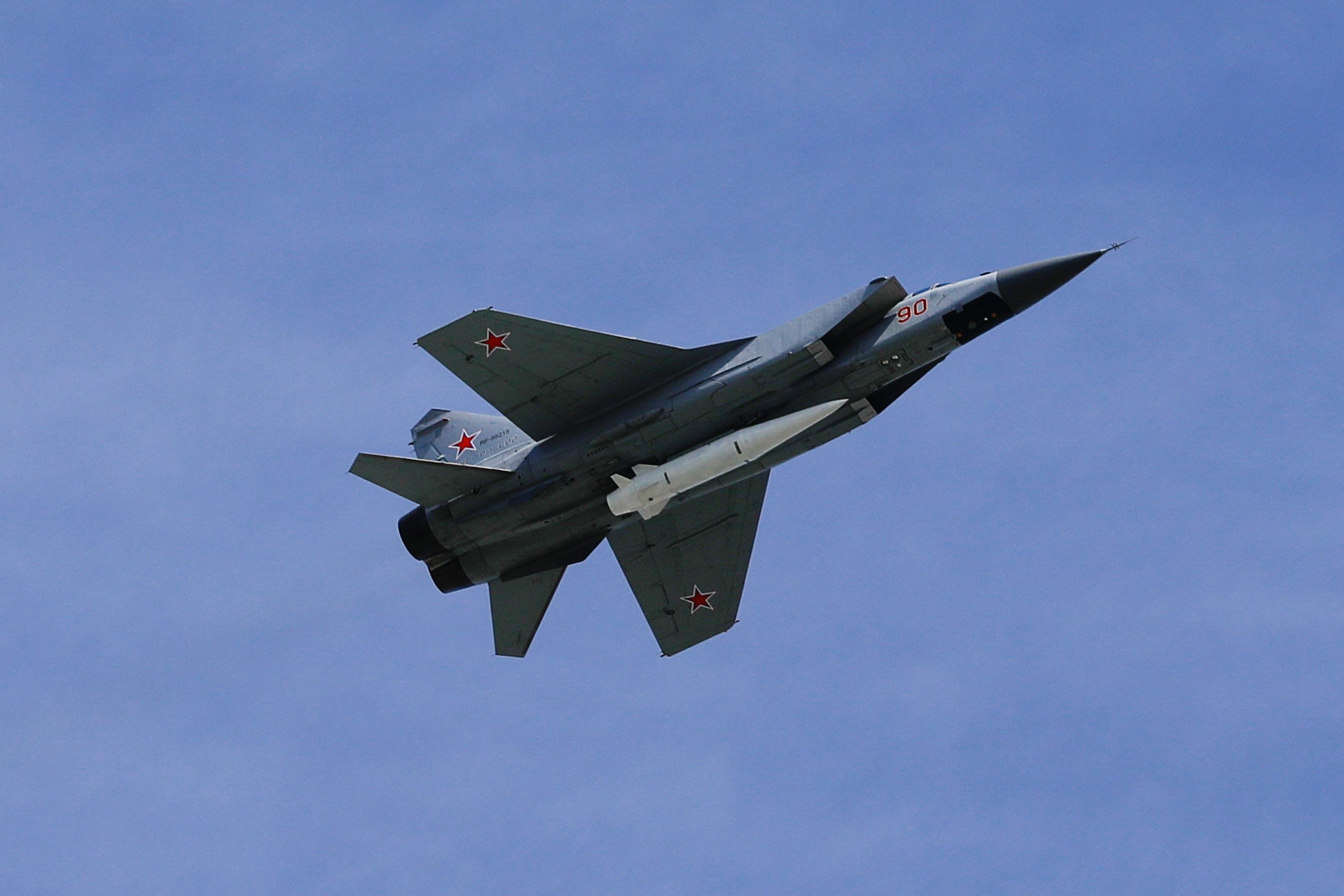
Russia has managed to increase its output of ballistic missiles, primarily by halting the manufacturing of Kh-47 Kinzhal missiles, according to RBC-Ukraine’s interview with Vadym Skibitskyi, deputy chief of Ukraine's Main Intelligence Directorate (HUR) on August 10.
Rocket fuel previously designated for the Kinzhal is now being reallocated to other ballistic missile systems.
We bring you stories from the ground. Your support keeps our team in the field.
Ukraine’s defense intelligence has observed this operational shift since April 2026, alongside a similar freeze on the production and deployment of Kh-32 air-launched missiles, an upgraded variant of the Kh-22.
The reallocation of resources reflects a broader strategic pivot by Russian defense manufacturers toward weapon systems deemed more effective during Russia’s full-scale invasion of Ukraine.
Skibitskyi noted that Russian forces attempted to enhance the accuracy of the Kh-32, but combat trials revealed those efforts were unsuccessful.
Consequently, the missiles were sent back for further design modifications, and serial manufacturing was placed on hold. A similar set of technical shortcomings led to the decision regarding the Kinzhal.
"They have similar issues with the Kinzhals. We can hardly recall an instance where this missile hit its target accurately. For an effective missile, the deviation from the target should not exceed 5–7 meters, but theirs is 30 meters or more," emphasized the deputy chief of HUR.
Moscow is now prioritizing weapons that consistently reach their intended targets and for which steady supply chains remain available.
"And this is logical: if there are certain types of missiles that reach their targets, they increase their production. In addition, they focus on manufacturing systems for which they have available components," Skibitskyi explained.
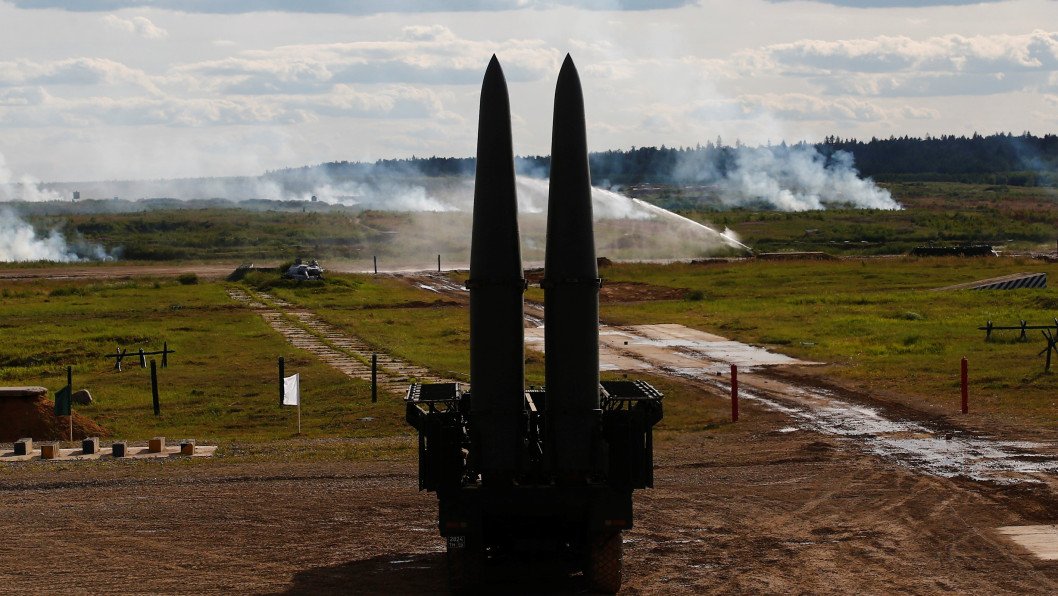
Russia fulfilled its annual production target for Zircon and Oniks missiles ahead of schedule, manufacturing 33 Zircon and 60 Oniks missiles during the first seven months of 2026, according to Vadym Skibitskyi, deputy chief of Ukraine’s Main Intelligence Directorate (HUR).
Moscow completed the production goals set under its state defense procurement program as of August 3.
Although both systems were originally developed as anti-ship weapons, Russian forces adapted and modernized them to strike ground targets across Ukraine during Russia's full-scale invasion of Ukraine.
Discuss this article:
-9a7b3a98ed5c506e0b77a6663f5727c5.png)