- Category
- World
Russia Continues Missile Production Using New Foreign and Belarusian Components
 Prefer U24 Media on Google
- Authors

-c439b7bd9030ecf9d5a4287dc361ba31.jpg "Photo of Katherina Popilnichenko")
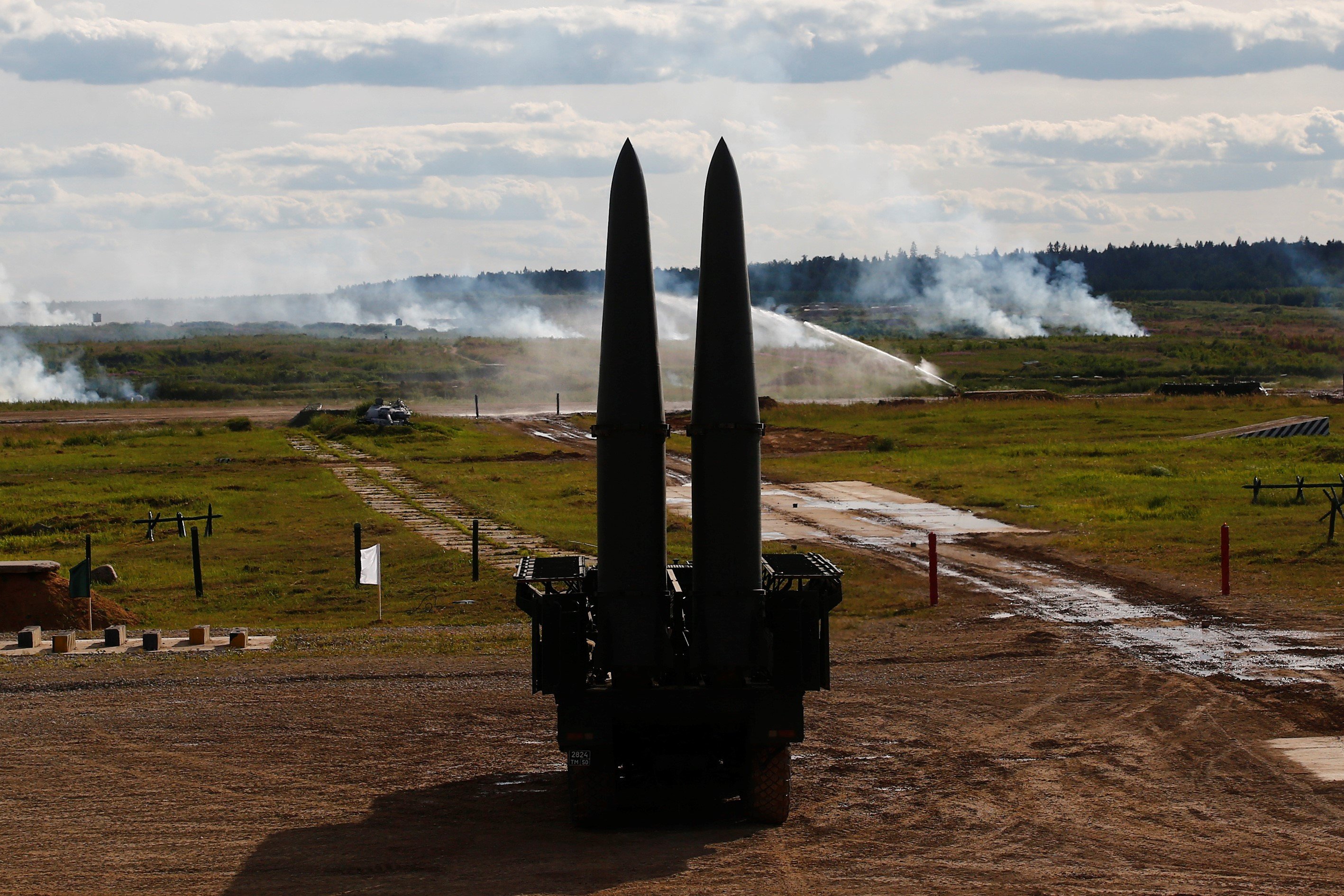
Russia is maintaining its domestic missile production lines by combining advanced foreign electronics with domestic and Belarusian hardware.
Recent analyses of a cluster-variant Iskander-M and an Oreshnik ballistic missile used in an attack near Bila Tserkva on May 24, 2026, confirm that the Kremlin still bypasses international trade restrictions to source cutting-edge components, according to Suspilne News on July 17.
We bring you stories from the ground. Your support keeps our team in the field.
Vladyslav Vlasiuk, the commissioner for sanctions policy of the Office of the President of Ukraine, stated that investigators recovered parts manufactured in the United States, Switzerland, Japan, China, and Belarus from the remnant of the Iskander-M missile. A significant portion of the recovered microelectronics was manufactured recently, between 2024 and 2025.
In contrast, the examined Oreshnik missile contained hardware traced exclusively to Russian and Belarusian manufacturers. Among the identified suppliers were the Belarus-based enterprises Integral and the Transistor plant.
"The conclusion of these studies is that Russian missile production continues to operate. We see fresh components, see the participation of Belarusian enterprises, and see that certain foreign technologies still make their way into Russian weapons. Further international work should be aimed precisely at breaking these supply chains. Ukraine has provided partners with detailed information about manufacturers and serial numbers of components," Vladyslav Vlasiuk said.
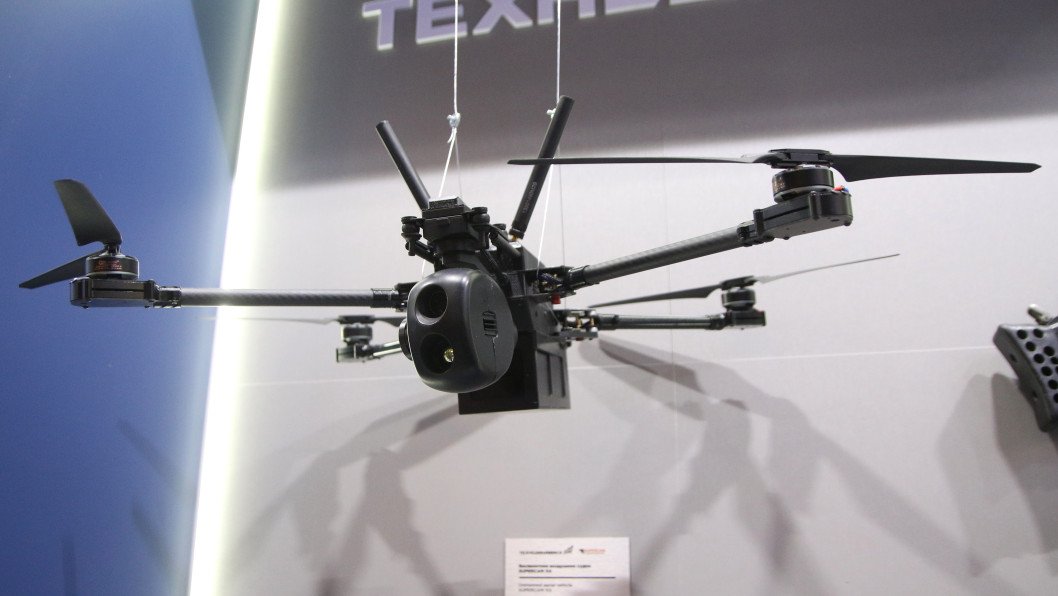
The findings coincide with a fresh wave of economic restrictions from Western allies. Following Russian strikes on Kyiv during the night of July 2, 2026, the Council of the European Union implemented new sanctions on July 17 targeting the Russian military-industrial complex.
As part of the latest restrictions, the EU Council blacklisted the ABS Electro corporate group. The company produces electronic and radio-electronic components utilized in the manufacturing of Russian drones.
During the large-scale overnight attack on July 2, 2026, Russia launched hundreds of drones and dozens of missiles that contained approximately 35,000 foreign-manufactured components, primarily targeting Kyiv.
Ukraine's Presidential Commissioner for Sanctions Policy, Vladyslav Vlasiuk, stated that these parts included dual-use and civilian products from global brands like Texas Instruments, Intel, and AMD, which were acquired through intermediary procurement networks.
Although Ukraine had repeatedly shared information on the origin of these components with international partners, Vlasiuk argued that some manufacturers and governments had yet to respond decisively to review their export controls.
Discuss this article: