- Category
- Latest news
Russia Replaces Starlink With European-Built Satellites Originally Made by Airbus and Thales
 Prefer U24 Media on Google
- Authors


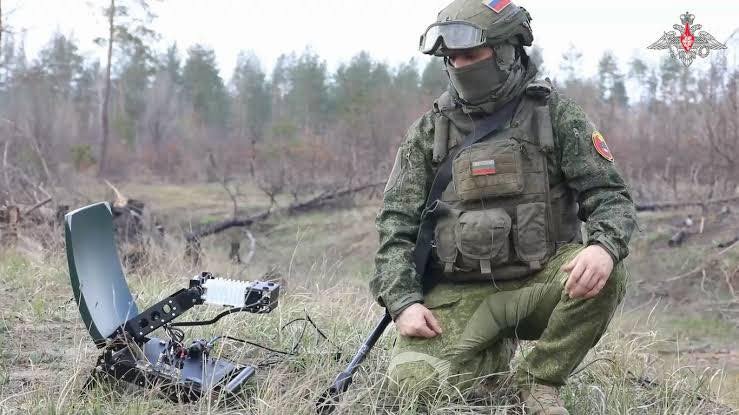
Russia is increasingly using a new generation of satellite communication terminals to reduce reliance on systems like Starlink, connecting them to satellites originally built by European companies Airbus and Thales.
We bring you stories from the ground. Your support keeps our team in the field.
According to Defense Express on April 6, the deployment of compact “Sprint-030” satellite terminals by Russian forces has expanded in recent months.
The system is described as significantly smaller than traditional terminals and is designed to provide satellite internet access via Russia’s existing orbital infrastructure.
The outlet reports that these terminals are compatible not only with the better-known “Yamal” satellite network but also with the “Express” series of Russian telecommunications satellites.
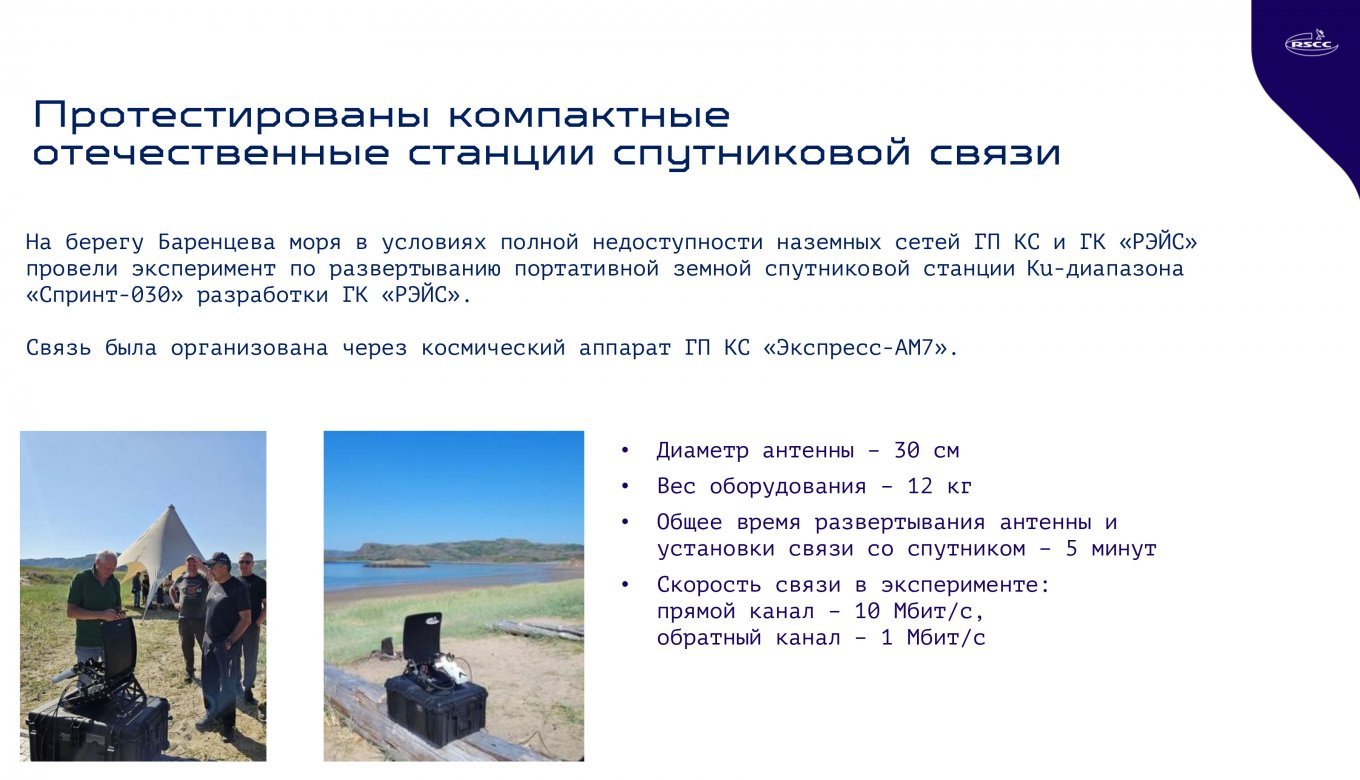
Information published by the terminal’s developer, the Russian company “GK REIS,” indicates that tests conducted in July 2024 demonstrated connectivity via the Express-AM7 satellite, achieving download speeds of up to 10 Mbps and upload speeds of 1 Mbps.
According to Defense Express, the Express-AM7 satellite was manufactured by Airbus using the Eurostar-3000 platform and launched into geostationary orbit in 2015. It is part of the satellite constellation operated by Russia’s state-owned enterprise “Kosmicheskaya Svyaz.”
The report further states that multiple operational satellites within the “Express” series were either built directly by Airbus or include telecommunications payloads produced by Thales Alenia Space.
These include satellites launched between 2009 and 2021, such as Express-AM44, Express-AT2, Express-AM8, Express-AMU1, Express-80, Express-103, Express-AMU3, and Express-AMU7.
According to Defense Express, Airbus and Thales were involved in these projects under contracts with the Russian government, including after 2014. It remains unclear whether the companies currently retain any technical control or influence over the satellites already in orbit.
The reported shift comes as Russia seeks to develop alternatives to Western satellite communication systems. The use of existing geostationary satellites, combined with newly deployed terminals, suggests an attempt to expand battlefield connectivity without relying on external providers.

Earlier, Russian forces had relied on unauthorized access to Starlink terminals obtained through third-party supply chains to support battlefield communications and drone operations. Ukraine, in coordination with SpaceX, introduced technical restrictions that disabled a significant portion of these terminals by limiting access to registered users.
The impact on Russian units was immediate, with operations disrupted following the loss of secure communication channels. Ukrainian military sources reported a decline in coordination efficiency, while Ukraine’s Defense Ministry adviser Serhiy Beskrestnov said the restrictions created a “catastrophe” for Russian forces on certain sections of the front.
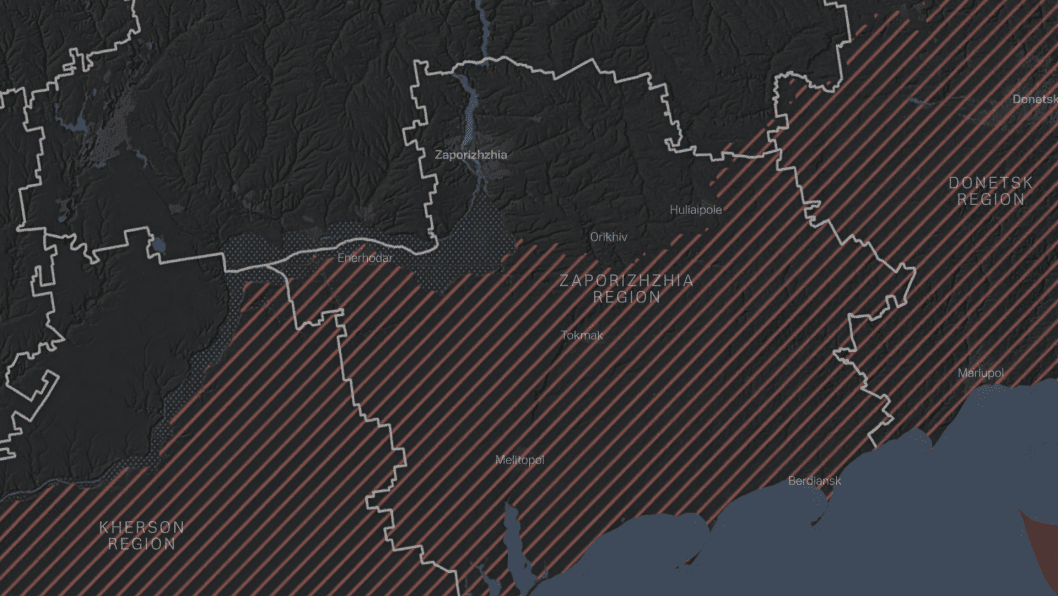
Russian troops had been using thousands of such terminals prior to the restrictions. Following their deactivation, units were forced to switch to alternative systems, including legacy satellite networks, which offer lower speeds and less stable connectivity.
At the same time, Ukrainian forces reported continued territorial gains across multiple sectors. Official updates indicated the liberation of hundreds of square kilometers, as improved coordination and strikes on command-and-control infrastructure—including communication nodes—reduced Russia’s ability to synchronize drone and ground operations.
Discuss this article:
-9a7b3a98ed5c506e0b77a6663f5727c5.png)