- Category
- World
Kallas Warns that US, China, and Russia Are Seeking to Divide the EU
 Prefer U24 Media on Google
- Authors

-72b63a4e0c8c475ad81fe3eed3f63729.jpeg "Photo of Cyril Barabaltchouk")
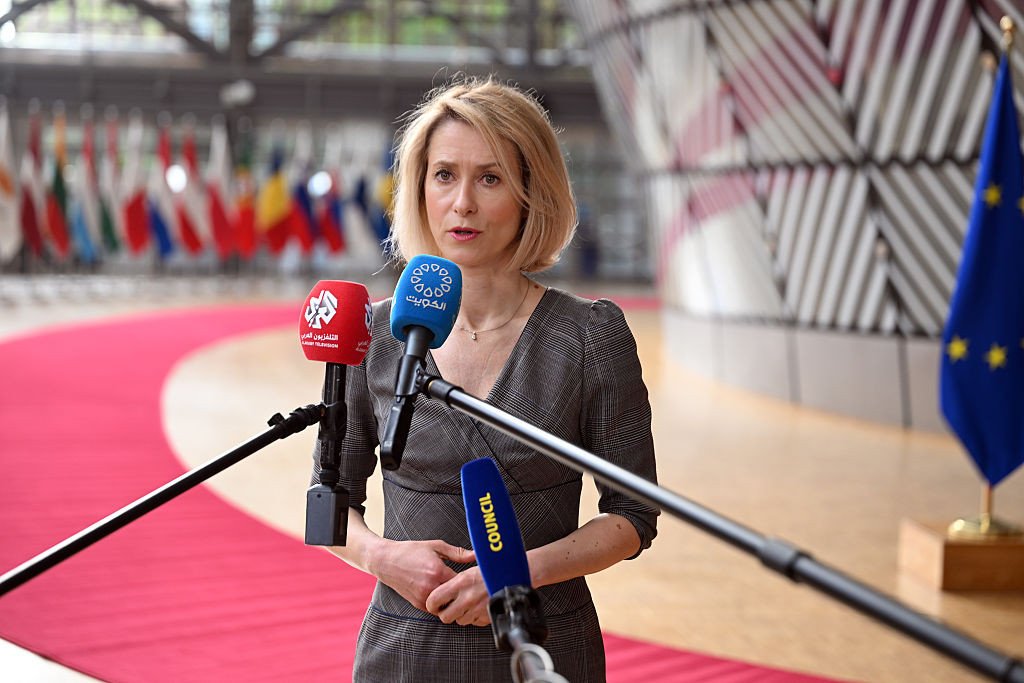
EU foreign policy chief Kaja Kallas warned that the United States, China, and Russia are actively seeking to divide the European Union because a unified bloc presents a formidable geopolitical rival, Politico reported.
Speaking at the Lennart Meri Conference in Tallinn, Kallas urged EU member states to resist pursuing bilateral agreements with Washington, characterizing the Trump administration’s approach to European diplomacy as a “divide-and-conquer” strategy, according to the outlet.
We bring you stories from the ground. Your support keeps our team in the field.
“They don’t like the European Union, that’s very clear,” Kallas stated, as quoted by Politico. “But we need to understand why they don’t like the EU; why China doesn’t like the EU, why Russia doesn’t. It is because if we stick together, if we operate together, then we are equal powers, we are strong.”
The publication noted that Kallas expressed concern that the strategy of bypassing Brussels to deal with individual, smaller countries is proving successful. Following US President Donald Trump’s return to office, several EU nations have attempted to establish independent diplomatic channels.
Notably, Italian Prime Minister Giorgia Meloni attempted to position herself as an intermediary before the strategy collapsed following Trump’s public criticism of Pope Leo XIV, Politico highlighted.
“I’m very worried, because I sometimes also see countries going down that lane. The dividing is actually working,” Kallas said, emphasizing to attendees that foreign powers want to “dismantle” the bloc because it is stronger collectively.
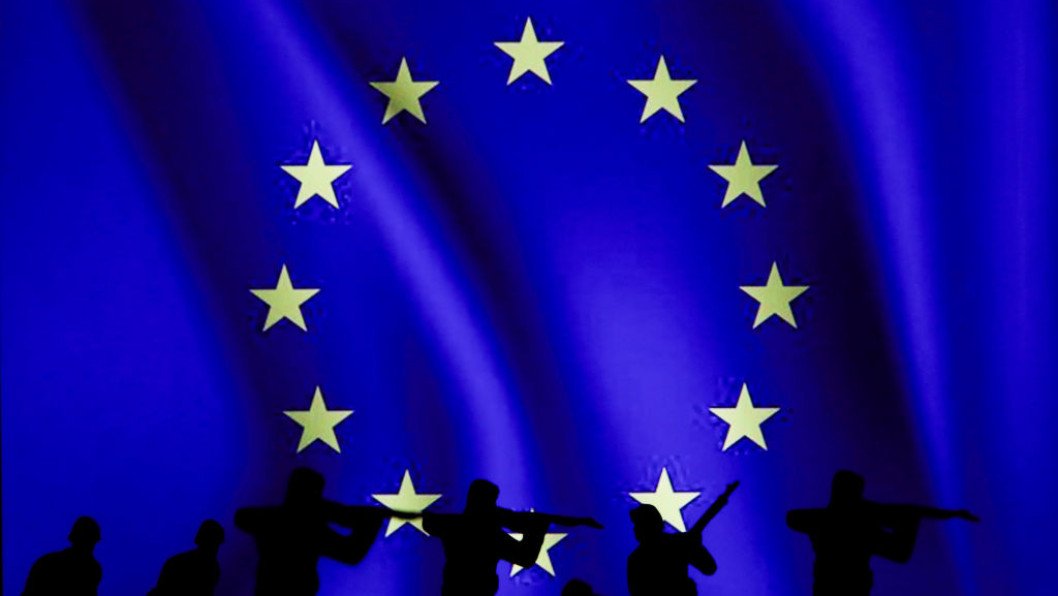
Addressing the EU’s economic relationship with China, Politico reported that Kallas utilized a medical metaphor, stating that Europe has diagnosed the problem but has not agreed on a cure. She outlined two paths: increasing “morphine” through state subsidies to industries, or initiating “chemotherapy” by deploying the EU’s strategic trade tools.
The latter approach would involve utilizing foreign direct investment regulations, adjusting public procurement rules, and diversifying critical raw material supplies. However, Kallas acknowledged that deploying these tools would invite immediate economic retaliation from Beijing.
“It will be painful to use the tools… because then there’s going to be retaliation,” she noted in her remarks cited by Politico. “We are not there yet, and I’m worried that eventually also the rich countries will run out of taxpayers' money to subsidize and we haven’t dealt with the underlying problem.”
European leaders have recently called for independent security structures following policy disagreements with Washington over collective defense. US President Donald Trump had previously stated he is considering withdrawing from NATO after European nations declined to participate in naval operations in the Strait of Hormuz during the US-Israeli war on Iran.
Spanish Foreign Minister Jose Manuel Albares responded to the current US position by stating that the EU must integrate its defense industries and advance toward establishing a pan-European army to achieve strategic autonomy.
Discuss this article:



-c439b7bd9030ecf9d5a4287dc361ba31.jpg "Photo of Katherina Popilnichenko")

-111f0e5095e02c02446ffed57bfb0ab1.jpeg "Photo of Roman Kohanets")