- Category
- World
Russian Military Offices Expand Tracking Capabilities to Target Civilian Residences
 Prefer U24 Media on Google
- Authors

-c439b7bd9030ecf9d5a4287dc361ba31.jpg "Photo of Katherina Popilnichenko")
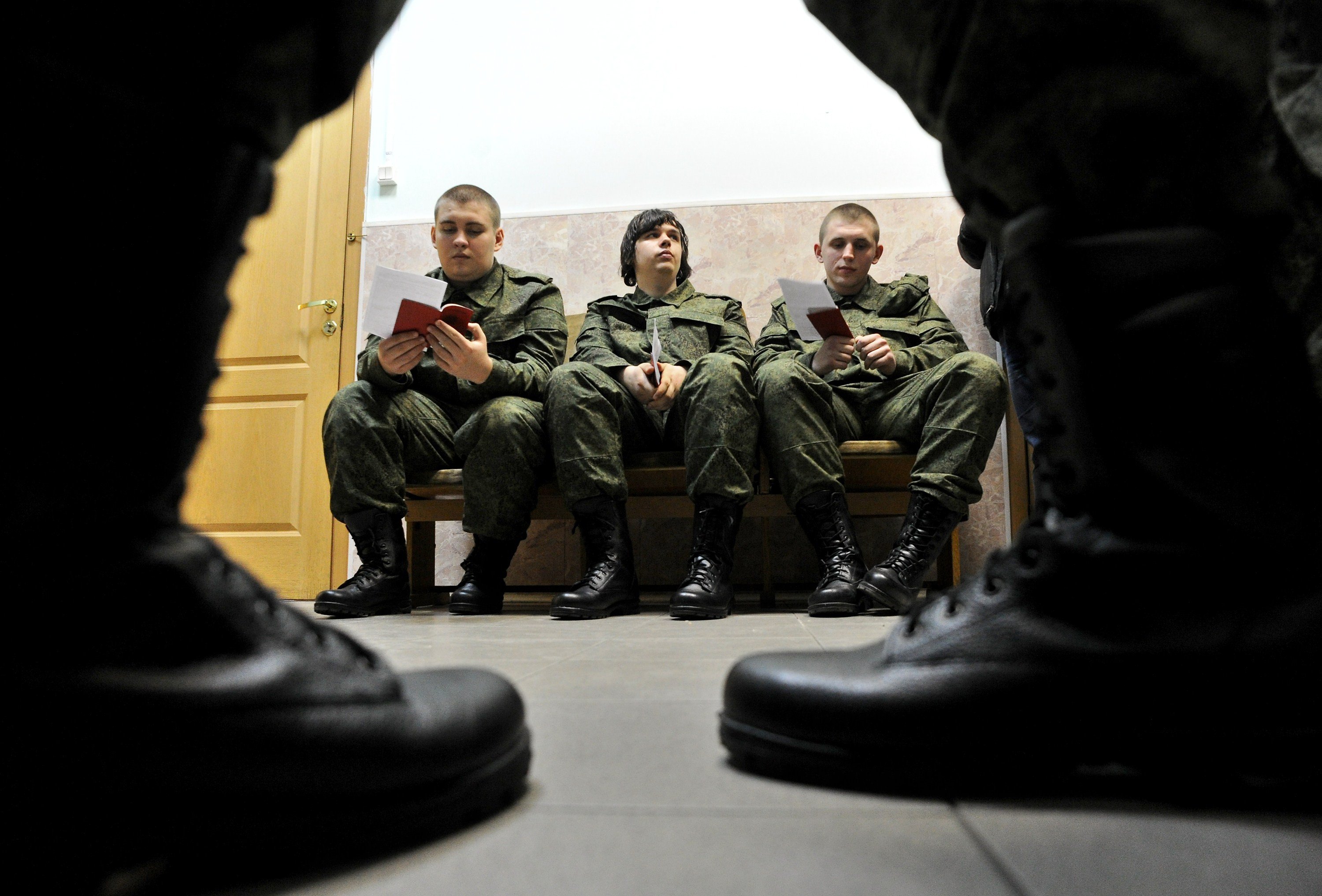
Russian enlistment offices are now accessing the actual residential addresses of men across the country, moving beyond the traditional records of official legal registration.
Rights group “School of Conscripts” reports that the military registry has begun displaying real-time living locations for individuals who never disclosed this information to authorities, according to The Moscow Times on June 8.
We bring you stories from the ground. Your support keeps our team in the field.
In one instance, a draftee registered in the Murmansk region discovered his current rental address in Tatarstan listed in the digital registry.
Another reservist from the Komi Republic saw his actual location in the Leningrad region appear after receiving a notification about data changes via the state-run “Gosuslugi” portal. Human rights activists note that neither these men nor their families provided this information to the military commissioners.
Timofey Vaskin, head of the legal department at “School of Conscripts,” states that it remains unclear exactly how the registry obtains this data. He suggests that once a residential address is entered into any state or quasi-state system, such as records from a medical clinic or traffic police, it may become accessible to military offices.
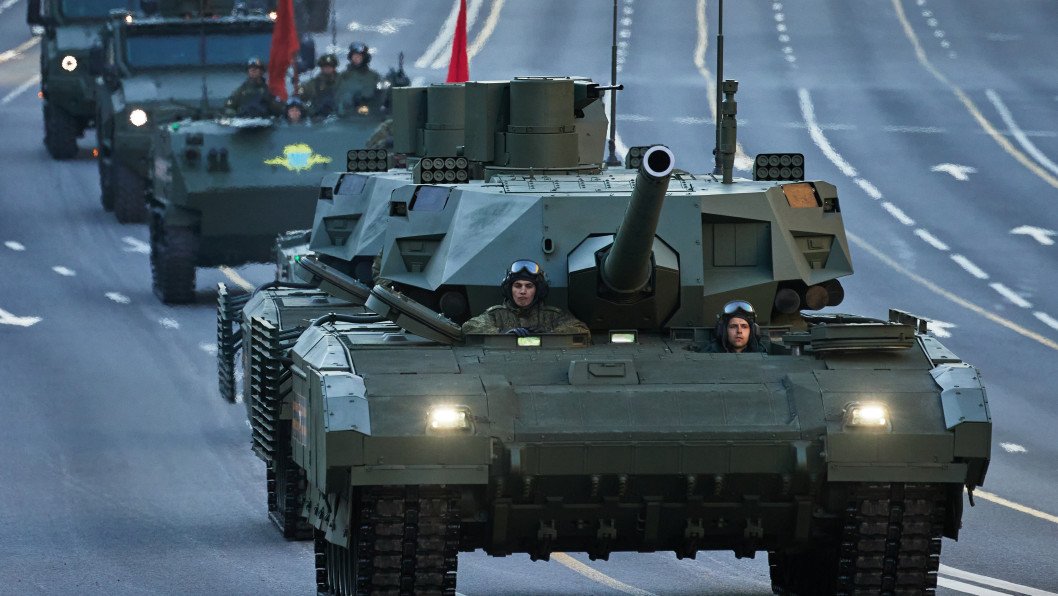
Activists warn that the registry’s functionality is evolving rapidly, making it increasingly difficult for citizens to avoid being tracked. By law, Russian citizens are required to report moves even without formal registration and must register at their new place of residence.
The push to consolidate residential data occurs amid widespread speculation regarding a potential new wave of mobilization. Earlier in June, The Washington Post reported that the Kremlin might be forced to initiate a second mobilization if high casualties in Russia’s full-scale invasion of Ukraine continue.
European Union diplomat Kaja Kallas suggested that Russia might need an escalation with NATO to justify such a move.
Russian citizens were increasingly issued “mobilization orders” when they visited military enlistment offices under the guise of updating their personal data in early 2026.
While the stated reason for these summonses was usually to “clarify data” or undergo medical examinations, officials used the physical presence of the conscripts at the enlistment office to paste mobilization orders into their documents, pressure them into joining the active reserve, or coerce them into signing military contracts.
Discuss this article: