- Category
- World
EU Chief Kaja Kallas on Ukraine Aid, Russian Shadow Fleet Sanctions, and Drone Threats
 Prefer U24 Media on Google
- Authors

-72b63a4e0c8c475ad81fe3eed3f63729.jpeg "Photo of Cyril Barabaltchouk")
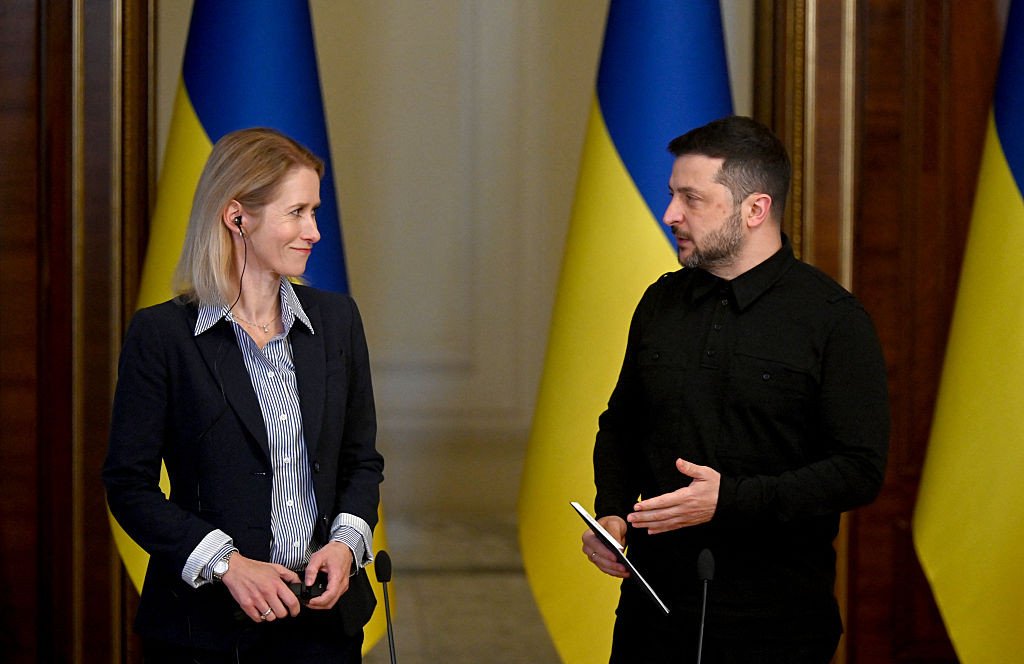
The EU’s High Representative for Foreign Affairs and Security Policy, Kaja Kallas, addressed the press upon her arrival at the informal meeting of Defence Ministers in Nicosia, Cyprus, on June 8.
Kallas outlined a packed agenda focusing on critical security issues ranging from support for Ukraine to escalating tensions in the Middle East.
We bring you stories from the ground. Your support keeps our team in the field.
Supporting Ukraine and integrating defense industries
The primary focus of the meeting is to discuss avenues to increase aid to Ukraine and to foster stronger cooperation between European and Ukrainian defense industries. Kallas emphasized that ministers are reviewing multiple proposals to advance this cooperation. During the Q&A session, she noted the importance of utilizing Ukrainian expertise, particularly in drone technology.
“The discussions will also be about the Ukrainian defence industry cooperating with European industry, because they have the knowledge when it comes to the drones, and we should not [re]invent the bicycle,” she stated
A significant breakthrough announced by Kallas was the progress toward unblocking €6.6 billion ($7.6 billion) from the European Peace Facility (EPF). “What we are stressing all the time is that the urgent needs of Ukraine need to be the utmost priority, because they need to defend themselves and their air defence system most importantly,” Kallas stressed.
This development follows the appointment of a new Hungarian Minister, Peter Magyar. The discussions surrounding the EPF funds will center on finding a balance between providing direct aid to Ukraine and reimbursing member states for their past contributions, the original purpose of the facility.
Kallas confirmed a compromise proposal has been tabled, though a timeline for final approval remains uncertain. When questioned about restrictions on the funds, Kallas reiterated that while conditions exist regarding capability purchases and necessary reforms, addressing Ukraine’s urgent defense needs—especially air defense—remains the utmost priority.
Addressing the Middle East and maritime security
The agenda also addresses the recent escalation in the Strait of Hormuz. “Over the night, we have seen escalation again. I think the region does not need escalation, but actually that parties sit down to a negotiation table and agree,” Kallas stated.
She announced that freedom of navigation sanctions against Iran will be applied for the first time. The ministers will also discuss expanding Operation ASPIDES in the region.
Kallas noted that while the EU can assist with escorting ships post-ceasefire, achieving an immediate ceasefire is the critical first step before addressing complex issues like nuclear concerns.
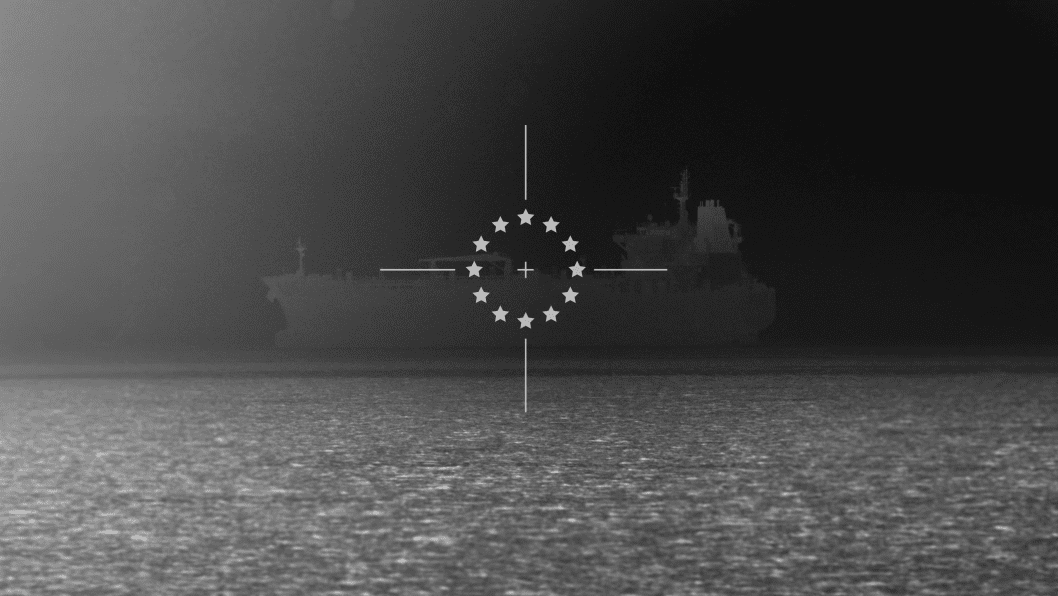
Furthermore, the ministers will address maritime security and the threat posed by the “Shadow Fleet”. Kallas reported that Operation IRINI has updated its rules of engagement and initiated ship boardings. The goal is to share best practices among member states to mitigate the dangers posed by these vessels and to disrupt Russia’s war funding.
Sanctions evasion and the push for peace
During the Q&A, Kallas was questioned about reports of Ireland supplying large quantities of alumina to Russia, a trade currently not under sanctions. She responded firmly, arguing that any trade benefiting Russia’s military funding must be addressed creatively to end the war. Kallas suggested that placing such trade under sanctions should be considered, reiterating that “If there is a thought that some of us still benefit from trading with Russia at the same time, when it is actually making it easier for them to fund this war, then this war will never stop.”
Regarding potential peace negotiations between Ukraine and Russia, Kallas emphasized the necessity of a ceasefire as a prerequisite for talks. She stated that while Europe must encourage dialogue, core European security interests—including those related to sanctions relief and frozen assets—must be respected in any agreement. Kallas observed no direct willingness from Russia to negotiate, pointing instead to escalating attacks.
She urged strategic patience, asserting that the EU should not act as “demandeurs” but should increase pressure and support for Ukraine until Russia is ready to engage in meaningful dialogue.
“We also need to have more strategic patience that we are not the demandeurs, but actually Russia needs to talk to us, because they also want to end this war. And let us start with a ceasefire,” Kallas stated.
-7842c8251d0220bbf9acd6eec2e05490.jpg)
European security strategy and the Armenian election
The meeting also includes discussions on the larger European Security Strategy and its future direction. However, Kallas noted that due to the informal nature of the meeting, not all topics might be fully addressed.
In a brief aside, Kallas commented on the recent elections in Armenia. She praised the strong voter turnout and interpreted the results as a sign that the Armenian people, despite significant Russian pressure, have chosen a “European future”. She pledged continued support for Armenia’s future reforms.
“It looks like now that Armenia’s people, although under heavy Russian pressure, still chose to have a European future, which is a good thing,” she said.
This initiative to engage Europe in peace negotiations builds on recent high-level diplomatic coordination. Just days prior, French President Emmanuel Macron had announced that the E3—consisting of France, Germany, and the United Kingdom—would convene with Ukrainian President Volodymyr Zelenskyy to establish a framework for potential peace talks.
Following Zelenskyy’s open letter to Vladimir Putin suggesting direct bilateral negotiations, Macron emphasized that European nations must have a seat at the table to ensure that the continent’s core security interests are protected in any future ceasefire or peace plan.
Discuss this article:

-c439b7bd9030ecf9d5a4287dc361ba31.jpg "Photo of Katherina Popilnichenko")
-111f0e5095e02c02446ffed57bfb0ab1.jpeg "Photo of Roman Kohanets")