- Category
- World
Russians Transfer Record 600 Billion Rubles to Foreign Brokers to Move Capital Abroad
 Prefer U24 Media on Google
- Authors

-72b63a4e0c8c475ad81fe3eed3f63729.jpeg "Photo of Cyril Barabaltchouk")
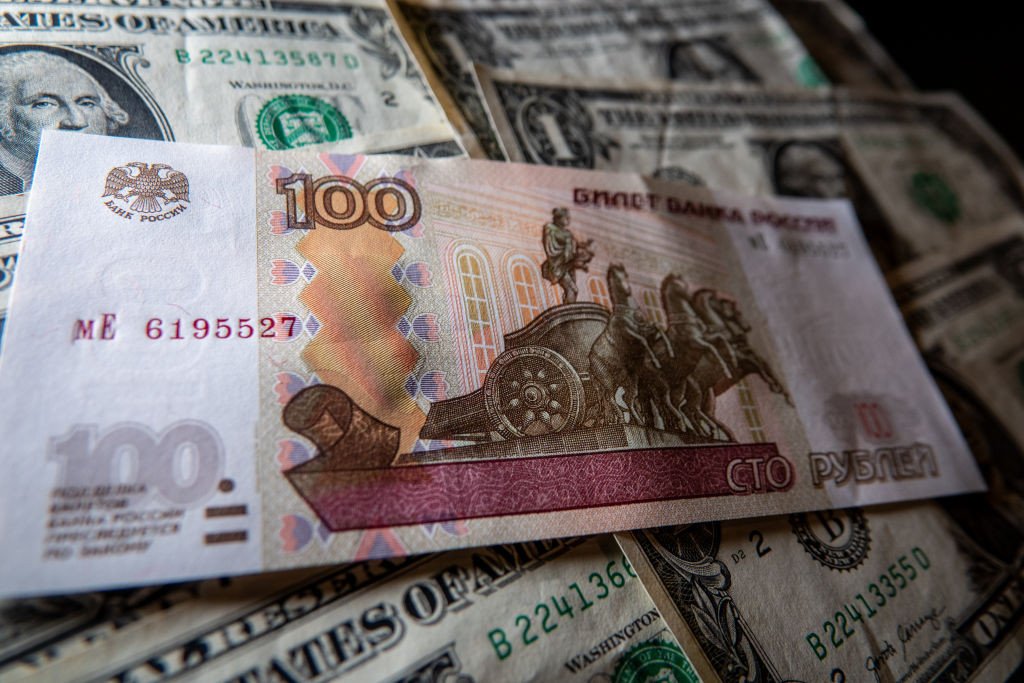
Russian households transferred nearly 600 billion rubles ($7.2 billion) to foreign brokerage accounts between December 2024 and June. It exceeded total transfers recorded over the previous seven years combined as citizens increasingly turn to alternative financial channels to move capital abroad, according to Russian Central Bank data reported by The Moscow Times on August 10.
The exodus of funds abroad reflects a structural breakdown within Russia’s financial network. The Russian banking system had recently endured five consecutive months of heavy cash withdrawals totaling over $24.48 billion, with top financial executives warning that citizens are permanently locking up paper savings in physical hoards rather than reinvesting in local banks.
We bring you stories from the ground. Your support keeps our team in the field.
The surge in transfers averaged between 42.3 billion ($512 million) and 45.5 billion rubles ($551 million) per month from April through June. It highlighted a fundamental shift in how Russian capital exits the country amid tightening international restrictions.
Industry estimates indicate that roughly 40% of these transactions constitute direct capital flight, with three-quarters of those funds serving as “parking solutions.” Under this arrangement, foreign brokerage accounts substitute for conventional foreign-currency bank accounts, according to analysis cited by The Moscow Times.
This migration toward brokerage accounts has been accelerated by intensifying Western sanctions and escalating scrutiny from international commercial banks, particularly following the European Union’s decision to add Russia to its high-risk anti-money laundering blacklist.
Opening a foreign brokerage account remains significantly easier than establishing a conventional bank account, effectively transforming foreign brokers into quasi-banking channels. Though major European firms like Scalable Capital have recently begun notifying Russian clients of impending account closures, The Moscow Times detailed.
To circumvent these hurdles, Russian investors frequently route transfers through intermediaries in Eurasian Economic Union (EAEU) member states—primarily Kazakhstan and Armenia—or Cyprus before attempting to move funds onward to European financial institutions.
Alongside the capital flight, the strategy is driven by an urge to hedge against domestic market risks, as the Moscow Exchange Index has dropped over 40% since 2022 and more than 1.5 million Russian investors remain locked out of an estimated one trillion rubles in frozen foreign assets, according to figures highlighted by The Moscow Times.
Capital flight is being further accelerated by compounding volatility across domestic financial markets. Falling oil revenues and domestic energy deficits have previously triggered a 10.8% fall in the ruble’s exchange rate, prompting Russian entities and households to systematically acquire foreign currency assets to hedge against inflation.
Discuss this article:
-4a56a6b482ec132402c16ef6fcabf9a2.png)


-c439b7bd9030ecf9d5a4287dc361ba31.jpg "Photo of Katherina Popilnichenko")