- Category
- World
Russian Ruble Suffers Sharpest Drop Since 2022 as Drone Strikes Trigger Fuel Crisis
 Prefer U24 Media on Google
- Authors

-72b63a4e0c8c475ad81fe3eed3f63729.jpeg "Photo of Cyril Barabaltchouk")
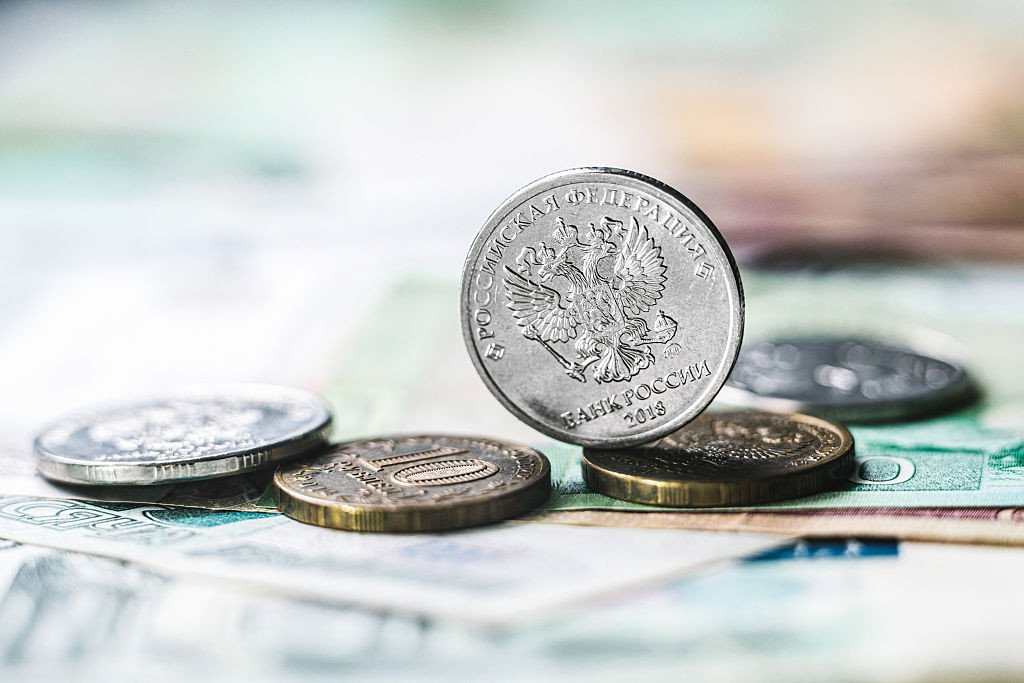
The Russian currency market concluded June 2026 with its sharpest monthly decline in nearly four years, The Moscow Times reported on June 30.
Over the course of the month, the Chinese yuan rose against the national currency by 10.8% to finish at 11.62 rubles ($0.15) after starting at 10.48 rubles ($0.13), marking its largest single-month gain since December 2022. The Moscow Times reported that the US dollar also increased by 10.75% on the over-the-counter market, climbing from 70.86 rubles ($0.91) to 78.69 rubles ($1.01), while the euro grew by 8.3% to reach 89.8 rubles ($1.15).
We bring you stories from the ground. Your support keeps our team in the field.
This volatility occurred despite aggressive monetary interventions implemented by the Kremlin, including a central bank key interest rate of 14.25% meant to anchor the economy against an official inflation rate of 5.9%. A currency dealer at a major Russian bank noted that a significant spike in demand for foreign exchange emerged as entities rushed to purchase currency to pay for forced gasoline imports amid widespread domestic fuel shortages.
The financial downturn mirrors the domestic fallout of recent disruptions to the state’s energy sector. “The market was influenced by more active Ukrainian strikes on Russian oil refineries, queues at gas stations, and general pessimism regarding the end of the conflict,” Finam leading analyst Alexander Potavin noted, according to the publication.
The sustained Ukrainian long-range drone campaign has crippled critical infrastructure deep inside Russian territory, knocking out approximately 25% of the country’s total refining capacity and cutting domestic gasoline production. To cope with this massive domestic deficit, the Kremlin has been forced to pursue costly emergency imports of foreign gasoline, which has driven a massive run on foreign currencies and destabilized the ruble.
-44c925e1fe4bfba894eb6248de861461.jpg)
Potavin added that falling domestic stock and bond prices, coupled with Russian Urals crude dipping below $50 per barrel following the conclusion of the war in Iran, prompted citizens and businesses to acquire foreign currency as a protective asset. Ivolga Capital CEO Andrey Khokhrin warned that monetary control over the economy appears to be weakening, threatening a further spiral for the national currency.
External economic factors are expected to compound the strain on the national currency. The Moscow Times highlighted that the United States chose not to renew a specific license for the sale of Russian oil, which analysts warn will expand the discount on Urals crude and further reduce export revenues. Emergency gasoline purchases alone are projected to add 1–2 rubles ($0.01–$0.03) to the value of the dollar.
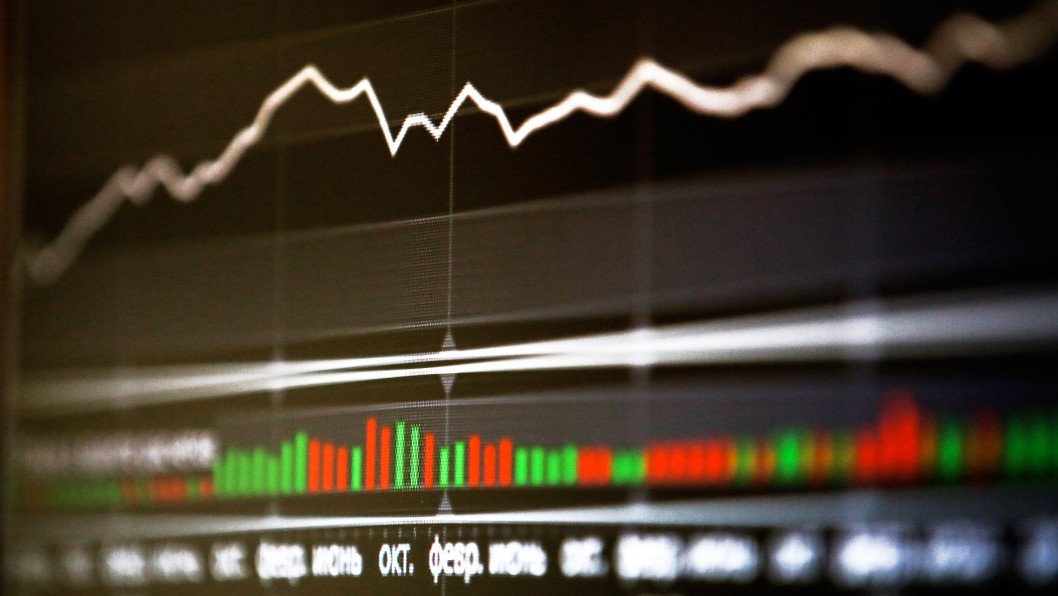
Long-term commercial banking projections cited in the report indicate that these intersecting factors will heavily impact the state’s trade balance. Alfa-Bank analysts forecast that the US dollar could rise to 87 rubles ($1.12) by the end of the year, with long-term projections indicating the currency could reach 95 rubles ($1.22) in 2027, The Moscow Times wrote.
The widening deficit and mounting pressure on the national currency reflect a wider strain on Russia’s public finances. According to a recent analysis, Russia had directed nearly every second ruble from its federal budget toward military-related spending during the first quarter of 2026.
This record surge pushed defense expenditures to 5.9 trillion rubles ($75 billion)—consuming nearly two-thirds of all government revenue during those three months—and ultimately drove the country’s cumulative federal budget deficit to approximately 6 trillion rubles ($76.4 billion) by the end of May.
Discuss this article:
-4a56a6b482ec132402c16ef6fcabf9a2.png)


-111f0e5095e02c02446ffed57bfb0ab1.jpeg "Photo of Roman Kohanets")

-a0d157e1f6f04033b54a1b71f05dabe3.jpg "Russia’s Military Is Expanding Across Africa. Suspiciously, So Is Its Church")