- Category
- War in Ukraine
11 Refineries, 8 Defense Plants, Space Comms Centers: Ukraine Reveals Scale of June Deep Strike Campaign
 Prefer U24 Media on Google
- Authors


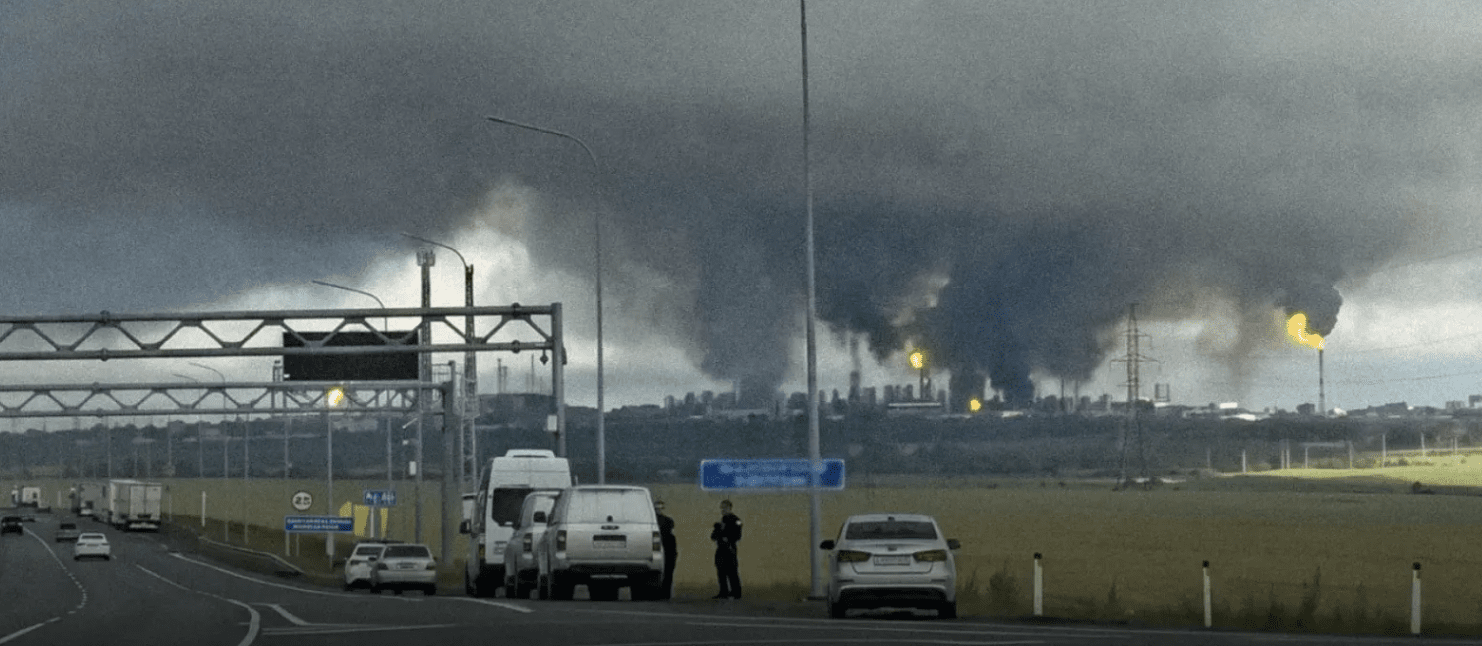
Ukraine’s Defense Forces, as part of their DeepStrike campaign, struck 11 Russian oil refineries, seven fuel logistics facilities, eight military-industrial plants, space communications centres, as well as naval vessels and ferries in June, according to a statement by the Ukrainian Ministry of Defense on July 1.
The ministry said Ukrainian deep strike capabilities reached a maximum successful range exceeding 2,000 kilometres from the state border, underscoring what it described as a systematic effort to degrade Russia’s ability to sustain its war effort.
We bring you stories from the ground. Your support keeps our team in the field.
According to the statement, the strikes were aimed at depriving the Russian military of critical resources, including fuel supplies, communications systems, and weapons production capacity.
Ukrainian forces struck dozens of targets throughout the month, including oil and gas facilities, military-industrial enterprises, communications and space-linked infrastructure, and elements of Russia’s naval logistics network.
Authorities also said operations led to the suspension or severe disruption of several major Russian oil refining facilities.
Oil and fuel infrastructure targeted
In June alone, Ukrainian forces hit 11 Russian oil refineries, according to the Ministry of Defense.
Among the most notable targets was the Antipinsky oil refinery in Tyumen region, struck at a distance of more than 2,000 kilometres, one of the largest refining facilities in Western Siberia with an annual capacity of 7.5–9 million tonnes of crude oil.
The Moscow oil refinery was also hit, damaging key processing units and storage infrastructure. Officials said the facility, which supplies a significant share of fuel to the capital, was forced to halt operations indefinitely.
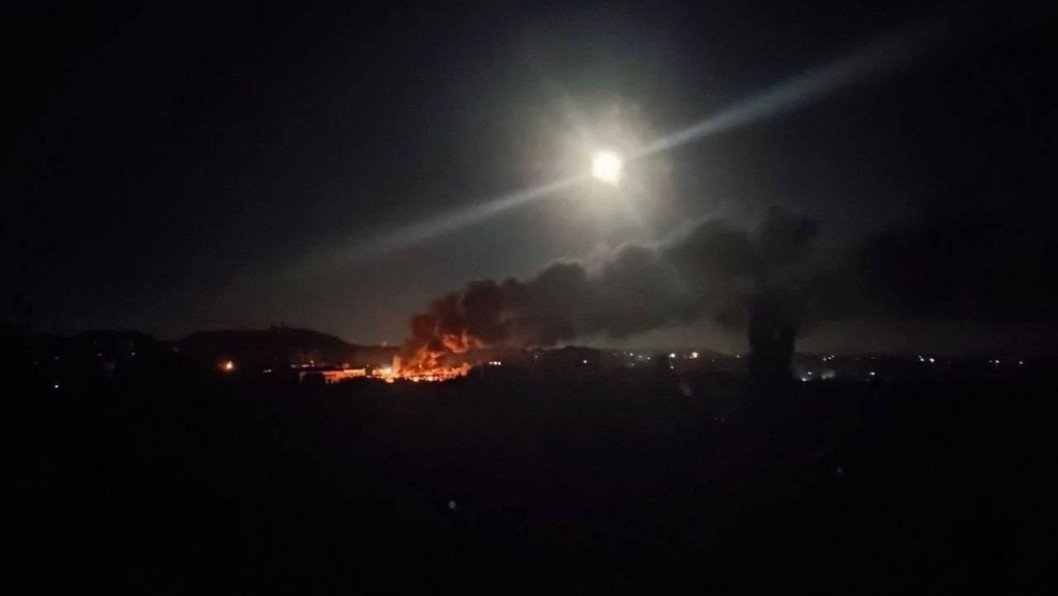
Additional strikes were reported on major refining complexes in Ufa, including Bashneft-Ufaneftekhim and Bashneft-Novoyl, as well as the Orenburg gas processing plant, where multiple processing units were reportedly damaged and operations suspended.
In Tatarstan, the TANЕКO and TAIF-NK refineries were also struck, while the Kuibyshev refinery in Samara and the Yaroslavl refinery sustained damage affecting primary processing systems.
Several facilities in the Krasnodar region were targeted, including the Ilsky, Afipsky and Slavyansky refineries. According to the ministry, storage tanks and processing units were destroyed or damaged, significantly affecting regional fuel supply chains.
Ukrainian strikes also hit key fuel logistics and storage infrastructure, including terminals in Tamanskaya, Novorossiysk, Rybinск, St. Petersburg, and facilities in temporarily occupied Crimea.
Strikes on defense and communications infrastructure
The Ministry of Defense said Ukraine also carried out more than eight confirmed strikes on strategic military-industrial and communications facilities.
Targets included the Titan-Barrikady enterprise in Volgograd, which produces artillery systems and components for Russian missile platforms, and the VNIIR-Progress plant in Cheboksary, which manufactures navigation antennas used in missiles and drones.
In the Moscow region, Ukraine struck the Dubna space communications centre, damaging key antenna systems and command infrastructure used for satellite communications and military coordination. A similar facility in Vladimir region was also reported damaged.
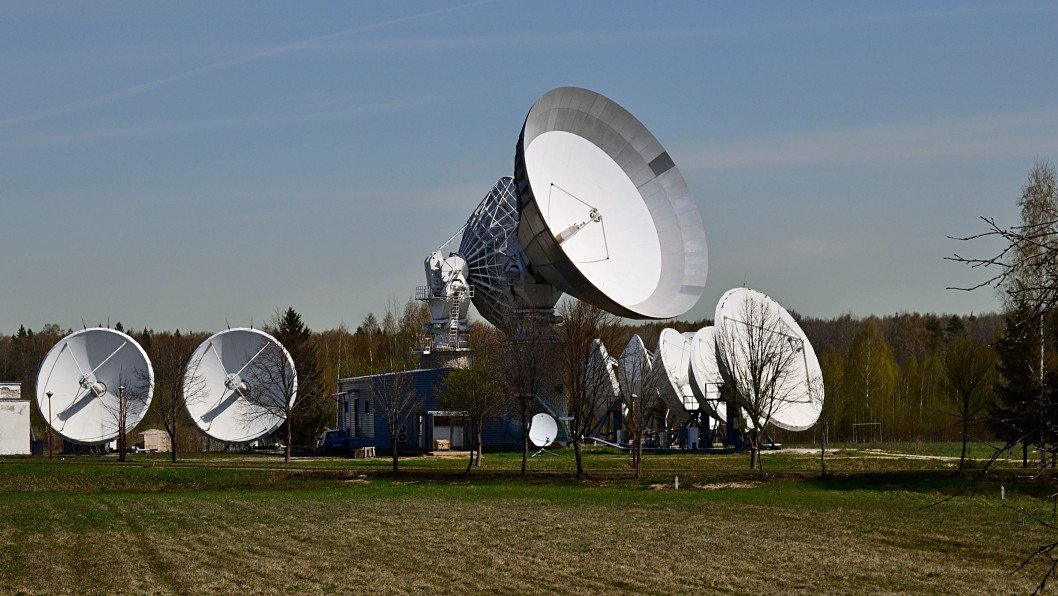
In Voronezh, the VZPP-Micron plant, which produces electronic components for Russian missile systems, was also hit.
Naval and logistics losses
Ukrainian forces also targeted elements of Russia’s naval and maritime logistics network, including a Project 20380 corvette in Kronstadt, a border patrol vessel in the Azov Sea, and two tankers linked to Russia’s so-called “shadow fleet” in the Black Sea.
Port infrastructure and ferry vessels at Port Kavkaz were also struck, further disrupting maritime supply routes.
-4c08d00bd13512dbf4a2d6cd52758b09.jpg)
The strikes form part of Ukraine’s broader effort to disrupt Russian logistics chains, command and control systems, drone coordination infrastructure, and supply lines both in occupied territories and within Russia itself.
According to official reports, Ukrainian President Volodymyr Zelenskyy authorised a 40-day strategic influence operation conducted by the Security Service of Ukraine, designed to increase pressure on Russia to bring its war to an end.
Meanwhile, Ukrainian Defense Forces began July with further long-range strikes reaching deep inside Russia, hitting an oil refinery in Ufa for the second time and a strategic defense-industrial facility in the Penza region, President Volodymyr Zelenskyy confirmed.
Zelenskyy said the attacks formed part of Ukraine’s “sanctions” response to Moscow’s continued refusal to end the war, once again targeting key industrial assets within Russia.
Discuss this article: