- Category
- War in Ukraine
How Deep Ukrainian Strike Drones Bypassed Russian Radars to Clear the Path for Capital Strikes
 Prefer U24 Media on Google
- Authors

-c439b7bd9030ecf9d5a4287dc361ba31.jpg "Photo of Katherina Popilnichenko")
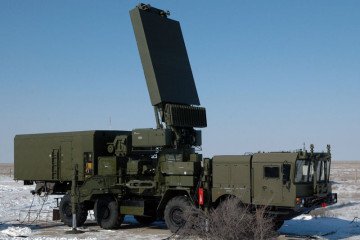
Systematic Ukrainian long-range strikes targeting Russian radar systems in the Bryansk region have opened new operational pathways for long-range strike drones deeper into Russian territory.
The 1st Separate Center of the Unmanned Systems Forces of the Armed Forces of Ukraine reported on June 30 that operators from the "Roni" group have been systematically targeting Russian radar complexes that monitor the airspace leading toward the Russian capital.
We bring you stories from the ground. Your support keeps our team in the field.
According to Ukrainian military personnel, these operations successfully created a significant breach in Russia's layered air defense network.
The Unmanned Systems Forces stated that these tactical successes directly enabled subsequent long-range drone strikes on strategic facilities in Moscow, Saint Petersburg, and Ust-Luga.
"When the enemy loses its 'eyes,' the sky becomes open for our long-range strikes," the military representatives stated.
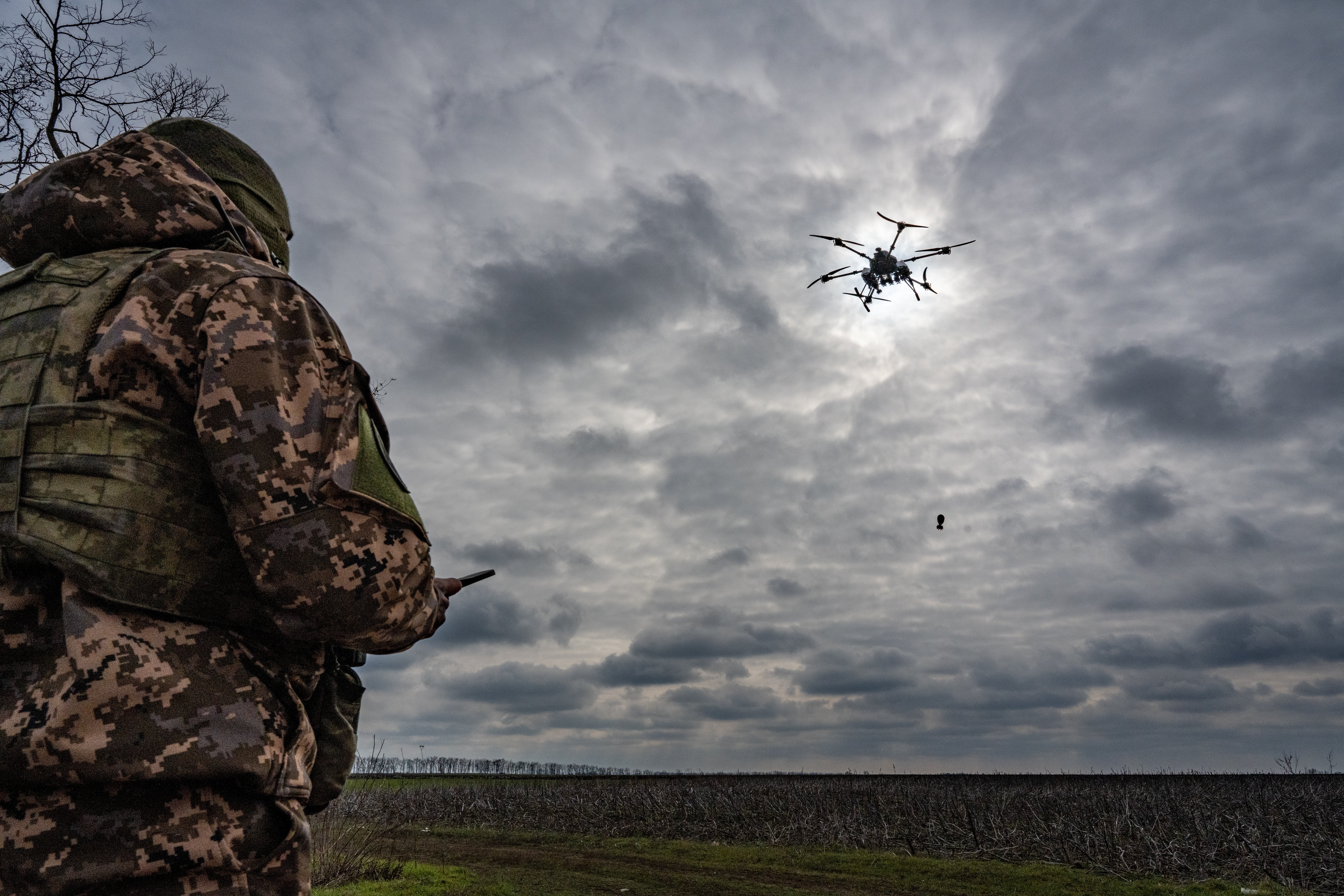
The unit also released video footage of a specialized mission named Operation Polyphemus. Military officials explained that this particular operation significantly enhanced the flight efficiency and success rates of Ukrainian "Deep Strike" long-range drones operating along the northern flight corridor.

The Unmanned Systems Forces noted that it will be difficult for Russian forces to repair and restore the damaged air defense sectors, adding that the systematic degradation of these networks will continue.
These developments come amid a series of recent long-range aerial operations directed at targets in the Moscow region. Overnight on June 30, the region experienced a large-scale drone attack.
Ukrainian President Volodymyr Zelenskyy confirmed a repeated strike on the Dubna Space Communications Center, a strategic satellite facility located more than 500 kilometers (approx. 310 miles) from the Ukrainian border. Russia utilizes this specific hub for satellite communications, military intelligence, and the coordination of occupation forces since Russia's full-scale invasion of Ukraine.
-44c925e1fe4bfba894eb6248de861461.jpg)
The Dubna facility was previously targeted by the Ukrainian General Staff on June 22. That initial operation resulted in documented damage to a 32-meter Mark-IV satellite antenna alongside a technical building within the communications complex.
During the night of June 26, Ukrainian drones struck Russia’s 476th Central Information Reception and Processing Center of the Main Intelligence Directorate (GRU), also known as the Meshcherino-1 military complex.
The targeted complex historically served as a critical hub for the Russian military, playing a vital role in receiving and processing reconnaissance data collected by several generations of military satellites.
Discuss this article:
-4a56a6b482ec132402c16ef6fcabf9a2.png)