- Category
- War in Ukraine
“Putin Ordered Russian General Staff to Prepare Plans for Capturing Kyiv,” Syrskyi Says
 Prefer U24 Media on Google
- Authors

-c439b7bd9030ecf9d5a4287dc361ba31.jpg "Photo of Katherina Popilnichenko")
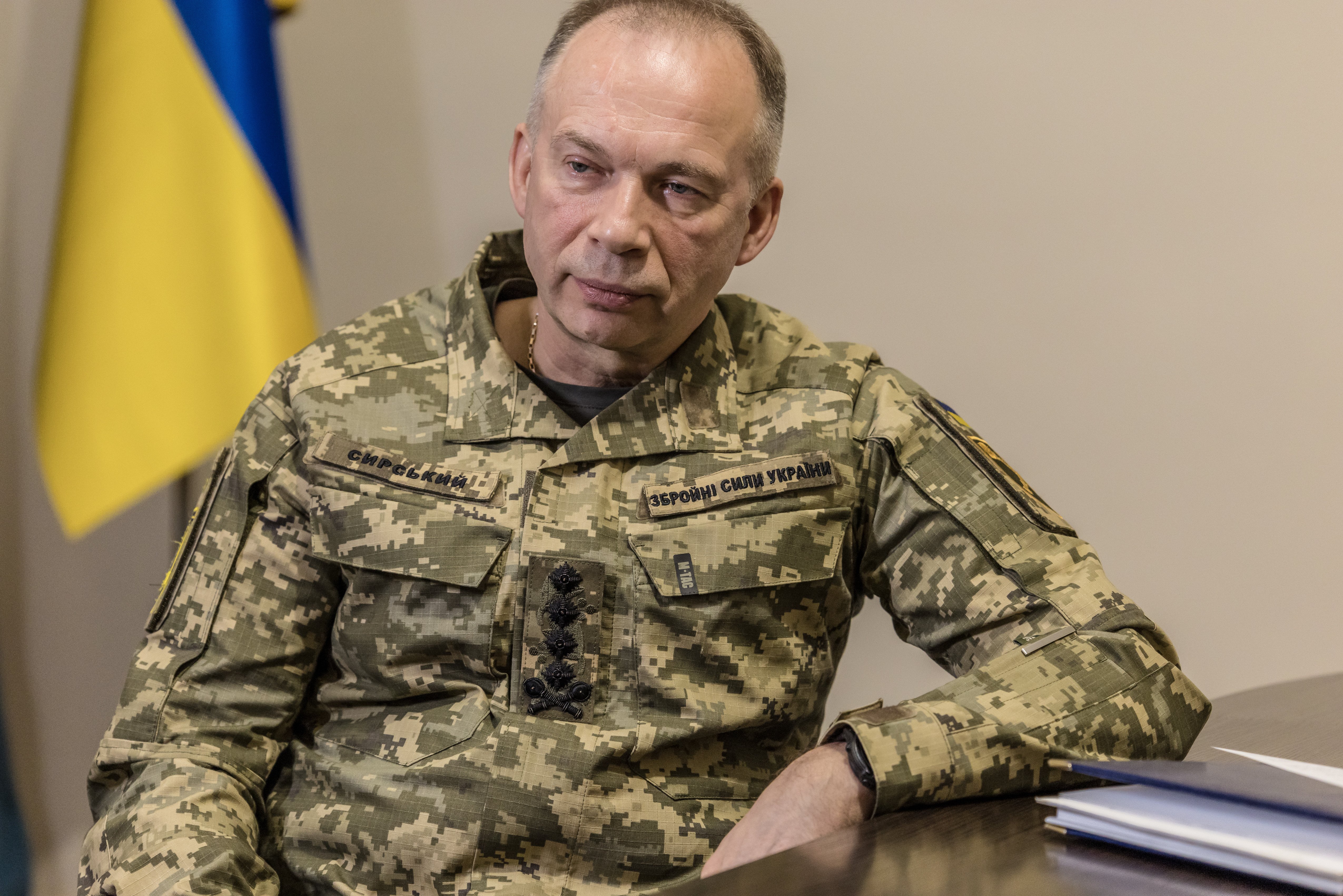
Russian leader Vladimir Putin has directed the military to assess options for new offensive operations, including potential strikes on Kyiv. According to Ukraine’s Commander-in-Chief Oleksandr Syrskyi, a strike from the Bryansk region toward the Chernihiv region remains the most probable scenario.
Speaking in an interview with TSN on June 30, Syrskyi explained that Putin previously instructed the General Staff of the Russian Armed Forces to calculate multiple pathways for a renewed offensive, including potential operations launched from Belarusian territory aimed at capturing the capital and its surrounding areas.
We bring you stories from the ground. Your support keeps our team in the field.
Amid these rising security risks, Ukrainian authorities have announced a mandatory evacuation for 12 border settlements in the Chernihiv region starting July 1, alongside an extension of evacuation orders for 7 additional settlements initially cleared during the winter.
"Considering recent events, I do not think that the leadership of Belarus will dare to provide the aggressor with its territory to use as a staging ground for conducting an offensive operation. At the same time, we are taking such an option into account," Syrskyi said.
The Commander-in-Chief noted that current data instead points to a high likelihood of operations initiating from Russia's Bryansk region directly into the Chernihiv region.
The primary objective of such a maneuver is to expand the active front line and seize additional territory, thereby forcing the Armed Forces of Ukraine to divert defensive units away from critical zones elsewhere.
Addressing the logistical challenges of a renewed northern push from Belarus, Syrskyi highlighted that the terrain presents extreme difficulties for heavy military equipment due to extensive marshlands.
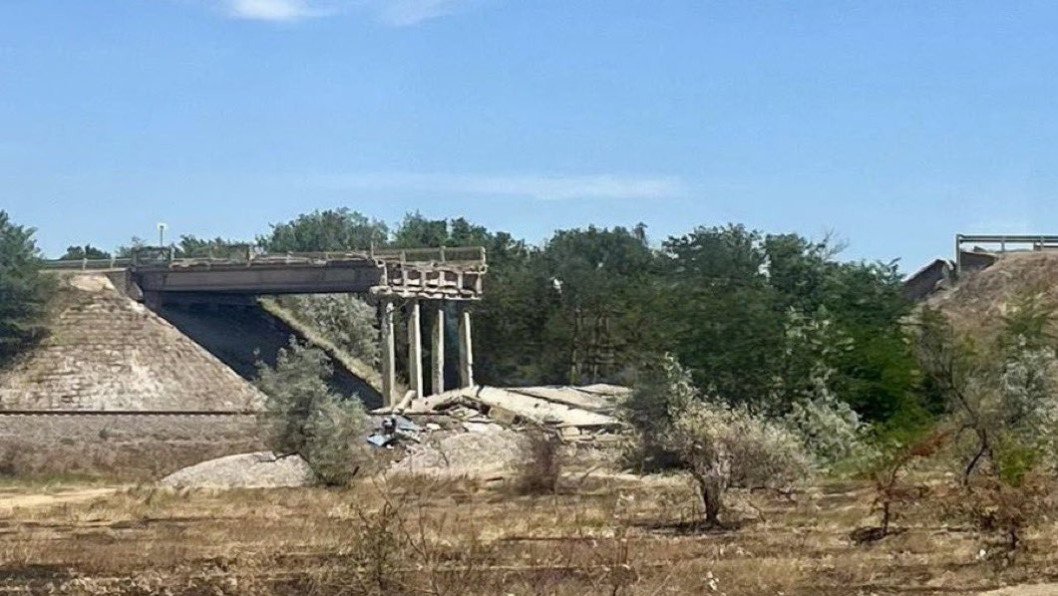
Furthermore, along the Chornobyl direction, the geography favors Ukrainian defenses, as the Ukrainian side of the riverbank sits at a higher elevation than the Belarusian side. Defensive measures have also seen virtually all bridges capable of supporting military hardware dismantled.
The security situation on the ground has prompted immediate local administrative actions to protect civilians. Following the mandate affecting 19 total settlements across the border zone, regional authorities continue to clear vulnerable residents from areas facing the highest risk of direct military escalation.
Meanwhile, the head of Russia's largest state-owned bank, Sberbank, Herman Gref, publicly stated that the most critical issue for all Russian citizens was the swift end to military operations.
Speaking at the bank's annual general meeting, Gref emphasized that the desire for peace united the population, a sentiment that aligned with independent polling showing that 81% of Russians favored an immediate halt to Russia’s full-scale invasion of Ukraine.
Herman Gref has long served as a key financial pillar for Vladimir Putin’s regime, actively funneling massive banking resources to bankroll Russia’s domestic war effort despite being placed under heavy international sanctions. While Gref has consistently maintained absolute public alignment with the Kremlin’s aggressive policies, his position has recently shifted from staunch support to visible concern over the mounting economic toll of the invasion.
Discuss this article: