- Category
- War in Ukraine
Russia Eyes 200-Missile Ballistic Barrages as Ukraine Runs Short of Patriot Interceptors
 Prefer U24 Media on Google
- Authors


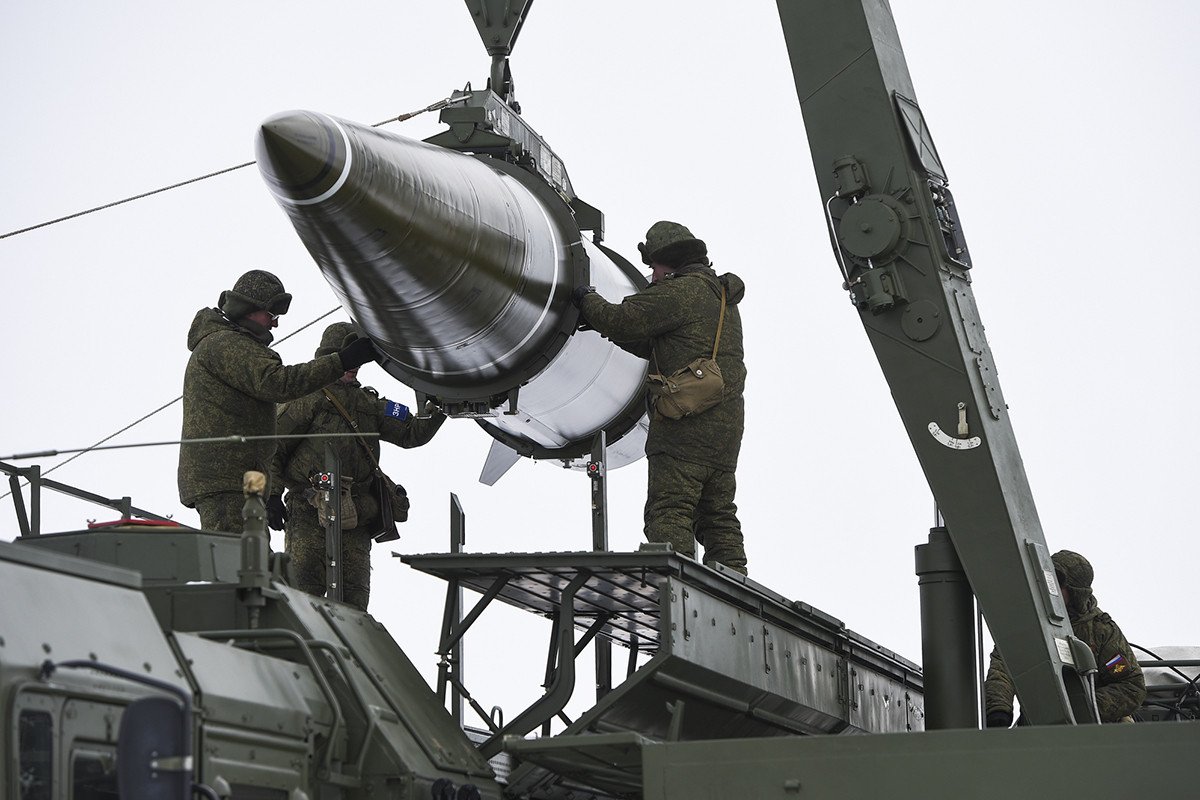
Russia is working to more than double the size of its simultaneous ballistic missile barrages, from a current capability of up to 77 missiles to as many as 200, according to Robert “Madyar” Brovdi, commander of Ukraine’s Unmanned Systems Forces, in an interview with the Associated Press on August 10.
The planned expansion would strike at one of Ukraine’s most serious air defense vulnerabilities.
We bring you stories from the ground. Your support keeps our team in the field.
Kyiv is running short of interceptors for the US-made Patriot system, the principal weapon in Ukraine’s arsenal capable of defeating Russian ballistic missiles, allowing some weapons to penetrate defenses during large-scale attacks.
“Even if they only manage half of that, it will all be flying at us,” Brovdi said.
Multiple videos show mass Russian Iskander ballistic missile launches toward Kyiv and surrounding areas.
— Clash Report (@clashreport) August 5, 2026
More launch footage appeared in one day than from all previous strikes combined. pic.twitter.com/c4IdLsDIOJ
According to Brovdi, Ukraine cannot eliminate the threat simply by improving interception rates. He argued that the number of ballistic missiles Russia can launch must be reduced at the source by striking facilities involved in producing them, reinforcing the importance of Ukraine’s long-range campaign against military-industrial targets deep inside Russia.
Russia is also increasing its use of another increasingly difficult threat. Brovdi said the concentration of jet-powered Shahed attack drones, which are harder to intercept than conventional propeller-driven versions, has risen two and a half times in recent weeks.
At the same time, Moscow is working to erode some of Ukraine’s technological advantages. According to the AP interview, Russia is deploying electronic jamming systems on a scale expected to degrade Starlink connectivity to some degree.
-1bb4f5071a92fb06a0b5f24c15d06b9a.jpg)
Brovdi also said Russia is developing its own satellite communications network intended to compete with Starlink.
“This is a risk for the entire planet,” Brovdi said, “because a dictatorship will gain access to information across the whole globe.”
The combination of potentially much larger ballistic missile salvos, growing numbers of jet-powered Shaheds, expanded electronic warfare, and an independent satellite communications network reflects Russia’s effort to adapt to technologies that have given Ukraine advantages throughout the war.
For Ukraine, Brovdi said, the ballistic missile buildup makes deep strikes against Russia’s missile-production infrastructure increasingly important: if Moscow succeeds in approaching a 200-missile simultaneous launch capability, interception alone may not be enough to contain the threat.
Previously, reports emerged that Russia had already met its annual production target for the Zircon and Oniks missiles, manufacturing 33 Zircon and 60 Oniks missiles in the first seven months of 2026.
Discuss this article:
-9a7b3a98ed5c506e0b77a6663f5727c5.png)