- Category
- War in Ukraine
Ukraine Burns Two Russian S-400 Launchers—The Same System Russia Fires at Ukrainian Cities
 Prefer U24 Media on Google
- Authors


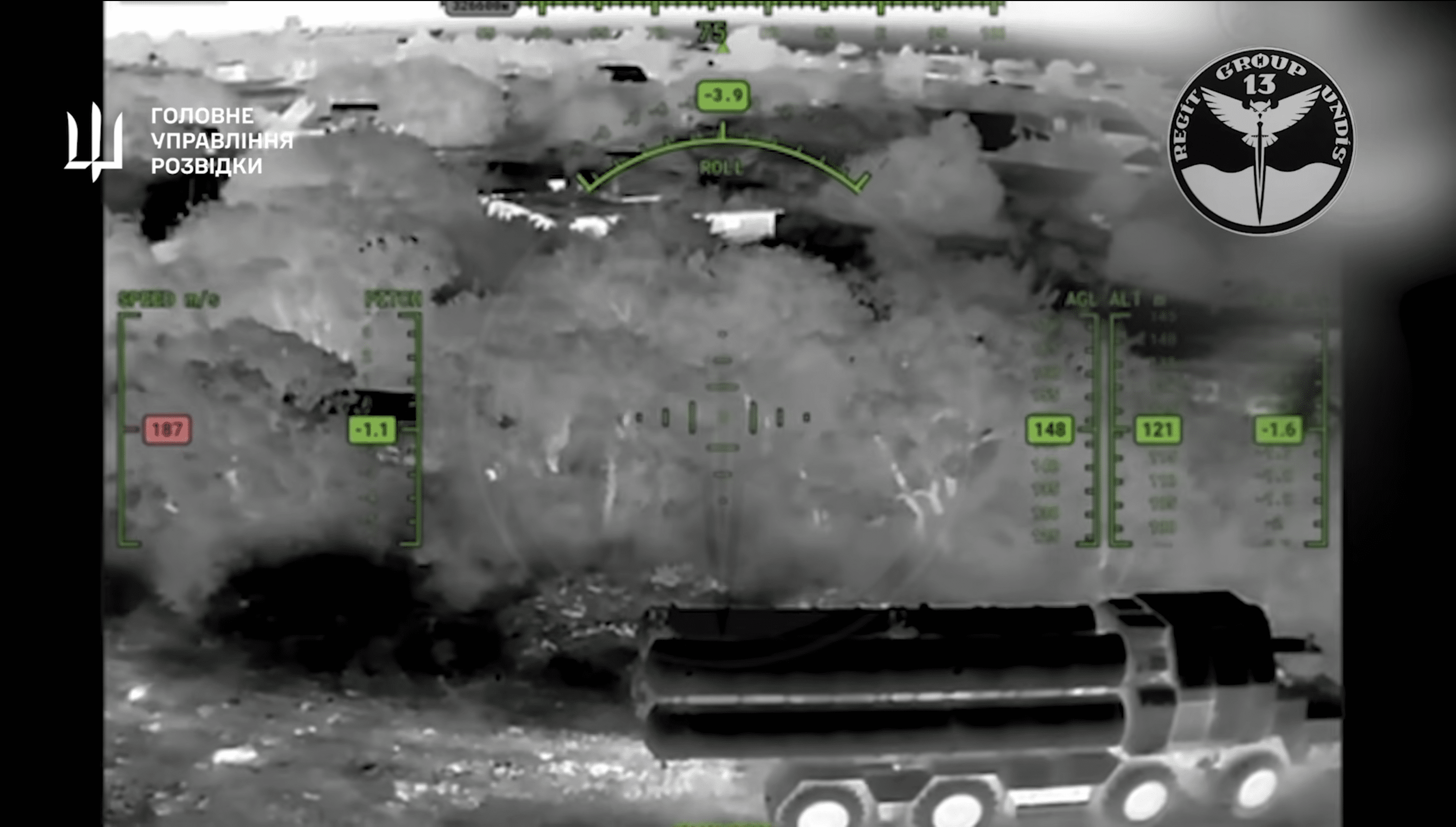
Ukraine’s military intelligence struck two Russian S-400 Triumf air-defense launchers and an antenna used to control Orion drones in temporarily occupied Crimea, using Magura naval platforms carrying FPV drones.
According to Ukraine’s Defense Intelligence (HUR) on August 10, the operation was carried out by specialists of its Group 13 unit in early August 2026. HUR said the estimated Russian losses from the strike could reach tens of millions of dollars.
We bring you stories from the ground. Your support keeps our team in the field.
The intelligence agency said its operators used multipurpose Magura unmanned naval platforms as carriers for FPV drones, allowing them to deliver strikes against the high-value Russian equipment from the sea.
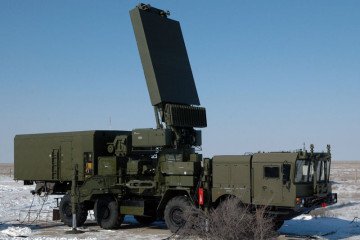
The S-400 Triumf, known by NATO as the SA-21 Growler, is Russia’s long-range mobile surface-to-air missile system designed primarily to destroy aircraft, drones, and cruise missiles and to provide defense against some ballistic missile threats. Depending on the interceptor used, the system can engage aerial targets at ranges of up to several hundred kilometers.
But Russia has also repeatedly repurposed missiles from its S-300 and S-400 air-defense systems for attacks against ground targets in Ukraine. Ukraine’s Air Force said as early as January 2023 that Russian forces were using both systems in this secondary role, despite the missiles being designed primarily for air defense.
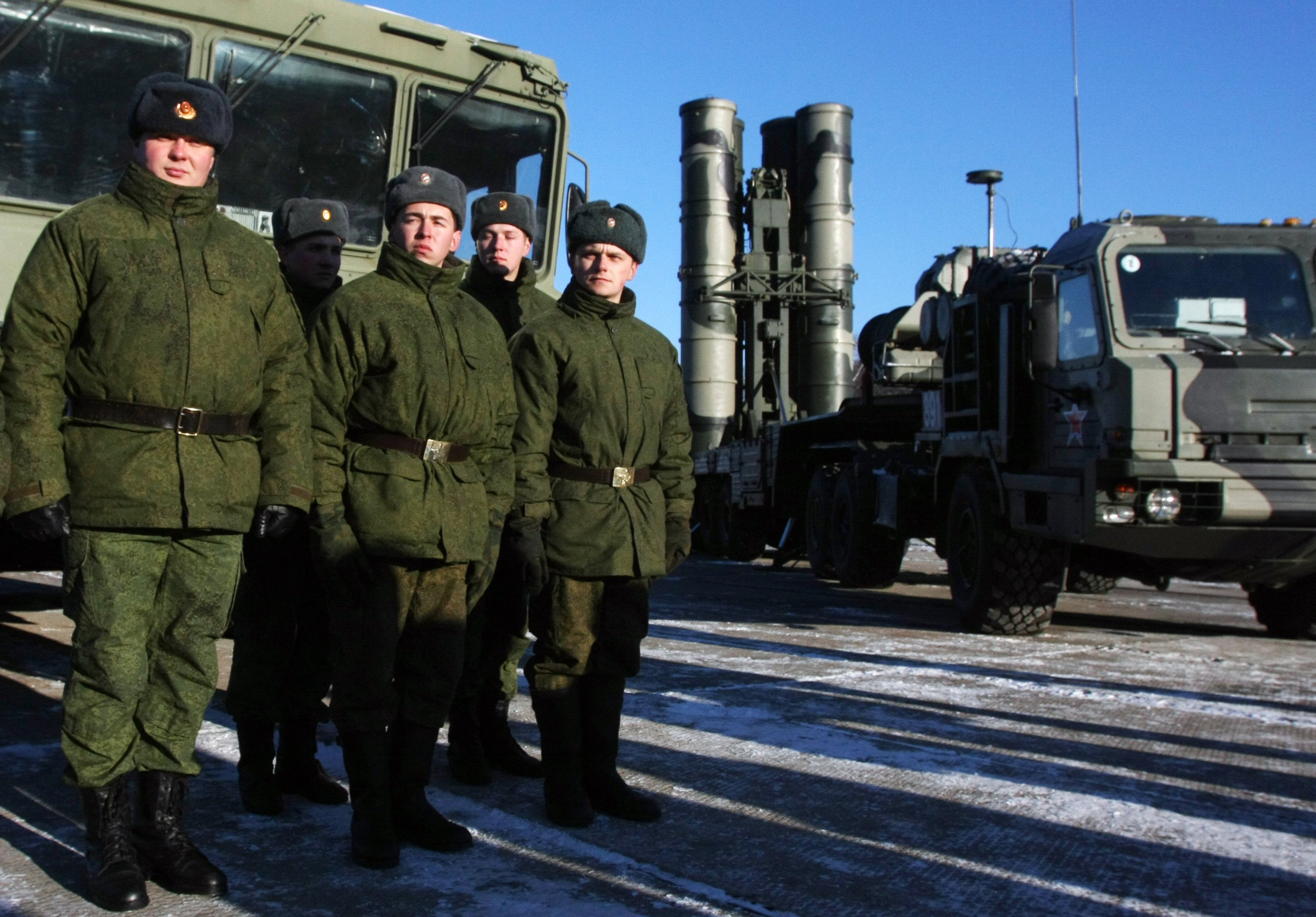
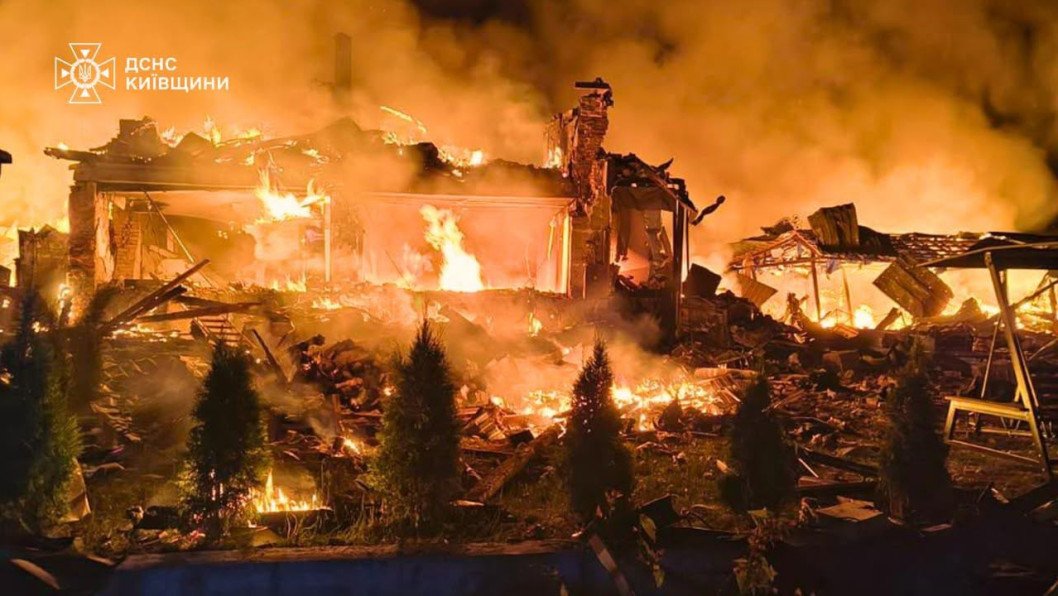
The practice continues. During Russia’s overnight attack on August 7–8, 2026, the Ukrainian Air Force reported that Russian forces launched Iskander-M ballistic missiles and S-400 surface-to-air guided missiles at Ukraine alongside 151 attack and decoy drones.
The S-400 primarily employs missiles from the 48N6 family, while longer-range 40N6 interceptors are designed to extend its air-defense reach to as much as 400 kilometers. The 48N6 family carries a high-explosive fragmentation warhead and was originally developed for engaging aerial targets.
The second target hit by Group 13 was an antenna used to control Russia’s Orion reconnaissance-and-strike UAV.
The Orion, also known as Inokhodets, is produced by Russia’s sanctioned Kronstadt group and can carry up to 250 kilograms of payload, including reconnaissance equipment, guided bombs, and missiles. HUR previously said the drone has an operating radius of up to 250 kilometers, or up to 300 kilometers when using a relay.
The strike in Crimea came just a day after Ukrainian drones hit another Russian S-400 position in Gelendzhik, Krasnodar region, destroying one launcher. Ukrainian forces also targeted Tor and Pantsir-S1 air-defense systems, two radar stations, and three vessels linked to Russia’s shadow fleet in the Black Sea during the August 8–9 operation.
Discuss this article:
-9a7b3a98ed5c506e0b77a6663f5727c5.png)