- Category
- War in Ukraine
The End of Russia’s Wartime Economic “Miracle”
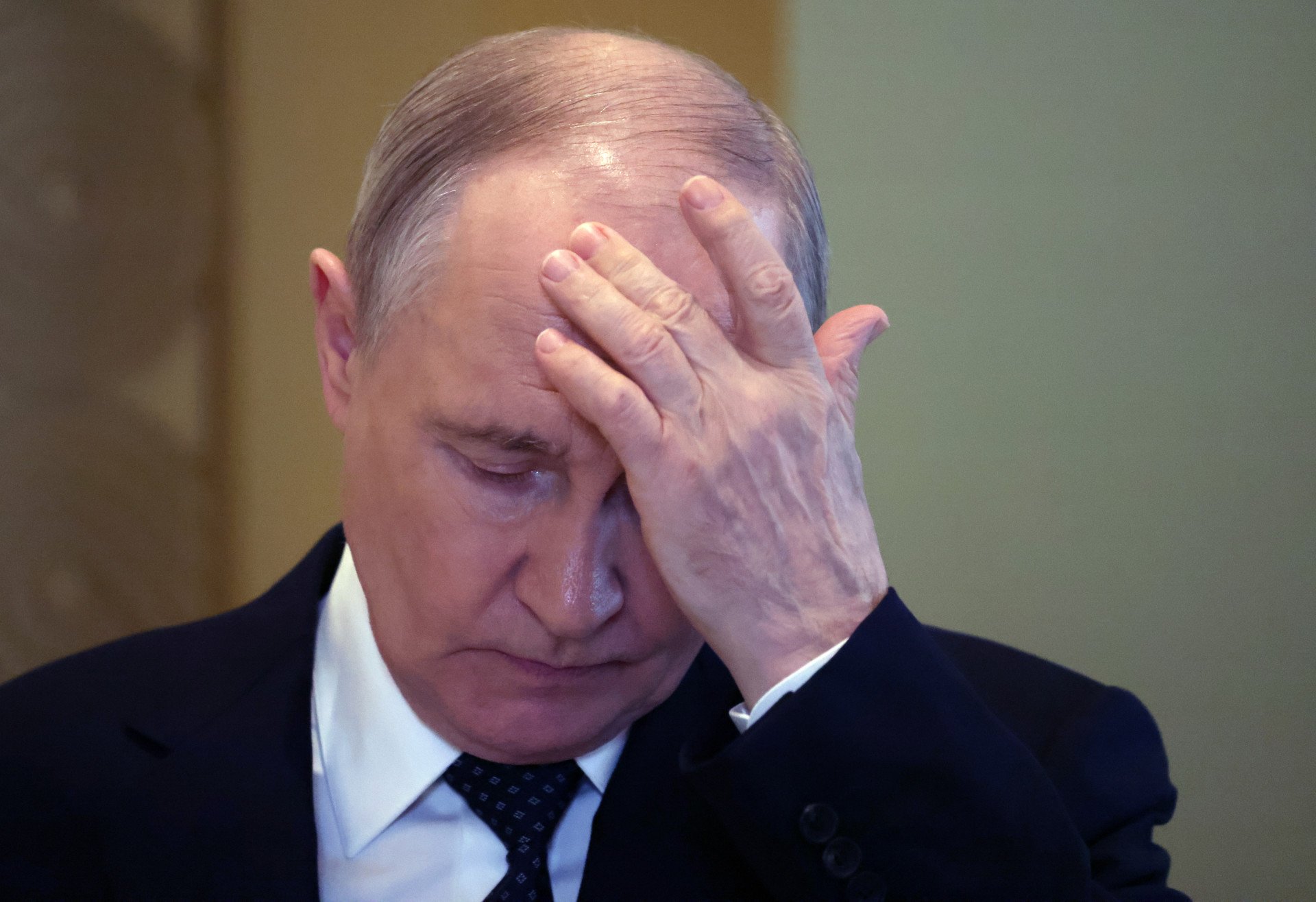
Could 2026 be the year the Russian war economy finally breaks? After years of defying sanctions and outperforming expectations, the costs of financing an economy built for war are becoming increasingly difficult to hide.
 Prefer U24 Media on Google
- Authors


For years, the Kremlin has used economic indicators as proof that Russia had not only weathered Western sanctions but has actually benefited from shifting onto a war footing. Rising output, record-low unemployment, and growing incomes all helped Russian leader Vladimir Putin present Russia as uniquely positioned to outlast its adversaries in a long war of attrition.
But by 2026, not even a commodity price bonanza could mask the weaknesses accumulating beneath the surface. The temporary gains of Russia’s once-booming economy have given way to mounting imbalances, as an economy increasingly subordinated to the needs of war is running up against its limits.
Wartime boom or military Keynesianism, Russian-style?
The rapid expansion of military spending and the resulting surge in nominal incomes among parts of the Russian elite and certain segments of society have given rise to what many analysts began describing as Russia’s version of military Keynesianism . By channeling unprecedented resources into the defense sector, the Kremlin created a growing constituency with a direct material stake in the continuation of the war. Putin thus forged a pro-war coalition not only ideologically mobilized by the promises of Russian ultranationalism, but also economically dependent on the benefits generated by the so-called "special military operation."
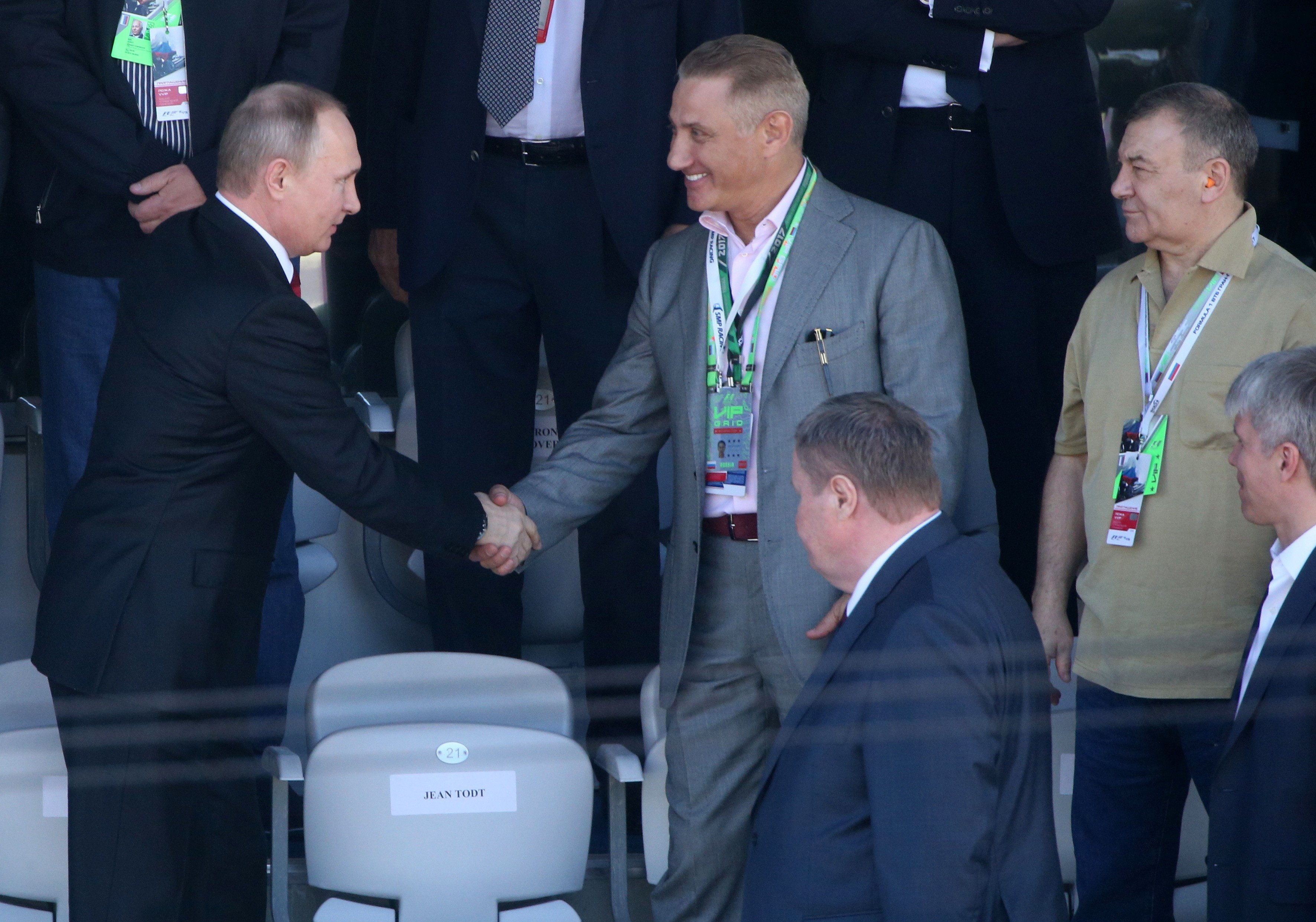
Nobody, however, benefited more from Russia’s wartime economy than the rich and powerful. Although a number of prominent billionaires renounced their Russian citizenship after the full-scale invasion, they remained the exception rather than the rule. Despite international sanctions, the number of billionaires in Russia actually increased between the end of 2021 and 2024. During that period, one-third of the pre-war billionaires grew wealthier, one-quarter became poorer, while roughly two-fifths were replaced by new entrants.
While the takeover of foreign assets made headlines across the West, the main driver of this redistribution has been a combination of nationalization and involuntary sales. As of late 2025, the total value of assets filed for seizure by the Prosecutor General’s Office since early 2022 exceeds €53.5 billion ($61 billion). When approved, these assets are transferred to the Federal Agency for State Property Management (Rosimushchestvo), which is then tasked with selling the business. The Rotenberg Family, whose patriarch is one of Putin’s longest-standing associates, has used this arrangement to secure six enterprises in the chemicals and mining sectors, with plans for a seventh addition forthcoming.
Russia’s war economy enters a new phase
While the conditions of the wartime economy helped transform these disparate groups into a political base, the economic scaffolding on which this coalition was built is beginning to come undone. The real wage growth, which propelled a convergence in living standards between Moscow and Russia’s heartlands, has significantly moderated. Inflation, while declining from its 2025 peaks, remains elevated relative to output growth.
To keep up with its surging military spending, the state is resorting to plugging the gaps with a number of unpopular measures, from higher taxes to cuts in the non-military social services sector. All as oil and gas revenues continue to plummet. As manpower and material shortages continue to accumulate, the Russian economy will be forced to do the same every year it decides to continue combat operations in Ukraine.
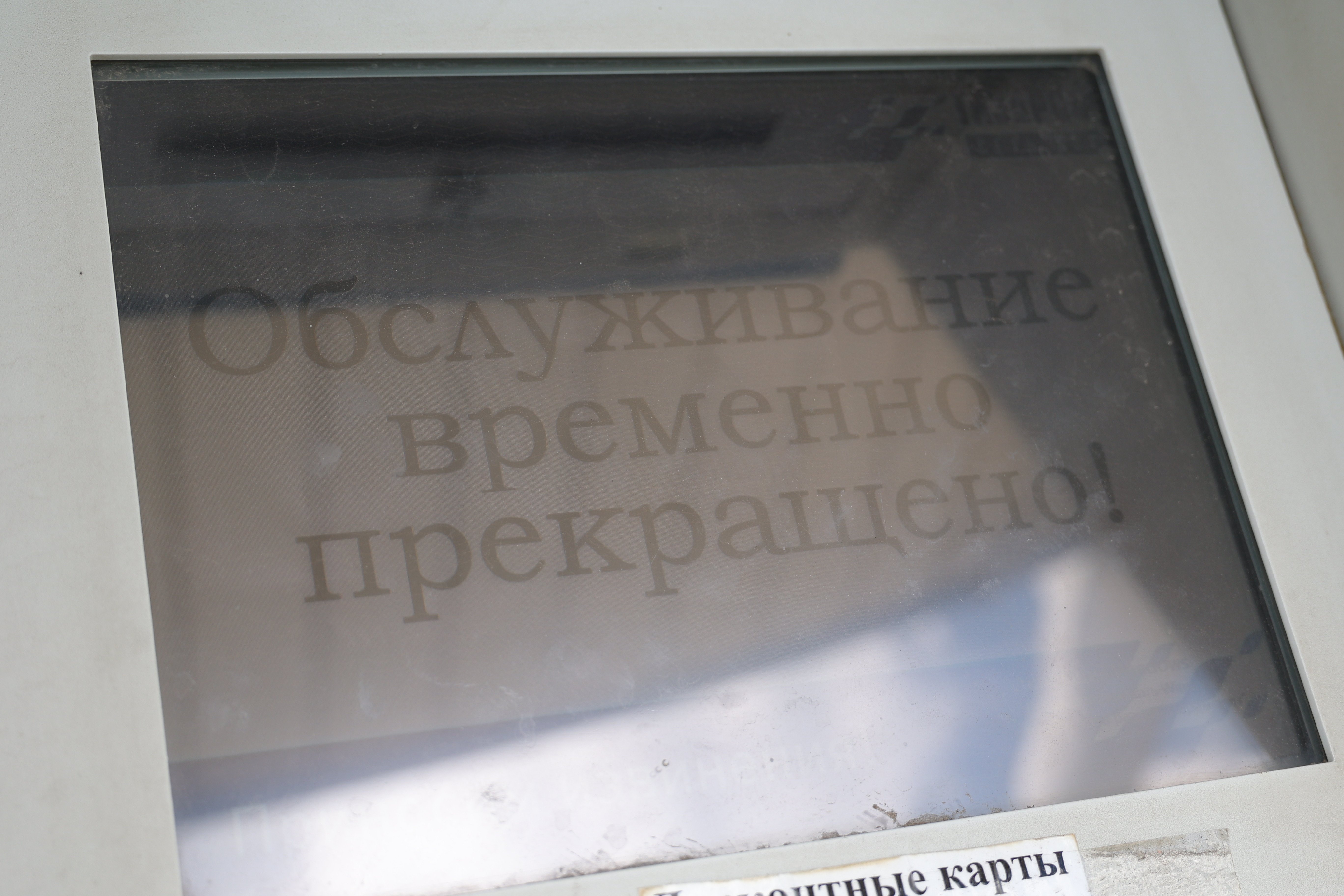
To the chagrin of his wealthier supporters, Putin has begun requesting oligarchs “donate” to the Russian budget, a clear sign that the Russian state is not only looking to the poorest to fill the gap. While the boom time had opened an opportunity for a mutually beneficial arrangement between oligarch and worker alike, Russia’s recent budgetary woes have reinstated the sense that economic gain is zero-sum.
In the earliest days of the Iran war, commentators from across the Western press speculated that the closure of the Strait of Hormuz might hand the Russian fossil fuel industry, and consequently its state coffers, a much-needed windfall. While it is true that Russia has gained many billions of dollars with which to service its debt, in the grand scheme of things, this is little more than extra breathing room in the face of the insatiable budgetary demands of Russia’s war machine. In the first quarter of 2026 alone, military spending surged to a record 5.9 trillion rubles, equivalent to roughly $75-80 billion, nearly 30% higher than a year earlier and almost five times the level recorded before the full-scale invasion. For the first time since February 2022, almost every second ruble spent by the federal government was directed toward military purposes, while more than one-third of all budget expenditures disappeared behind classified spending lines.
Where does Russia stand?
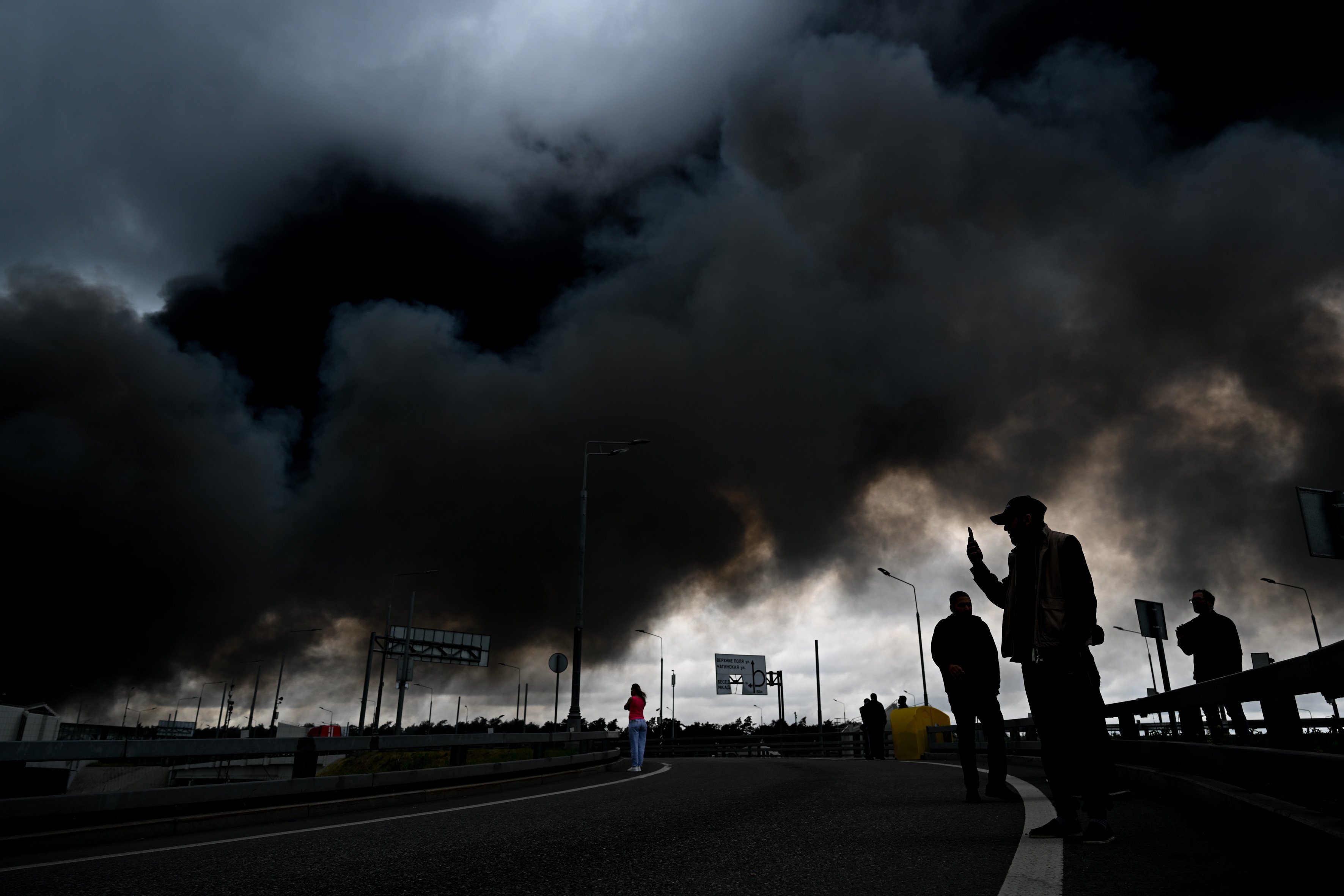
Russia's mounting statistical troubles are accompanied by something much harder to quantify: a rise in uncertainty. The opening of the once-prestigious St. Petersburg International Economic Forum was overshadowed by Ukrainian drone attacks, while only days later, Ukrainian strikes penetrated Moscow's air defenses and set ablaze a refinery responsible for supplying up to 40% of the region's fuel demand.
👀 The opening day of Putin's St. Petersburg International Economic Forum features a stark reality check with a vital oil terminal ablaze. pic.twitter.com/diwT0tQgTt
— UNITED24 Media (@United24media) June 3, 2026
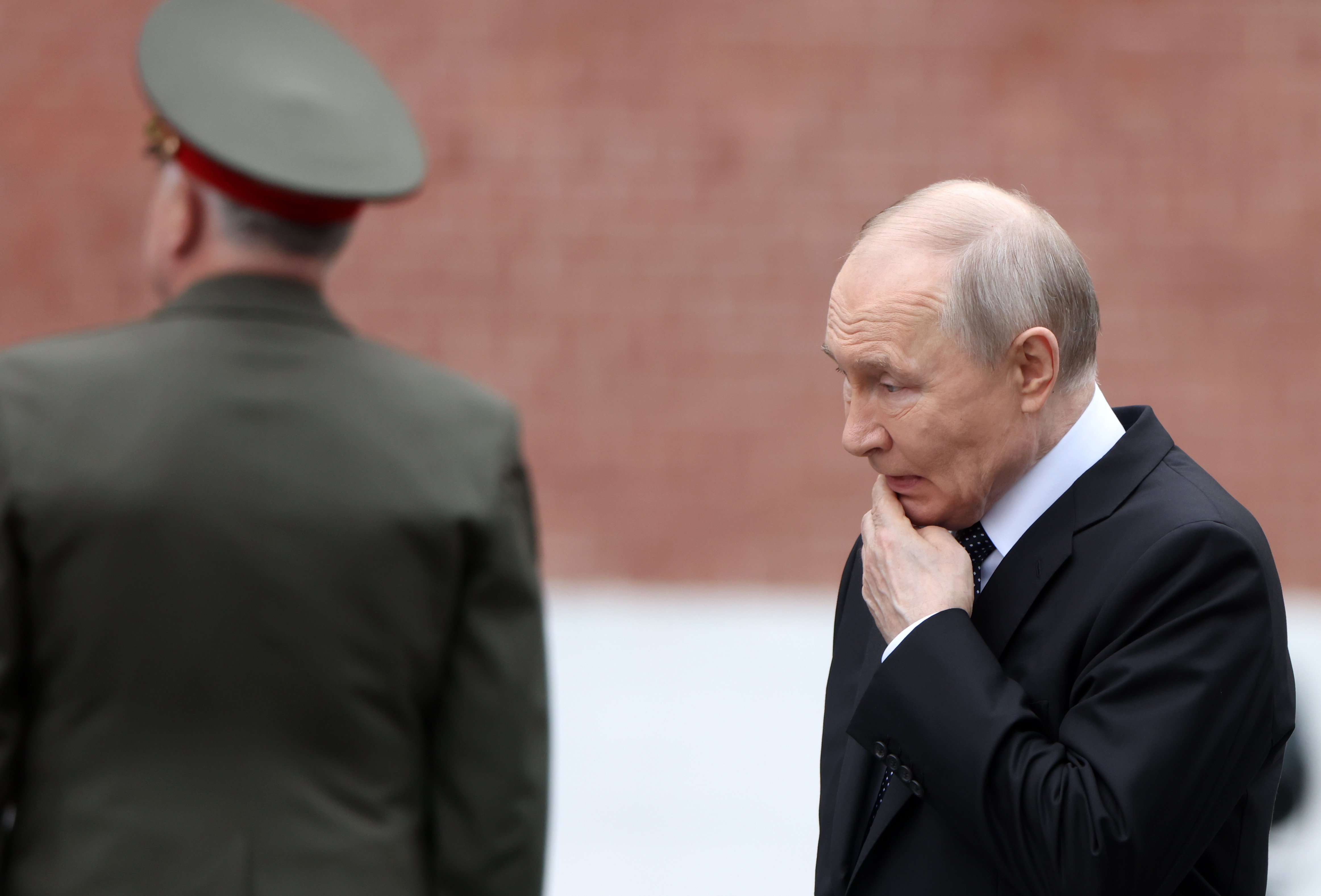
At roughly the same time, Vladimir Putin, attending a separate forum in Kazan, was caught on camera pondering where to house the elephants gifted to him by Laos. The contrast was striking. More telling still was the barely concealed irritation among even traditionally pro-Kremlin nationalist commentators, whose criticism increasingly reflects not opposition to the war itself, but frustration with the state's apparent inability to respond.
None of this means that Russia is on the verge of exhaustion. The Kremlin has by no means exhausted its capacity to tighten belts and extract additional resources from society. But each successive round of mobilization—economic or military—will come at a higher political and social cost. The "winner nation" forged by wartime prosperity is likely to prove less enthusiastic when asked to shoulder the burden of stagnation. If the last few years have demonstrated anything, it is that military Keynesianism built around the destruction of another country is ultimately an illusion. Russia will continue to live with the economic and political consequences of the choices it made in 2022 long after the temporary gains of its wartime boom have faded.
Discuss this article:
-4a56a6b482ec132402c16ef6fcabf9a2.png)


-c439b7bd9030ecf9d5a4287dc361ba31.jpg "Photo of Katherina Popilnichenko")