- Category
- World
Why Are Lao Troops Heading to Russia? The Forgotten Cold War Alliance
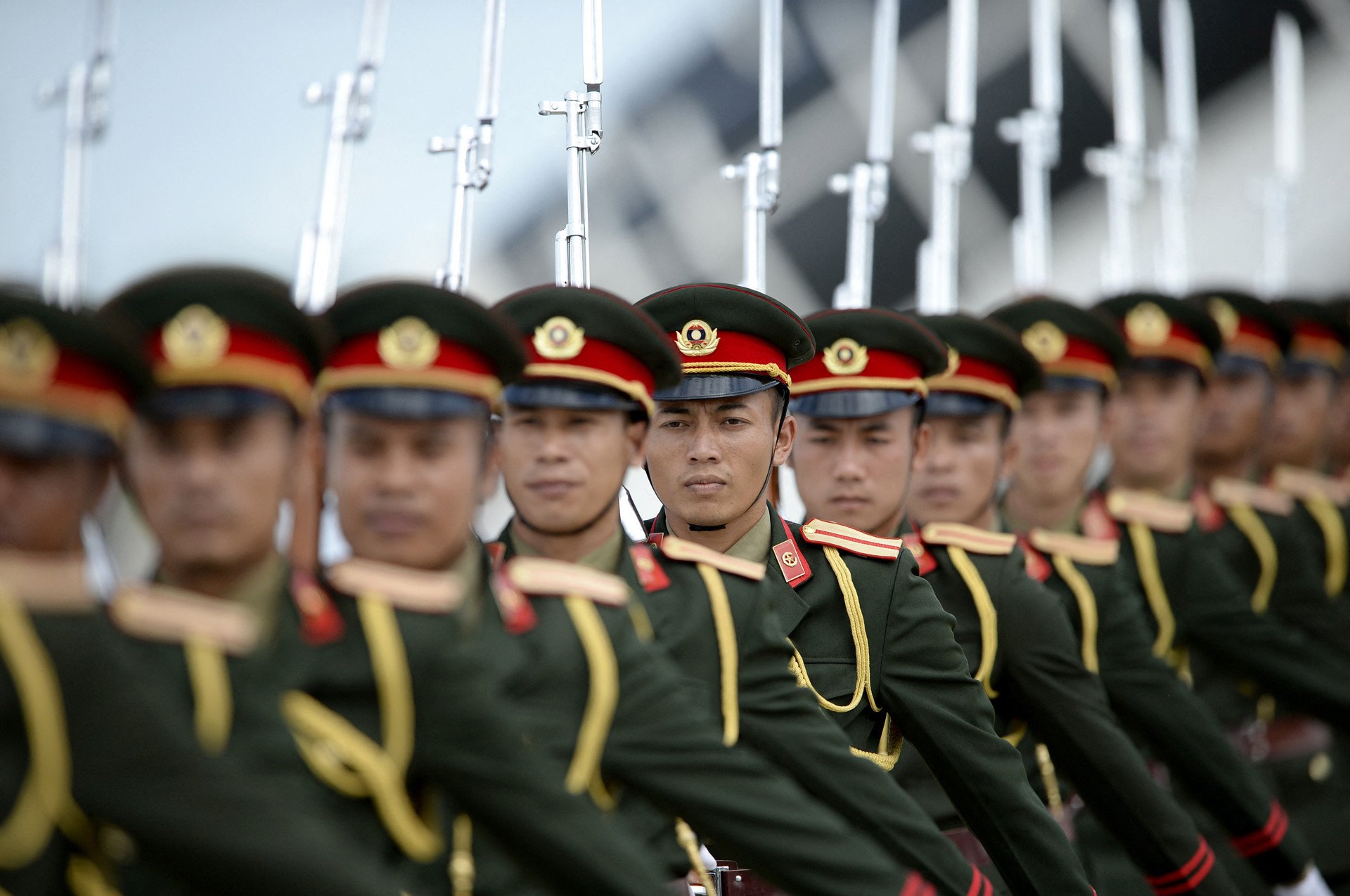
In the fourth year of Russia’s full-scale invasion of Ukraine, an unlikely player has joined “Russia’s coalition of evil.” Laos, a landlocked one-party authoritarian state sandwiched between NATO-aligned Vietnam and Thailand, is sending its sappers to Russia’s Kursk region under the guise of humanitarian demining.
 Prefer U24 Media on Google
- Authors


Behind the seemingly symbolic deployment of Lao troops is something more calculated: Russia is leaning on Cold War-era ties to secure more foreign manpower and influence in Southeast Asia, a region where Soviet influence dominated in the 20th century.
Laos is not a regional heavyweight by any stretch. With a population under eight million and a GDP of just $15.8 billion, it is dwarfed by its neighbors. Thailand’s economy is more than 30 times larger. Vietnam’s population exceeds 100 million, and its military force ranks among the top 25 globally. Laos, by contrast, fields a modest security apparatus of roughly 129,000—most of it focused on domestic stability.
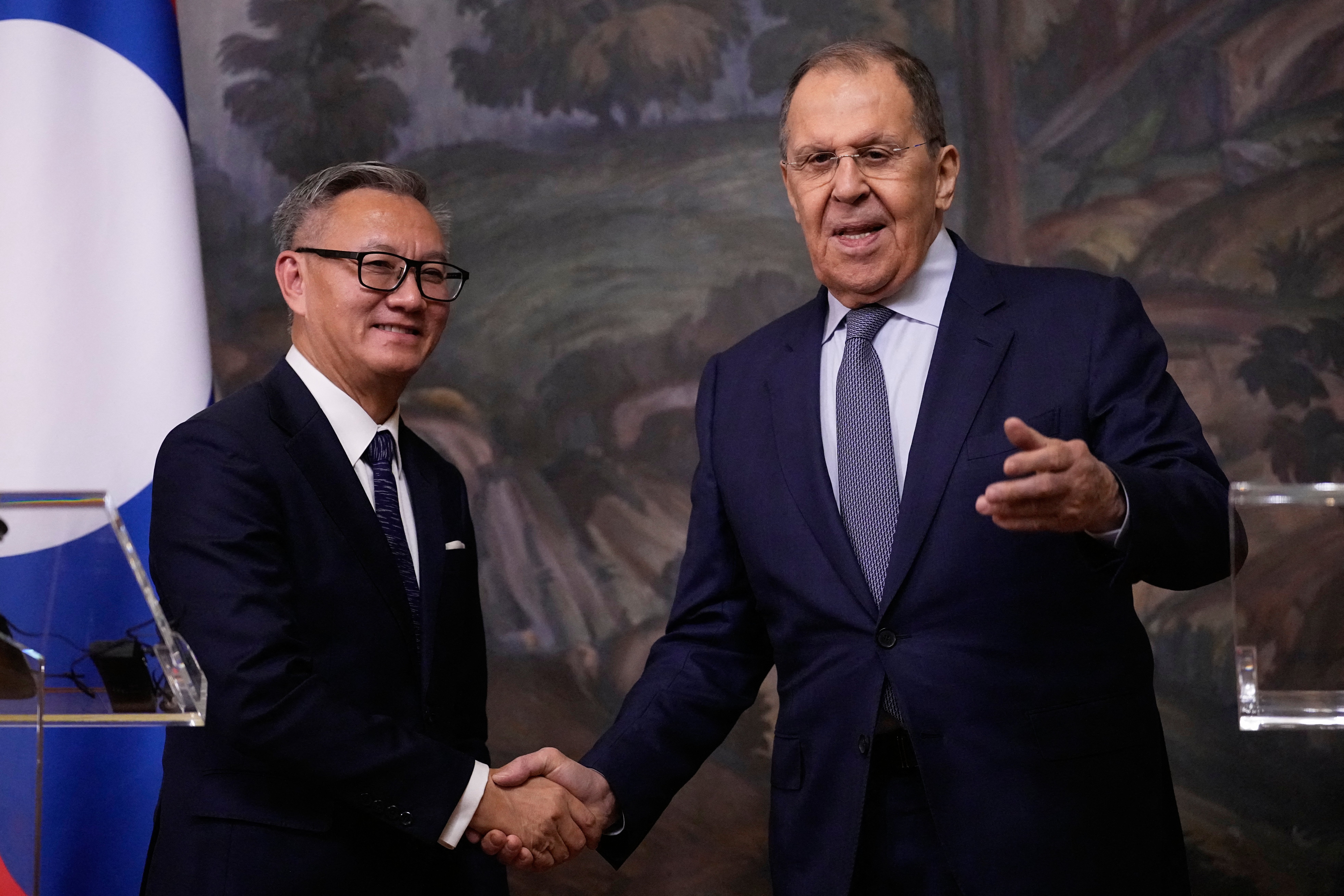
But power isn’t the point. What Russia gets from Laos isn’t scale—it’s symbolism. In a region where most governments have kept their distance from Russia’s war in Ukraine, Vientiane offers quiet, uncritical cooperation—and perhaps more importantly, another potential belligerent that can’t afford to say no. Saddled with debt and internal dysfunction, Laos is the kind of partner Moscow knows how to work with.
Old ties, new leverage
The Soviet Union officially established diplomatic relations with the Kingdom of Laos in 1960. For decades, Laos has maintained one of Southeast Asia’s most enduring ties with Moscow.
During this period, as the United States carried out a covert bombing campaign over Laos to disrupt North Vietnamese supply lines along the Ho Chi Minh Trail, the Soviet Union seized the opportunity to deepen its influence, embedding itself in Laotian politics.
The Soviet Union was among the first to back the communist Pathet Lao, offering military aid, development assistance, and education opportunities. Thousands of Lao students were flown to Soviet universities to study engineering, medicine, and Marxist theory. One of them was Thongloun Sisoulith—now president of Laos and general secretary of the ruling party.
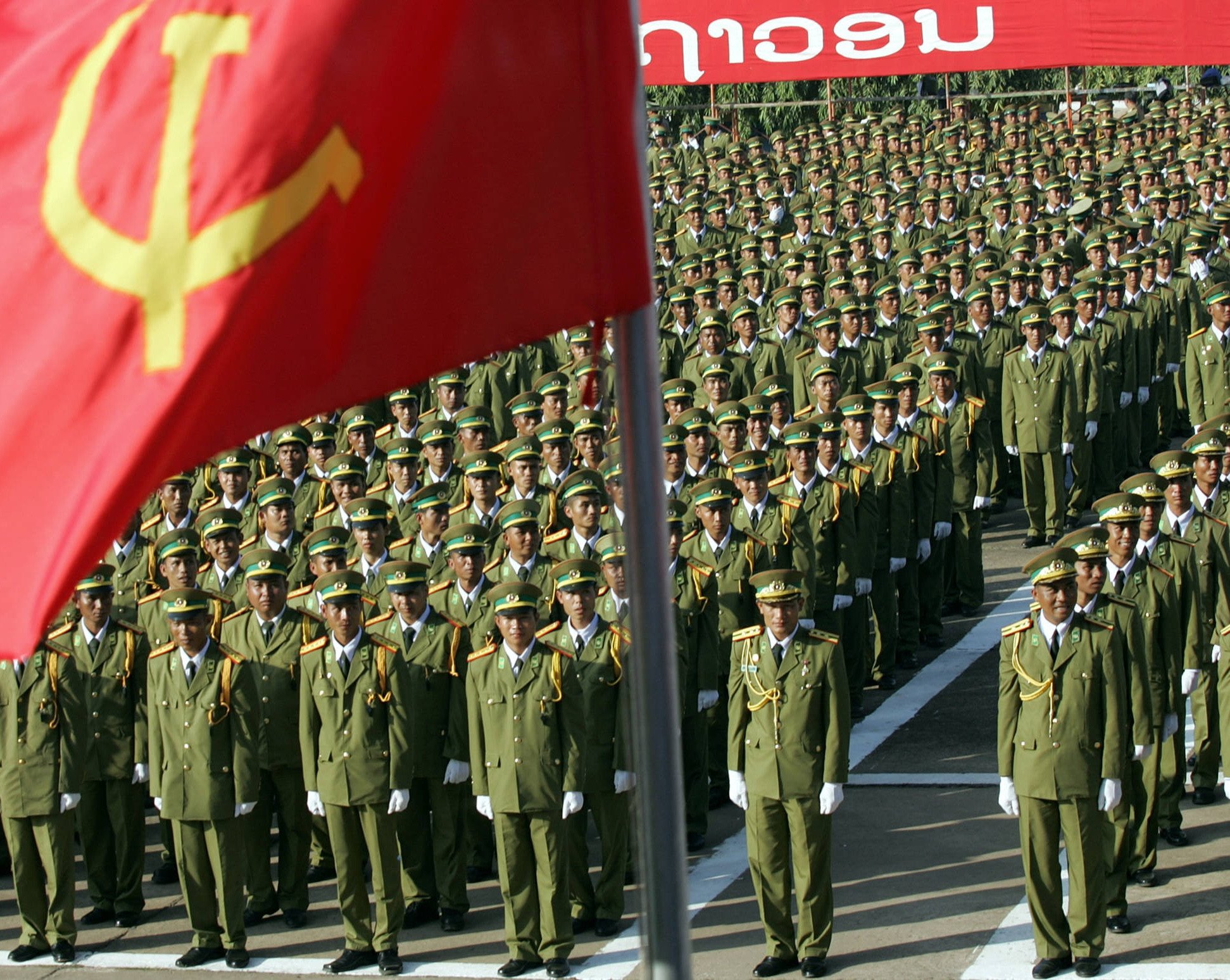
After the Soviet collapse, the relationship didn’t end—it simply evolved. In 2003, Russia canceled 70 percent of Laos’ debt and restructured the rest on favorable terms. Since then, trade has remained modest: Russian vehicles, fuel, and machinery in exchange for Lao textiles and electronics. But diplomatic ties have held firm, anchored by regular state visits and quiet cooperation on everything from education to infrastructure.
Since 2021, Russia has moved to reestablish its presence in Laos. Business forums have returned. Development aid is back on offer. Soft-power diplomacy is in full swing, with Russian-language centers and scholarship programs reviving the same pipelines that once shaped Laos’ political elite.
In 2022, Laos adopted the Russian Mir payment system—a workaround to Western banking sanctions and a clear signal of alignment. Moscow pledged $12 million to upgrade a hospital in Vientiane. Direct flights resumed between Vladivostok and the Lao capital, and Russian tourists can now enter visa-free for up to 30 days.
Why Russia wants Lao troops in Kursk
Nostalgia doesn’t send sappers to Kursk. This is something else: a carefully maintained, yet blossoming alliance built on economic survival, mutual authoritarian views, and a common resistance to the West. In a war that has left Russia more isolated than ever, Vientiane remains one of the few capitals still willing to pick up the phone.
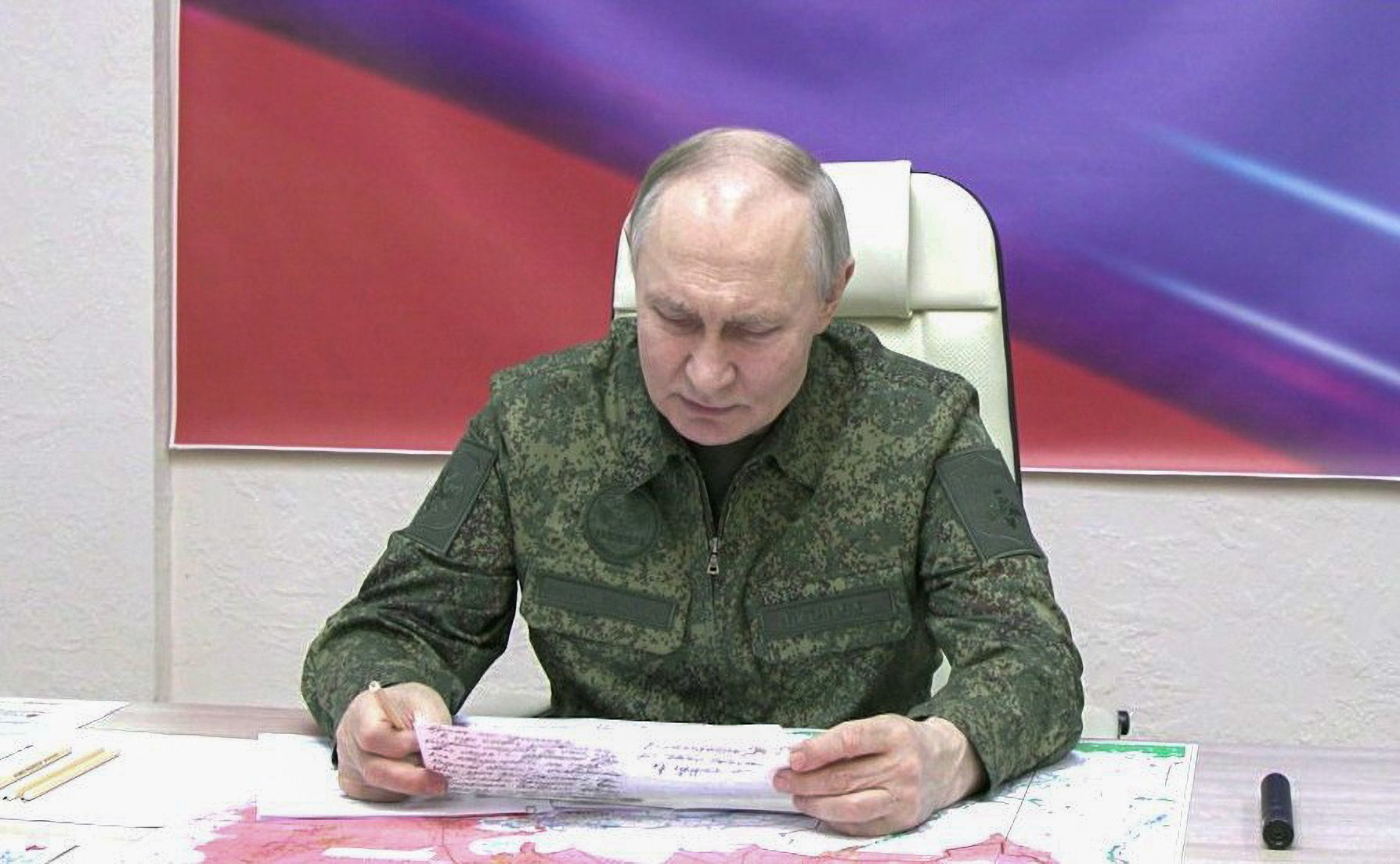
Ukraine’s military intelligence service, known as HUR, recently reported that Russia is organizing the deployment of up to 50 Laotian military engineers to carry out mine-clearing operations in the Kursk region, under the guise of “humanitarian assistance.” Ukraine sees it as a calculated move to normalize the presence of foreign troops on Russian territory.
“In addition to its widespread recruitment of mercenaries from Africa and Asia, and the use of North Korean combat units, the Kremlin is now exploring the involvement of ‘partner' nations under the pretense of launching humanitarian projects in russian regions bordering Ukraine.”
Ukraine’s military intelligence service (HUR)
“Russia, hiding behind humanitarian rhetoric, is trying to legalize the presence of a foreign military contingent on its territory, effectively using it to support combat operations against Ukraine,” HUR stated in its latest update.
The Laotian government has also pledged to provide free medical rehabilitation to Russian soldiers wounded in Ukraine. The news comes alongside reports that North Korea is sending 1,000 deminers and up to 30,000 combat troops to support Russian offensives—part of a wider effort to outsource manpower and expertise to foreign allies under plausible deniability.
Choosing Moscow over Beijing?
Laos’s willingness to align with Moscow, despite the international backlash over Ukraine, may have as much to do with China as it does with Russia. Laos has fallen deep into Chinese debt over the last decade, driven by massive hydropower projects and Beijing’s $6 billion high-speed railway linking the two countries, reported Radio Free Asia. The World Bank has warned of a looming debt crisis, with over $400 million in annual interest payments due, half of it owed to China.
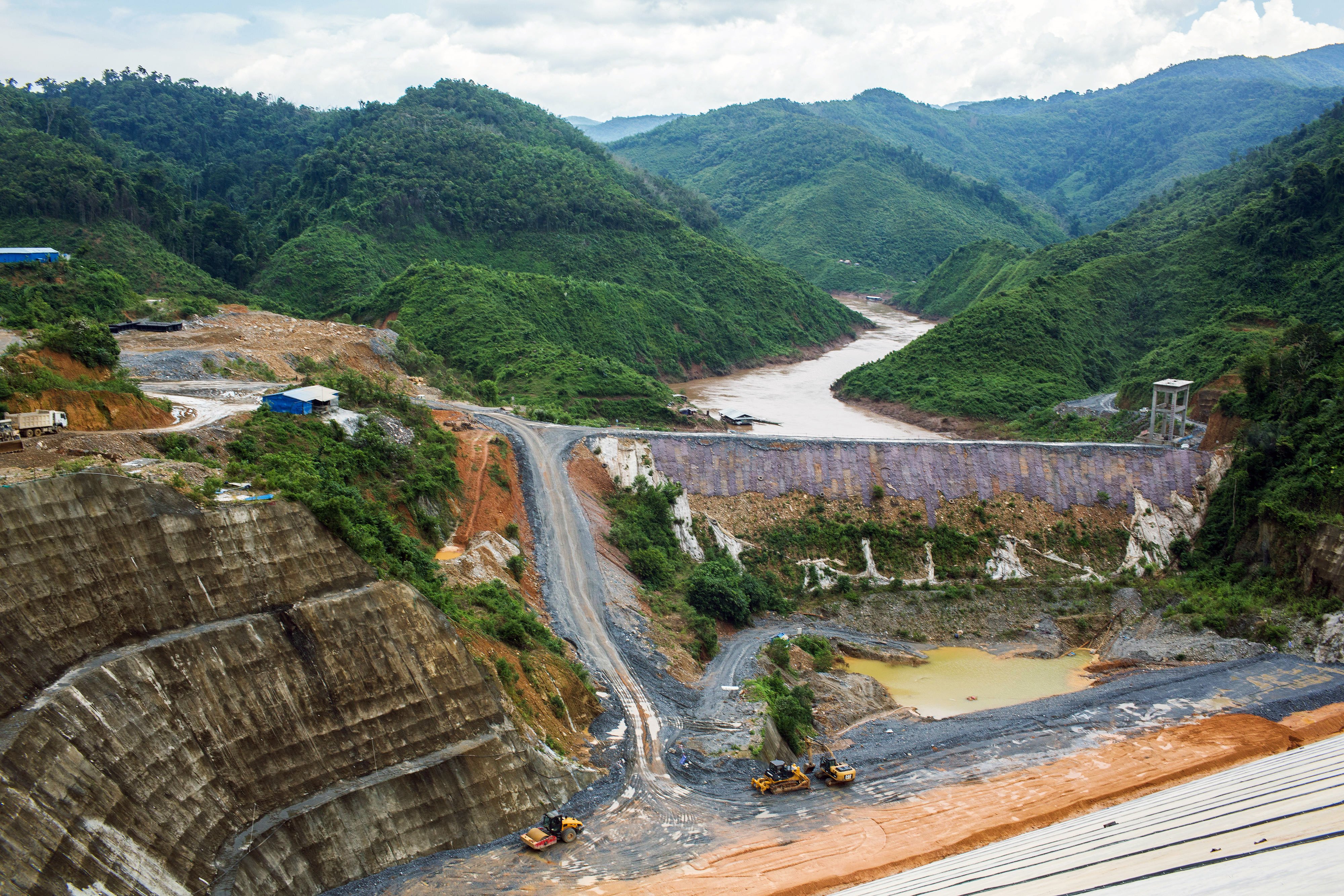
President Thongloun has signaled a desire to diversify Laos’ foreign partnerships, particularly as concerns grow over mounting debt to China. “We are aware that relying on only one country’s resources is not enough,” he said during the 2022 Nikkei Future of Asia conference in Tokyo. “We have connected with different countries and international organizations to help with our infrastructure development.”
Russia, with its friendlier loan terms and hands-off political posture, offers Vientiane a convenient alternative to Beijing’s growing dominance.
Still, Laos’ consistent abstention from UN votes condemning the invasion of Ukraine raises questions about how far Vientiane is willing to go to maintain ideological loyalty, especially when the war is driving up food and energy prices across Southeast Asia.
Relying on Russia
During a 2018 visit to Vientiane, Russian Defense Minister Sergei Shoigu was welcomed by then-Prime Minister Thongloun Sisoulith, who reportedly remarked, according to Russia’s RIA Novosti, that “everything the Laotian armed forces now have is linked with Russia.”
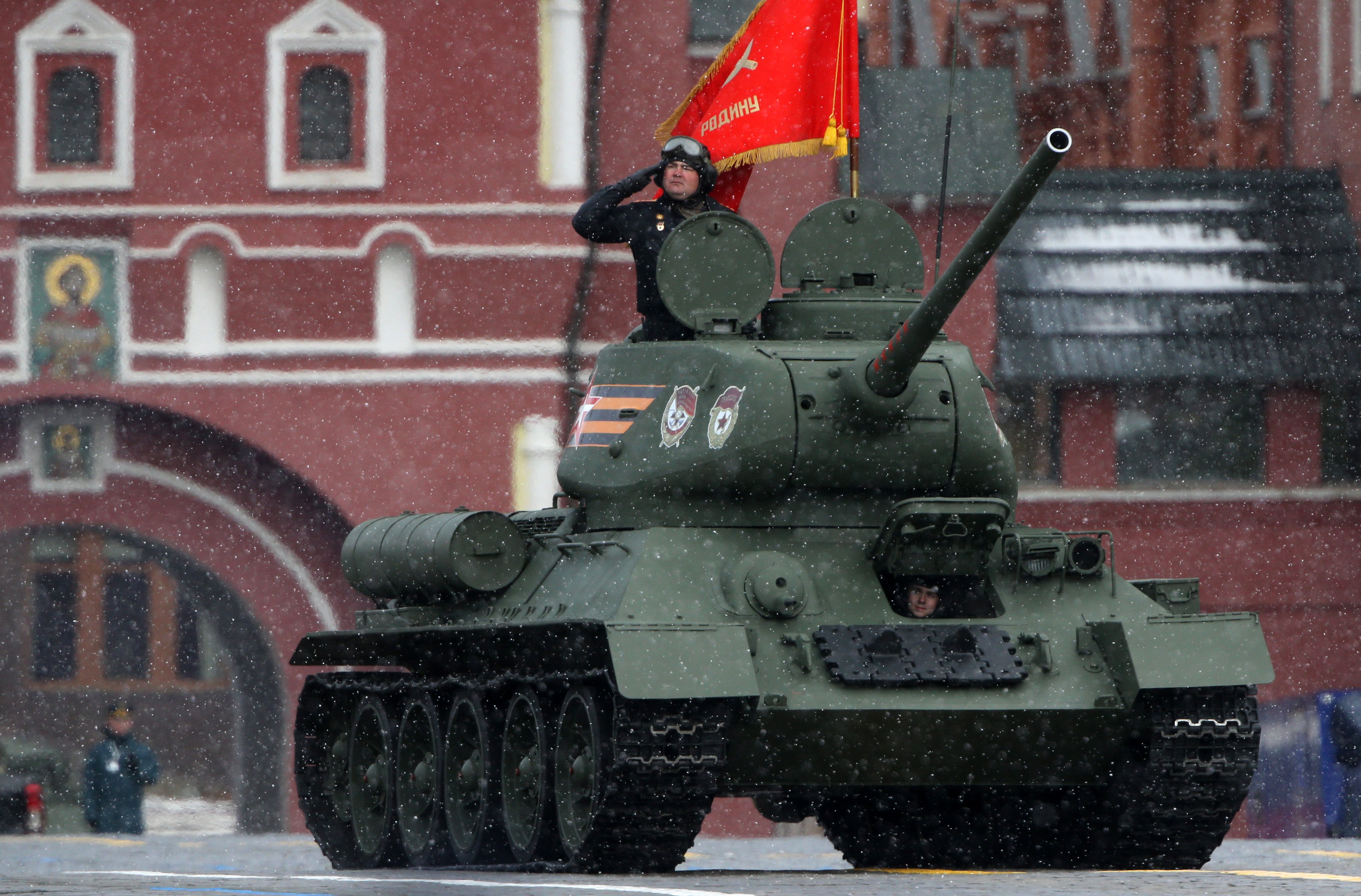
Since then, Russian-Laotian defense ties have only grown stronger. Moscow has reportedly supplied T-72B1 tanks, Mi-17V-5 helicopters, and Yak-130 combat trainers. The two countries have held annual joint exercises—branded “Laros”—since 2019, and Laos remains the only country in Southeast Asia that allows Russian troops to train on its soil.
In 2023, a Soviet-era T-34 tank—one of 30 donated by Laos—rolled through Red Square during Victory Day celebrations. Two years later, in 2025, Lao troops marched alongside Russian forces as one of the few foreign military contingents on parade.
But this alignment carries risk. While Laos has so far avoided serious scrutiny, other Russian allies—North Korea, Iran, Syria, Myanmar—have paid a steep price for siding with Moscow, often in the form of sweeping international sanctions. Ukrainian intelligence warns: Russia is using the language of humanitarian aid to quietly legitimize the presence of foreign military personnel on its soil—forces that are, in reality, being drawn into support roles for its war against Ukraine.
Discuss this article:

-c439b7bd9030ecf9d5a4287dc361ba31.jpg "Photo of Katherina Popilnichenko")
-72b63a4e0c8c475ad81fe3eed3f63729.jpeg "Photo of Cyril Barabaltchouk")