- Category
- Latest news
Russia’s Budget Gains Up to $150 Million Daily From Oil Price Spike After Strait of Hormuz Closure
 Prefer U24 Media on Google
- Authors

-c439b7bd9030ecf9d5a4287dc361ba31.jpg "Photo of Katherina Popilnichenko")
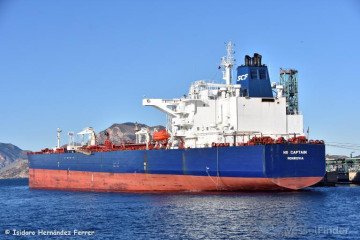
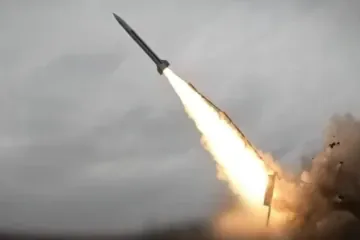
The closure of the Strait of Hormuz and a sharp increase in global oil prices are providing the Russian budget with up to $150 million in additional income every day.
The Kremlin has become a major economic beneficiary of the ongoing Middle East conflict. These profits are allowing Moscow to cover deficits and prepare for a "new energy reality" with the quiet agreement of Washington, according to reports from The Financial Times on March 13.
We bring you stories from the ground. Your support keeps our team in the field.
During the first 12 days of the war between the US, Israel, and Iran, the Russian treasury received an extra $1.3 to $1.9 billion. Financial Times calculations suggest this figure could rise to $5 billion by the end of March.
This shift occurred because blocked shipments from the Persian Gulf forced the world's largest consumers to find other options.
Russian Urals oil, which was priced at $52 in February, has risen to between $70 and $80 per barrel. In India, Russian raw materials are now sold at a premium compared to Brent, even though Moscow previously had to offer large discounts.
Additionally, the US administration decided to ease sanctions pressure on Russia to help control gasoline prices in the United States. This move effectively allowed tankers carrying Russian oil to move freely into the Indian Ocean. India has increased its imports by 50%, while China has seen a 22% increase.
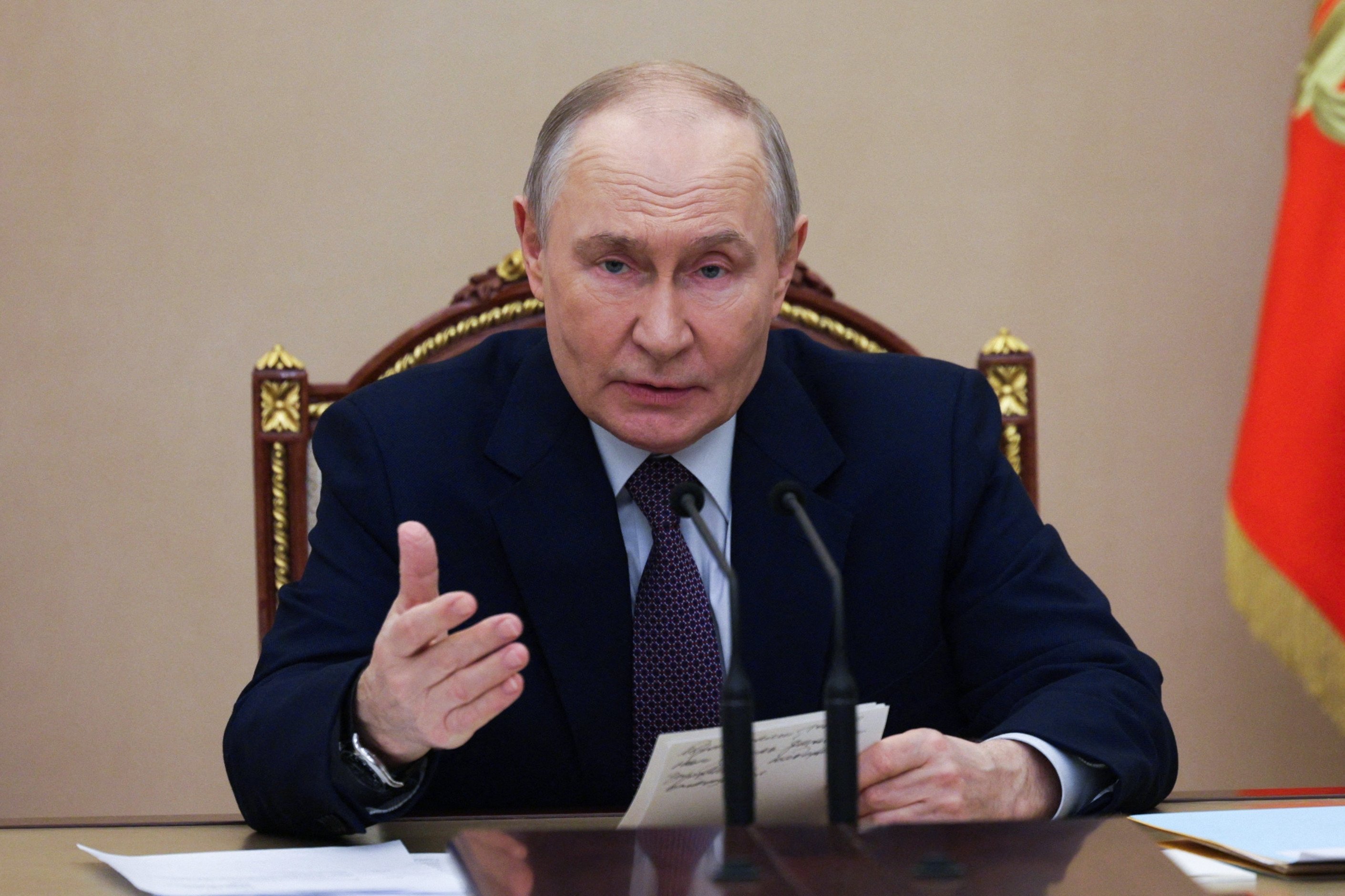
Russian leader Vladimir Putin has started discussing the possible restart of energy exports to Europe. He is putting pressure on Brussels due to a shortage of liquefied natural gas (LNG) and a potential delay in the embargo on Russian gas.
Moscow is preparing additional facilities to produce 400,000 barrels per day to take advantage of the energy crisis in the Middle East.
European governments are already feeling the pressure. Due to the shortage of LNG from Qatar, Brussels may have to postpone the planned embargo on Russian gas to avoid an energy collapse. Putin is using this moment to suggest a return to the European market.
On March 4, Russian Urals crude continued to trade at a significant discount to Brent, even as global oil prices surged due to the crisis in the Middle East.
The average discount for Urals exported from Russia’s western ports widened to approximately $30.9 per barrel below the Dated Brent benchmark, marking the largest gap since April 2023.
Although the closure of the Strait of Hormuz disrupted a fifth of global shipments, Russian suppliers were forced to offer these steep incentives to compete with other sanctioned oil, such as Iranian crude, particularly when selling to refineries in China.
Discuss this article: