- Category
- World
Russian Oil Depots Sued for Fuel Lost in Ukrainian Drone Attacks
 Prefer U24 Media on Google
- Authors

-72b63a4e0c8c475ad81fe3eed3f63729.jpeg "Photo of Cyril Barabaltchouk")
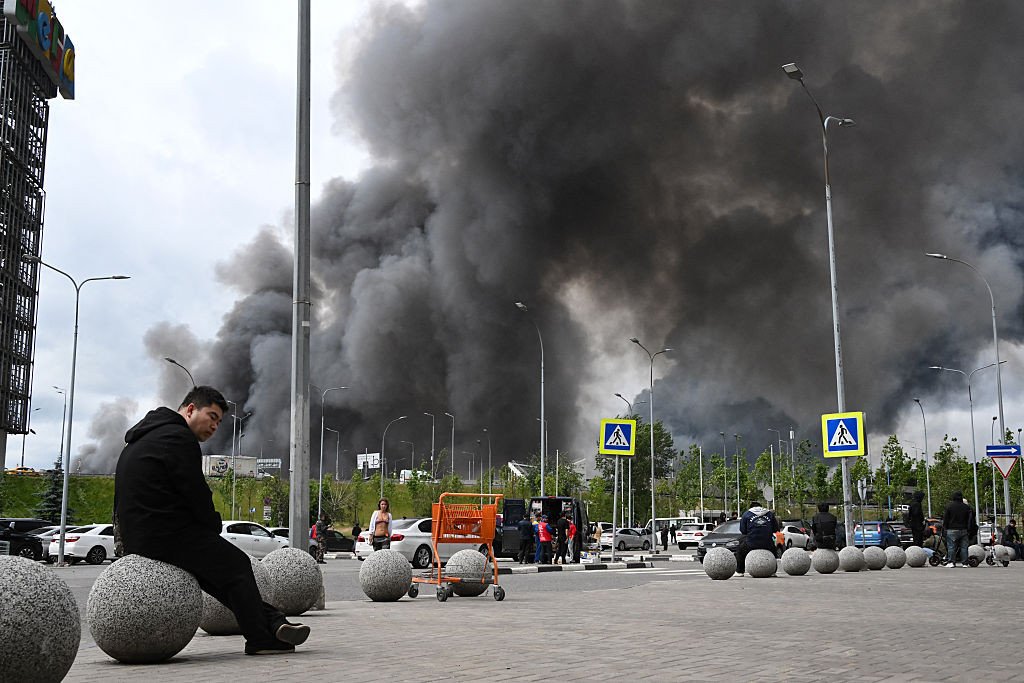
Ukrainian drone strikes on Russian energy infrastructure have destroyed hundreds of tons of commercial fuel, triggering corporate lawsuits and widespread gas rationing, The Moscow Times reported on June 19.
The aerial attacks throughout 2024 and 2025 have prompted business clients to sue storage operators over broken contracts in an effort to recover the cost of lost inventory.
We bring you stories from the ground. Your support keeps our team in the field.
Court documents reviewed by the independent outlet Verstka reveal that while depot owners routinely cite force majeure, arbitration courts have issued inconsistent rulings regarding liability for the destroyed fuel, according to the publication.
In February 2026, the Moscow Arbitration Court ordered the Crimea-based Marine Oil Terminal to pay over 8.4 million rubles ($115,000) to the supplier Mosregiongaz after 132 tons of premium gasoline and 24 tons of diesel were destroyed in an October 2024 strike.
A similar ruling occurred when the Platonovskaya depot in the Tambov region failed to return 80 tons of gasoline following a June 2024 attack. In that case, the court determined the depot had failed to implement adequate preventative measures despite the known threat.
However, the courts have occasionally favored the storage operators, The Moscow Times reported. In April 2026, a judge dismissed a 5-million-ruble ($68,400) claim against the Millerovskaya depot in the Rostov region after 223 tons of fuel burned due to falling debris from an intercepted drone. Because active air defense systems were involved, the court ruled that the facility could not have prevented the damage.
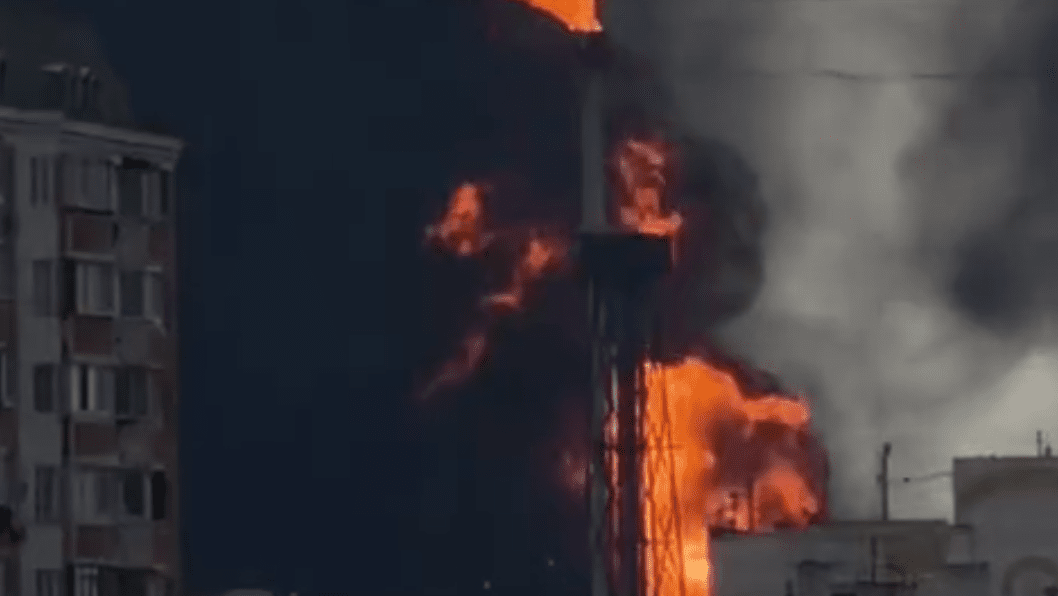
These legal disputes represent only a fraction of the larger systemic damage to the energy sector, as most corporate losses are settled out of court. The cumulative destruction has driven the Russian domestic market into a severe fuel crisis this month following a record 30 drone attacks on energy infrastructure in May.
Consequently, severe rationing measures have been enacted across the country. Authorities in 53 Russian regions have imposed restrictions on retail fuel sales for private vehicles, The Moscow Times noted.
In 18 of these regions—as well as in temporarily occupied Crimea and the illegally annexed regions of eastern and southern Ukraine—purchases are strictly capped at 50 liters or a single full tank. Meanwhile, at least 11 additional regions are experiencing acute shortages at gas stations despite lacking formal volume limits.
The compounding domestic crisis aligns with Ukraine’s intent to dismantle the illusion of a secure Russian capital, as recent drone strikes on a Moscow refinery—located just 15 kilometers from the Kremlin—have shattered the myth of an impenetrable air defense network and brought the realities of the war directly to the metropolitan population.
Discuss this article:
-4a56a6b482ec132402c16ef6fcabf9a2.png)


-c439b7bd9030ecf9d5a4287dc361ba31.jpg "Photo of Katherina Popilnichenko")