- Category
- War in Ukraine
Majority of Russians Prioritize Peace Over Victory in Recent Independent Polls
 Prefer U24 Media on Google
- Authors

-c439b7bd9030ecf9d5a4287dc361ba31.jpg "Photo of Katherina Popilnichenko")
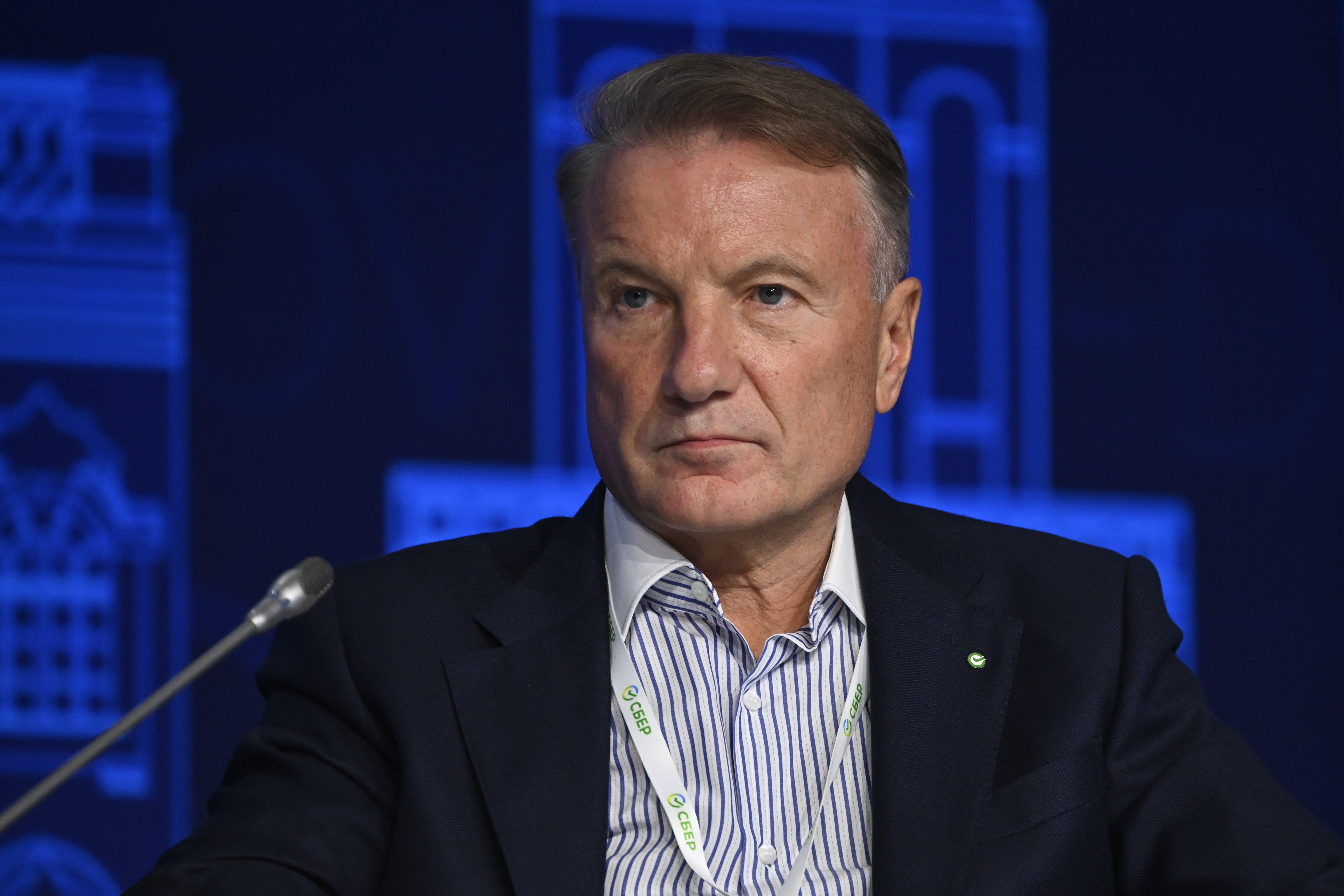
The head of Russia's largest state-owned bank, Sberbank, publicly stated that the most critical issue for all Russian citizens is the swift end to military operations.
Speaking at the bank's annual general meeting, Herman Gref emphasized that the desire for peace unites the population, a sentiment that aligns with independent polling showing 81% of Russians favor an immediate halt to Russia’s full-scale invasion of Ukraine, as reported by The Moscow Times on June 30.
We bring you stories from the ground. Your support keeps our team in the field.
Herman Gref has long served as a key financial pillar for Vladimir Putin’s regime, actively funneling massive banking resources to bankroll Russia’s domestic war effort despite being placed under heavy international sanctions.
While Gref has consistently maintained absolute public alignment with the Kremlin’s aggressive policies, his position has recently shifted from staunch support to visible concern over the mounting economic toll of the invasion.
As international sanctions directly targeting Herman Gref and broader economic pressures continue to impact the Russian financial system, this change in rhetoric reflects growing concern among Moscow’s banking executives regarding the long-term sustainability of the current economic model.
Gref also warned about severe domestic economic strains, noting that the central bank’s high interest rates have left the economy overcooled and unsustainable for long-term survival.
-179c6fe4c51e4075f8612873b2e6fa57.jpg)
Gref addressed shareholders directly regarding the primary concern shared across the nation. "What worries us, I think, worries us all the same. I don't think there's a person in the country who has any other worries apart from the quickest possible end to military actions – that's obvious," Gref stated. His remarks come at a time when other officials maintain a public narrative of total public alignment behind the military campaign.
Data from the Institute for Conflict Studies and Analysis of Russia (IKAR) indicates a significant shift in public sentiment, with the 81% support for ending the war marks a record high since 2022.
Conversely, the segment of the population advocating for continuing the military campaign until a complete victory has dropped to 9%. The poll also highlighted that 33% of respondents view Russia’s full-scale invasion of Ukraine as the primary issue facing the country, outranking domestic concerns like low wages at 24% and high inflation at 18%.
Public concern has also manifested in digital behavior, particularly following recent infrastructure disruptions and drone strikes affecting regions like Moscow and St. Petersburg.
Search queries on the Yandex platform for timelines regarding the end of military operations peaked at 137,000 requests in a single week in late June, representing an all-time high for the duration of the war.
Beyond social anxieties, Gref highlighted critical vulnerabilities in the broader economic framework, which currently relies almost entirely on military production to sustain growth. He cautioned that corporate and consumer sectors cannot survive indefinitely under the central bank's restrictive monetary policy.
"Real rates are around 10%, meaning the central bank's key rate minus current inflation," Gref explained, urging policymakers to begin cutting rates immediately to reverse the economic slowdown.
By mid-2026, not even a commodity price bonanza could mask the structural weaknesses accumulating beneath the surface of the Russian economy.
The temporary gains of the Kremlin's once-booming wartime market gave way to mounting imbalances, as an economy increasingly subordinated to the needs of the military ran directly up against its limits.
Although the rapid expansion of defense spending had initially triggered a surge in nominal incomes and created a domestic constituency with a material stake in the invasion, that economic scaffolding ultimately came undone.
Real wage growth significantly moderated, inflation remained elevated relative to output, and the state was forced to plug its budgetary gaps with higher taxes and severe cuts to non-military social services.
Discuss this article: