- Category
- World
Putin Expands Presidential Security Apparatus for the Fourth Time Since the Ukraine Invasion
 Prefer U24 Media on Google
- Authors

-c439b7bd9030ecf9d5a4287dc361ba31.jpg "Photo of Katherina Popilnichenko")
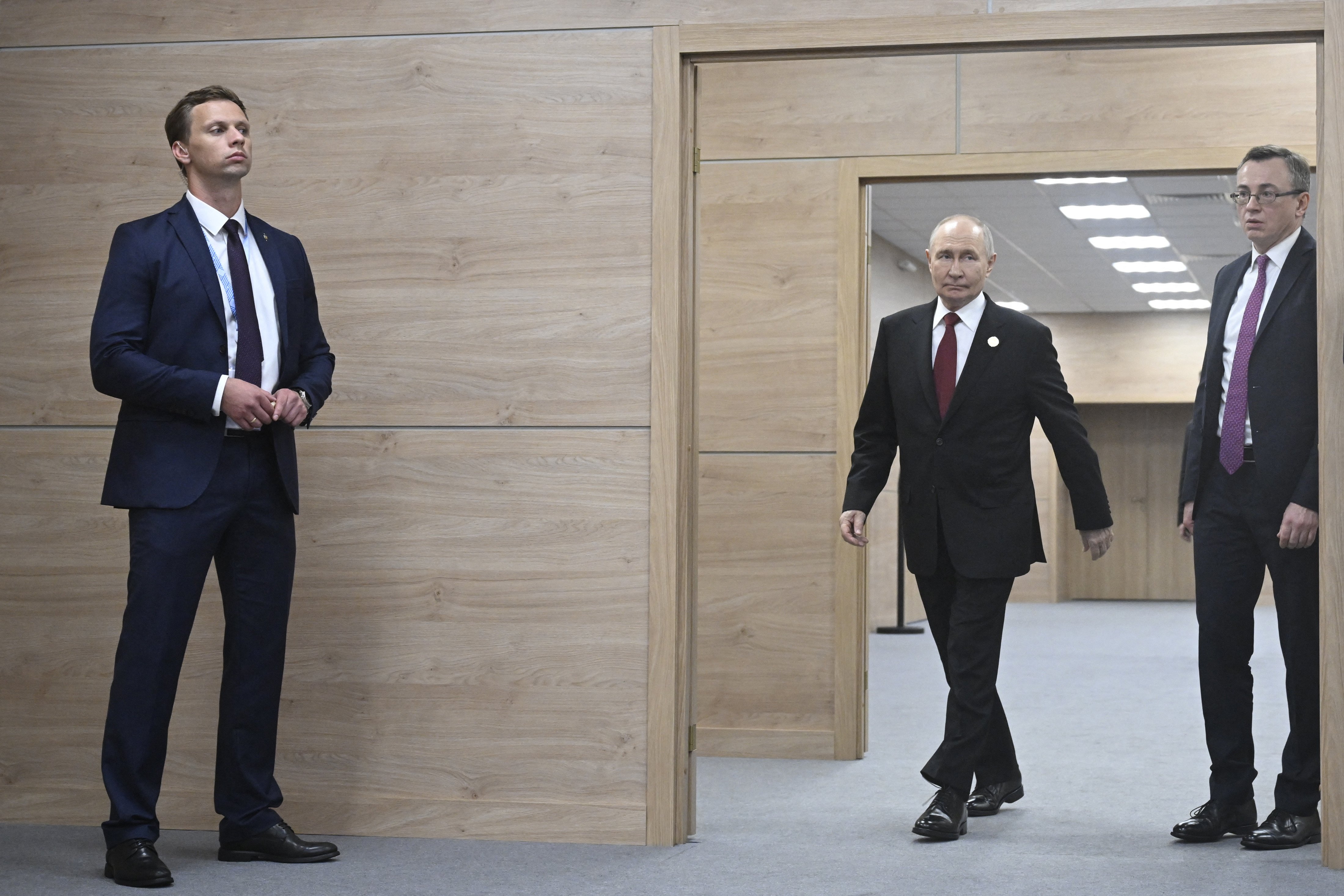
Russian leader Vladimir Putin has ordered the fourth expansion of his personal security workforce since the beginning of Russia’s full-scale invasion of Ukraine.
This measure increases the personnel limit of the Federal Protective Service (FSO) central apparatus from 785 to 812 individuals, according to RBC on June 29.
We bring you stories from the ground. Your support keeps our team in the field.
A draft decree published on Russia's official state portal for legal acts shows the measure will take effect on July 1, 2026. The FSO is primarily responsible for the personal safety of the Russian leader, his family members, and the prime minister.
Prior to Russia’s full-scale invasion of Ukraine, the Kremlin kept the core staff size of the FSO unchanged for nearly 13 years, with the last pre-war modification occurring in March 2010. Since the war began, however, the workforce has been systematically reinforced.
Putin previously expanded the staff from 725 to 760 personnel on December 31, 2022, followed by a two-stage increase in January 2024 that raised the limit to 775, and subsequently to 785 workers by January 1, 2025.
Beyond external perimeters, the internal Presidential Security Service functions as an independent entity within the FSO, maintaining round-the-clock proximity to the Russian leader.
According to details from a restricted state-produced documentary, the elite guard consists primarily of tall individuals from regional towns with an average age of 36 who undergo rigorous polygraph tests and psychological screenings.
Security personnel manage all aspects of the president's travel logistics, including specialized transport, armored trains, and anti-missile thermal traps on presidential aircraft.
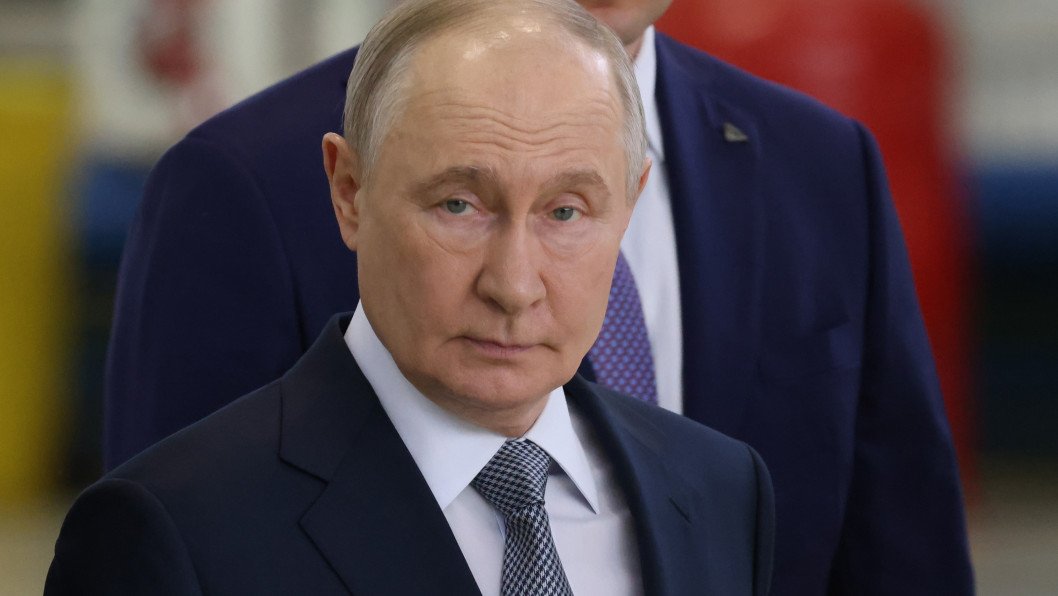
The strict security protocols extend directly to the presidential kitchen, where all cooks and servers hold military ranks and undergo continuous tactical and firearms training.
Kitchen staff must operate under sterile conditions, utilize multi-layer uniform changes, and submit every meal to specialized FSO medical teams for toxicity testing before service.
Serving as a personal guard also remains a highly viable pathway into the upper echelons of Russian governance, as demonstrated by former bodyguard Alexey Dyumin, who secured a regional governorship in 2016 before advancing to presidential assistant and Secretary of the State Council in 2024.
According to Deutsche Welle, the heightened security measures follow growing domestic vulnerabilities within the protection network. An investigation by Le Monde revealed that several FSO employees inadvertently exposed Putin's secret movements between 2019 and 2024 by publicly sharing their running routes on the fitness application Strava.
-f47413d8908f40025bc0b7ec16a41b24.jpg)
The geolocations showed security staff operating near suspected presidential residences around Gelendzhik on the Black Sea coast and in Karelia during periods when the Russian leader had withdrawn from public view.
The fitness data also preemptively tracked security staff arrivals at high-level diplomatic venues in Brazil, Israel, the United Arab Emirates, and near the Vostochny Cosmodrome ahead of Putin's meeting with North Korean leader Kim Jong Un.
The Russian leader's fear for his own life has reshaped his movements for months. Since early March, Putin has suspended visits to his usual residences near Moscow and at Valdai, and has been operating instead from hardened, modernized bunkers in the Krasnodar region.
The Federal Protective Service has meanwhile expanded its priority-protection roster to include at least 10 senior military figures.
Discuss this article:
-9a7b3a98ed5c506e0b77a6663f5727c5.png)

-111f0e5095e02c02446ffed57bfb0ab1.jpeg "Photo of Roman Kohanets")