- Category
- World
Russian Elites Contemplate Exit Strategies Over Economic Strain and War Escalation
 Prefer U24 Media on Google
- Authors

-c439b7bd9030ecf9d5a4287dc361ba31.jpg "Photo of Katherina Popilnichenko")
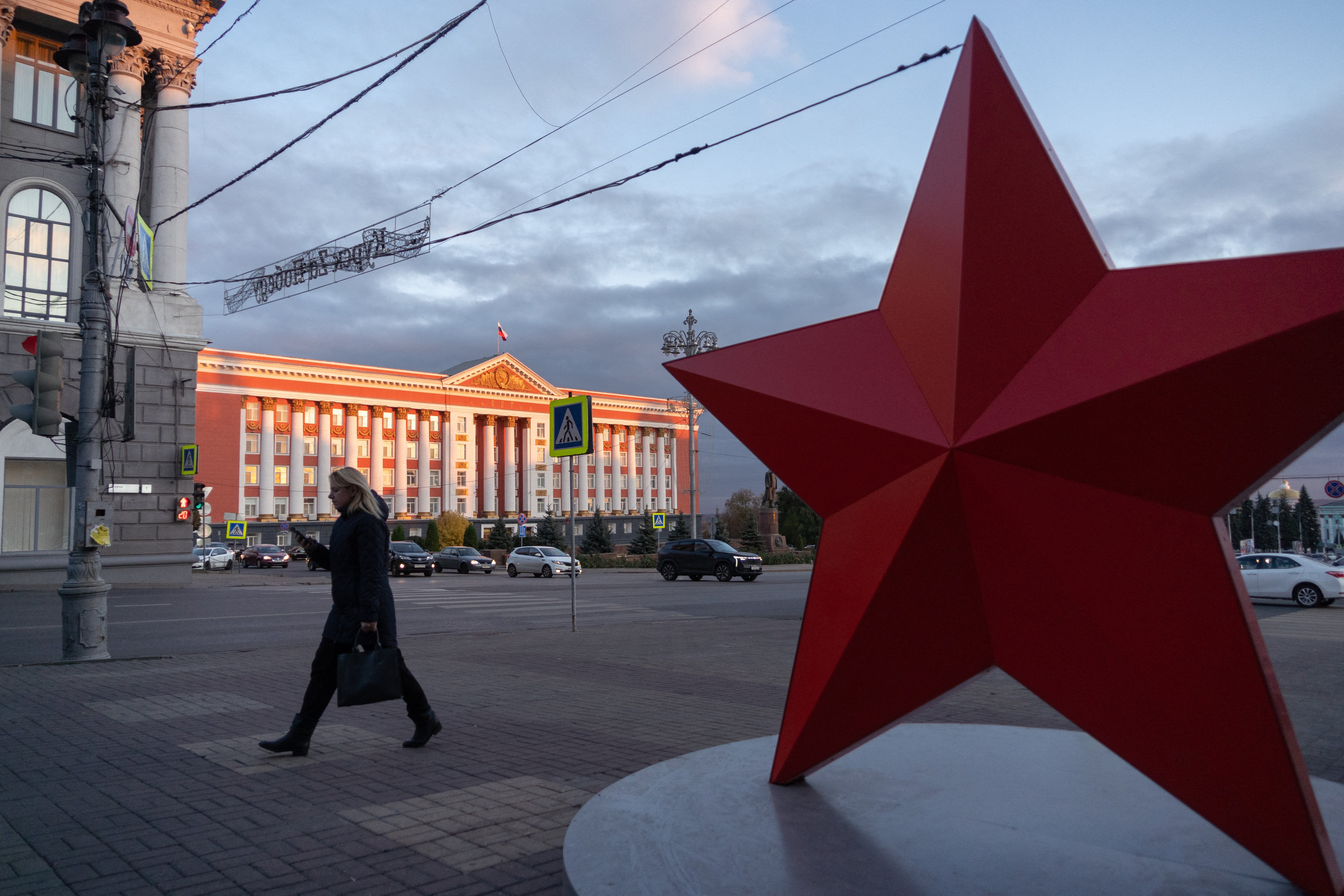
A potential military escalation by Vladimir Putin in response to ukrainian long-range strikes inside Russia has sparked growing anxiety among Russian elites.
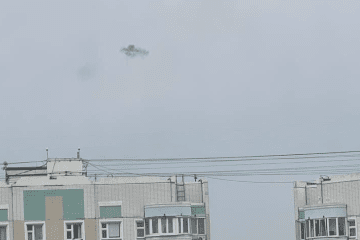
The nervousness comes as drone attacks hit 9 out of 10 of Russia's largest oil refineries, alongside military facilities in Voronezh, Volgograd, and Tula regions. Government officials are struggling to sustain the economy and manage a budget deficit that reached over 6 trillion rubles ($78 billion) between January and May, according to The Moscow Times.
We bring you stories from the ground. Your support keeps our team in the field.
Business communities fear the state might seize private savings to fund Russia’s full-scale invasion of Ukraine. Rumors about the confiscation of bank deposits have circulated since late 2024 and gained attention in June when Communist Party leader Gennady Zyuganov suggested mobilizing personal and corporate bank funds.
The increasing scale of Ukrainian strikes threatens to cut off Crimea and has created the most severe fuel crisis in the country's history. These domestic challenges coincide with a shifting geopolitical landscape.
The economic situation is further strained by falling oil prices. Following an agreement between the United States and Iran, the price of Russian Urals crude dropped to $50 per barrel.
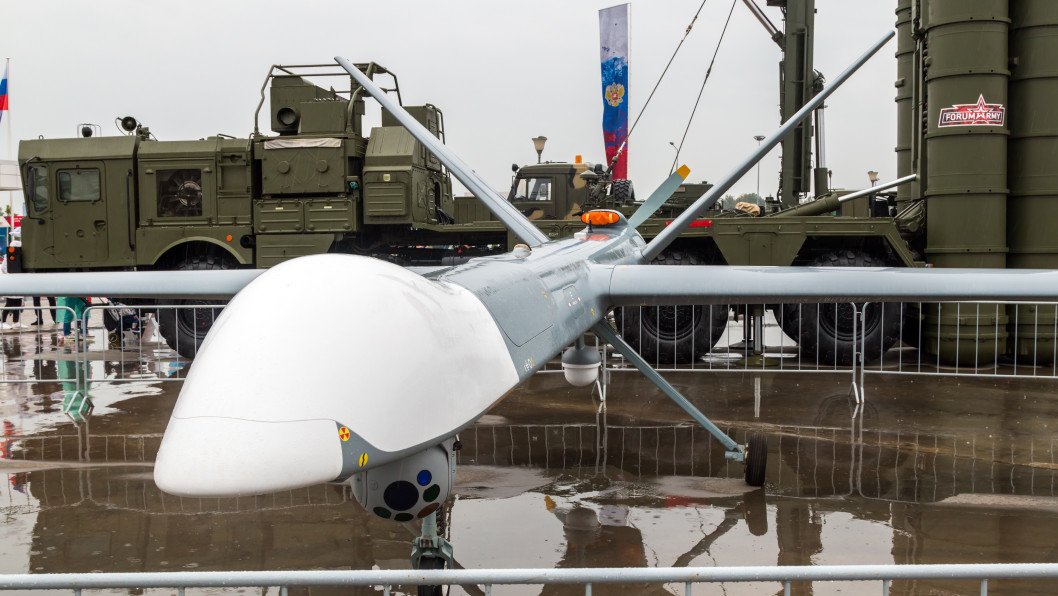
"There are not enough air defense systems to protect our infrastructure, that is clear," a Moscow businessman told. "Nobody knows what to do to increase production. This is a terrible situation that Putin and his inner circle did not seem to expect. They did not prepare for a long war and they are not ready for a drone war."
At the same time, the Ministry of Finance must fund increased military spending, which consumed half of all budget expenditures and two-thirds of collected taxes in the first quarter.
"Everyone is thinking about how to withdraw money and leave," a Moscow businessman said.
A former high-ranking financial official stated that due to the massive deficit and the nearly depleted National Wealth Fund, the government will rely more on borrowing, which will drive up inflation. Despite these pressures, Putin is unlikely to back down and is expected to seek ways to intensify strikes against Ukraine.
Although Zyuganov later distanced himself from the comments, the anxiety remains. "The government could try to get money by any means. Everyone is thinking about how to withdraw money and leave," a Moscow businessman said.
Tatiana Stanovaya, a senior fellow at the Carnegie Russia Eurasia Center, pointed out that this lack of preparedness is characteristic of a system centered entirely on Putin's dominant role, which suffers from poor coordination between government branches.
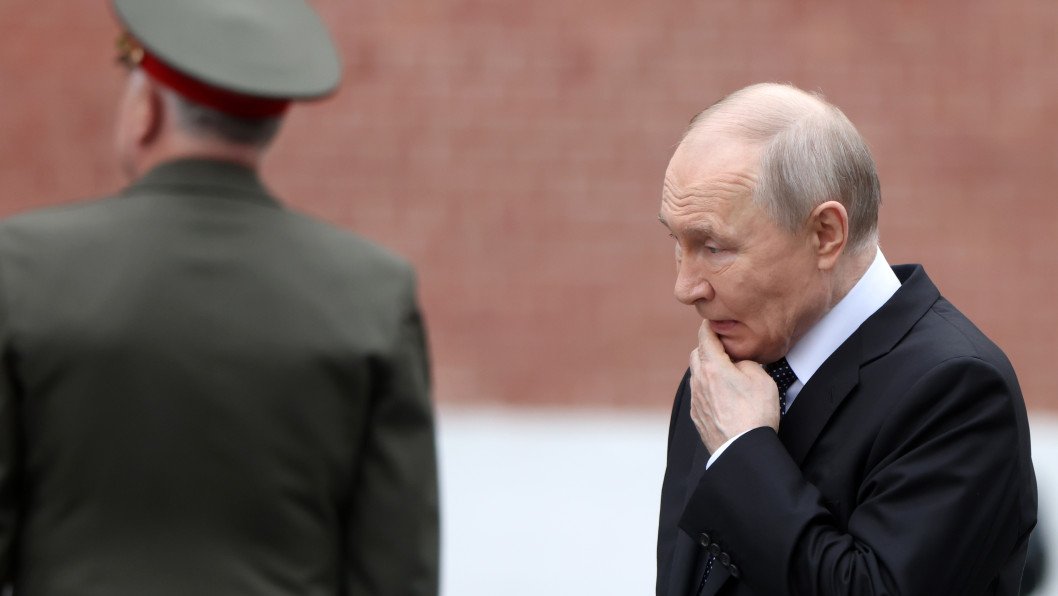
She described it as a persistent issue for Russian authorities and a major test for both the economy and the population, questioning whether a clear plan exists to handle the current situation.
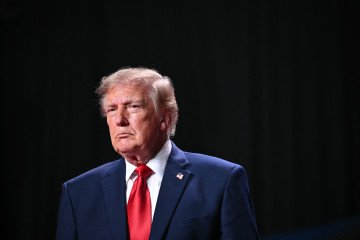
Donald Trump recently threatened fresh sanctions, praised Ukrainian President Volodymyr Zelenskyy, and signed a G7 declaration supporting Ukraine's territorial integrity.
Recently, it was reported that Russia is planning to implement a new windfall tax on major corporations. This move is intended to mitigate the increasing economic pressure resulting from its ongoing war in Ukraine.
Discuss this article:
-4a56a6b482ec132402c16ef6fcabf9a2.png)


-111f0e5095e02c02446ffed57bfb0ab1.jpeg "Photo of Roman Kohanets")