- Category
- World
Latvia’s Culture Minister Pushes to Rename Soviet-Era Streets and Towns
 Prefer U24 Media on Google
- Authors

-72b63a4e0c8c475ad81fe3eed3f63729.jpeg "Photo of Cyril Barabaltchouk")
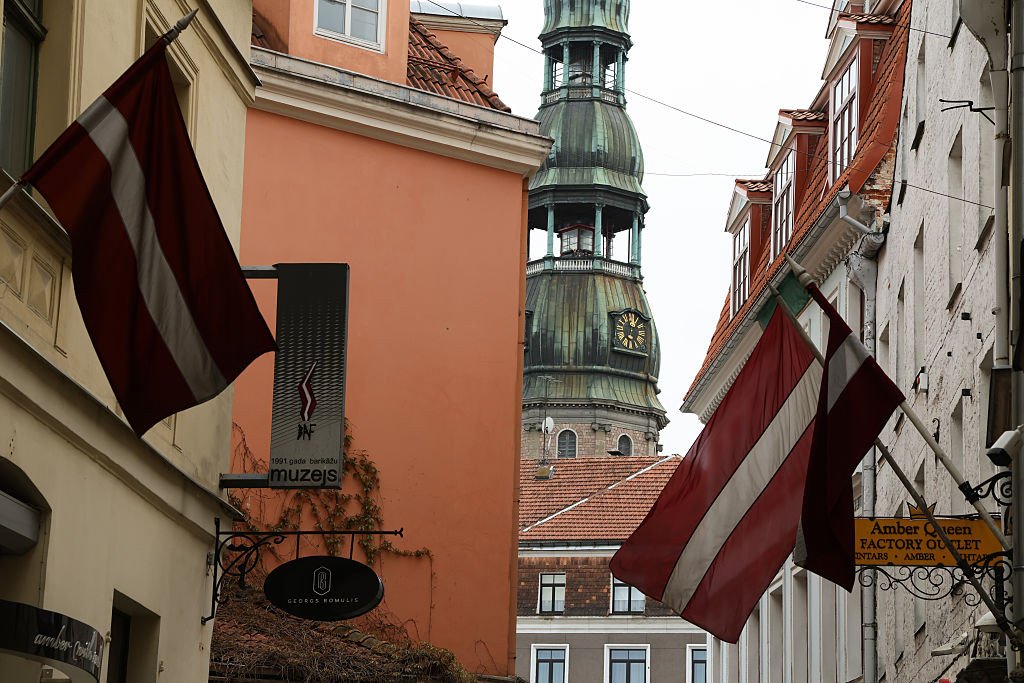
Latvia’s Minister of Culture, Nauris Puntulis, is urging the Saeima, the country’s parliament, to revive legislation on renaming streets and populated areas whose names date back to the Soviet occupation, according to ministerial adviser Agnese Vārpiņa, cited by the LETA news agency on August 10.
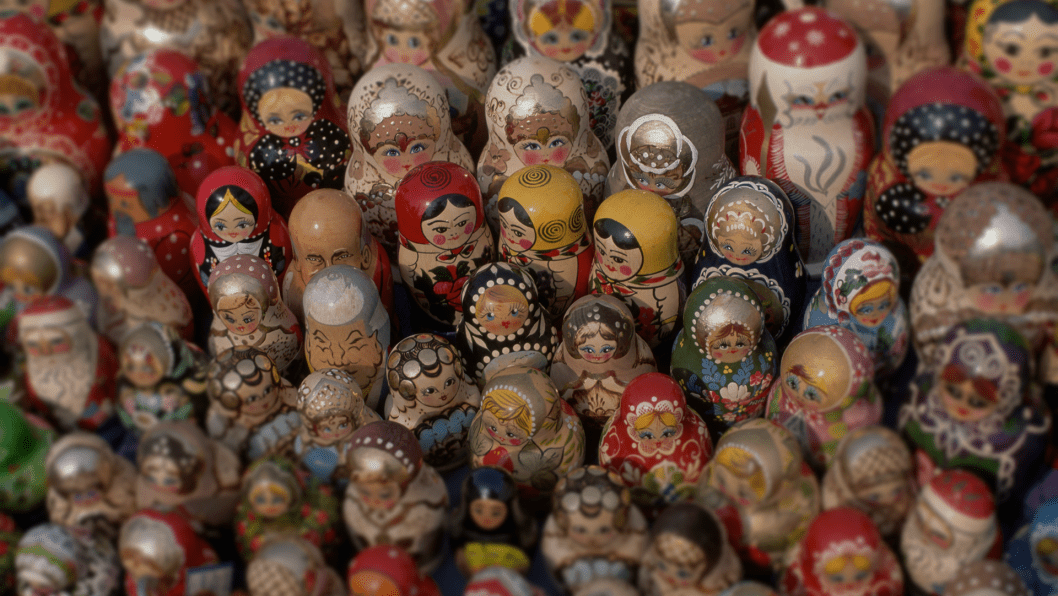
Efforts to remove Soviet-era place names come amid a wider push by the Baltic states to counter lingering Russian influence. Latvia’s 2023 National Security Concept will require all public media content to be exclusively in Latvian or another language of “the European cultural space” since 2026.
We bring you stories from the ground. Your support keeps our team in the field.
Estonia, meanwhile, has begun phasing in Estonian-only school instruction, part of a regional response to what Ukraine’s Center for Countering Disinformation has described as Kremlin propaganda targeting Russian-speaking communities in the Baltics.
Vārpiņa recalled that on June 19, 2023, then-President Egils Levits called on parliament to adopt a law renaming places introduced as a result of the communist totalitarian regime’s policies and Russification.
Puntulis has now submitted the same appeal to the Saeima’s Education, Culture, and Science Committee. The draft law calls for renaming streets and populated areas introduced under the totalitarian occupation regime to better reflect Latvian cultural identity and statehood, press.lv wrote.
Puntulis argued it is unacceptable that Latvia still has names such as Pioneer Street, Moscow Street, October Street, Andreja Upīša Street, and Paula Lejiņa Street, as well as populated areas called Holodnije Ručji and Tihaja Pristaņa. In his view, abandoning street names that glorify the communist totalitarian regime or its supporters would foster a more Latvian environment, strengthen national self-awareness, and affirm Latvia as a free and democratic state.
In his 2023 letter to the Saeima outlining the need for the law, Levits attached a draft bill developed by the Public Memory Center, an NGO. It came along with a list of specific Latvian place and street names that would need to be changed, according to press.lv.
Puntulis met in July with Kārlis Kangeris, chairman of the Public Memory Center’s board, along with the organization’s researchers. Over the past year, the group has updated its draft legislation, titled the “Law on Renaming Names Related to the Communist Totalitarian Regime and Russification,” which has now been submitted to the Saeima’s Education, Culture, and Science Committee alongside Puntulis’s appeal.
Press.lv writes that the organization has also compiled an updated list of place names it says should be changed.
As previously reported, Levits called on the Saeima in 2023 to pass a law that would “eliminate and prevent in the future” the glorification of Russification or totalitarian regimes in street and place names. At the time, he stressed that some street names and place names commemorating “minor Soviet occupation officials, local collaborators, or otherwise clearly linked to the Soviet Union or Tsarist Russia” remain part of Latvia’s public environment.
-46d87e1fcb4290ce27c4dc2d8e447a9c.jpg)
The former president emphasized that attitudes toward the past—and the street names and place names representing it—are a matter of national significance, and that municipalities should not differ in their approach. It should be uniform across the country, press.lv reported.
Baltic states have also sought support from Ukraine on other fronts of pressure from Moscow. Ukrainian Foreign Minister Andrii Sybiha previously said that Ukraine would help Latvia, Lithuania, and Estonia counter Russian disinformation, including claims that the countries had allowed their airspace to be used by Ukrainian drones.
“The Russians are particularly active in spreading disinformation in the Baltic states,” Sybiha said, adding that Ukraine would assist its “friends” in de-escalating the tension.
Discuss this article:


-c439b7bd9030ecf9d5a4287dc361ba31.jpg "Photo of Katherina Popilnichenko")
-111f0e5095e02c02446ffed57bfb0ab1.jpeg "Photo of Roman Kohanets")