- Category
- War in Ukraine
Russia’s Starlink Rival Is Already Getting a Secret Upgrade After Its Last Satellites Ran Into Trouble
 Prefer U24 Media on Google
- Authors


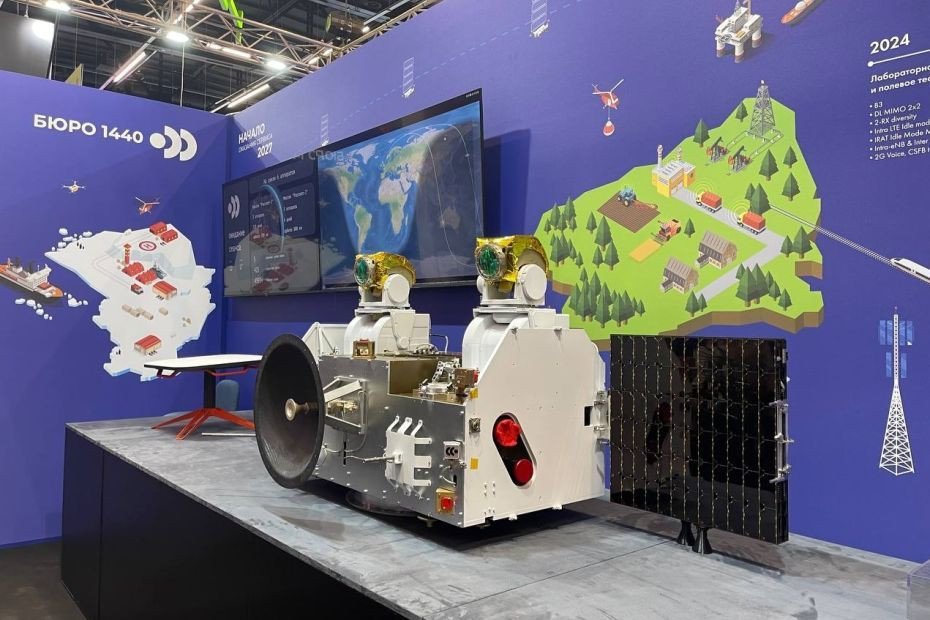
Russia appears to be quietly developing a new generation of satellites for its planned Starlink-style communications network after problems emerged with the Rassvet-3 spacecraft already launched into orbit, according to Defense Express on November 3.
A Russian filing with the International Telecommunication Union has revealed a new network designated RASSVET-4, potentially providing the first public indication of a previously undisclosed Rassvet-4 satellite.
We bring you stories from the ground. Your support keeps our team in the field.
The filing describes a constellation of 374 spacecraft operating at an altitude of about 800 kilometers, spread across 17 orbital planes with 22 satellites in each.
Defense Express assesses that the application may represent less a completely separate satellite network than the registration of a new spacecraft design intended to operate alongside the existing Rassvet-3 satellites within the broader Rassvet constellation.
Rassvet-4 appears to be an upgraded version of Rassvet-3 rather than an entirely new platform, potentially incorporating lessons from the first 32 Rassvet-3 satellites launched in March and July 2026.
Those spacecraft have not had a smooth deployment.
Two Rassvet-3 satellites have already fallen from orbit, while the remaining 30 have yet to reach their intended operational positions at roughly 800 kilometers.
Rassvet №17 is still decaying though, and will burn up ~tomorrow, becoming 2nd decayed satellite after Rassvet №4 (which decayed much quicker, as shown here).
— afec7032 🇷🇺 (@afec7032) October 29, 2026
So as of now, it is safe to say that the constellation lost 2 satellites out of 32 launched, or 1 in each batch (~6%). pic.twitter.com/5fOP0lWjdj
Russia’s Bureau 1440, the company developing the constellation, has not publicly announced Rassvet-4. However, company representatives said in September that work was underway on an improved version of Rassvet-3.
The ITU filing also reveals some technical details about the Rassvet-4 communications payload.
According to the published data, the satellite would use 12 antenna beams—seven for transmission and five for reception. The filing also includes information on operating frequencies and beam characteristics.
Few other details about Rassvet-4 are currently public.
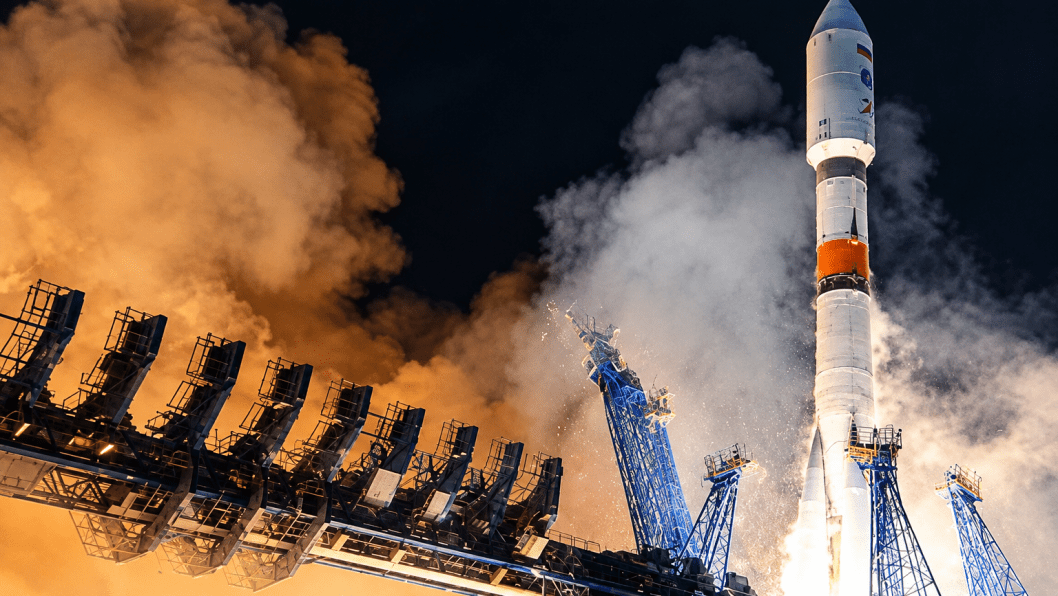
The lack of an official announcement raises the possibility that Russia could place the new spacecraft into orbit before publicly presenting them.
Defense Express notes that the next Rassvet launch is expected in the near future, meaning Rassvet-4 satellites could potentially appear aboard a coming mission without advance notice.
Russia has been developing Rassvet as a domestic alternative to satellite internet constellations such as Starlink, aiming eventually to provide broadband communications through a large network of low-Earth-orbit satellites.
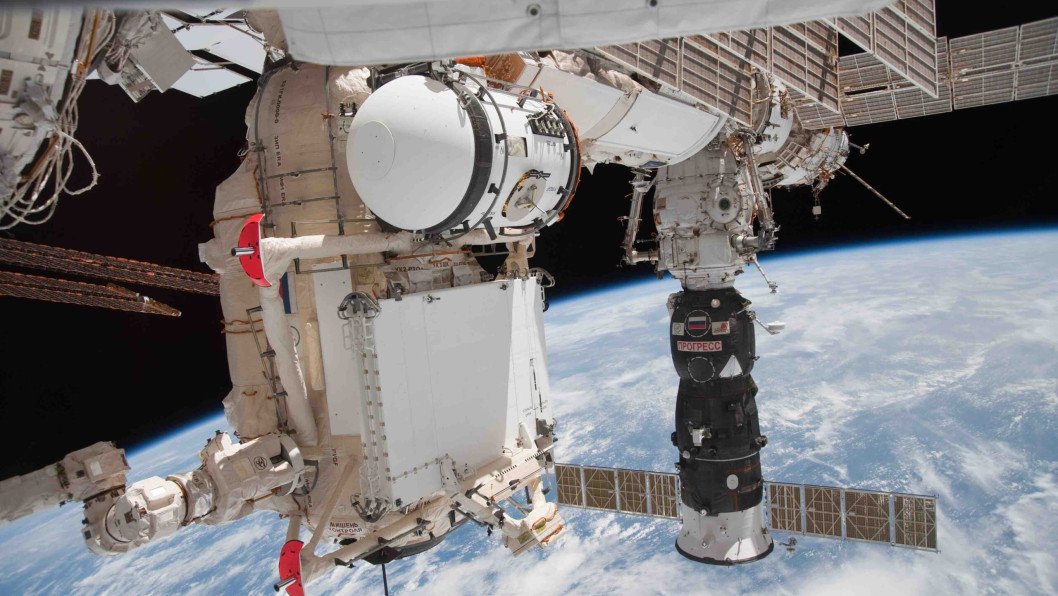
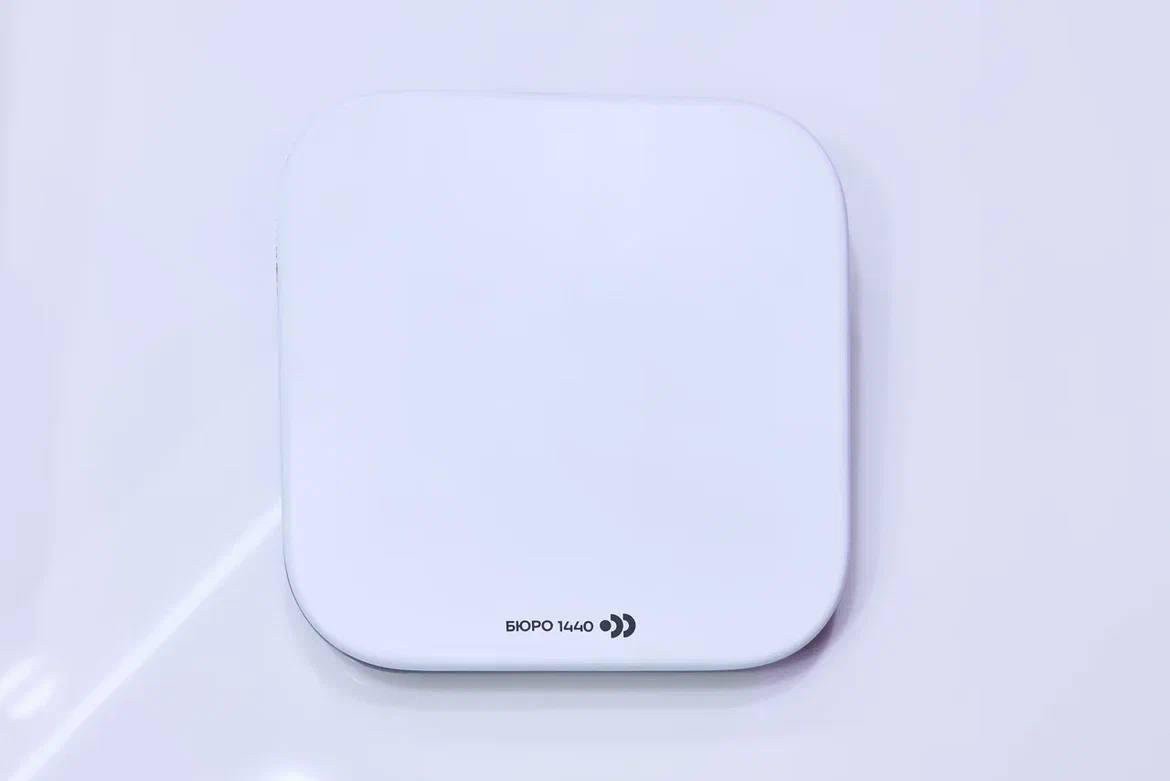
Objects resembling Rassvet satellite-communications terminals have recently been spotted on Russian drones, suggesting Moscow is already experimenting with integrating satellite connectivity into military unmanned systems.
But despite those tests, Russia remains far from fielding a fully operational constellation.
Earlier, reports emerged that the Rassvet satellites were already providing at least two daily “communication windows” over Ukraine as of July 2026, each lasting more than an hour.
Discuss this article: