- Category
- Investigations
Russia’s Starlink Rival Has a Weakness—A Single Factory Near Ukraine’s Border
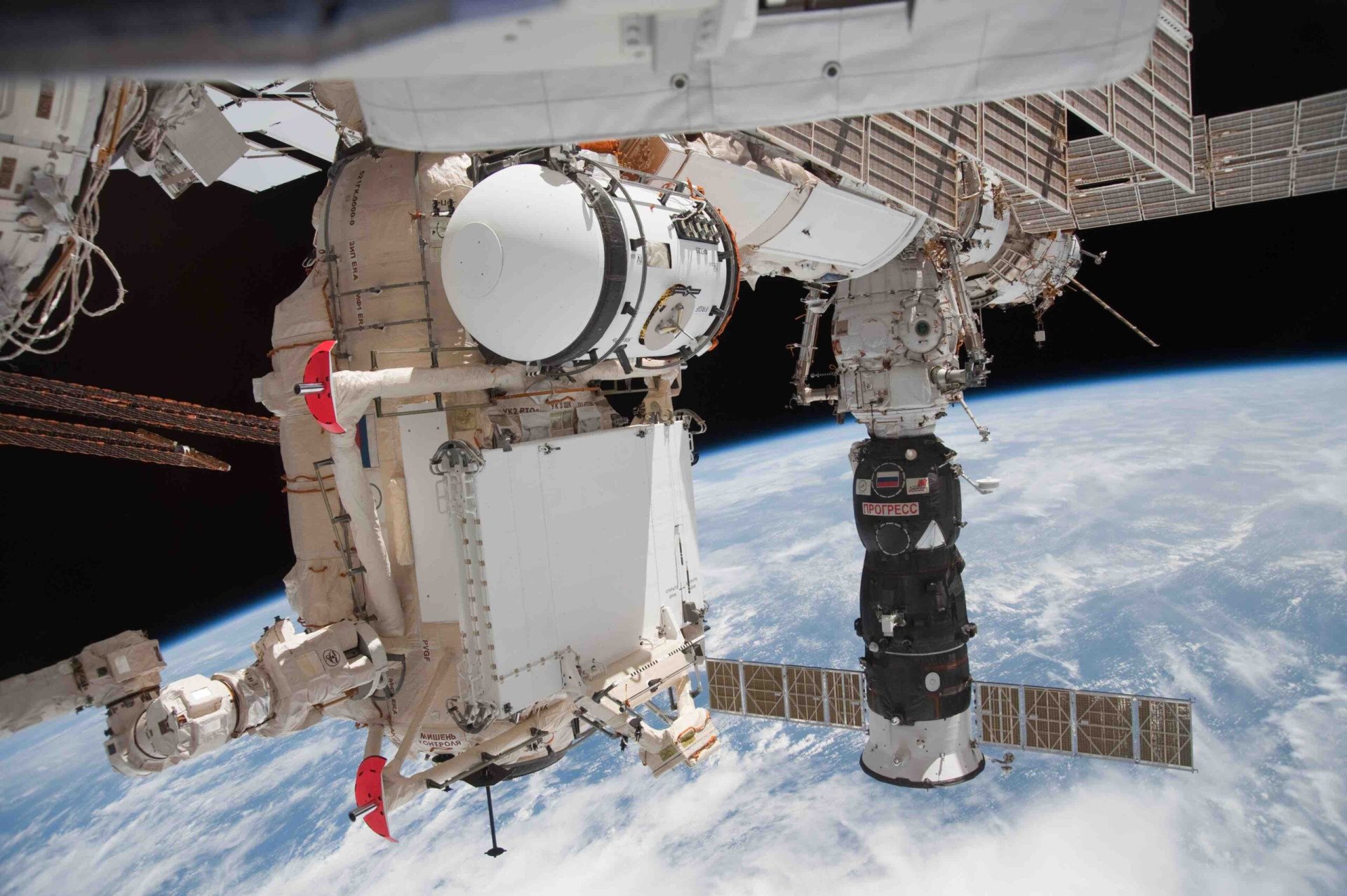
Russia wants to launch hundreds of Rassvet satellites into orbit. But its plans may hinge on a single rocket engine factory in Voronezh. A UNITED24 Media investigation reveals how competing demands from multiple Russian space programs have created a critical vulnerability in Moscow’s satellite ambitions.
 Prefer U24 Media on Google
Russia’s answer to Starlink—Rassvet—is already struggling to get off the ground. Satellites have been lost, others have failed to reach their intended orbits, and Moscow is falling behind its ambitious deployment schedule. But the problems facing Russia’s Rassvet network may run deeper than malfunctioning spacecraft.
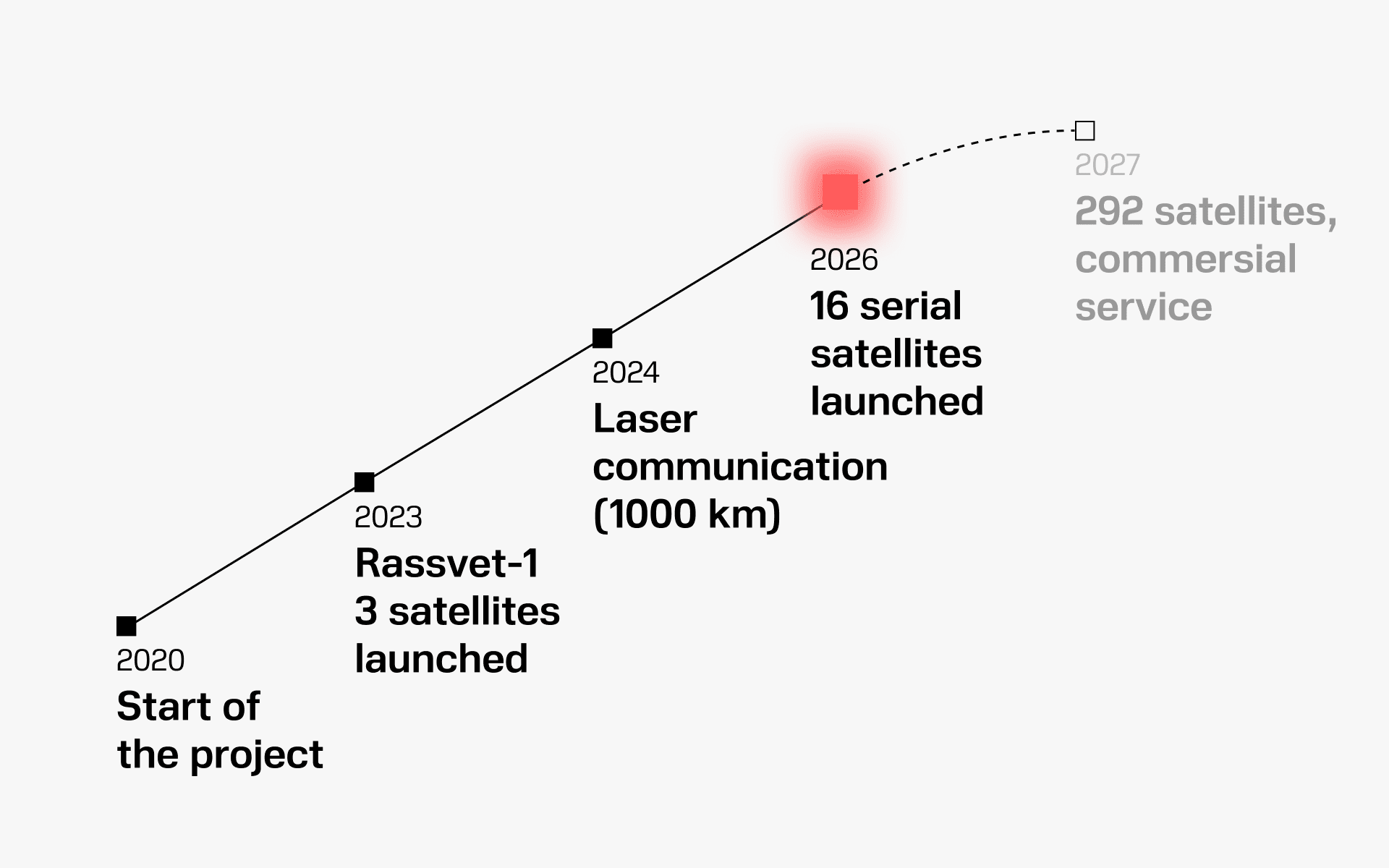
The system’s developer, Russia’s Bureau 1440, promises to begin commercial operations as early as 2027. According to the government’s plan, 156 satellites were supposed to be in orbit by the end of 2026, with that number rising to 292 a year later.
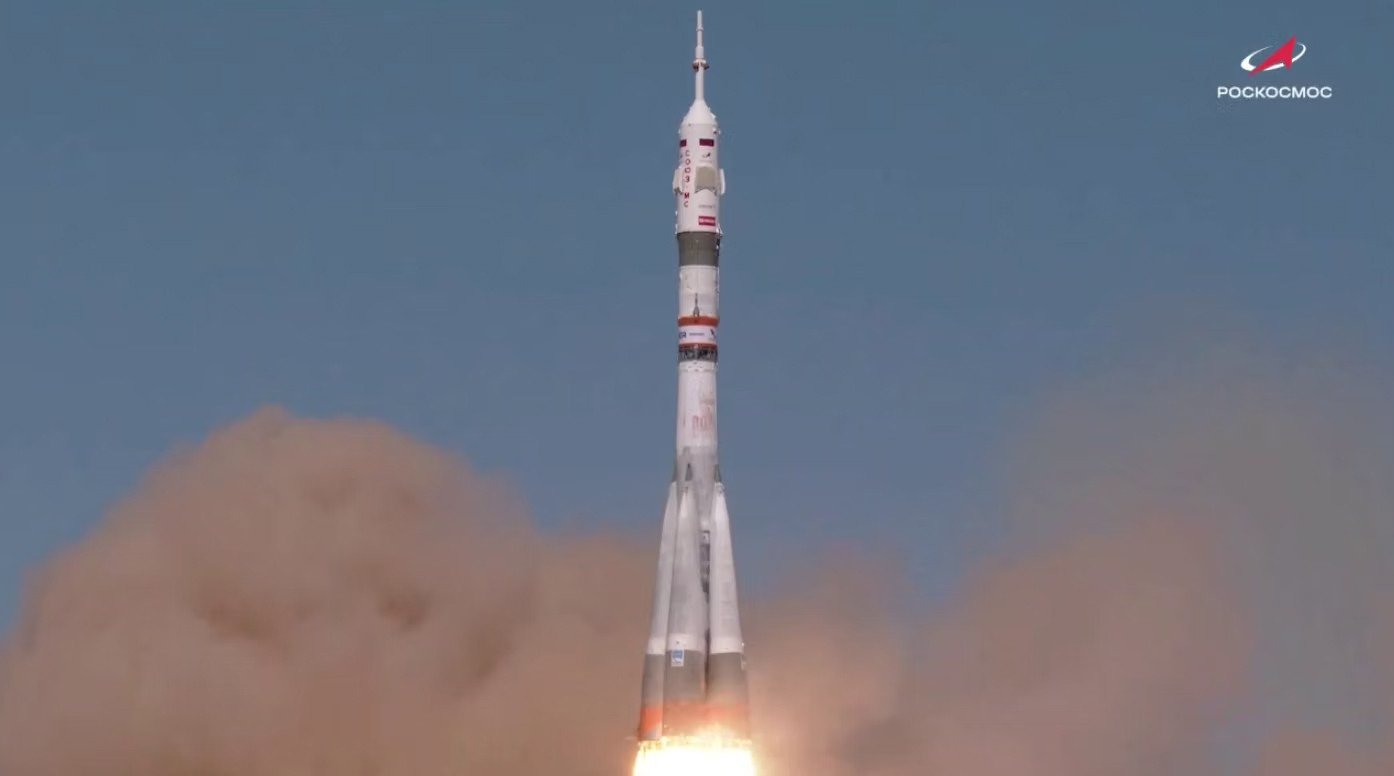
In March 2026, the project entered the Rassvet-3 phase of satellite deployment, when a Soyuz-2.1b rocket launched the first 16 mass-produced satellites into orbit. A second batch launch followed in July. Just a few weeks ago, Bureau 1440 publicly demonstrated satellite-based video communications and unveiled new user terminals.
Yet the project’s future success depends not only on how many satellites Moscow-based Bureau 1440 can manufacture, but also on the factories responsible for launching them. One of those facilities is located in Voronezh.
To deploy its satellite constellation, Russia must regularly launch new spacecraft into orbit. So far, that process has encountered problems. Following Rassvet’s first production launch in March 2026, one of the 16 satellites was lost, while two others struggled for an extended period to reach their operational altitude.
Most satellites in the second batch, launched in July, continued climbing toward their intended altitude, but several also showed signs of trouble. Of the 32 production satellites launched so far, none has reached its designated orbit. To meet the government’s target, Russia would need to conduct another seven launches and deploy 125 additional satellites by the end of the year—a prospect that currently appears unlikely.
What does Russia’s Rassvet satellite network depend on?
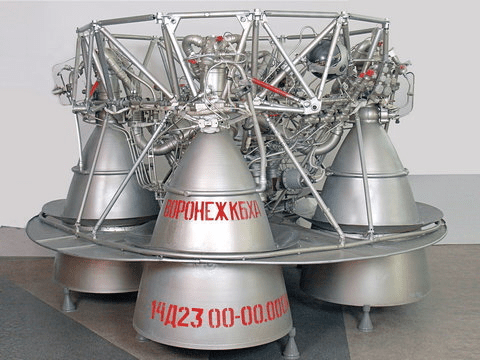
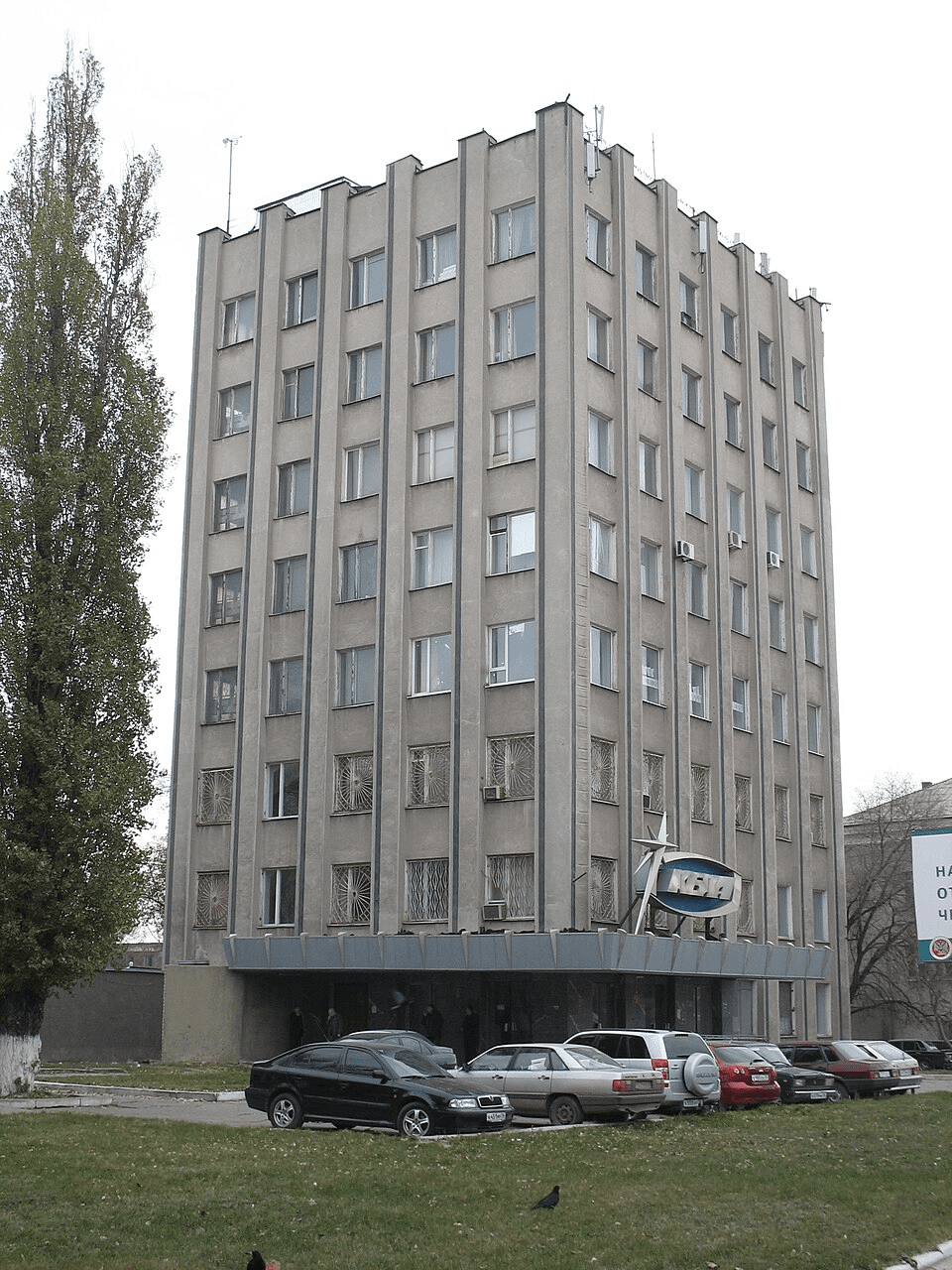
A critical vulnerability in the program emerges at the very stage of launching satellites into space. Russia used Soyuz-2.1b rockets for Rassvet’s first two production batches. Tracing the rocket’s supply chain leads, among other places, to Voronezh, where the Chemical Automatics Design Bureau (KBKhA) manufactures the RD-0124 engine for its third stage. Each launch requires one such engine.
Open-source data does not identify any other manufacturer producing this engine on a serial basis. As a result, behind the ambitious program involving hundreds of satellites lies a much smaller industrial link that would be extremely difficult, if not impossible, to replicate quickly.
Inside the Voronezh factory producing Russia’s rocket engines
The rocket component central to this story begins operating high above Earth. Once the lower stages have completed their work, the third stage continues accelerating the payload.
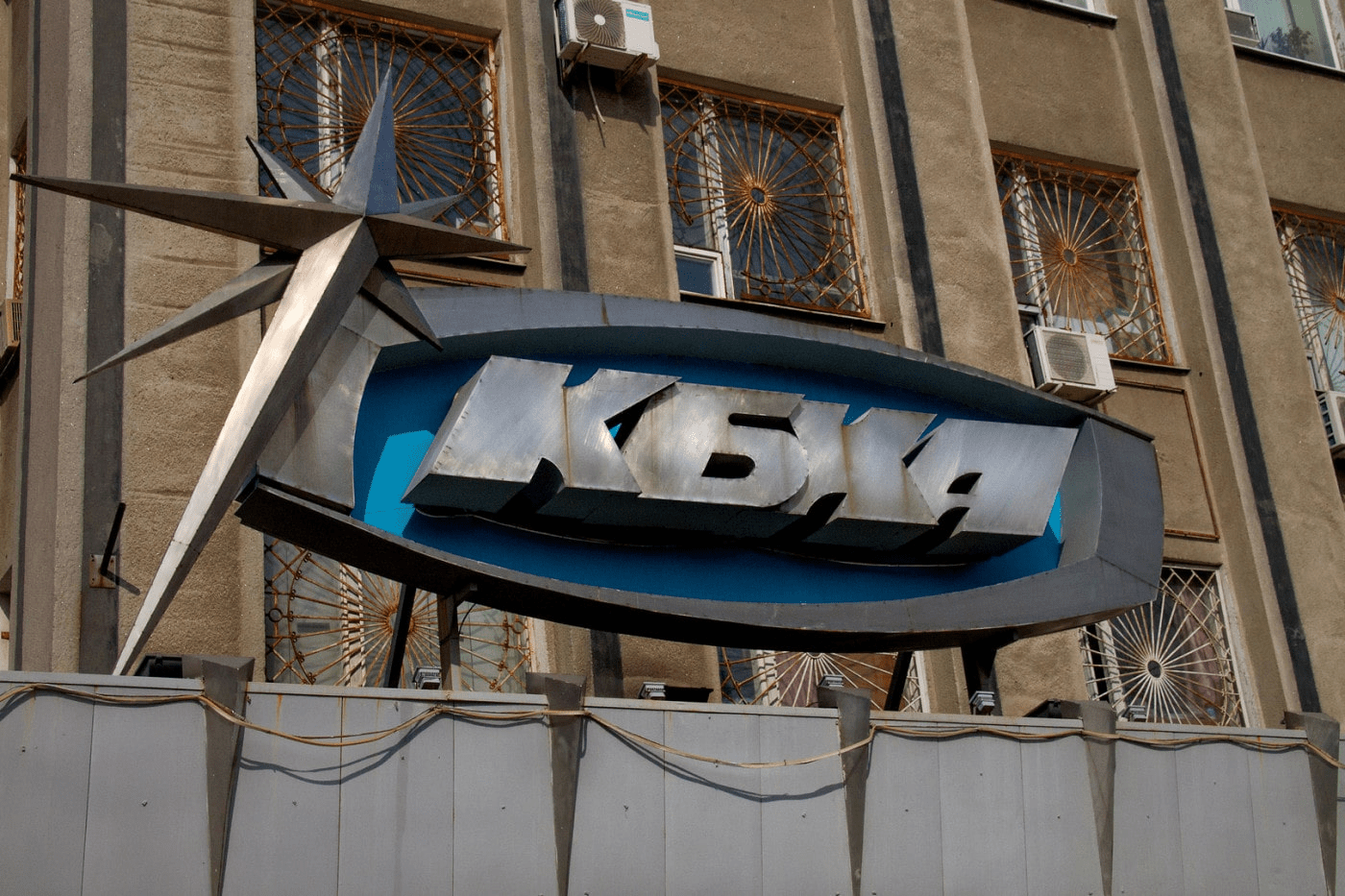
On the Soyuz-2.1b, that task falls to the RD-0124, a liquid-propellant rocket engine developed by the Chemical Automatics Design Bureau, or KBKhA. The enterprise is subject to Ukrainian sanctions but is not included on the sanctions lists of the European Union, the United States, or the United Kingdom.
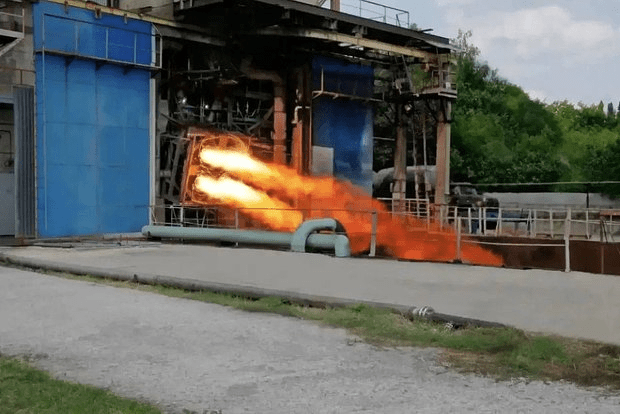
KBKhA is part of Russia’s Roscosmos structure and specializes in rocket engines. It designs, manufactures, and tests them at its own production workshops and testing facilities. However, it produces RD-0124 engines only in small batches. There is no other serial manufacturer of these engines in Russia.
At first glance, Russia appears to have an obvious backup option: the Soyuz-2.1a, another widely used rocket from the same family. But at the third-stage level, the supply chain once again leads to Voronezh.
Why Russia’s rocket programs compete for engine production
Rassvet is far from the only customer that depends on KBKhA’s expertise. Several Russian rocket programs rely on engines from the same family.
The RD-0124 powers the Soyuz-2.1b. Its RD-0124A variant is used in Angara-family rockets. The RD-0124MS was developed for the second stage of the upcoming Soyuz-5 rocket, and its final development tests were completed in late 2025. KBKhA also continues producing the RD-0110 for the Soyuz-2.1a.
In other words, variants of engines from the same family serve three launch vehicle programs simultaneously. Three programs compete for the production capacity of a single design bureau. This creates an ideal bottleneck not only for Rassvet but for Russia’s space industry as a whole. In 2025, the Soyuz-2 and Angara rocket families, for which KBKhA manufactures engines, accounted for 94% of Russia’s orbital launches.
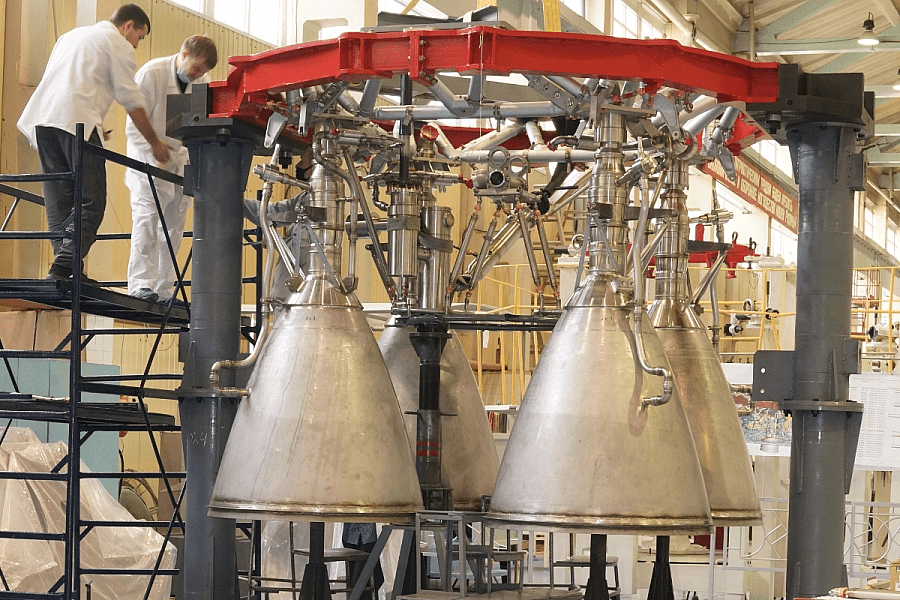
This means the Rassvet satellite constellation does not have a dedicated factory working exclusively for it. Instead, it relies on Russia’s existing rocket and space infrastructure, where the same manufacturing expertise is needed for other launch vehicles and government space programs.
How Russia’s Rassvet satellites depend on foreign electronics
In August 2026, the RBC-Ukraine outlet, citing research by the Center for Defense Reforms, detailed another vulnerability in the Rassvet project: its dependence on imported electronics, Chinese supply channels, and Western measuring equipment. The project’s manufacturing and supply network encompasses more than 1,300 companies, according to the researchers.
The rocket side of the story reveals a different kind of dependency. While some electronic components can be replaced or sourced through new suppliers, changing trade routes won’t bring a new rocket engine factory into existence.
Russia may invest hundreds of billions of rubles in Rassvet’s satellites, terminals, and ground infrastructure. But the pace of deployment will depend on more than the number of spacecraft Bureau 1440 can manufacture. Every new batch must still be physically launched into orbit.
And as long as Russia relies on the Soyuz-2.1b for those launches, one of Rassvet’s critical supply chains will run through Voronezh—specifically, through RD-0124 engine production. This is where a massive satellite program narrows down to one of the least visible yet most critical components of its supply chain.
Russia’s growing military ambitions in space
Russia is increasingly turning space into another arena of military confrontation with the West. This involves not only developing its own alternative to Starlink but also threatening other countries’ satellite infrastructure, including commercial systems that provide communications, navigation, and Earth observation services.
In October, the Financial Times reported that Ukrainian President Volodymyr Zelenskyy had urged the United States to impose sanctions on Russian and Chinese companies involved in developing Rassvet. Ukraine fears that, with China’s support, Russia could accelerate the deployment of a satellite network capable of providing communications for drones and enabling long-range strike operations.
Meanwhile, the threat to Western space infrastructure is already moving beyond speculation about Russia’s future capabilities. The US-based Center for Strategic and International Studies (CSIS) warned on October 15 about a dangerous close approach by Russia’s Kosmos-2612 satellite to a commercial radar satellite operated by ICEYE, a company that provides satellite imagery to Ukraine.
Earlier, in May, another Russian satellite approached an ICEYE spacecraft to within just 2.5 kilometers. Experts have not ruled out the possibility that such maneuvers could be preparations for using anti-satellite weapons.
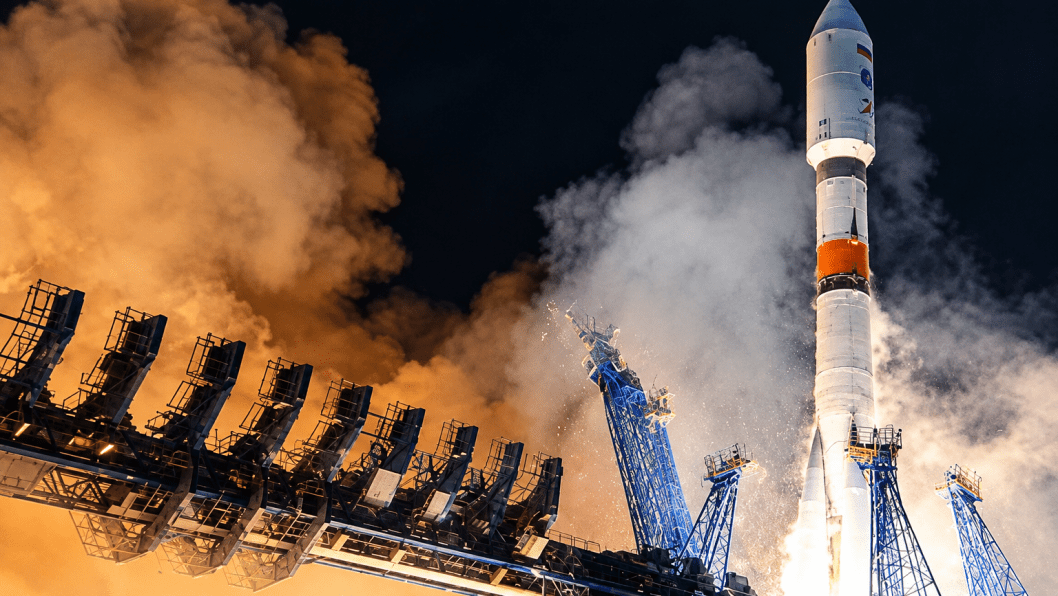
Russia is preparing for a confrontation in which space technologies will play an increasingly important role. Its own satellite networks could provide independent communication capabilities for its military forces, while anti-satellite capabilities could threaten other countries’ critical civilian and military infrastructure.
Discuss this article: