- Category
- War in Ukraine
One Satellite Lost and Nearly Two-Thirds of Russia’s Starlink Rival Satellites Could Follow
 Prefer U24 Media on Google
- Authors


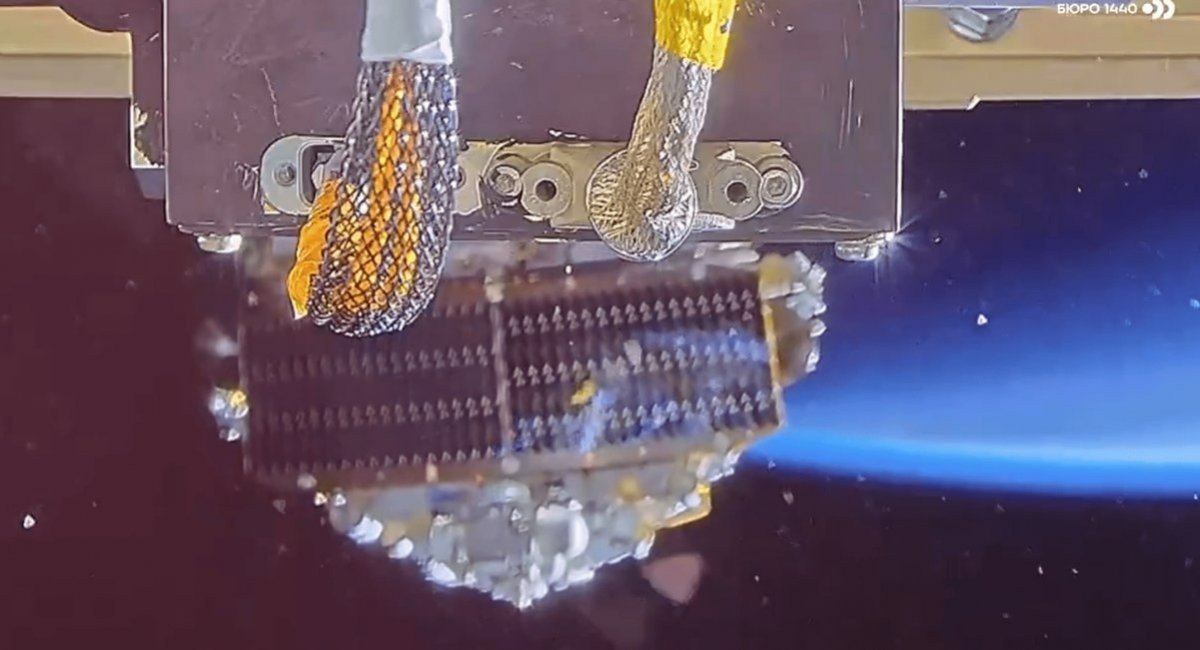
Russia’s attempt to build a satellite internet network rivaling Starlink has encountered early setbacks after one of its first 16 operational satellites reentered Earth’s atmosphere, while 10 others—nearly two-thirds of the initial constellation—have yet to reach their planned orbit and face an uncertain future.
We bring you stories from the ground. Your support keeps our team in the field.
According to Defense Express on June 9, the issues concern the first operational batch of 16 Rassvet-3 satellites launched by Russian aerospace company Bureau 1440 aboard a Soyuz-2.1b rocket on March 23, 2026. The constellation is intended to form the foundation of Russia’s future satellite broadband network.
Bureau 1440 shows footage of separation of 16 Rassvet satellites from Soyuz's third stage pic.twitter.com/jhe2krZ1kA
— afec7032 🇷🇺 (@robert_savitsky) March 24, 2026
According to Defense Express, the satellites were initially deployed into an orbit of approximately 310 kilometers and were expected to undergo system checks before gradually raising their altitude to an operational orbit around 800 kilometers.
Tracking data cited by the outlet indicates that only six of the 16 satellites have begun climbing toward their designated orbit. One satellite, identified as NORAD object 68363, reportedly never activated its propulsion system after launch. After remaining in a low orbit for more than two months, it eventually reentered the atmosphere and burned up.
Defense Express also reported that another satellite from the same launch remains at a similarly low altitude and could face a comparable outcome if it does not perform an orbital correction maneuver.
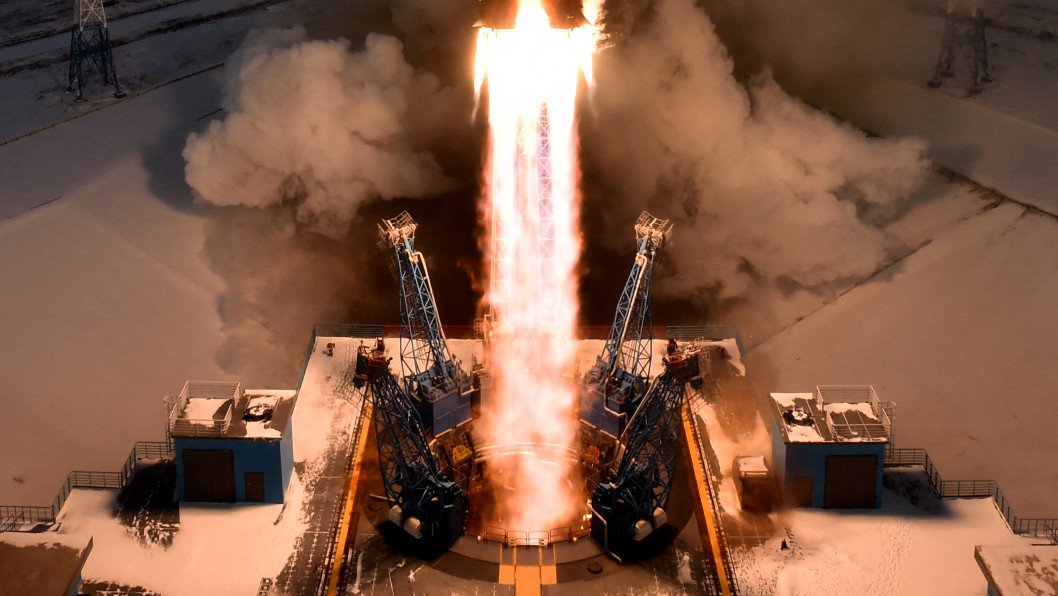
In addition, eight satellites from the March launch have remained at altitudes between roughly 320 and 340 kilometers rather than continuing their ascent toward operational orbit. According to Defense Express, the reason for their status remains unclear.
The outlet noted that satellites successfully progressing toward their target orbit completed initial system checks within about a month of launch, while these spacecraft have remained in lower orbits for nearly three months.
The current status of those satellites has fueled speculation among satellite observers about possible technical issues, although neither Bureau 1440 nor Russian authorities have publicly announced any failures.
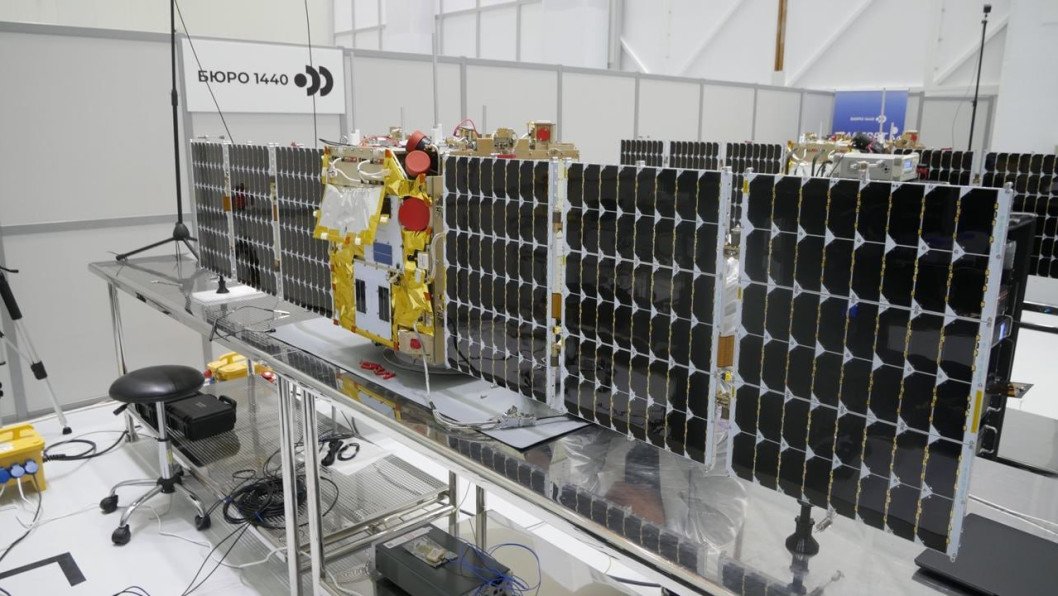
The Rassvet constellation is a key element of Russia’s plans to develop a domestic satellite internet network. According to Defense Express, Bureau 1440 aims to deploy approximately 300 satellites by the end of 2027 and begin commercial services the same year.
Achieving that goal would require roughly 19 additional Soyuz-2.1b launches. However, the first deployment mission itself was delayed from its originally planned 2025 schedule to March 2026.
Bureau 1440 is one of the main companies involved in Russia’s efforts to create a domestic alternative to SpaceX’s Starlink network. The project is intended to provide broadband communications coverage across Russia and support connectivity in remote regions.
Earlier, Russia sought to reduce its dependence on foreign satellite communications by deploying Sprint-030 terminals linked to the country’s existing Express and Yamal satellite networks. The effort comes as Moscow simultaneously works to build the Rassvet constellation—its closest equivalent to Starlink—which has now suffered its first satellite loss.
Discuss this article:
-9a7b3a98ed5c506e0b77a6663f5727c5.png)