- Category
- War in Ukraine
Losing Starlink Broke Down Russia’s Plans for Black Sea Drone Fleet Campaign. Here’s Why
 Prefer U24 Media on Google
- Authors


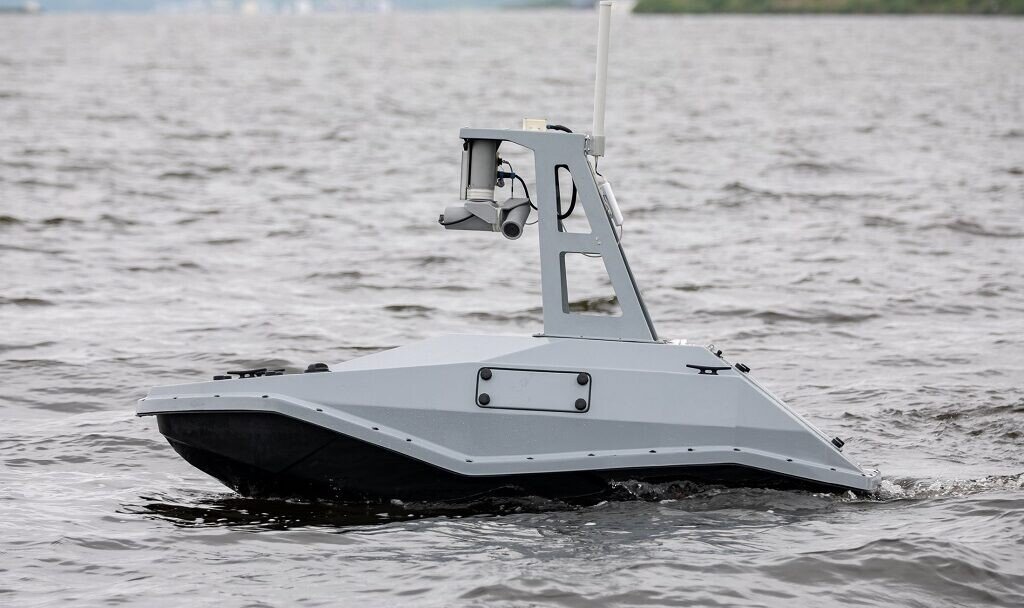
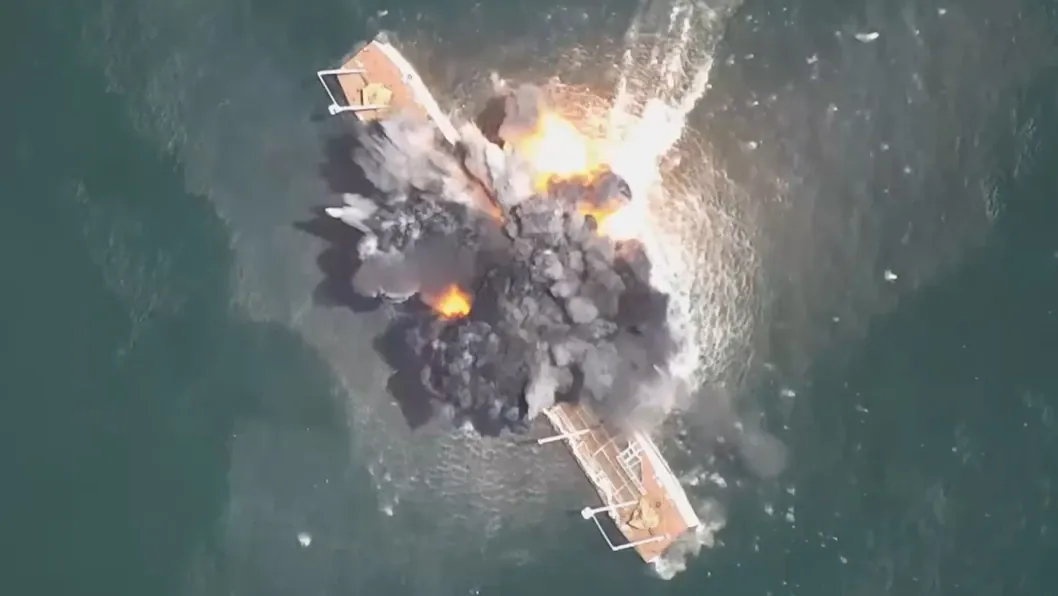
Russia’s plans to expand the use of unmanned surface vehicles (USVs) in the Black Sea in 2026 were disrupted after access to Starlink satellite communications was blocked earlier this year.
We bring you stories from the ground. Your support keeps our team in the field.
According to Defense Express on May 10, Serhii “Flash” Beskrestnov, an advisor to Ukraine’s Ministry of Defense on military technologies, said Russian forces had been preparing a broader naval drone campaign after studying Ukraine’s use of USVs against the Russian Black Sea Fleet.
Beskrestnov stated that Russian developers had already produced operational prototypes by mid-2025 and allegedly conducted attacks using naval drones near the Danube Delta later that year, including an incident involving the vessel Simferopol.
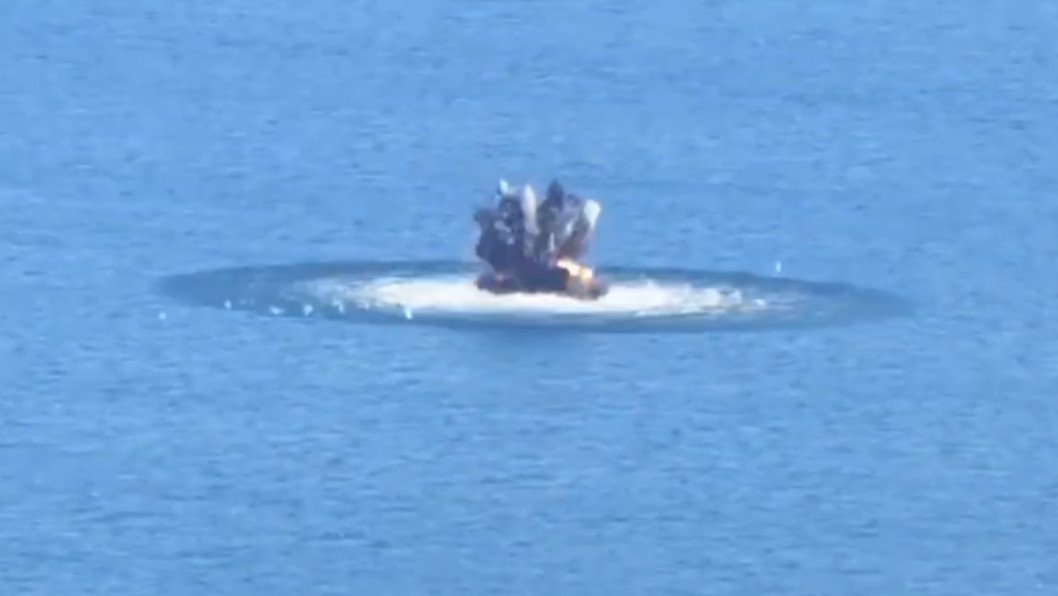
“2026 was expected to be the year russia began widespread use of USVs, but those plans were derailed by the Starlink shutdown in early 2026,” Beskrestnov said, according to Defense Express.
The report said Russian engineers attempted to integrate several alternative communication systems into their naval drones after losing access to Starlink terminals. However, Beskrestnov claimed those systems either failed technically or proved unreliable during operations near the Ukrainian coastline.
Beskrestnov also said Russian forces had not yet succeeded in deploying a domestically produced communication system capable of replacing satellite-based connectivity for long-range maritime drone operations.
“It eventually turned out that Starlink terminals are the only viable communication channel for USVs off the Ukrainian coast,” he said. Beskrestnov added that Russia is still expected to continue efforts to field maritime drones despite the reported setbacks.
“Of course, it is important not to underestimate our enemy. They are eager to deploy the USVs, especially since they have already been built. I have a rough idea of how things will develop from here. We’ll see,” he said, according to Defense Express.
Ukraine has extensively used naval drones in the Black Sea since 2022, targeting Russian warships, patrol vessels, and military infrastructure in temporarily occupied Crimea. Ukrainian USV operations have been credited with forcing parts of Russia’s Black Sea Fleet to relocate from occupied Sevastopol to ports farther east.
Earlier, Russian forces had relied on unauthorized access to Starlink terminals obtained through third-party supply chains to support battlefield communications and drone operations. Ukraine, in coordination with SpaceX, introduced technical restrictions that disabled a significant portion of these terminals by limiting access to registered users.

The impact on Russian units was immediate, with operations disrupted following the loss of secure communication channels. Ukrainian military sources reported a decline in coordination efficiency, while Ukraine’s Defense Ministry adviser Serhii Beskrestnov said the restrictions created a “catastrophe” for Russian forces on certain sections of the front.
Russian troops had been using thousands of such terminals prior to the restrictions. Following their deactivation, units were forced to switch to alternative systems, including legacy satellite networks, which offer lower speeds and less stable connectivity.
At the same time, Ukrainian forces reported continued territorial gains across multiple sectors. Official updates indicated the liberation of hundreds of square kilometers, as improved coordination and strikes on command-and-control infrastructure—including communication nodes—reduced Russia’s ability to synchronize drone and ground operations.
Discuss this article:
-9a7b3a98ed5c506e0b77a6663f5727c5.png)


-c439b7bd9030ecf9d5a4287dc361ba31.jpg "Photo of Katherina Popilnichenko")