- Category
- Latest news
Russia’s “Revolutionary” Sea Drone Looks a Lot Like Ukraine’s—Now With Extra Boom
 Prefer U24 Media on Google
- Authors


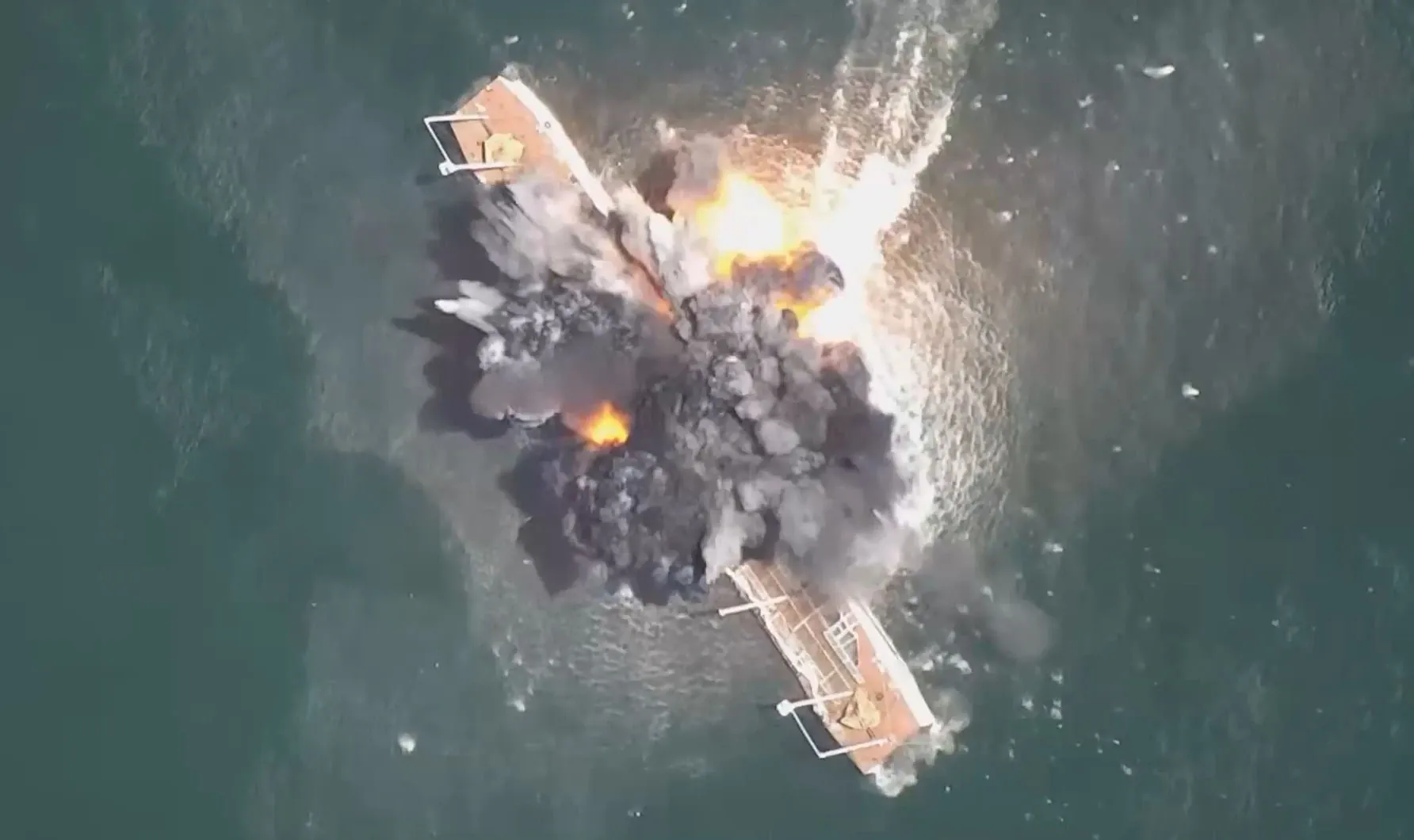
During the “July Storm” naval exercises in the Baltic Sea, Russia showcased a new unmanned surface vehicle that appears to mirror Ukraine’s combat-tested sea drones—complete with a dramatic explosion for the cameras.
In footage released by Russia’s Ministry of Defense, a small drone boat speeds toward a stationary maritime target and detonates on impact.
The setup mimics a ship strike, but the conditions—calm seas, immobile target, no defenses—suggest a demonstration more than a combat scenario.
The explosion, however, was significant—likely due to a high payload, which Russian sources framed as a breakthrough.
According to pro-Kremlin military bloggers, the drone can reportedly operate autonomously for 24 hours and strike targets over 300 kilometers away. That would, in theory, put Odesa or Izmail within reach from occupied Crimea. Still, these claims remain unverified, and there is no confirmed evidence of serial production.
Russia’s Defense Ministry did not disclose the drone’s designation but noted that other unmanned platforms—FPV drones and unidentified underwater vehicles—were also tested. The full capabilities and roles of these systems remain undisclosed.
This is not Russia’s first attempt to replicate Ukraine’s lead in naval drone warfare. In 2023, Russia’s KMZ company unveiled a prototype called “Oduvanchik,” a drone boat with a suspiciously familiar design.
The same year, a Russian sea drone was used in an attempted strike on a railway bridge in Odesa—demonstrating more ambition than precision.
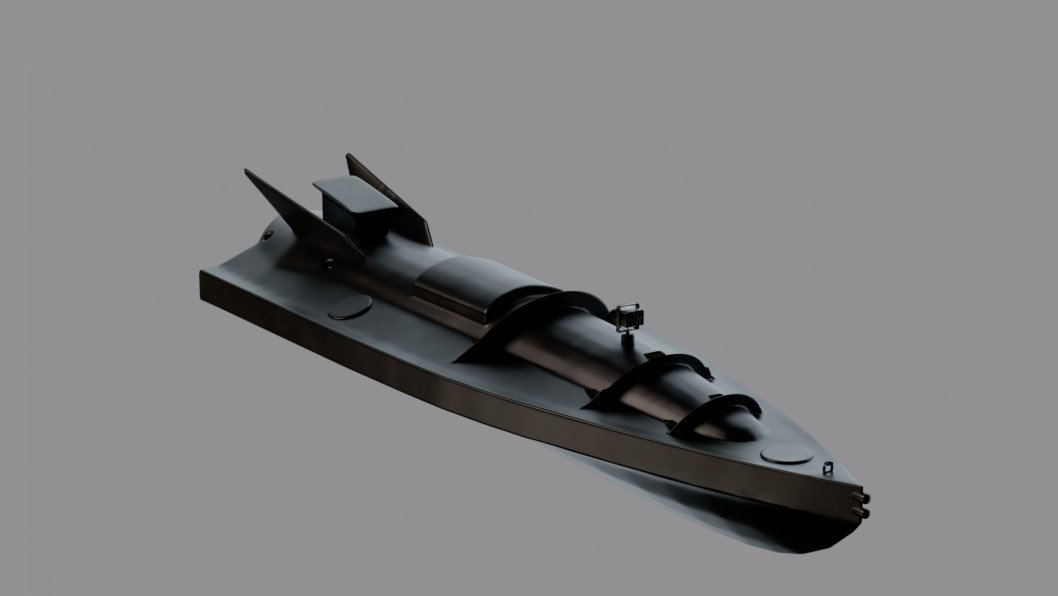
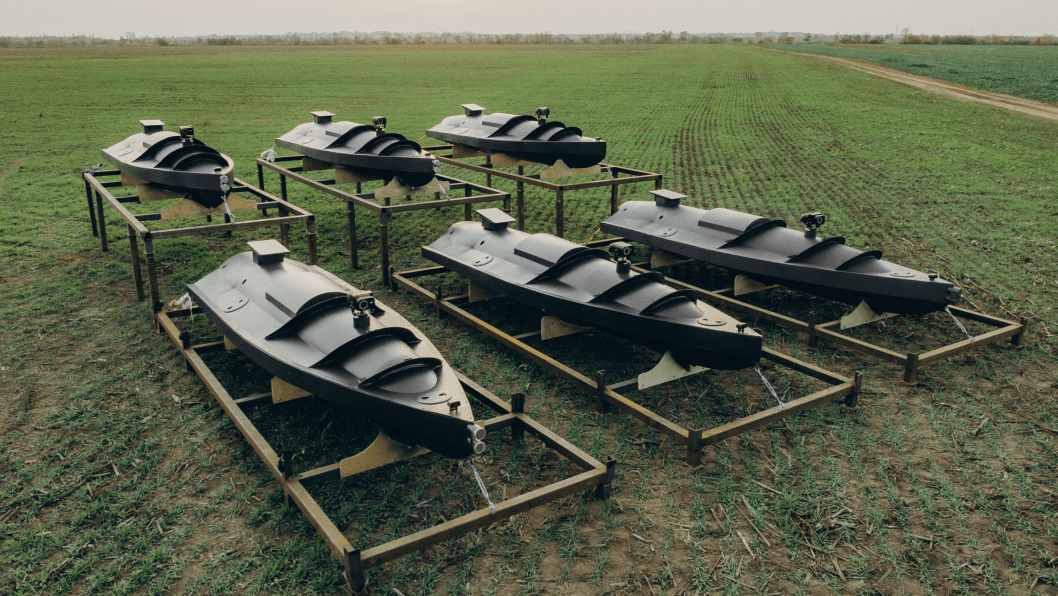
In 2024, the Russian Navy announced the formation of dedicated naval drone regiments. These units are expected to operate a mix of aerial, ground, surface, and subsurface platforms, with tasks ranging from reconnaissance to strike missions and mine clearance.
To support this shift, Russia opened a drone production facility in St. Petersburg equipped with an indoor pool for year-round testing.
While the concept of strike-capable sea drones is far from new, Russia’s recent test appears aimed more at signaling capability than demonstrating a fully operational system. The footage may suggest innovation, but the hardware—and the tactics—are already familiar to anyone watching the Black Sea.
Earlier, Russia launched its largest multi-theater naval drills in years, dubbed “July Storm,” involving over 15,000 troops and fleets from the Arctic, Baltic, Pacific, and Caspian seas. The exercises aim to test long-range weapons, drones, and coordination across combat zones.
Discuss this article:


-c439b7bd9030ecf9d5a4287dc361ba31.jpg "Photo of Katherina Popilnichenko")