- Category
- War in Ukraine
From Soviet Relic to Battlefield Robot: How Ukraine Reinvented the BRDM-2
 Prefer U24 Media on Google
- Authors


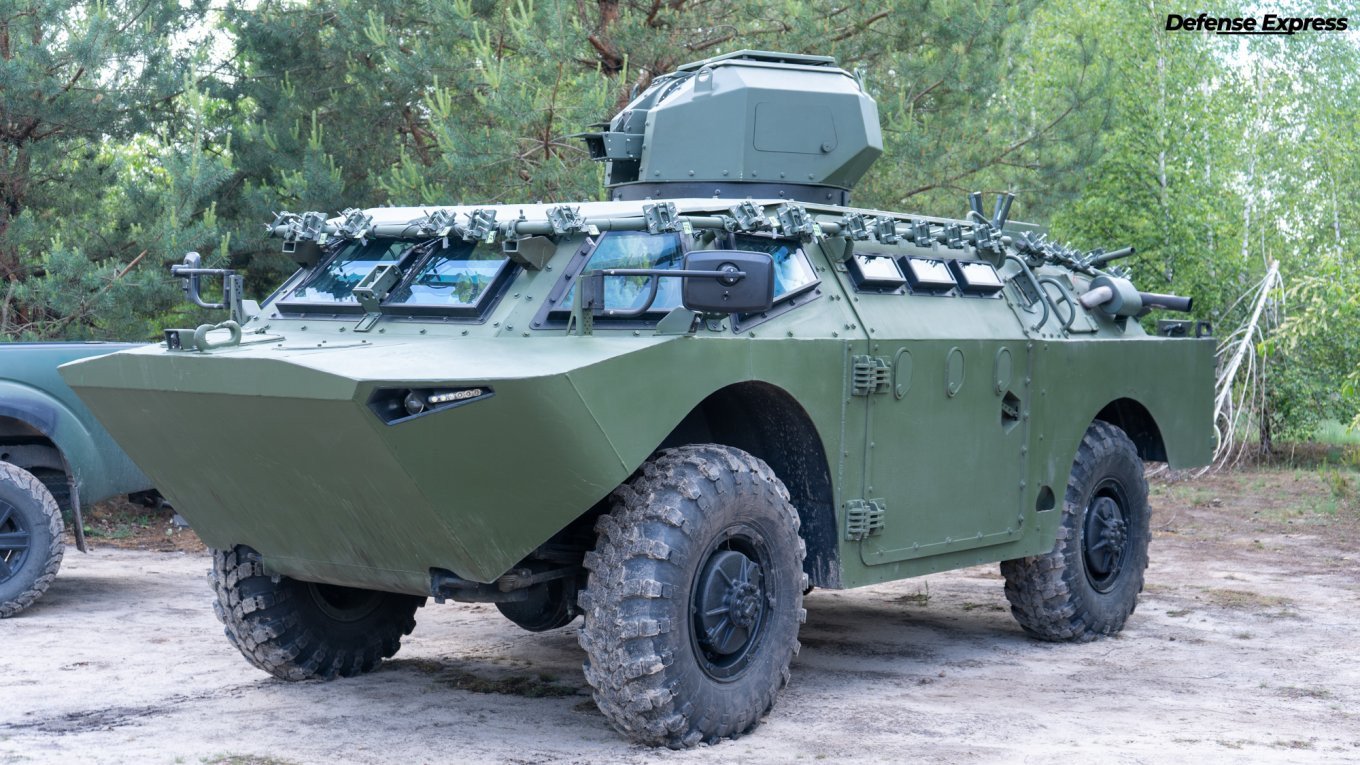
Ukraine’s defense industry has presented a deeply modernized version of the Soviet-era BRDM-2 reconnaissance vehicle that combines troop transport capabilities, remote operation, and a domestically developed weapon station into a single platform.
We bring you stories from the ground. Your support keeps our team in the field.
According to Defense Express on June 2–3, Ukrainian company ArmSpetsTekhnolohiya unveiled the BRDM-2M during the Defence Builder Accelerator Demo Day. The vehicle has been redesigned with upgraded protection, a new powertrain, troop-carrying capacity, and the ability to be operated remotely using technology developed by Estonian company Telearmy.
According to Defense Express, the modernization transforms the original BRDM-2 from a reconnaissance vehicle into a multi-role platform capable of transporting personnel, conducting evacuation missions, and operating as an unmanned ground vehicle when required.
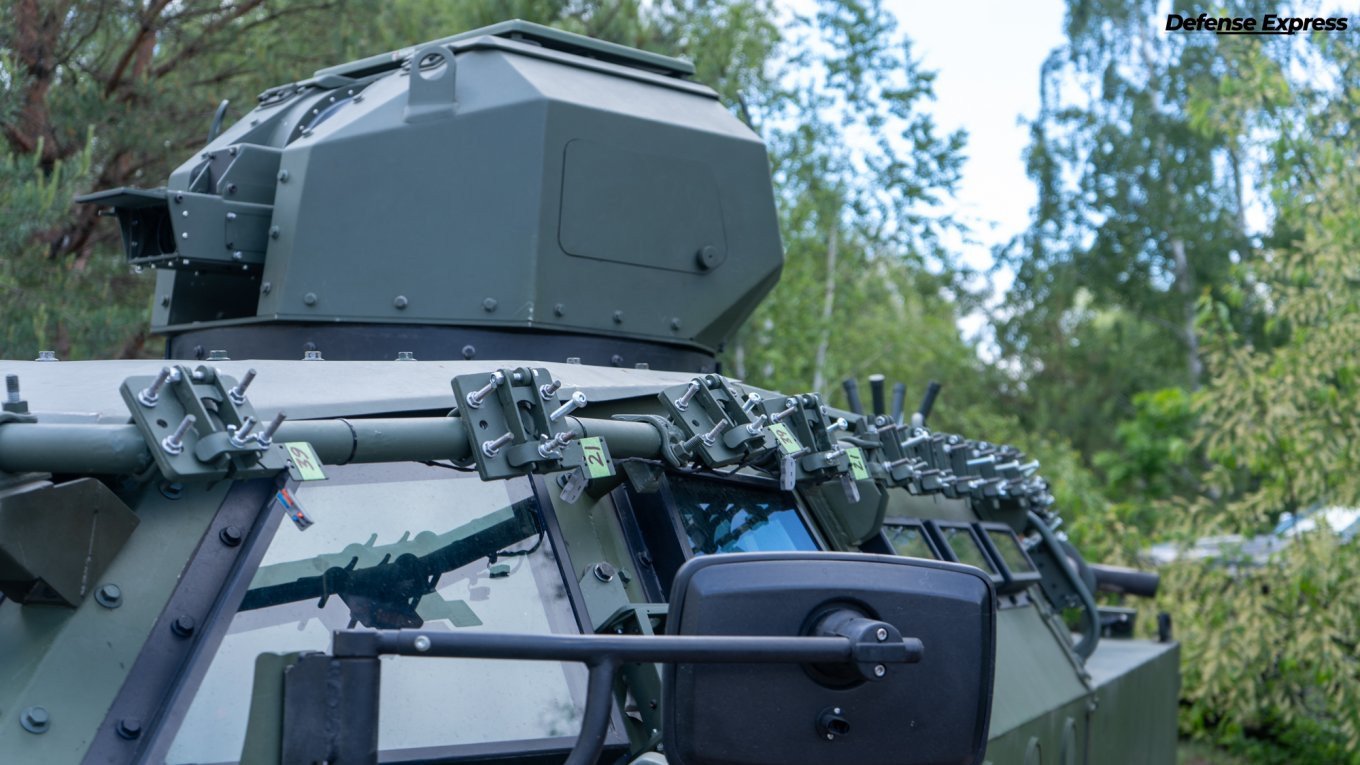
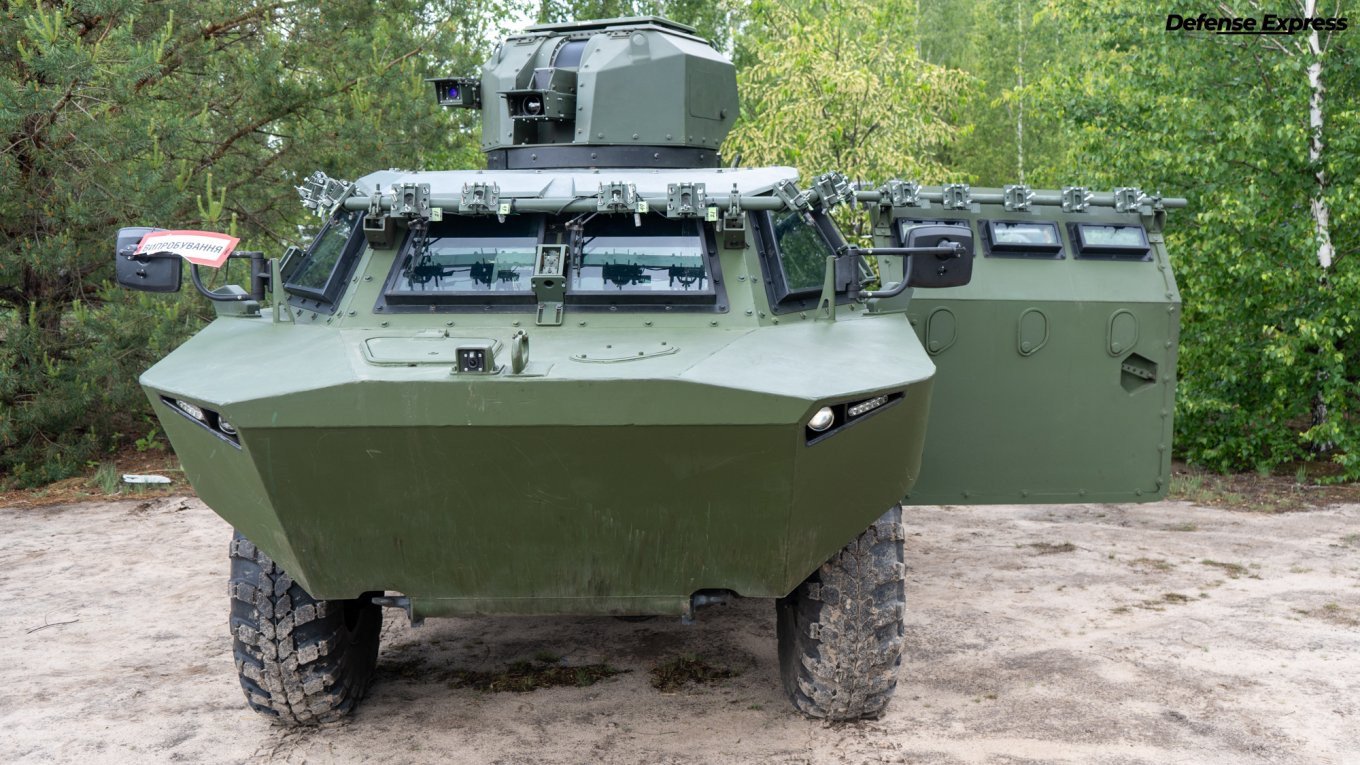
The vehicle features a redesigned hull with 12 armored observation windows, a 360-degree camera system, and an internal steel frame intended to improve structural rigidity and crew protection. Additional armor reportedly raises protection to PSZA-4 standard, while mounting points for a future active protection system were also demonstrated during the presentation.
ArmSpetsTekhnolohiya replaced the original powertrain with a 300-horsepower 3.0-liter engine paired with an eight-speed ZF automatic transmission. According to Defense Express, the upgraded vehicle can exceed 110 km/h and has an operational range of up to 1,000 kilometers.
Despite additional capabilities, its estimated combat weight is approximately 6.2–6.3 tons, reportedly lighter than the original BRDM-2 after the removal of auxiliary wheels and the amphibious water-jet system.
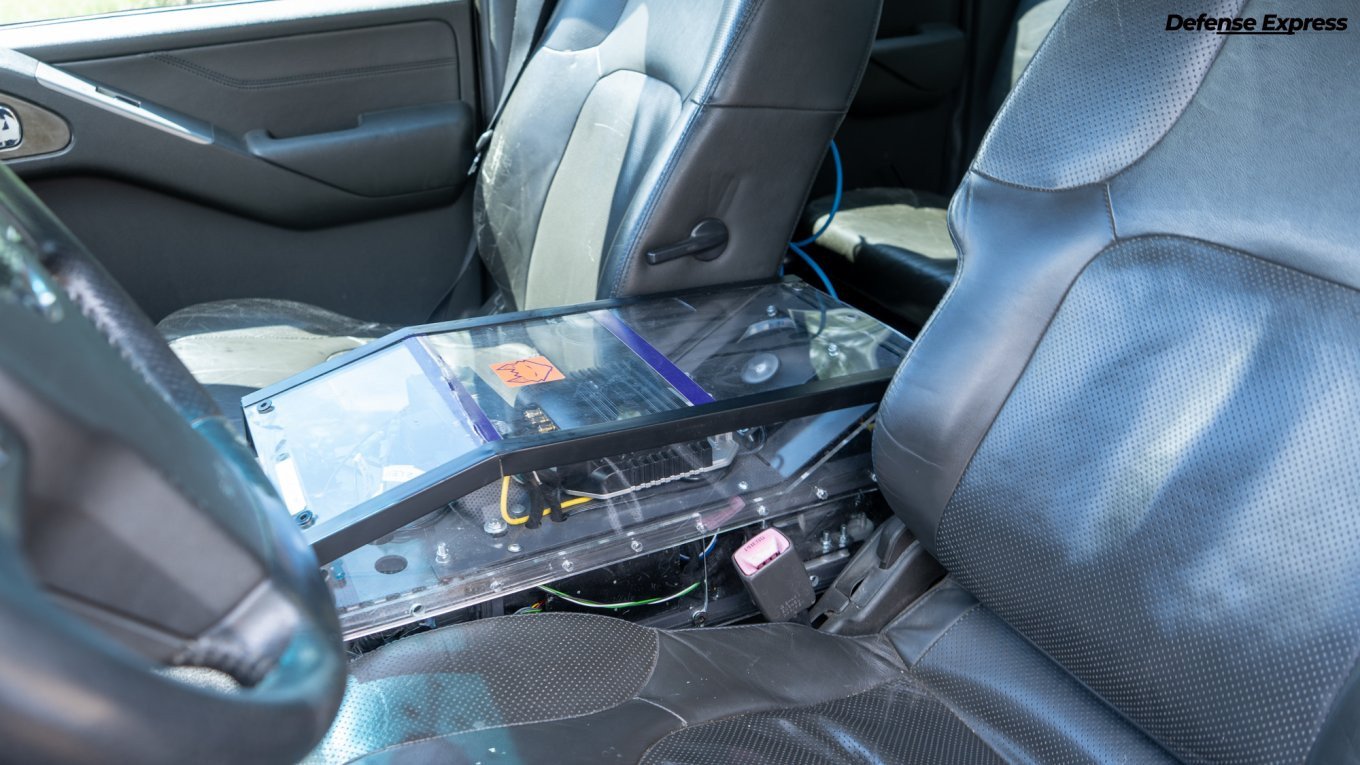
A key feature of the modernization is the integration of a drive-by-wire control architecture, enabling remote operation. Steering, braking, throttle, and transmission functions can all be controlled electronically, while the onboard electrical system has been adapted to support remote-control equipment and combat systems.
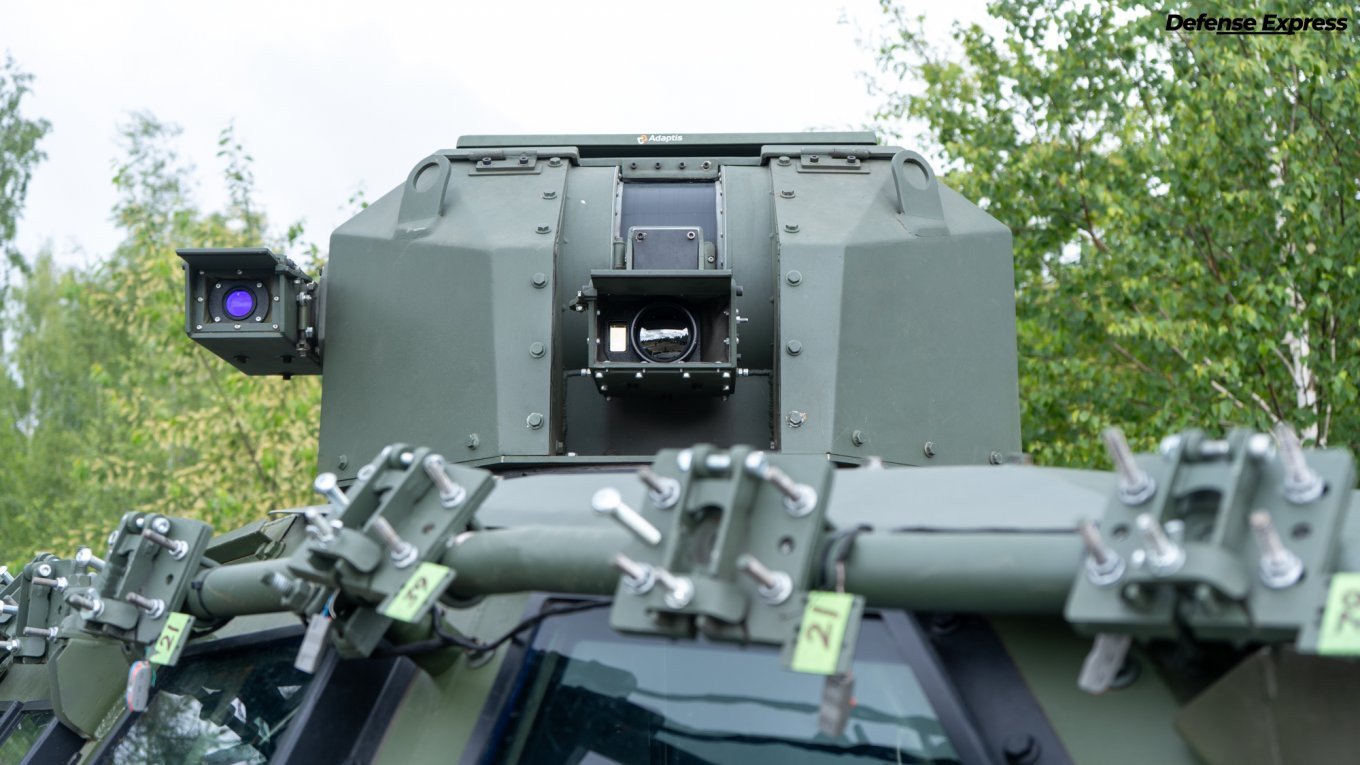
The vehicle is equipped with the Ukrainian-developed MBU-1 remote weapon station armed with a 12.7 mm Browning machine gun. According to Defense Express, the turret includes thermal imaging, day-and-night optics, and a laser rangefinder with a range of up to three kilometers.
The system can be operated either from inside the vehicle or remotely, while two-axis stabilization allows the weapon to remain aimed at a target during movement.
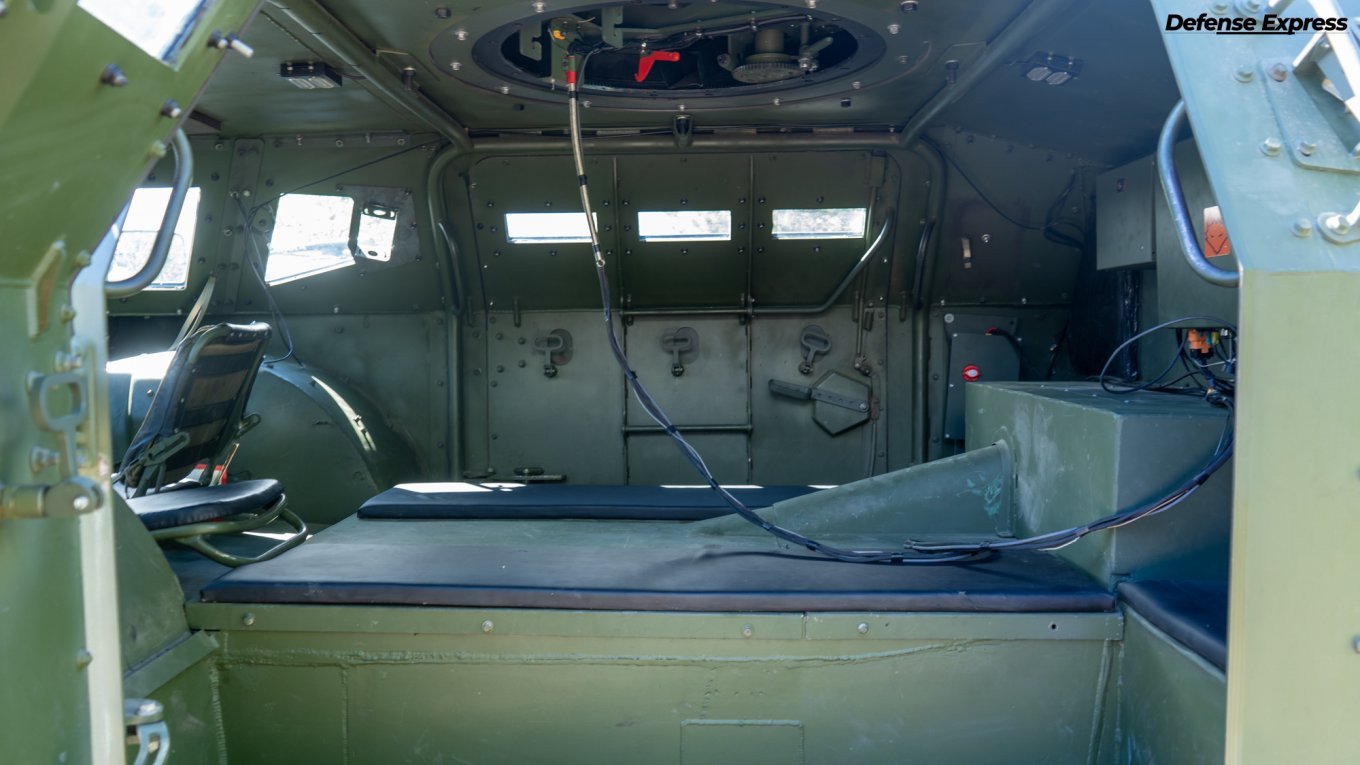
Unlike the original BRDM-2, the BRDM-2M can accommodate a crew of two and up to six additional personnel. New side access doors have also been added to improve entry and exit for troops and evacuation operations.
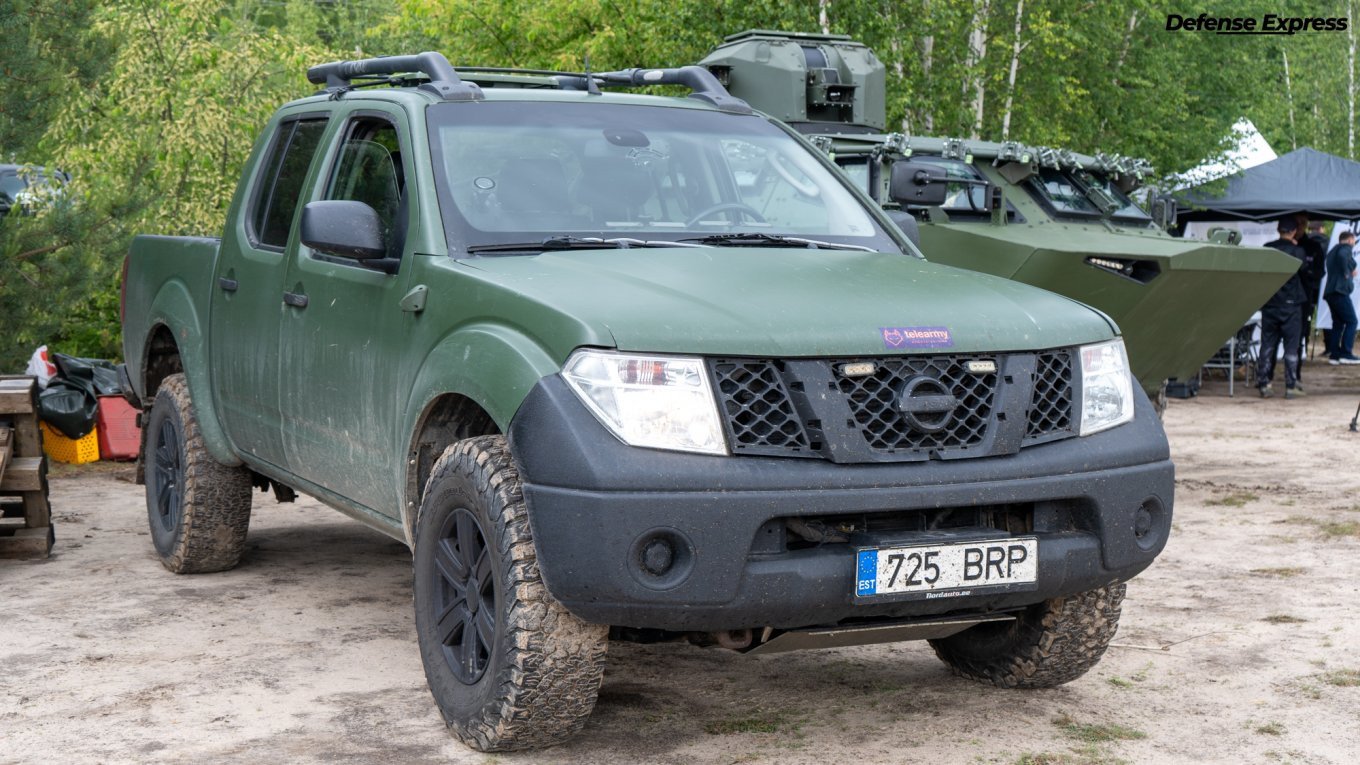
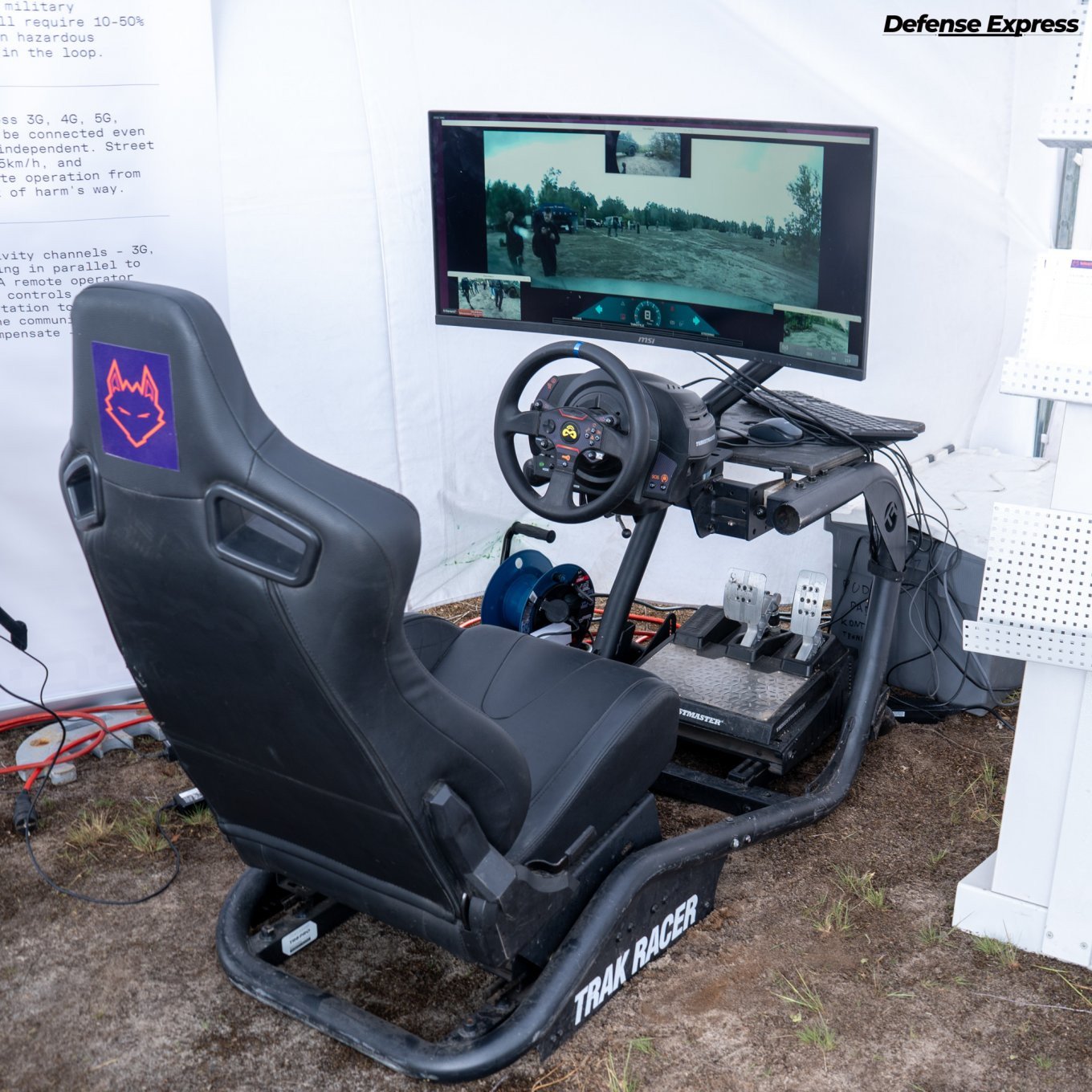
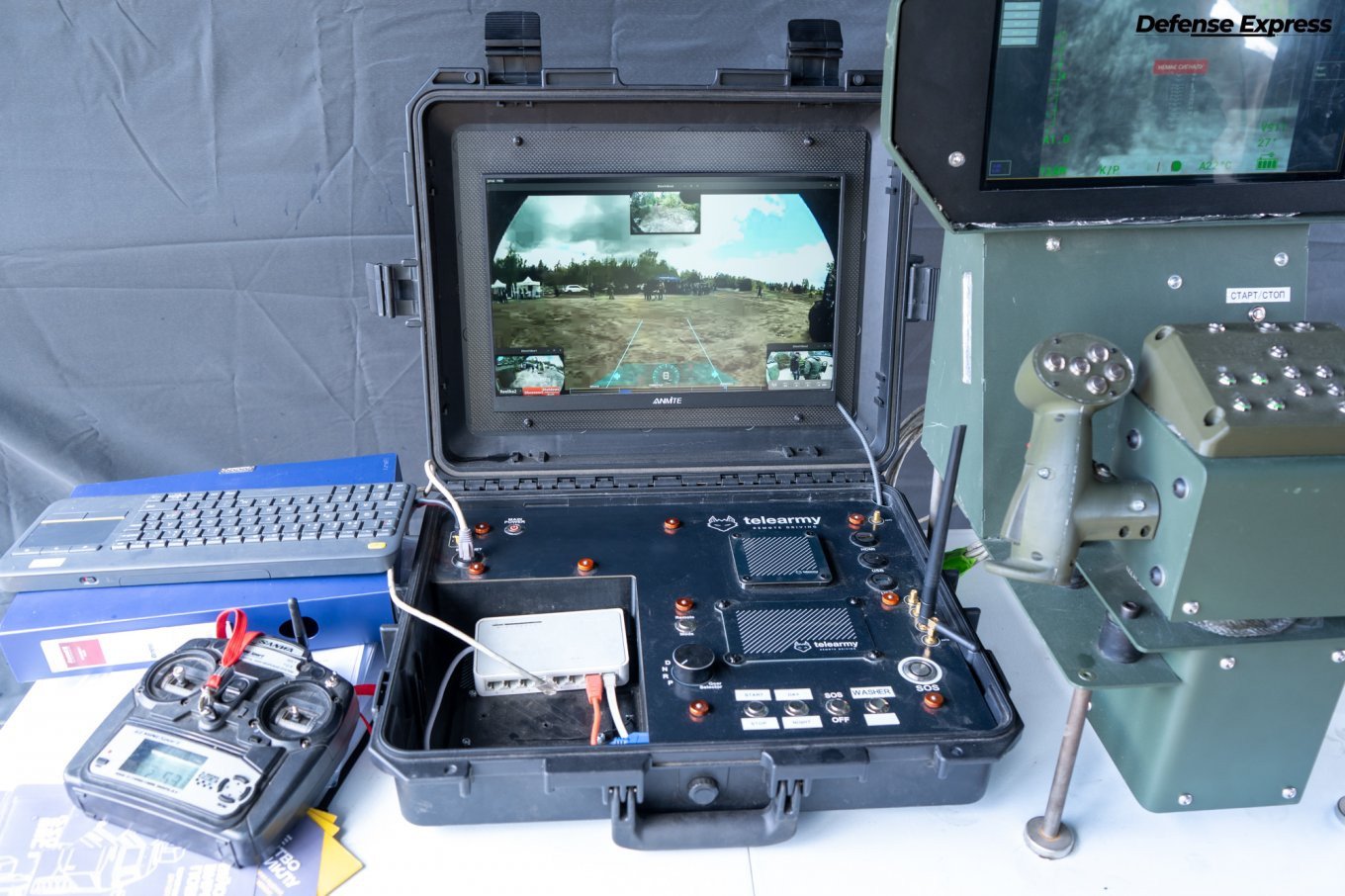
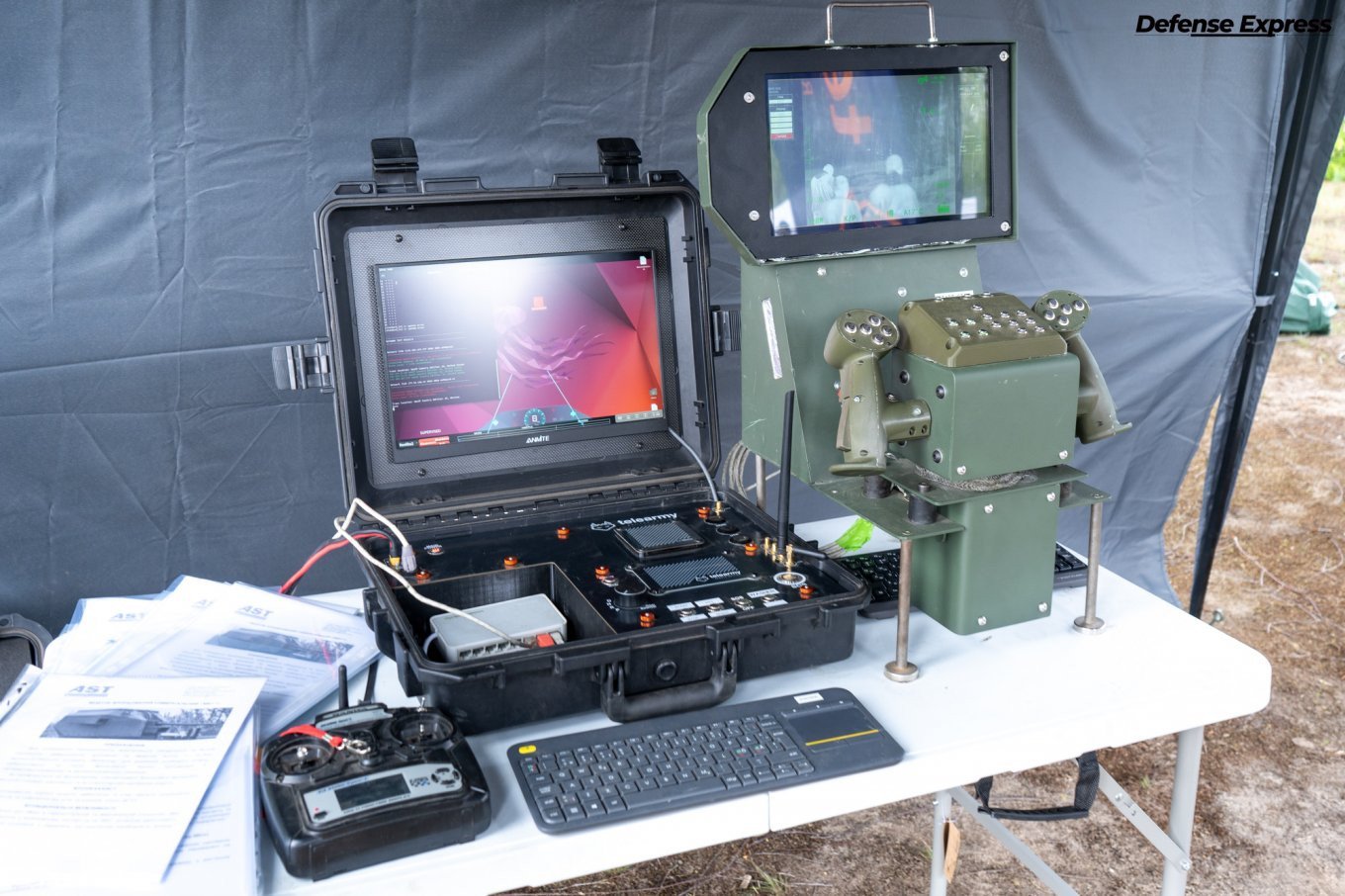
The remote-control capability is provided through technology developed by Telearmy. According to Defense Express, the system can operate through 3G, 4G, 5G mobile networks, satellite internet services such as Starlink, or radio communications.
During the demonstration, operators controlled both the BRDM-2M and a modified Nissan Navara pickup truck from a remote control station equipped with driving and weapons-control interfaces.
Telearmy told Defense Express that its remote-control architecture is already approved for operation on public roads and has been integrated into nine different vehicle types.
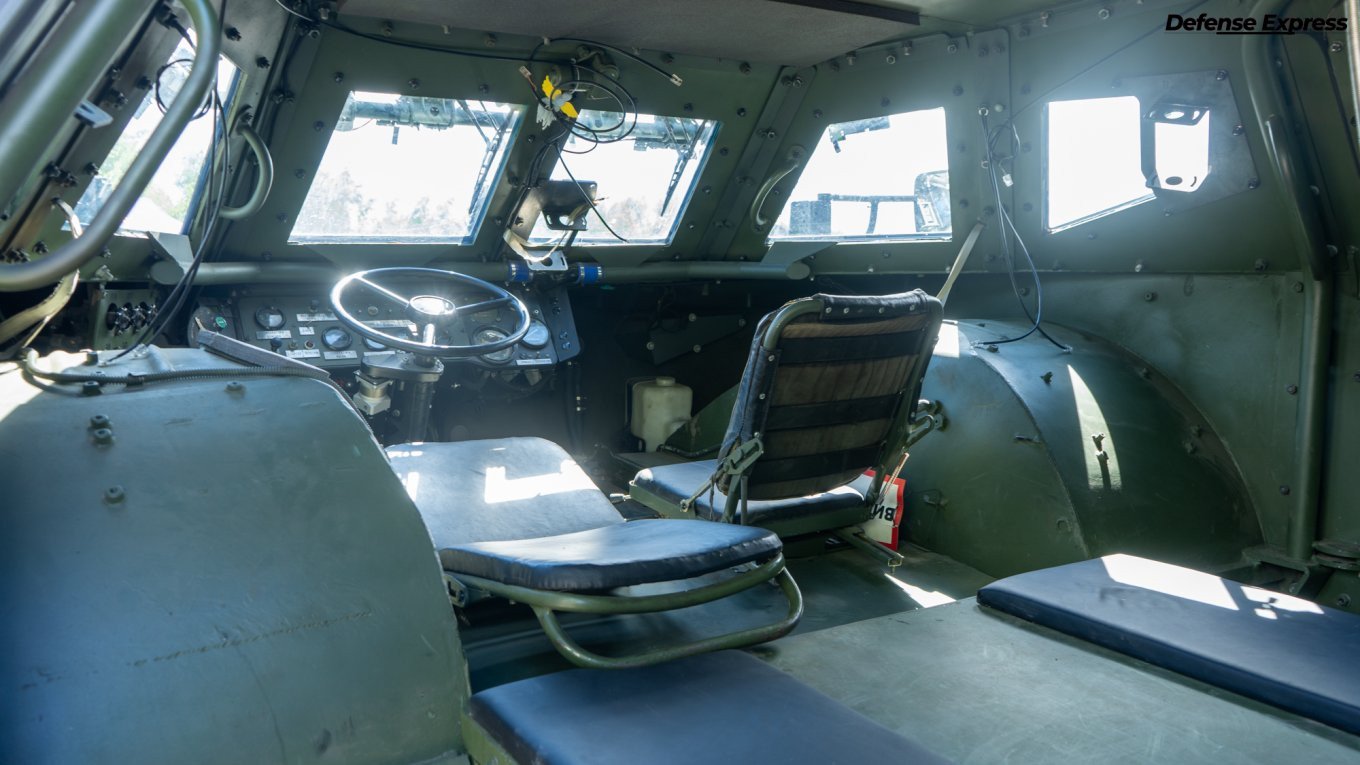
The company stated that dozens of remotely operated vehicles have already been delivered, while projects are underway in both defense and civilian sectors, including autonomous taxi initiatives in Ukraine.
Earlier, Ukraine’s First Separate Medical Battalion reported completing six successful casualty evacuation missions in a single day using unmanned ground vehicles. According to the unit, two robotic platforms traveled a combined 300 kilometers under the threat of Russian FPV drones, delivering wounded soldiers from frontline positions to medical teams for further treatment.
Discuss this article:
-9a7b3a98ed5c506e0b77a6663f5727c5.png)

-111f0e5095e02c02446ffed57bfb0ab1.jpeg "Photo of Roman Kohanets")