- Category
- War in Ukraine
Someone Is Setting Starlink Infrastructure on Fire Across Europe

First Poland, then Bulgaria, now Lithuania—within a month, Starlink infrastructure across Europe has become the target of suspected sabotage, with fires destroying communications equipment and authorities pointing to Russian involvement.
 Prefer U24 Media on Google
- Authors


Polish and Lithuanian officials have linked the arson attacks to Russian sabotage, raising concerns about a coordinated campaign targeting the satellite communications network operated by Elon Musk’s SpaceX.
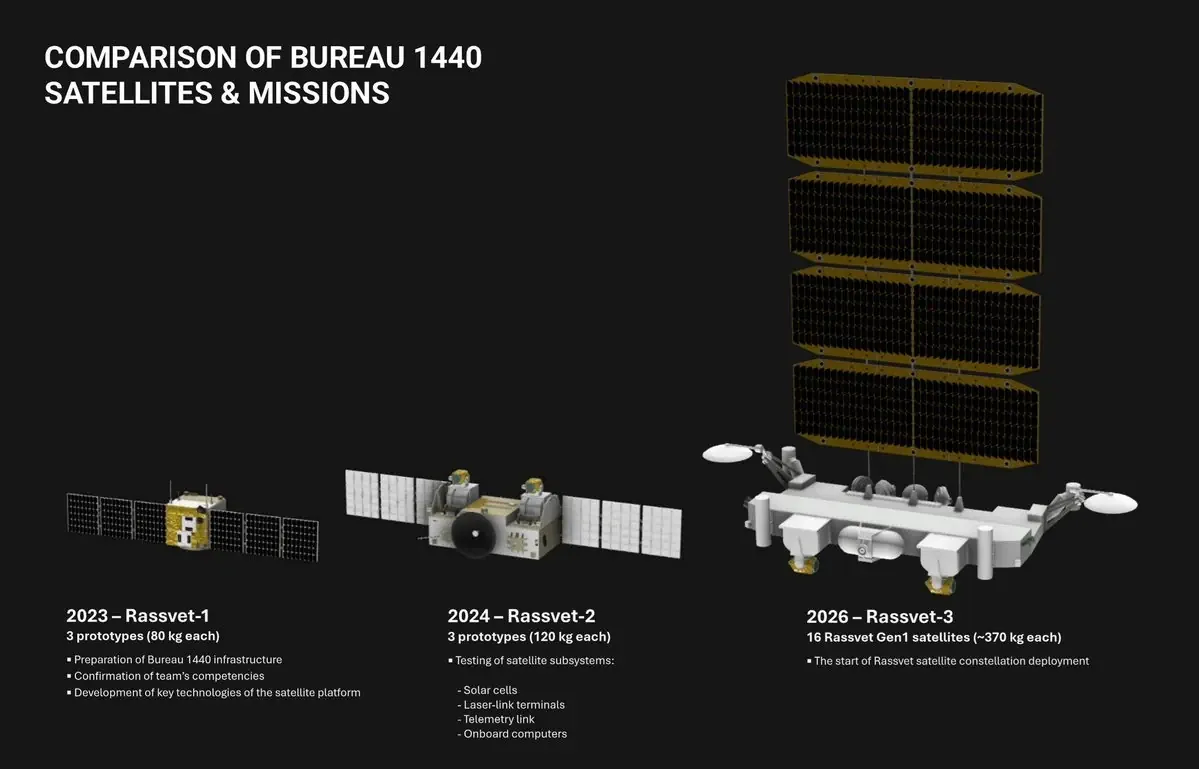
The attacks threaten to disrupt critical connectivity that Ukraine’s military and civilians rely on during blackouts and telecommunications outages. Meanwhile, Moscow is developing its own Starlink alternative, known as Rassvet.
SpaceX's infrastructure has been attacked three times in European countries over the past month.
Poland
The sabotage attack in Poland occurred on September 23, when a Starlink ground station caught fire. The station provides internet connectivity to a significant portion of Central and Eastern Europe.
Polish Minister of Digital Affairs Krzysztof Gawkowski said the fire was deliberately set to disable the station and cut off internet access for various institutions, including the Ukrainian military.
Minister responsible for intelligence services Tomasz Siemoniak said there was no doubt about the involvement of Russian intelligence agencies, while Prime Minister Donald Tusk described the incident as “another act of hybrid warfare.”
The main suspects may have been members of a Turkish criminal organization acting on orders from Russian intelligence services, German news magazine Der Spiegel reports.
Bulgaria
The sabotage incident was reported on October 13.
An arson attack targeted 11 of 17 antennas used to communicate with the Starlink satellite network near Sofia, according to investigators.
Suspects have already been identified, and the government has classified the incident as deliberate sabotage. However, Bulgarian authorities have not officially accused any country of involvement.
Lithuania
Unidentified individuals attempted to set fire on the night of October 18 to a company building where Starlink equipment was stored.
Intelligence services had warned the company about potential attacks beforehand, prompting increased security measures that ultimately prevented the attack from succeeding, Prime Minister Mindaugas Sinkevičius said. Fuel canisters were discovered at the scene.
The facility services nine Starlink antennas used by Ukraine, Sinkevičius said. Lithuanian law enforcement authorities said they linked the attempted sabotage to Russian activities aimed at disrupting Starlink operations in Ukraine.
Starlink as critical infrastructure for Ukraine
For Ukraine, the consequences of disruptions to Starlink could extend far beyond internet outages. The satellite network has become an essential part of the country’s civilian communications and military operations.
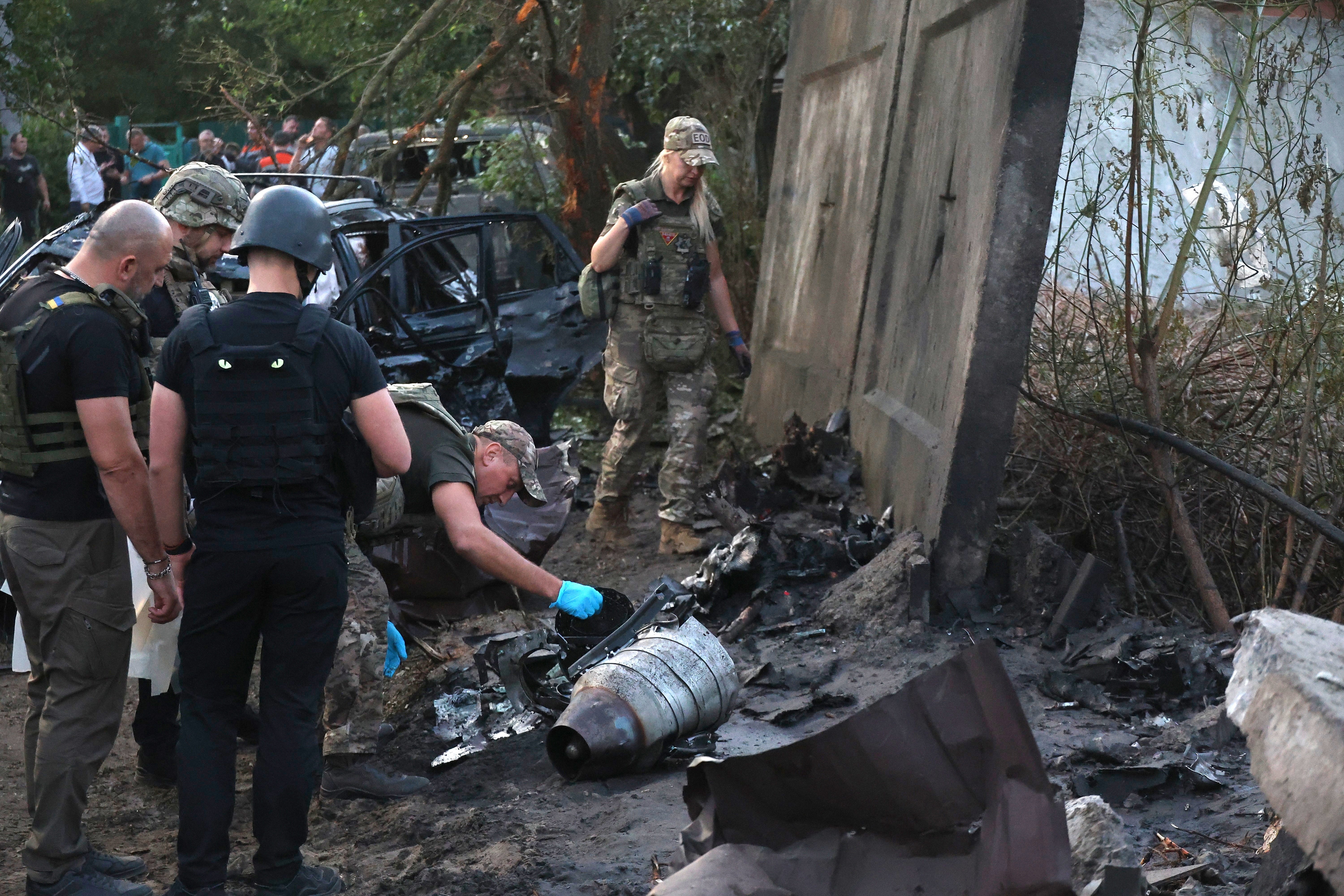
In recent weeks, Russia has intensified its attacks on Ukraine’s telecommunications infrastructure. For example, on October 19, reports emerged that a data center belonging to Datagroup, a major Ukrainian telecommunications operator backed by French investment firm NJJ, had been destroyed. Similar attacks have occurred before, directly affecting internet connectivity across Ukraine and leaving hundreds of thousands of users without service.
In these circumstances, Starlink provides Ukrainians with a vital backup internet connection. In some regions, it is effectively the only way to access the internet, particularly in frontline areas, small towns, and villages. For residents of these communities, Starlink may be their only means of staying in touch with loved ones and accessing information.
Starlink is also essential to Ukraine’s defense. These systems are needed to defend Ukrainian cities against both conventional and jet-powered Shahed drones, said Serhii “Flash” Beskrestnov, an adviser to the President of Ukraine on the development of defense technologies.
Starlink is also crucial for disrupting Russian logistics routes, directly influencing developments on the battlefield. In particular, the technology helped make Operation Vivaldi possible, contributing to the liberation of 277 square kilometers of Ukrainian territory in the Donetsk region.
Arson attacks targeting Starlink infrastructure directly disrupt the operation of a technology that is critical to Ukraine. For Russia, these incidents are part of a broader sabotage campaign that has been unfolding across Europe for years.
Russia’s hybrid attacks against Europe have become increasingly dangerous, ranging from sabotage and arson to cyberattacks and airspace violations, according to a Bloomberg investigation. Over the past two months, Russia has focused on defense industry and logistics targets directly involved in supporting Ukraine.
Meanwhile, Russia is developing its own satellite network, Rassvet. While attempting to destroy Starlink infrastructure in Europe that Ukraine desperately needs, Moscow is simultaneously funding the development of its own satellite internet system. This technology could enable Russia to carry out more precise strikes against Ukrainian rear areas using drones and other weapons.

The hybrid warfare Moscow is waging across Europe is the less visible component of a broader military campaign directed against the democratic world. The Kremlin seeks to undermine the defense capabilities of Ukraine’s European allies and weaken unity among Ukraine’s partners by demonstrating the potential cost of supporting Ukraine.
However, it is important to recognize that these actions directly threaten sovereign nations. Allowing Moscow to act with impunity will only embolden it to take increasingly aggressive steps.
Discuss this article: