- Category
- War in Ukraine
Ukraine Just Wrapped Up a Four-Season Military Operation: 277 km² Cleared, 8,000 Russian Troops Eliminated
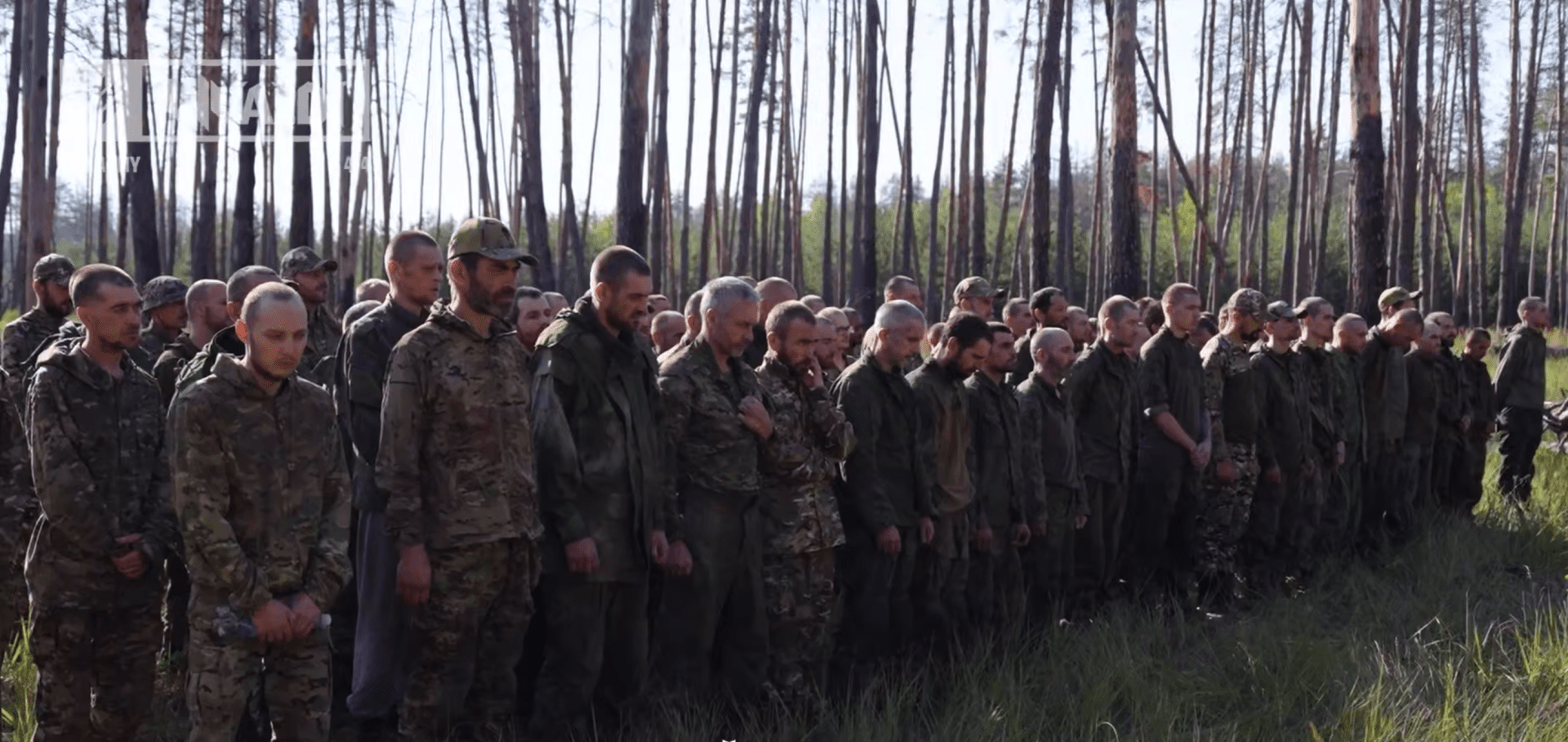
Attack robots dropped behind Russian lines by drones, carefully orchestrated battlefield bluff, and an offensive that left three Russian armies weakened—Ukraine’s Operation Vivaldi has ended with 277 square kilometers retaken and at least 8,000 Russian troops killed or wounded.
 Prefer U24 Media on Google
- Authors

-29a1a43aba23f9bb779a1ac8b98d2121.jpeg "Photo of Illia Kabachynskyi")
Putin’s ambitions to seize the entirety of Ukraine’s Donetsk region have collided with a battlefield reality.
In mid-October, Ukraine’s Third Army Corps announced the completion of one of its largest territorial liberation operations in the Donetsk region in recent months, bringing the fourth and final phase of Operation Vivaldi to a close.
The final phase resulted in the liberation of 101 km² (39 mi²) of territory, the elimination of more than 3,000 Russian troops, and the destruction of hundreds of pieces of military equipment. The Corps announced that Operation Vivaldi had officially concluded, but added that Ukrainian music had not fallen silent.
Results of the Operation Vivaldi
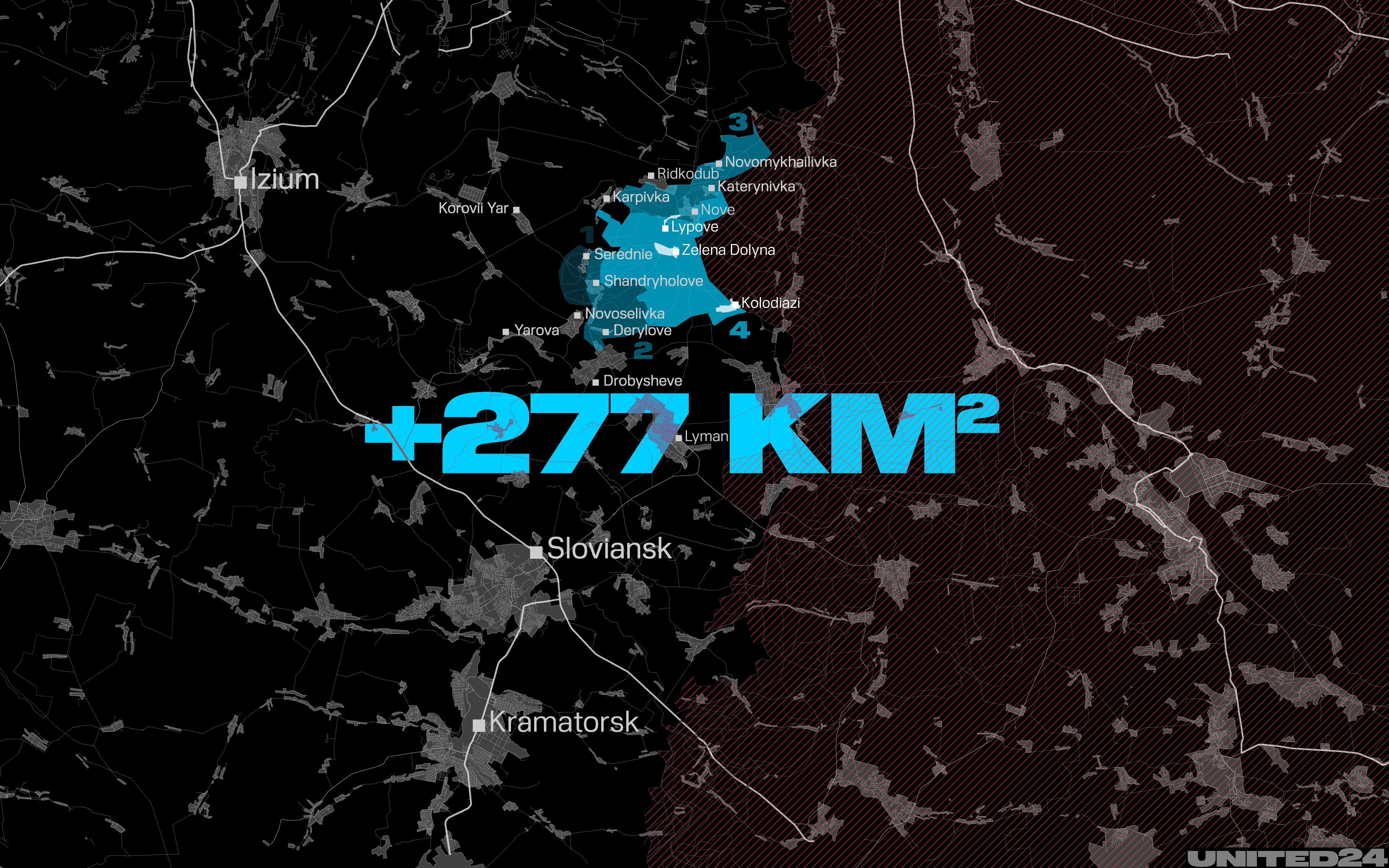
Over the four “seasons” of Operation Vivaldi, Ukraine’s Third Army Corps cleared a total of 277 km² (107 mi²) of Ukrainian territory from Russian forces.
What began as an operation to eliminate Russian infiltration developed into a rapid, large-scale offensive, Third Army Corps said. Disoriented Russian troops began losing control of their units, plunging their formations into chaos.
Двохсотили пі*арів по кущах, спалили танк і міномет
— Третій армійський корпус (@ab3army) October 15, 2026
БпЛА @luhanskdpsu під час наступальної операції «Вівальді» Третього армійського корпусу нагадали окупантам, що чужа земля для них — могила.
Нищення живої сили, техніки і засобів зв’язку ворога — у відео під пілотів підрозділу! pic.twitter.com/GpjirGHgJt
In total, nine settlements were cleared of Russian occupation, while another seven were fully liberated.
During the final “season,” Ukrainian forces liberated three settlements: Zelena Dolyna, Lypove, and Kolodiazi.
Earlier, Ukrainian forces liberated Nove, Ridkodub, and Katerynivka and restored control over Karpivka and Novomykhailivka. Before that, the settlements of Shandryholove, Derylove, Drobysheve, Novoselivka, Oleksandrivka, Yarova, and Serednie, as well as the outskirts of Korovii Yar, had also been liberated and brought back under Ukrainian control.
Throughout the operation, Russian forces lost 8,000 troops killed or wounded, more than 3,800 pieces of military equipment, and had at least 250 soldiers taken prisoner.
The Corps commander, Brigadier General Andrii Biletskyi, said Russian forces had exhausted all their reserves along the Corps’ offensive sector and were forced to redeploy troops from another front, easing pressure on Ukrainian positions elsewhere.
-e29925be9ebc1a8f717a4acbc6580b6c.png)
What makes Operation Vivaldi significant?
Operation Vivaldi demonstrated that the Ukrainian military can successfully conduct offensive operations even when operating with fewer resources than its adversary, said Biletskyi. The key, he said, lies in effective planning.
The Third Army Corps attributed the offensive’s success to speed, the disorientation of Russian forces, and the fog of war.
Asymmetric tactics also played a crucial role, including the first deployment of suicide ground robots behind Russian lines and the deliberate spread of disinformation among enemy forces.
One of the Third Army Corps’ innovations was its approach to preparing for the operation.
A special unit was established within the Third Army Corps to create a public picture of battlefield developments that differed from what was actually happening on the ground. In other words, it was a bluff.
The unit collects data from across the Third Army Corps, analyzes it, and determines what Russian troops are most likely to believe. Its job is to construct a picture of the battlefield that does not reflect reality.
It is information warfare in action: rather than simply concealing an operational plan beneath the fog of war, the Corps masks it with deliberately planted false information, including misleading messages communicated at the highest levels of its command.
-b4b52cbf49ab2029b21c398e58c692c8.jpg)
The concept worked and produced results. The Ukrainian military’s effective actions also achieved two other important objectives.
First, the Corps managed to degrade the combat capabilities of three Russian armies simultaneously: the 20th Combined Arms Army, the 25th Combined Arms Army, and the 1st Guards Tank Army.
Second, Ukrainian forces prevented Russian troops from outflanking the Sloviansk-Kramatorsk urban area and encircling it in a pincer movement.
They also secured the Kharkiv-Sloviansk highway, preventing Russian forces from cutting off a critical supply route for Ukraine’s military grouping in the Donbas.
“We disrupted the offensive of Russia’s Zapad Group of Forces,” Biletskyi said.
Ultimately, these developments have undermined Russian leader Vladimir Putin’s long-sought objective of capturing the entire Donetsk region, making such an outcome unlikely in the foreseeable future.
That remains the case despite the Kremlin’s determination to prove otherwise and achieve its territorial ambitions.
Discuss this article:

-c439b7bd9030ecf9d5a4287dc361ba31.jpg "Photo of Katherina Popilnichenko")

-111f0e5095e02c02446ffed57bfb0ab1.jpeg "Photo of Roman Kohanets")
-72b63a4e0c8c475ad81fe3eed3f63729.jpeg "Photo of Cyril Barabaltchouk")