- Category
- War in Ukraine
Operation Vivaldi, Phase Three: Russia Fell for Ukraine’s Battlefield Bluff, Lost 2,000 Troops and Key Bridgehead
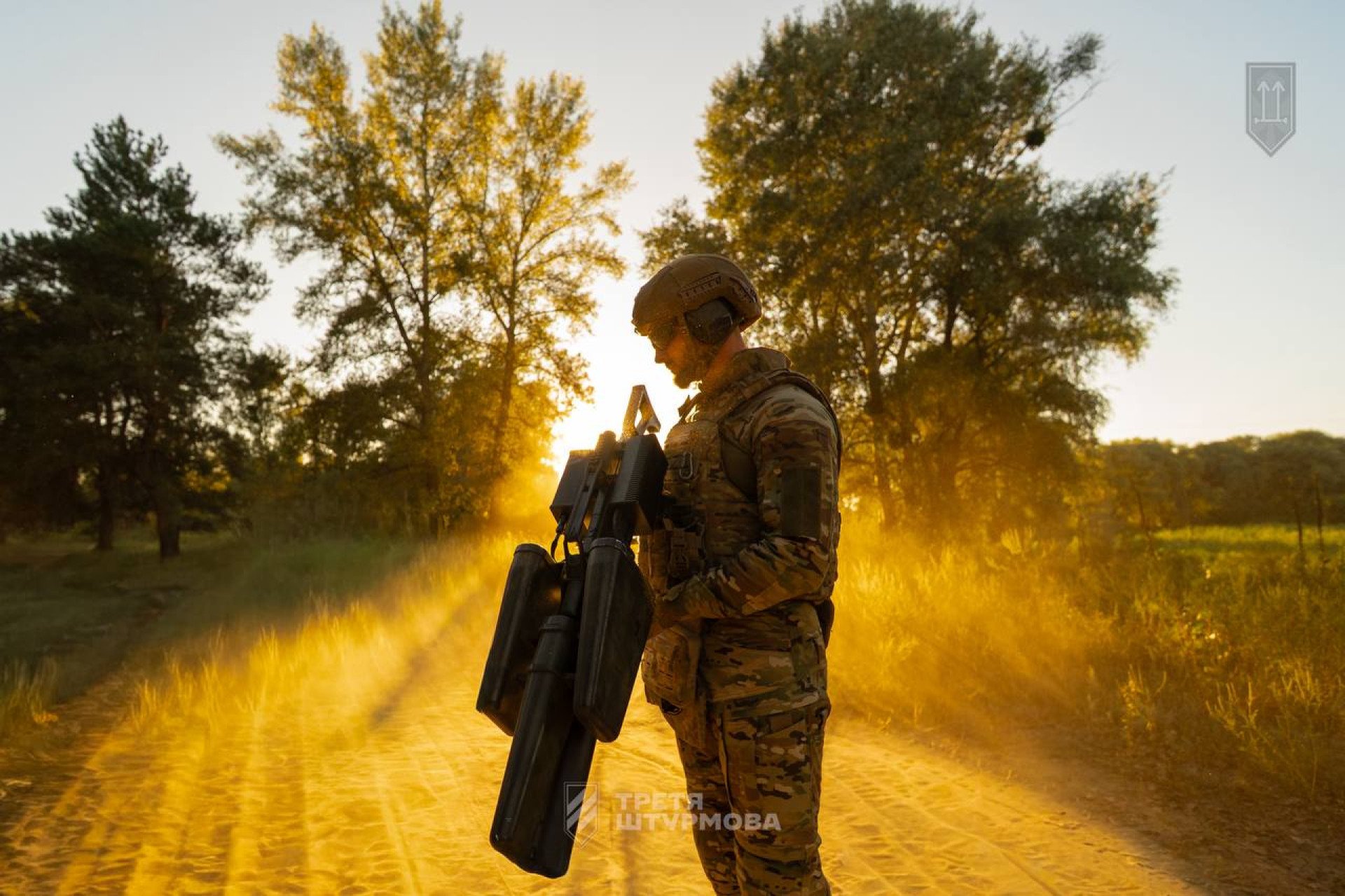
Ukraine’s Third Army Corps says it cleared another 51 km² in the third phase of Operation Vivaldi, liberated the key settlement of Nove, and inflicted around 2,000 personnel losses on Russian forces after deceiving them about the counteroffensive’s main axis of attack.
 Prefer U24 Media on Google
- Authors

-29a1a43aba23f9bb779a1ac8b98d2121.jpeg "Photo of Illia Kabachynskyi")
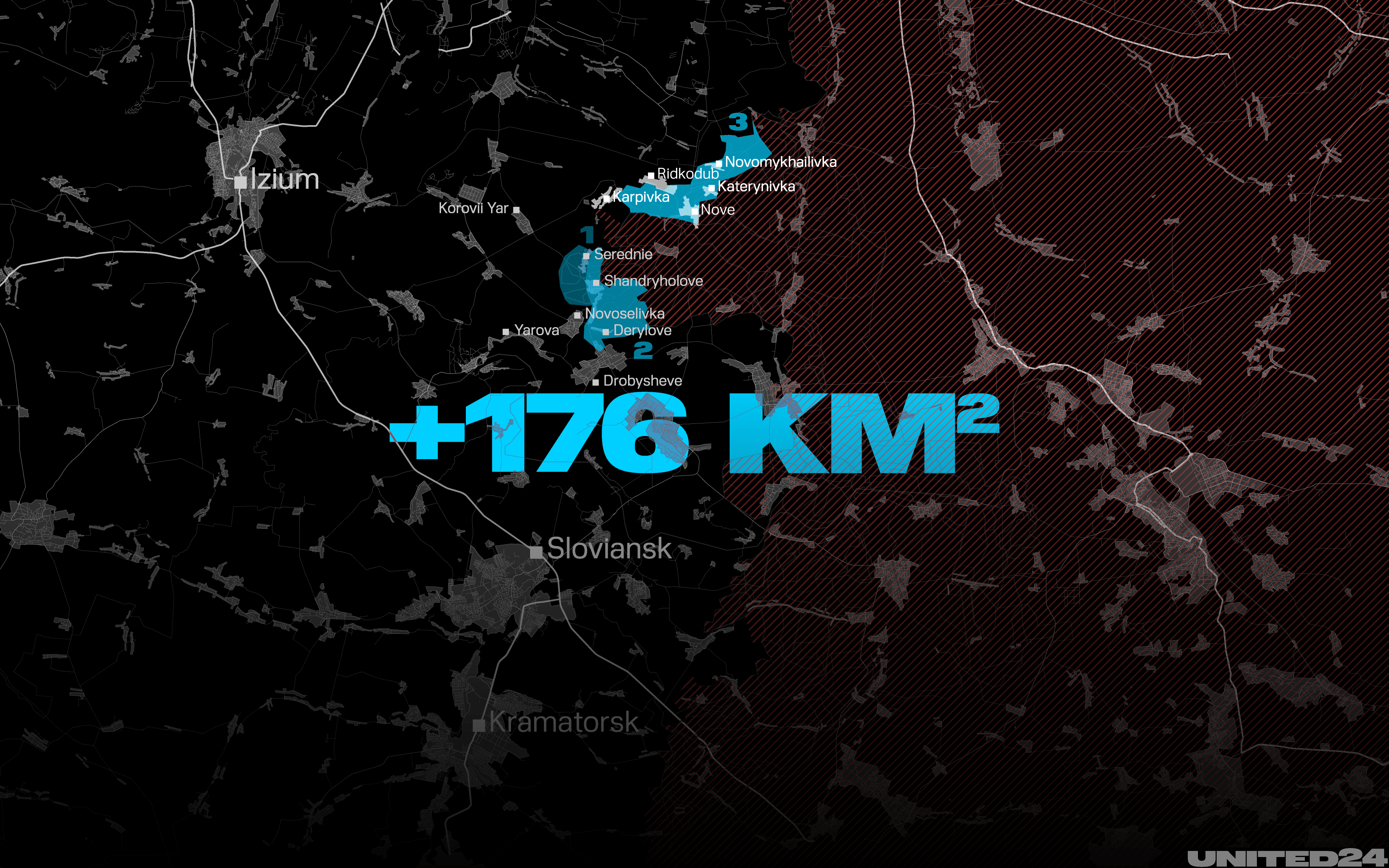
Operation Vivaldi, conducted by Ukraine’s Third Army Corps, has entered its next phase—the third of four “seasons,” as the Corps itself describes them. With 51 km² cleared, the total area now under Ukrainian control following the three phases of the operation is 176 km².
-e29925be9ebc1a8f717a4acbc6580b6c.png)
But it is not only the amount of territory that matters—it is also what exactly Ukrainian forces have managed to bring under their control. One such location is the settlement of Nove, which the Third Army Corps describes as a key Russian hub in this sector.
Whoever controls the high ground around this settlement holds the initiative on the bridgehead.
Andrii Biletskyi
Third Army Corps Commander
Ukrainian forces liberated the settlements of Nove, Ridkodub, and Katerynivka and restored control over Karpivka and Novomykhailivka. Earlier, the settlements of Shandryholove, Derylove, Drobysheve, Novoselivka, Oleksandrivka, Yarova, and the outskirts of Korovii Yar, as well as Serednie, had also been liberated and brought back under Ukrainian control.
During the counteroffensive, Russia lost 2,000 troops killed and wounded in the latest phase alone, while 250 Russian soldiers were taken prisoner. This is also an important aspect of the war, as it gives Ukraine additional prisoners for future exchanges with Russia. Total Russian losses during the three phases amounted to more than 5,000 killed and wounded on this section of the front alone.
The operation is ongoing and will include a fourth phase.
How Ukraine hid the real strike on Nove
“The enemy was convinced that the main axis of attack was Shandryholove–Zelena Dolyna,” Biletskyi said. “This forced it to senselessly burn through its reserves in counterattacks specifically along that axis. The Russians slept through the real strike, which was focused on capturing Nove.”
This also illustrates one of the Third Army Corps’ innovations and the way it approached preparations for the operation.
A special unit was created within the Corps with the task of presenting a public picture of combat operations that did not correspond to what was actually happening on the ground. In other words, a bluff.
The unit’s team collects data from across the Corps, analyzes it, and calculates what exactly Russian troops are likely to believe. Its job is to create a picture of the battlefield that does not reflect reality. It is information warfare in action: instead of concealing an operational plan beneath the fog of war, it is hidden behind deliberately planted false information, including information communicated at the Corps’ highest command level. The concept worked and produced results.
Another new approach involved using unmanned ground vehicles (UGVs) equipped with grenade launchers. Ground robots fitted with two Bullspike grenade launchers attacked Russian troops in their positions before detonating directly inside their shelters.
“The occupiers thought they were being attacked by an entire assault group,” the Corps said. “In reality, they were being taken apart by robots from the Third Assault.”
In this way, UGVs perform three tasks at once: they strike the enemy, exert psychological pressure, and clear positions—all without putting infantry at risk. And this is only part of the innovation. To attack behind Russian lines, the same ground robots were delivered to their positions by heavy bomber drones. In effect, these are airborne assault operations conducted by drones and robots—something previously unseen in the history of warfare.
New approaches and high-quality planning enabled rapid advances while preserving Ukrainian infantry and neutralizing significant numbers of enemy troops.
How Operation Vivaldi disrupts Russia’s push
The active advance of Ukrainian troops along one axis in the Donetsk region is a vivid illustration of why official Kyiv cannot accept Russia’s demands to hand the Luhansk and Donetsk regions over to the Kremlin for nothing. Ukrainian military actions as part of Operation Vivaldi are disrupting one of Russia’s plans—to bypass Kramatorsk from the north and begin pressuring the city from several directions at once.
-f14be43f0648c4b4c92dc8a933010e69.jpg)
Ukrainian forces on other sectors of the front are also conducting an active defense and holding back the enemy, preventing it from making significant advances and disrupting its offensive plans in each sector.
Ukraine’s Donbas is not an easy prize for the Russian army, despite steadily increasing pressure. Russia lost more than 10,000 troops killed and wounded over the past week alone, say the Ukrainian General Staff’s daily reports. Ukraine’s Unmanned Systems Forces neutralize more than 500 Russian troops each day, while by the morning of September 28, Russian losses had once again exceeded 2,000 personnel.
Despite record losses, Russia has failed to achieve significant results. That is precisely why continued support for Ukraine is critical—to build on the current situation and help the country continue delivering results.
Discuss this article: