- Category
- War in Ukraine
Operation Vivaldi Is Back for Season 2—Ukraine Has Now Liberated 50 Sq Km From Russian Forces
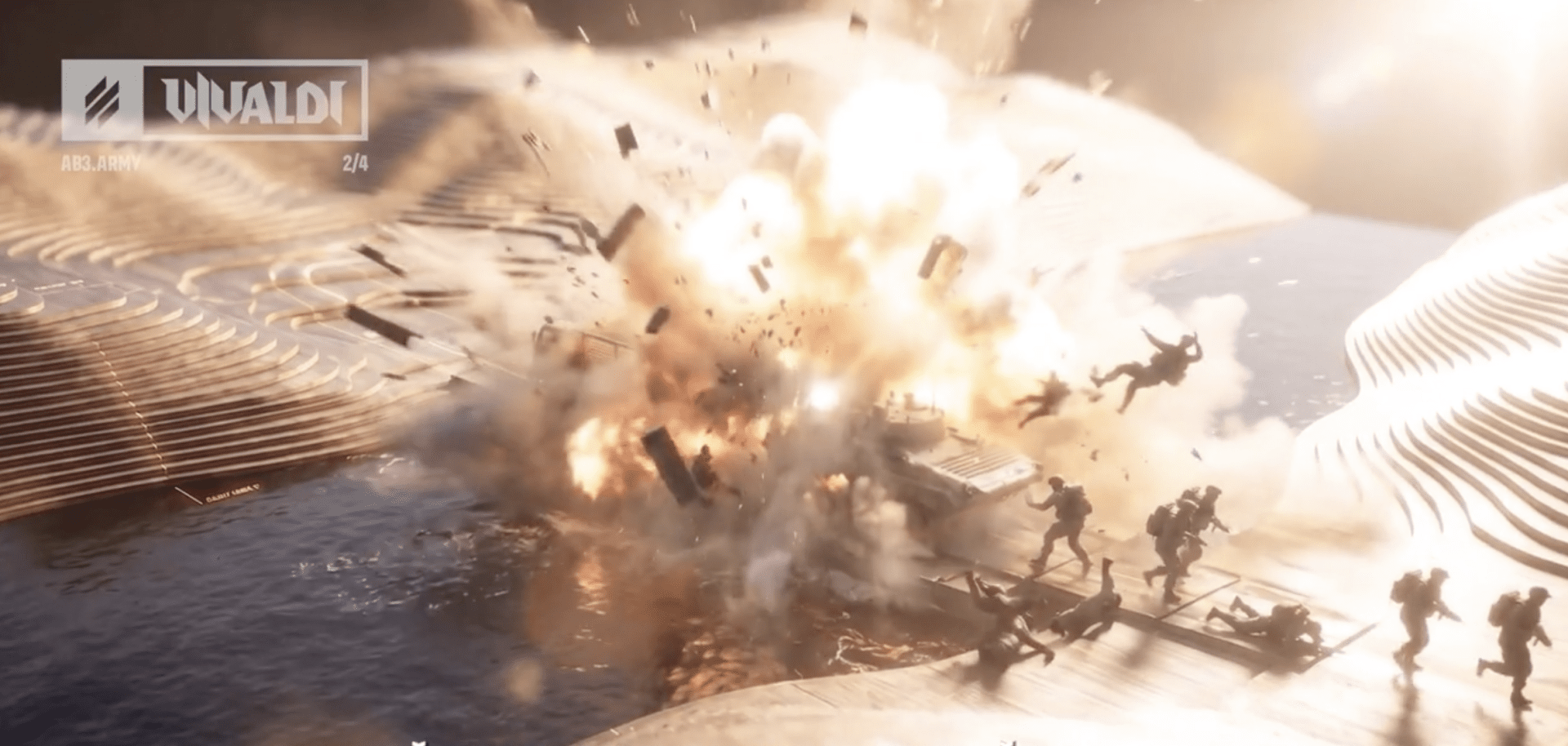
Operation Vivaldi is pushing Russian forces back in the Donetsk sector, with Ukraine taking control of more than 100 square kilometers and proving it can successfully conduct offensive operations and drive Russian troops from their positions.
 Prefer U24 Media on Google
- Authors

-29a1a43aba23f9bb779a1ac8b98d2121.jpeg "Photo of Illia Kabachynskyi")
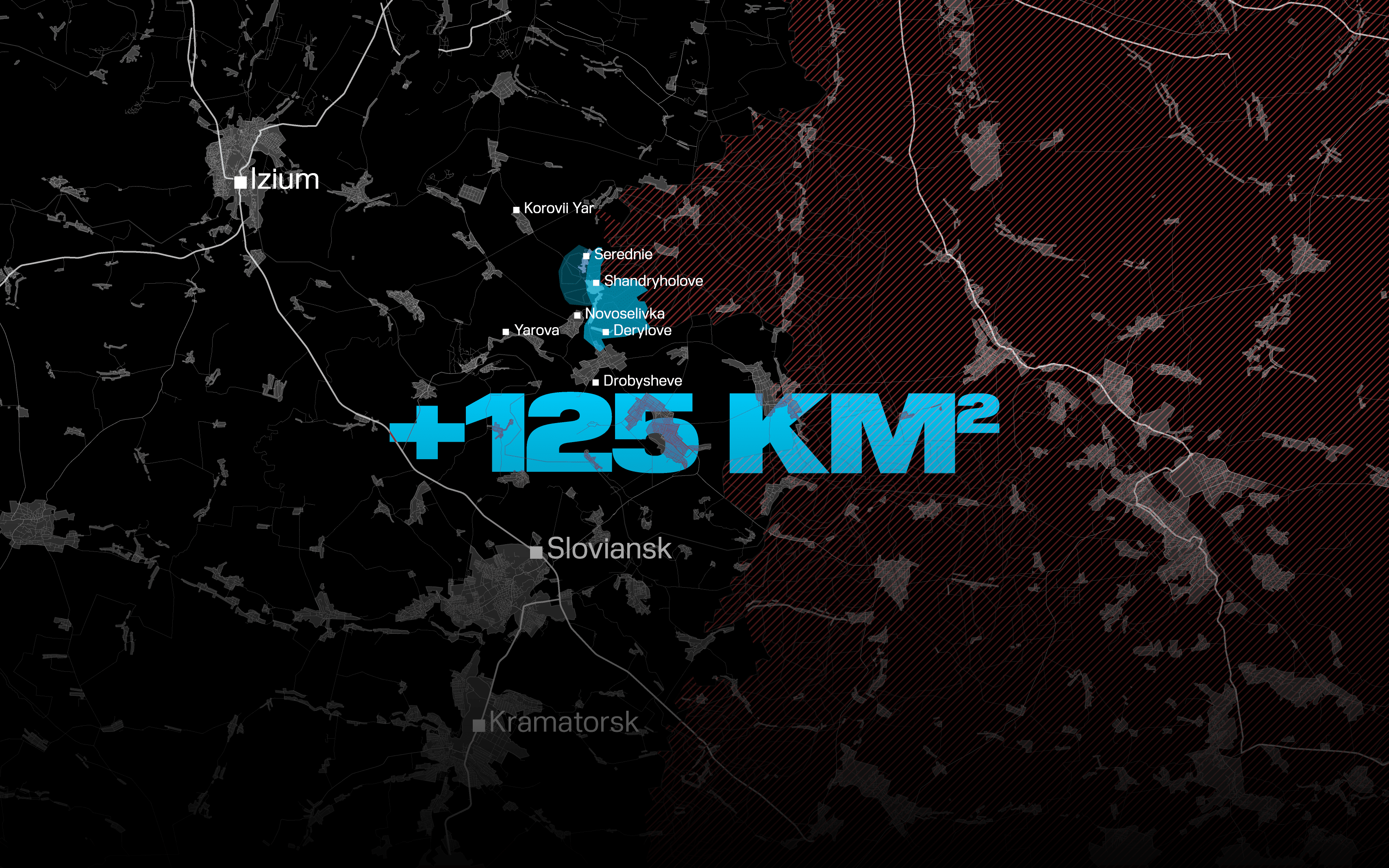
Ukraine’s Third Army Corps has reported the results of the second phase of Operation Vivaldi: its forces liberated the settlements of Shandryholove and Derylove and established full control over Drobysheve in the Lyman sector of northern Donetsk region, northeast of the key Ukrainian-held cities of Sloviansk and Kramatorsk.
Earlier, Ukrainian forces had cleared Novoselivka, Oleksandrivka, and Yarova, as well as the outskirts of Korovii Yar, while liberating Serednie—advances across the same area north and northwest of Lyman.
Ukraine liberates more territory in the Donetsk region
Over the course of the operation’s two phases, Ukrainian forces have taken control of 125 square kilometers of territory, 50 square kilometers of which were liberated from Russian occupation. Operation Vivaldi, named after Antonio Vivaldi and his The Four Seasons, should therefore have at least two more updates still to come.
During the two phases of the operation, the Russian military lost more than 3,000 soldiers killed and wounded. The Third Army Corps says it managed to degrade the capabilities of three Russian armies at once—the 20th, 25th, and 1st Guards Tank Army.
Another notable and somewhat surprising aspect of the operation was full-fledged robot warfare.
This time, heavy drones delivered not FPV drones or munitions behind Russian lines, but suicide ground robots. They carried out a sabotage operation, with the mission's unexpected nature allowing Ukrainian forces to exploit Russia’s lack of preparedness. It was the first operation of its kind in history.
Виносимо укриття разом з ворогом — важкі удари «Вівальді» зрівняли окупантів із землею!
— Третій армійський корпус (@ab3army) September 18, 2026
Ураженнями з РСЗВ і важкими бомберами знищили точки скупчення особового складу армії рф, ворожу переправу, склад боєприпасів, розрахунок БпЛА, гармату та РСЗВ окупантів у смузі Третього… pic.twitter.com/7r2AjgrkH8
Overall, since the beginning of 2026, Ukraine has regained control of and partially liberated around 1,000 square kilometers of territory. In some months this year, the Ukrainian military has taken control of more territory than the Russian military. The pace of Russia’s advance has also declined dramatically. Russia has lost more than 250,000 troops killed and wounded since the beginning of the year without achieving significant results, while its spring and summer offensive campaigns have completely failed.
How the Ukrainian military is changing modern warfare
In September, Russian propaganda claimed that Russian forces had taken control of the city of Sviatohirsk in the Donetsk region. Similar claims were subsequently repeated twice, including by Russian leader Vladimir Putin.
The reality is that Sviatohirsk is around 20 kilometers from the front line, and the only Russian things reaching the city are bombs that destroy civilian residential infrastructure. The Third Army Corps’ actions during Operation Vivaldi are pushing the Russian forces farther away from the city and, more broadly, driving Russian forces back from Ukrainian territory.
The operation is also significant because it effectively disrupts one of Russia’s plans—to bypass Kramatorsk from the north and begin putting pressure on the city from several directions at once.
Kramatorsk, Sloviansk, Druzhkivka, and Kostiantynivka are four cities that have essentially become a fortress standing in the way of Russia’s effort to seize the entirety of the Donetsk region. Russian forces have currently advanced closest to Kostiantynivka, but the city remains under Ukrainian control.
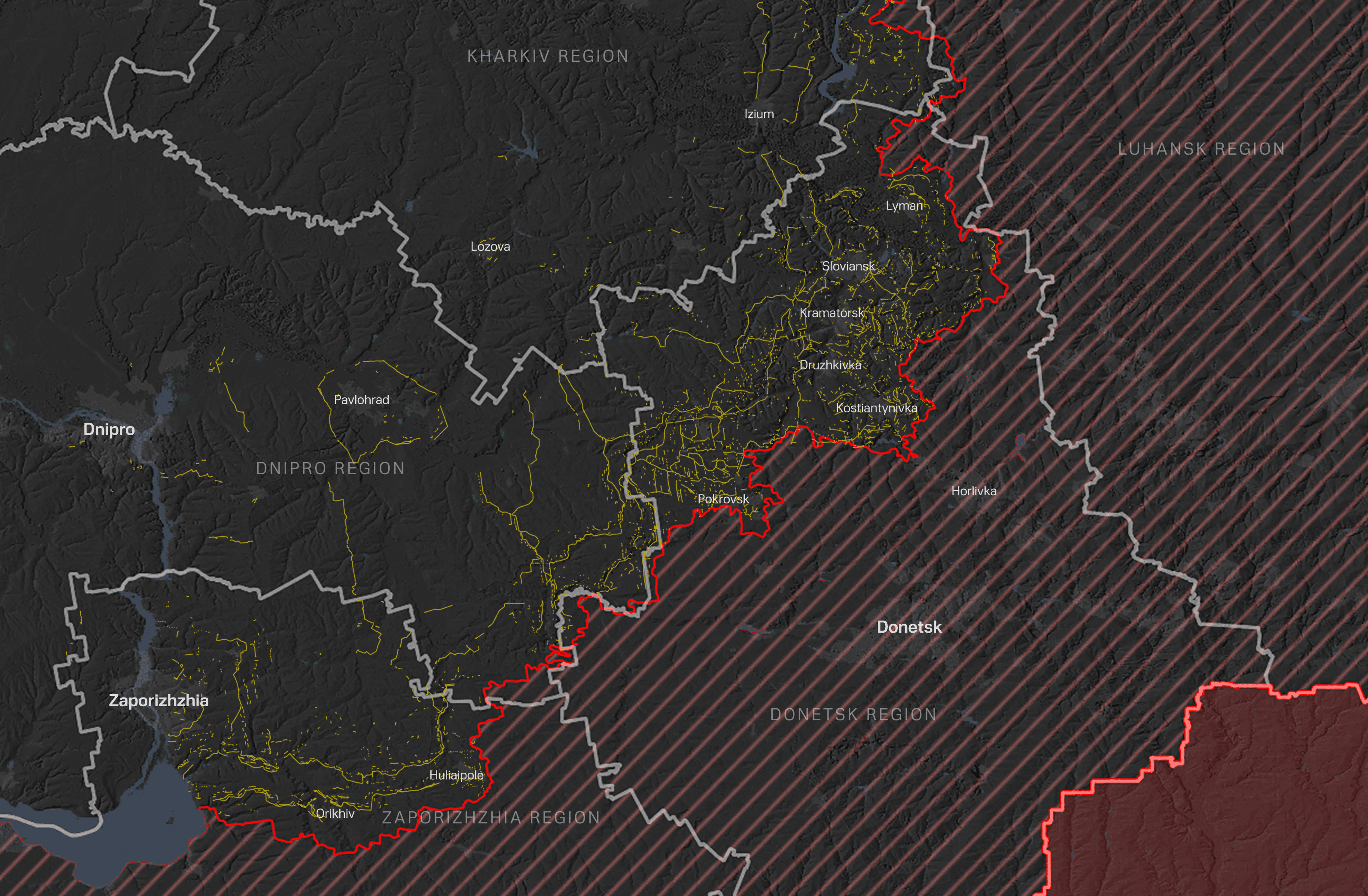
Disrupting the offensive in the north will help protect one of Kramatorsk’s flanks and shield this sector from additional pressure on these four key cities.
The Ukrainian military has demonstrated its ability to conduct successful offensive operations—not merely holding back Russian forces, but driving them from their positions. The corps system, in which brigades are capable of operating like a single orchestra, is directly reflected in the results of this offensive operation. It once again demonstrates that the Ukrainian military is strong and, with support from its partners and sufficient personnel and equipment, can deliver tangible results on the battlefield.
Last but not least, the Ukrainian military is essentially rewriting the rules of warfare.
During the offensive, Ukrainian forces demonstrated the coordinated implementation of a drone-assault concept. Every type of aerial drone was deployed, along with unmanned ground systems performing a range of missions—including assault operations—rather than solely logistics or evacuation missions. The Ukrainian military is the first to carry out such missions and has developed knowledge and expertise that are changing the very paradigm of how wars are fought.
Holding the Donbas front for 11 years
The successful second phase of Operation Vivaldi, alongside successful defensive operations by Ukrainian forces, clearly demonstrates that while Moscow has a large military, its ability to seize the entirety of the Luhansk and Donetsk regions remains highly limited.
As things stand, doing so would take many years if Ukraine continues to receive sustained support from its European partners: the more defensive capabilities Ukraine has, the harder it becomes for the Kremlin to carry out its plans.
For precisely this reason, these territories cannot be used as a bargaining chip. Moscow does not have the military strength to establish control over them by force, and therefore, they should not be handed over to it for nothing.
Discuss this article:


-80134f2dc17b4a887d01513a1c7bc929.png "Illustration of Russian military infrastructure targeted by Ukrainian strikes in temporarily occupied eastern Ukraine. (Source: General Staff of the Armed Forces of Ukraine)")