- Category
- War in Ukraine
Ukraine Thwarts Russia’s 2026 Spring and Summer Offensives as Russian Losses Top 200,000
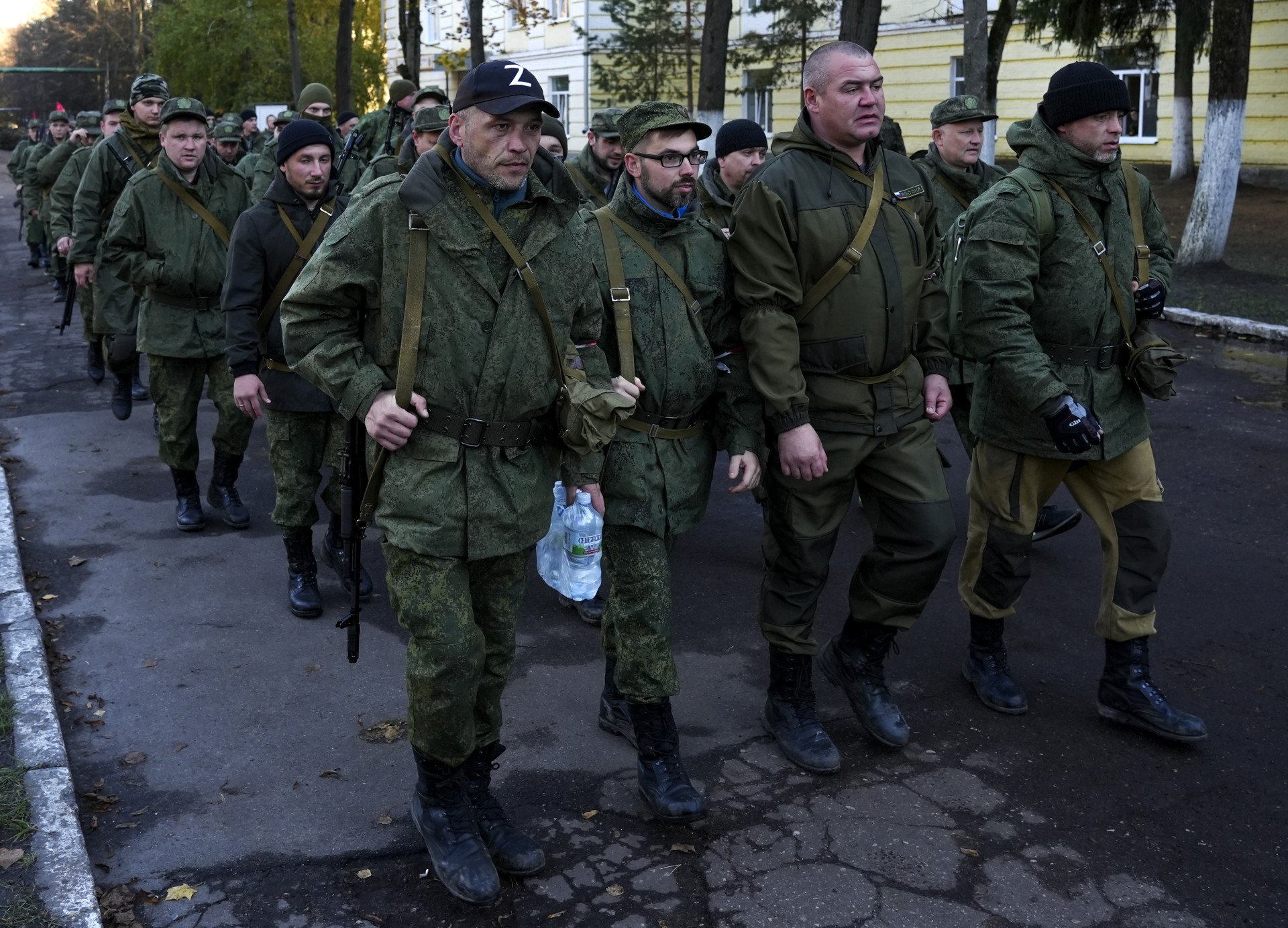
Russia entered the spring of 2026 expecting a major battlefield breakthrough. Six months later, the breakthrough has not come. Moscow has now lost more than 200,000 troops across the spring and summer, failed to mount a successful mechanized assault, and gained little ground, while Ukrainian forces have liberated 745 square kilometers in the south.
 Prefer U24 Media on Google
- Authors

-29a1a43aba23f9bb779a1ac8b98d2121.jpeg "Photo of Illia Kabachynskyi")
March 2026 was supposed to mark the beginning of a major offensive, expected to deliver results at least on par with those of 2024-2025. The Russian army had made gains in previous years and planned to build on that momentum, with a specific objective: to capture the entire Donetsk region and gain leverage over Kyiv.
Instead, the first three days of active operations cost the Russian army more than 5,000 troops killed and wounded. By mid-March, it had become clear that there would be no significant advance.
Russia’s battlefield losses mount
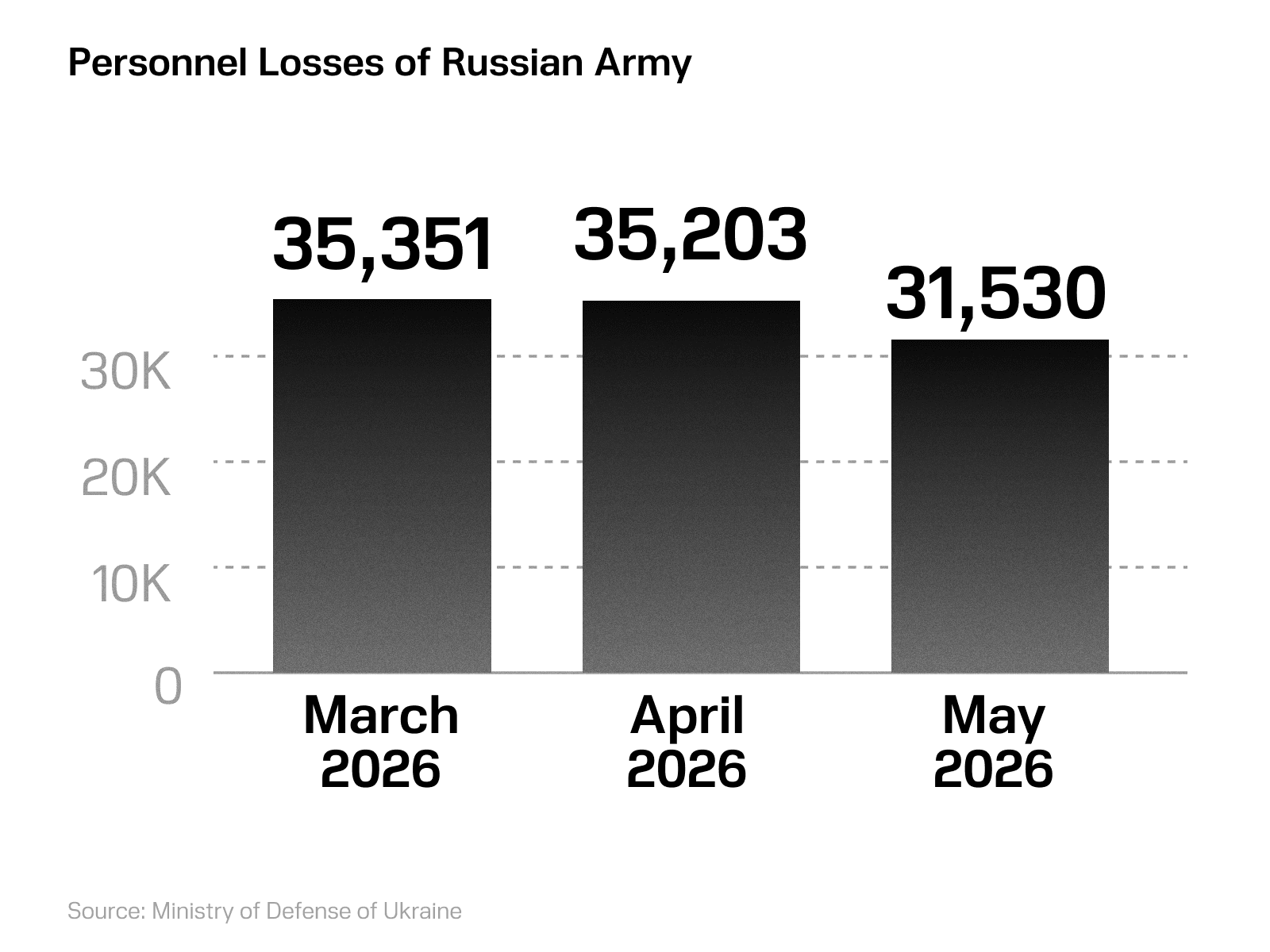
The pace of losses continued. By the end of March, Russia had lost around 1.3 million troops since the start of the invasion, said the General Staff of the Armed Forces of Ukraine. By the end of August, that figure had risen to 1.48 million killed and wounded. The Russian army is losing soldiers at a record pace: more than 100,000 in the spring and another 100,000 in the summer of 2026.
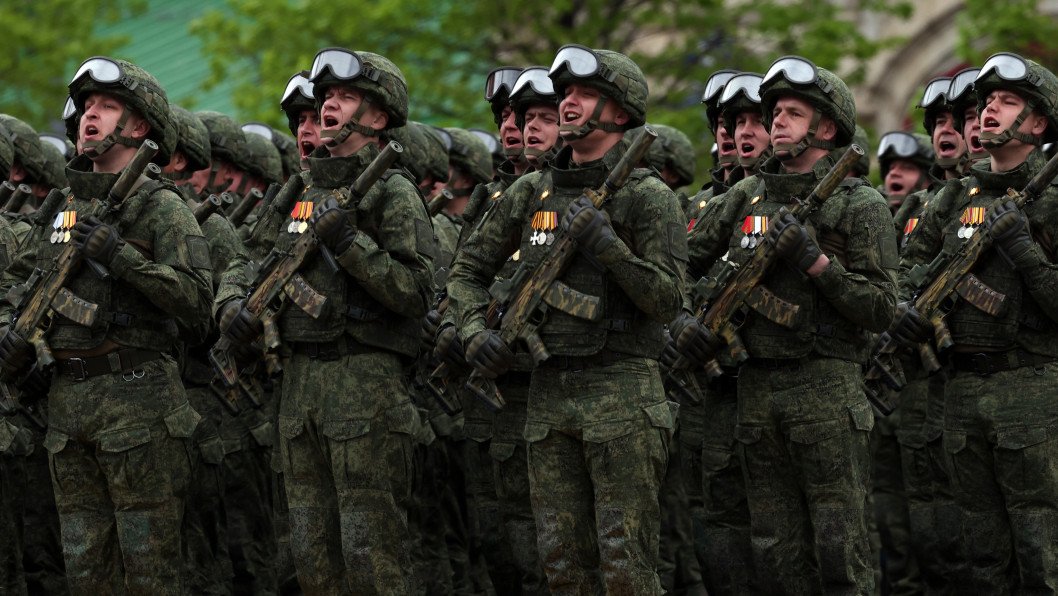
July 2026 was the bloodiest month of the year for Russian troop losses: 42,860 casualties, the Russian army’s highest monthly toll since January 2025. Overall, Russia lost 238,650 personnel in the first seven months of 2026. At the same time, equipment losses also reached a record high, at nearly 14,000 units in a single month.
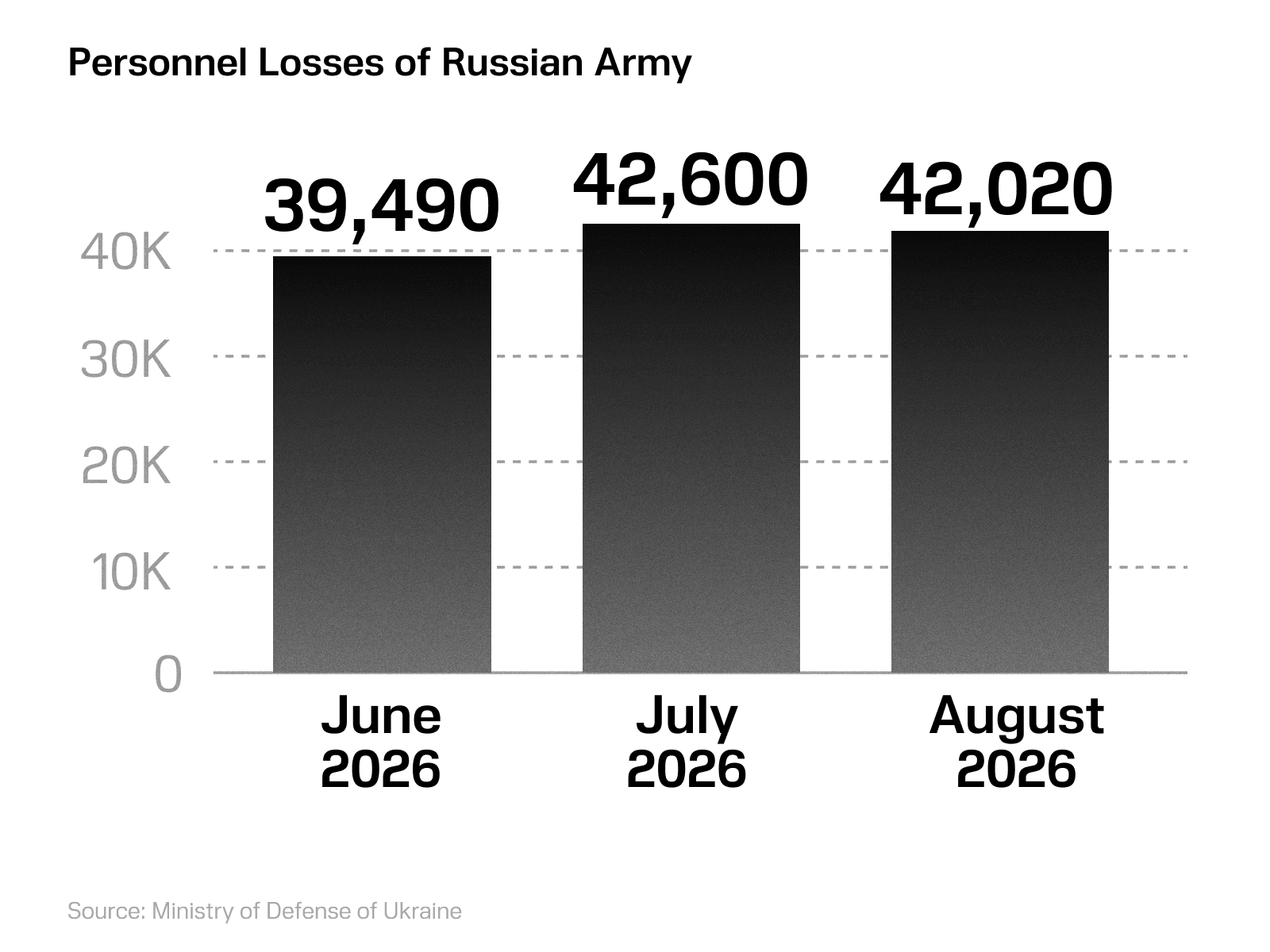
Yet Russia did not carry out a single successful mechanized assault. Ukrainian forces have managed to repel every such attack by using drones and organizing effective defenses across different sectors of the front.
But the clearest measure of the campaign’s failure is not simply the scale of Russia’s losses, but how little territory those losses have gained for the Kremlin.
Pavlo Palisa, deputy head of the Office of the President of Ukraine, says the Russian army is advancing extremely slowly, with virtually no territorial gains.
“We are seeing a trend toward a slowdown in the enemy’s rate of advance,” he said.
In some months, the area captured by Russian forces may amount to only a few dozen square kilometers, according to open-source data, including from Ukrainian open-source intelligence (OSINT) project DeepState.
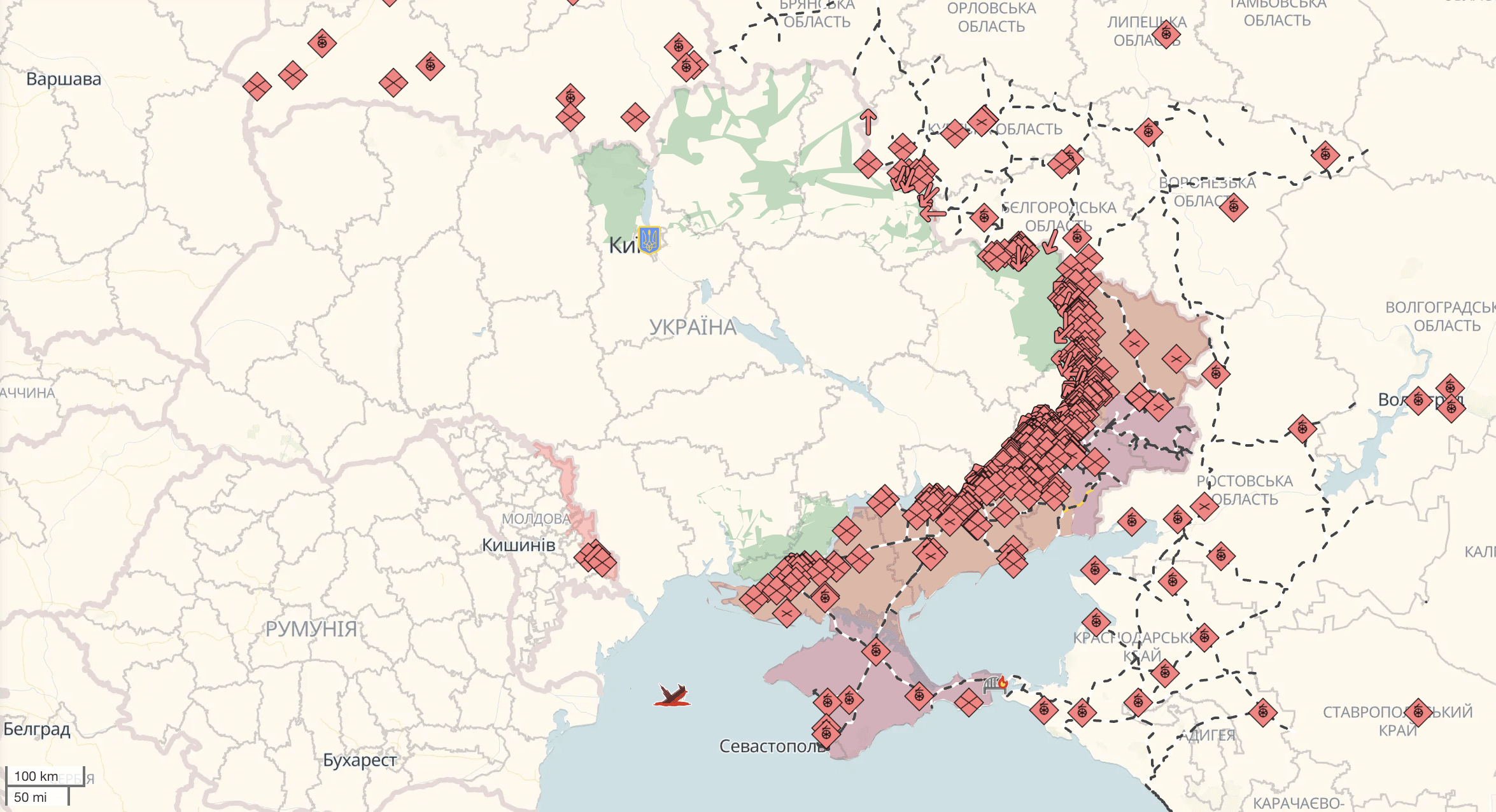
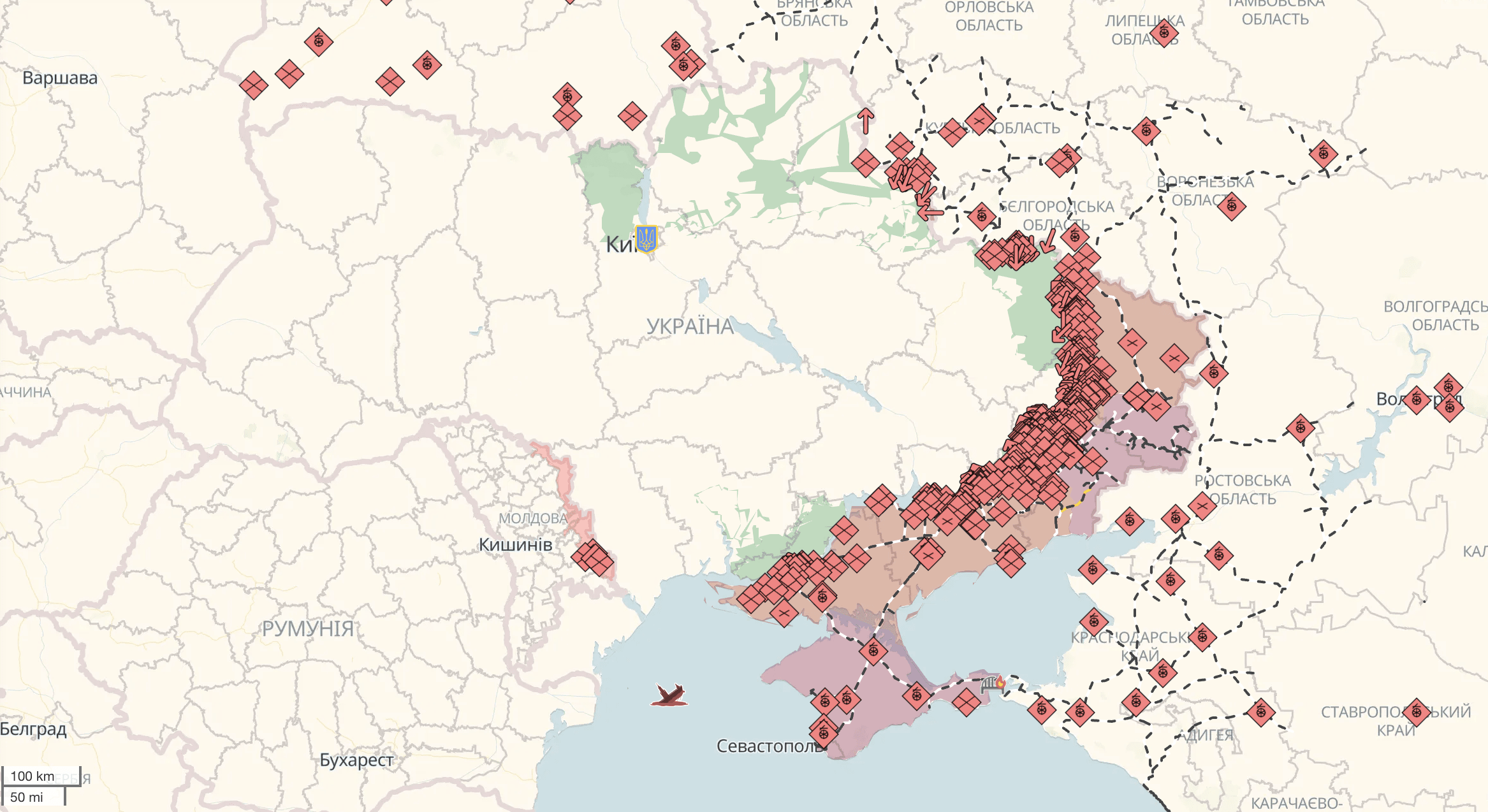
Ukrainian forces, by contrast, have achieved tangible results. By the end of 2025, they had liberated territory around Kupiansk in the Kharkiv region. In the first half of 2026, the Ukrainian army conducted offensive operations in the south, liberating 745 square kilometers of territory and 26 settlements in the Dnipropetrovsk, Donetsk, and Zaporizhzhia regions.
Ukrainian drones strike at Russia’s plans
One reason for the failure of Russia’s offensive campaign is a shift in the battlefield balance brought about by the saturation of the skies with drones. Ukrainian defenses are now capable of stopping infantry assaults as they approach, before they can develop into mass attacks. Attacks by columns of armored vehicles, which only a few years ago were a primary means of breaking through defensive lines, are now rarely attempted because of their extreme vulnerability to drones.
-3e0ce9cc15df48bb33986204cd936bb2.jpg)
Another factor is Middle Strike drone operations, which systematically disrupt Russian logistics in the operational rear, 50 to 200 kilometers from the front line. In March 2026 alone, such drones struck around 350 targets. In May, similar strikes brought Russian logistics in the Luhansk region and supply routes toward occupied Crimea under fire control, with fuel tankers, trucks, and other vehicles regularly hit along supply routes. By the summer, Middle Strike operations had effectively enabled the isolation of Crimea.
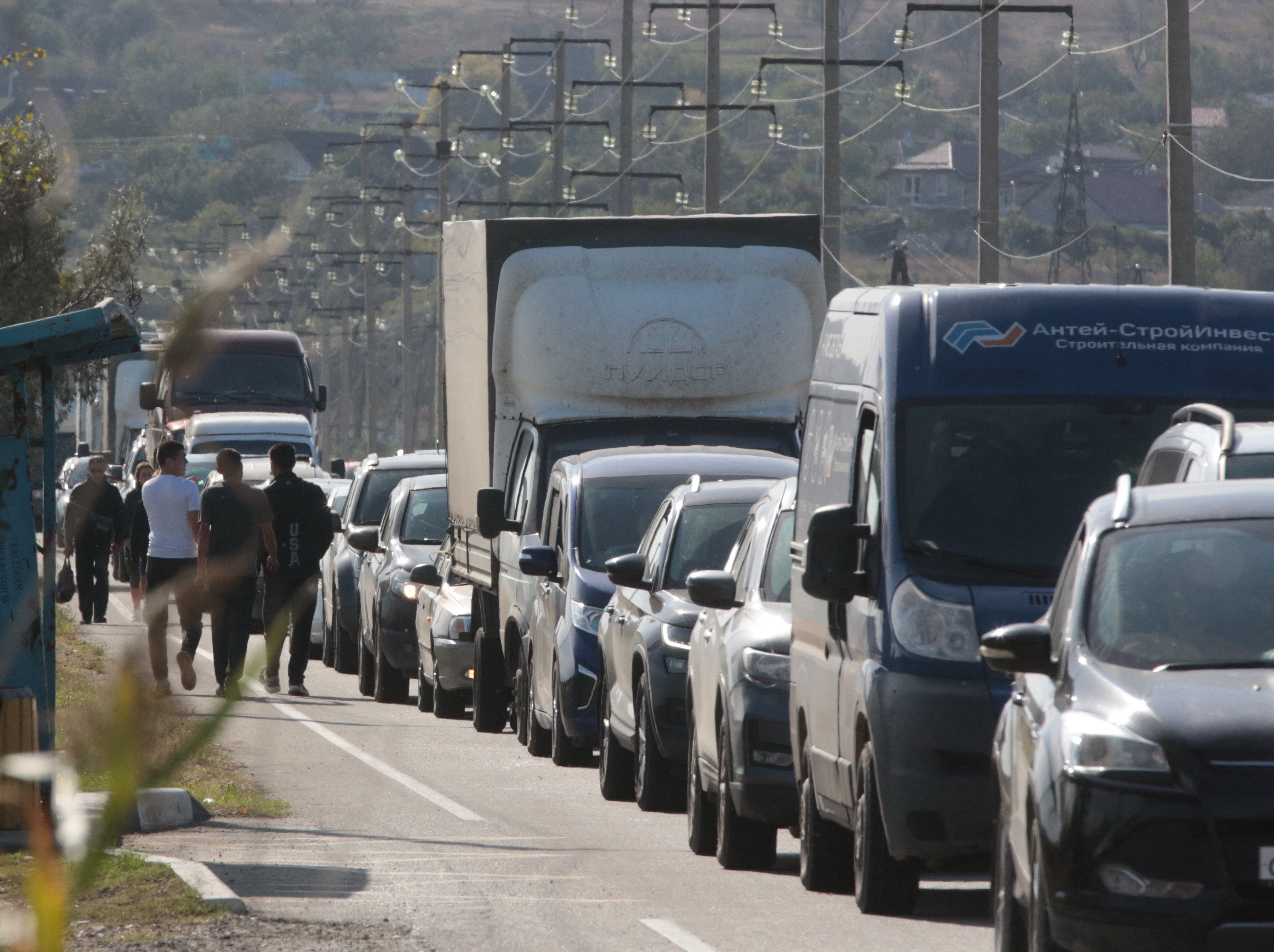
As a result, Russia cannot reliably supply its assault forces with the necessary quantities of ammunition, fuel, and equipment at the right time. Its logistics have been disrupted, while significant forces have been diverted to air defense and rebuilding supply routes, further stretching Russian resources.
Russia fails to break the Donetsk region’s “fortress belt”
For months, Kostiantynivka in the Donetsk region has remained one of the most difficult sectors of the front. Neighboring sectors around Dobropillia and Druzhkivka are also facing mounting Russian pressure. But despite months of assaults, Kostiantynivka remains under Ukrainian control.
Kostiantynivka is one of four major cities in the Donetsk region that together form the region’s defensive “fortress belt”: Kostiantynivka, Druzhkivka, Sloviansk, and Kramatorsk. Russia seeks to capture these cities, which would open the way for an offensive against the rest of the region that remains under Ukrainian control.
Palisa reports that Russia’s political leadership expects the entire Donetsk region to be occupied by December 31, 2026, while the military is asking for slightly more time—until the end of March 2027. “That is unrealistic,” Palisa adds. This sector has been under constant pressure for months, but Ukrainian forces have managed to hold the Russian army back.
Putin plans mass mobilisation in Russia
During the first half of 2026, the Russian army has also struggled with recruitment shortfalls and a difficult battlefield situation. Around 80,000 personnel were recruited in the first quarter, while more than 90,000 were lost. In July, Russia recruited 37,000 troops while losing around 43,000.
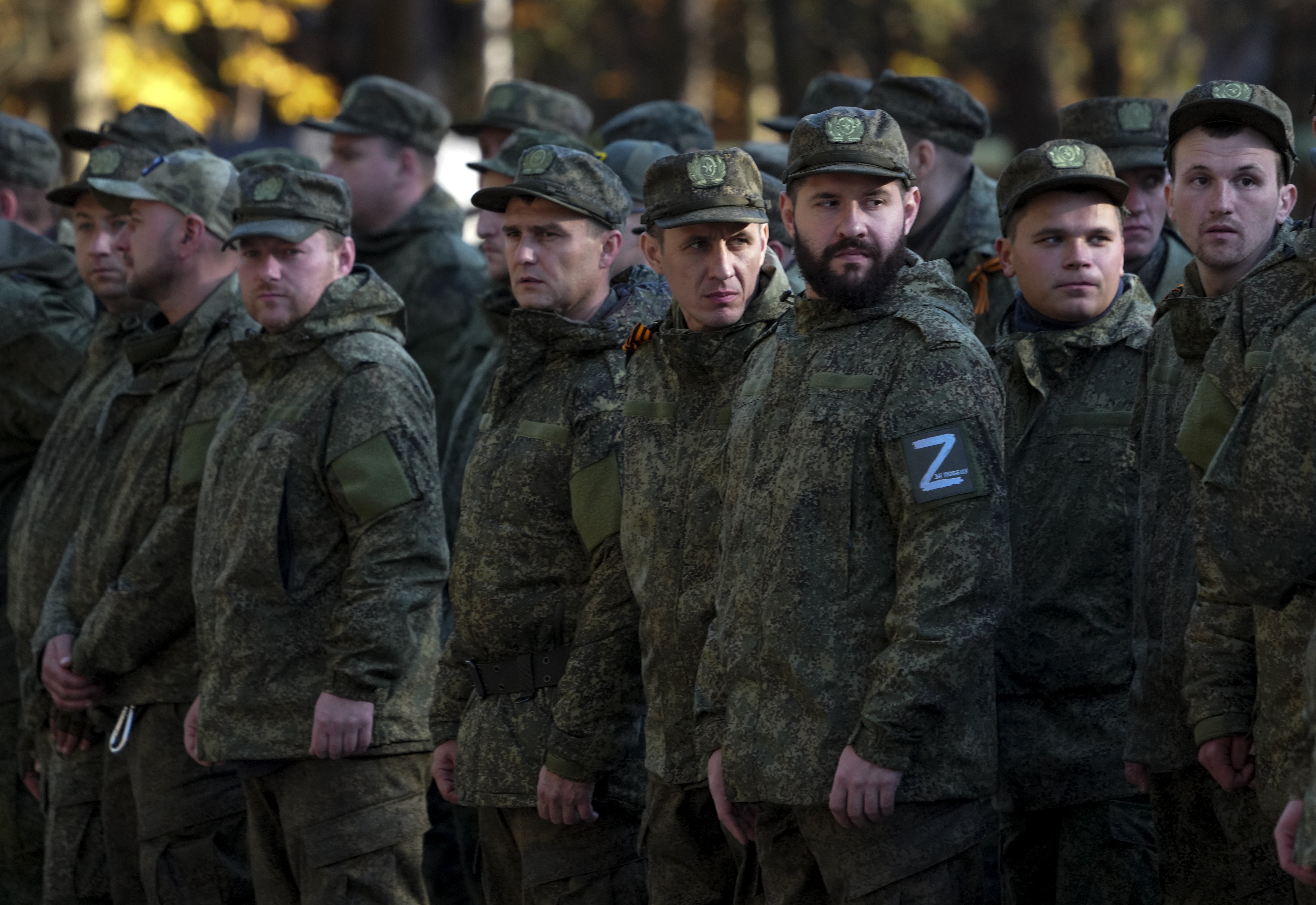
The negative trend is forcing Moscow to consider drastic measures. Russia is therefore preparing a mass mobilization to bring in 600,000 people by the end of 2027, far more than previously planned. The Kremlin believes that having more troops will give it greater offensive capabilities in the Donetsk region and on other fronts. The mobilization could begin as soon as next month and is yet another signal that Putin has no plans to come to the negotiating table.
In this scenario, support from Ukraine’s partners—above all, financial assistance—remains critical. One reason Ukraine has been able to successfully hold back Russian forces is the continuous supply of the equipment needed to do so, including drones. Sustained Middle Strike and Deep Strike drone operations also require substantial resources. That is why funding remains one of the most important issues for Ukraine today, enabling it to maintain an effective defense on the battlefield.
Discuss this article: