- Category
- War in Ukraine
Putin Wants Ukraine to Hand Over the Donbas. Now Russia Is Losing Ground There Instead
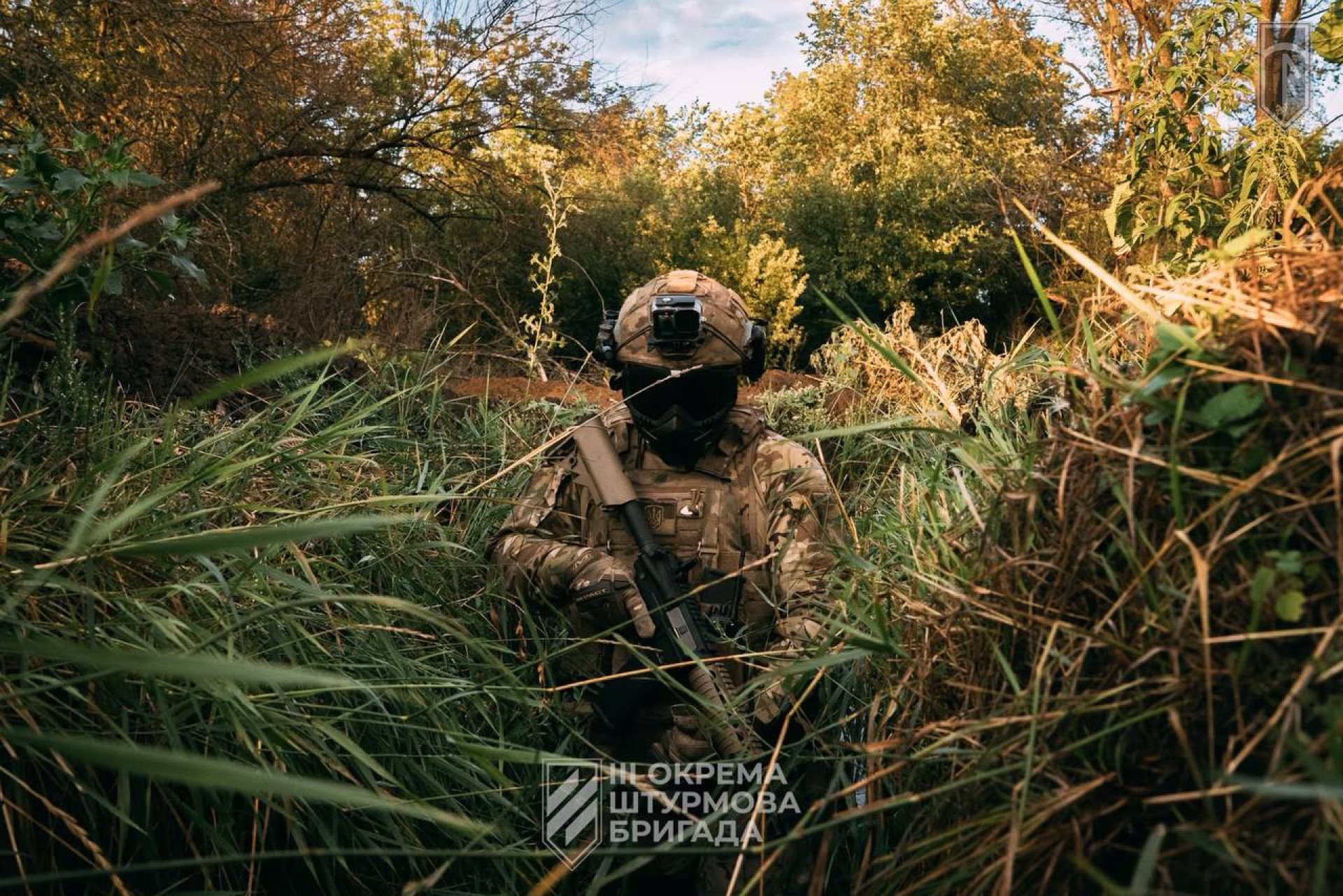
For 11 years, Russia has tried and failed to fully capture the Donetsk and Luhansk regions. Now Vladimir Putin wants Ukraine to hand over what his military still cannot take. And with Operation Vivaldi underway, Russian forces are losing ground.
 Prefer U24 Media on Google
- Authors

-29a1a43aba23f9bb779a1ac8b98d2121.jpeg "Photo of Illia Kabachynskyi")
In mid-September, Third Army Corps commander Andrii Biletskyi announced a counteroffensive in the northern Donetsk region. Ukrainian forces cleared Novoselivka, Oleksandrivka, and Yarova, and secured the outskirts of Korovii Yar while liberating and securing Serednie. The operation was conducted under an information blackout, which is why details had not previously been made public.
The operation was dubbed Vivaldi, after Antonio Vivaldi’s The Four Seasons. When Biletskyi first revealed it, he emphasized that the cycle has four seasons—and that Ukraine had disclosed only Season one.
Season two has now followed.
Ukrainian forces liberated Shandryholove and Derylove and established full control over nearby Drobysheve in the Lyman sector of the northern Donetsk region. Across the first two seasons of Operation Vivaldi, Ukrainian forces have brought 125 square kilometers of territory under their control, including 50 square kilometers liberated from Russian occupation.
The Third Army Corps says Russian forces have suffered more than 3,000 soldiers killed and wounded during the operation.
What matters more than the Vivaldi metaphor is what the operation demonstrates: Ukrainian forces are conducting successful offensive operations in the very region Russia has spent years trying to bring fully under its control. Ukraine is pushing Russian forces back and regaining territory in the Donetsk region.
It is yet another indication that Russia’s offensive war is stalling—and that giving away Ukrainian territory for nothing is the worst possible strategy.
A region that Russia fails to capture
Deputy Head of the Office of the President Pavlo Palisa says Moscow wants the Donetsk region captured by December 31, 2026, while Russia’s military leadership is asking for an additional three months and considers March 31, 2027, a more realistic deadline.
“My subjective opinion is that even by March 31, this is an unrealistic scenario,” he said.
Developments on the battlefield support Palisa’s assessment: the Russian military has made no significant advances in the Donetsk region for many months. Losses on some sectors of the front are staggering, with casualty ratios potentially reaching ten to one, while the Russian military is suffering record personnel losses in combat—more than 100,000 in the spring and roughly the same number in the summer of 2026.
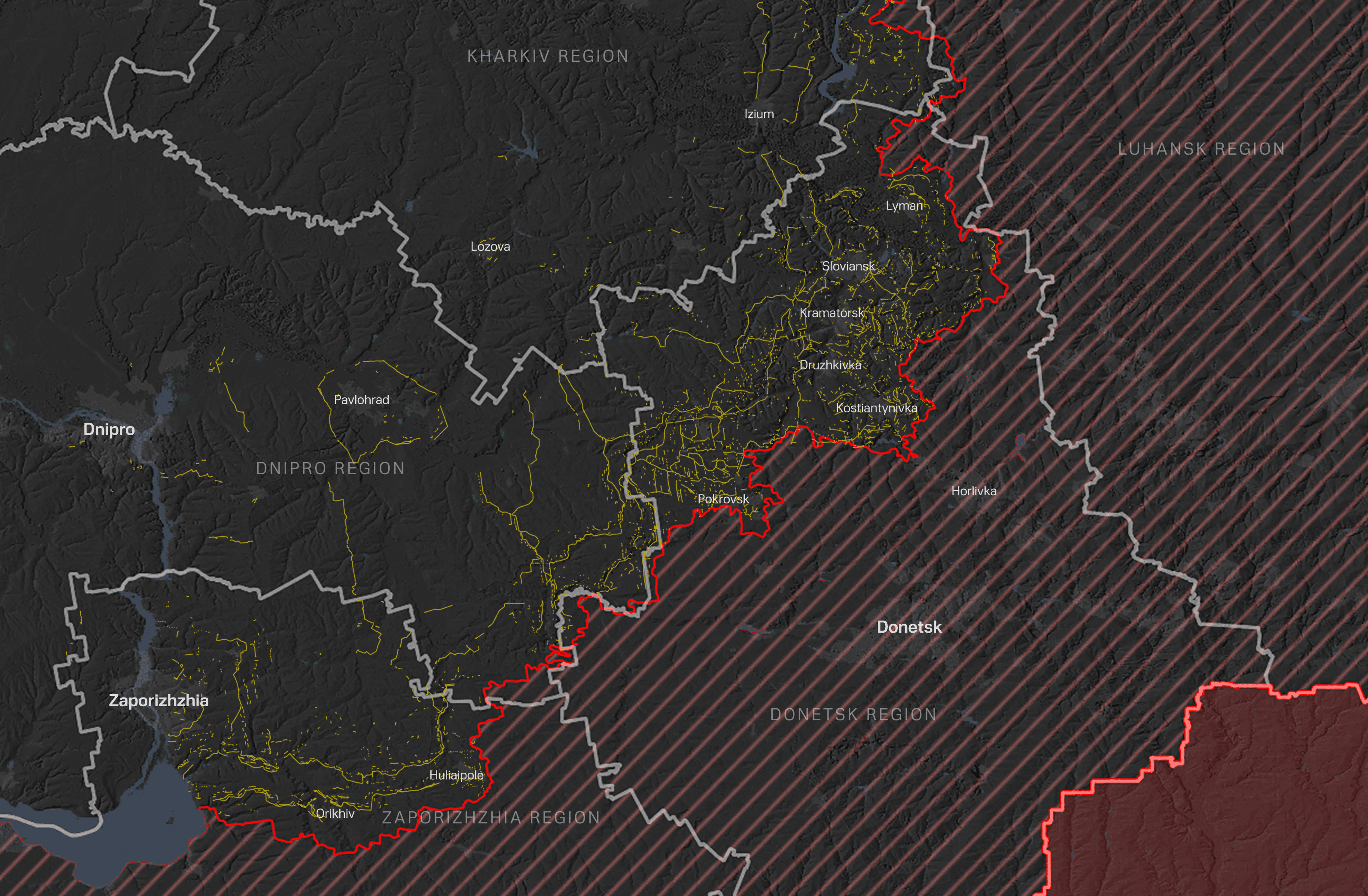
Fighting for the city of Kostiantynivka has been underway for about a year, and Russia has still failed to achieve any clear success there. The other three cities in the “fortress belt”—Druzhkivka, Sloviansk, and Kramatorsk—remain under Ukrainian military control despite being under constant pressure from Russian forces. So does roughly another 25% of the region. Russia has also yet to fully capture the Luhansk region, a small part of which remains under the control of Ukrainian units.
And while Moscow continues to apply pressure, the cost has been extraordinarily high: the Russian military’s total irrecoverable losses have already exceeded 1.5 million soldiers—more than 1% of the country’s entire population—in just over four years of war. No war since World War II has inflicted losses of this magnitude on Moscow.
At the same time, the war is costly not only in terms of manpower but also economically. Direct annual military spending alone amounts to roughly $150 billion, while researchers say hundreds of billions more are concealed in the form of loans that will never be repaid. A trillion dollars that Moscow has burned through and will never recover. Russia’s 2026 budget deficit has already surpassed 6.5 trillion rubles.
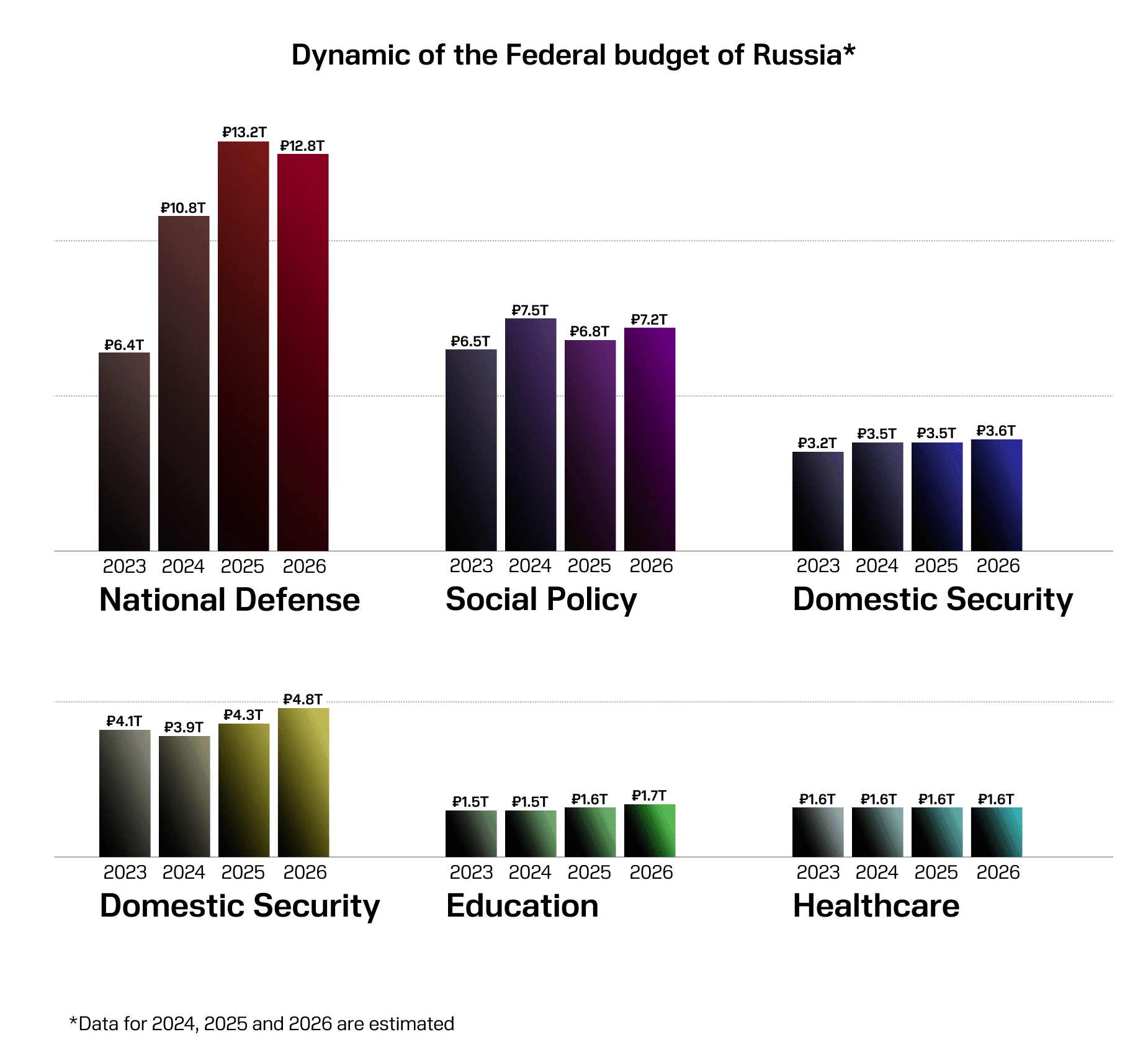
At the Russian military’s current rate of advance, capturing the entire Donbas could take a considerable amount of time. Major cities such as Sloviansk and Kramatorsk standing in Russia’s path would only extend the time required to achieve Putin’s objectives, adding hundreds of thousands more dead and wounded to the Russian military’s casualty toll. The Kremlin understands this, which is why it is asking for thousands of square kilometers to simply be handed over.
Why can’t Ukraine give up the Donbas?
Beyond the fact that the Kremlin is still far from fully occupying the Donetsk and Luhansk regions, there are other reasons why Ukraine cannot agree to surrender these territories. The first and most fundamental is that this is Ukrainian territory, home to hundreds of thousands of Ukrainians. It includes dozens of cities and hundreds of villages populated by Ukrainian citizens.
What would Russian occupation mean for them? Based on what has already happened in occupied territories, the consequences could include filtration, forced displacement, and systematic Russification. That alone should be reason enough. But there are others.
Surrendering this territory would effectively open the way for Russia to advance into other Ukrainian regions. In other words, Ukraine would voluntarily give up defensive positions and expose more of its territory without a fight. At the same time, no one can guarantee that Putin would not launch another war.
The issue of a peacekeeping force has barely featured in negotiations. It remains unclear who would provide such a force, under what mandate it would operate, or how many troops would be deployed—even though they could potentially be responsible for securing a front stretching hundreds of kilometers. Concrete security guarantees have likewise received little attention.
In effect, Ukraine is being asked to surrender territory without a fight, potentially opening a path for further Russian advances, while receiving neither clear security guarantees nor an explanation of what would prevent Putin from going further. Ukraine has already seen the limits of Moscow’s assurances, most notably in 2022. What reason is there to expect a different outcome now when the same political system remains in place?
It is important to emphasize that Ukraine supports a peaceful settlement and is prepared to sit down at the negotiating table at any time. The key condition stressed by officials in Kyiv is an end to hostilities on the battlefield and the withdrawal of forces from the current line of contact. This is also what the Ukrainian military’s actions are aimed at today—from the counteroffensive in the Donetsk region to strikes deep inside Russian territory: demonstrating to the Kremlin, time and again, just how costly the war is—and will continue to be—for Russia.
Discuss this article:


-80134f2dc17b4a887d01513a1c7bc929.png "Illustration of Russian military infrastructure targeted by Ukrainian strikes in temporarily occupied eastern Ukraine. (Source: General Staff of the Armed Forces of Ukraine)")