- Category
- World
Germany Braces for 1,000 NATO Casualties a Day, Turns to Ukraine’s Hospital Train Model
 Prefer U24 Media on Google
- Authors


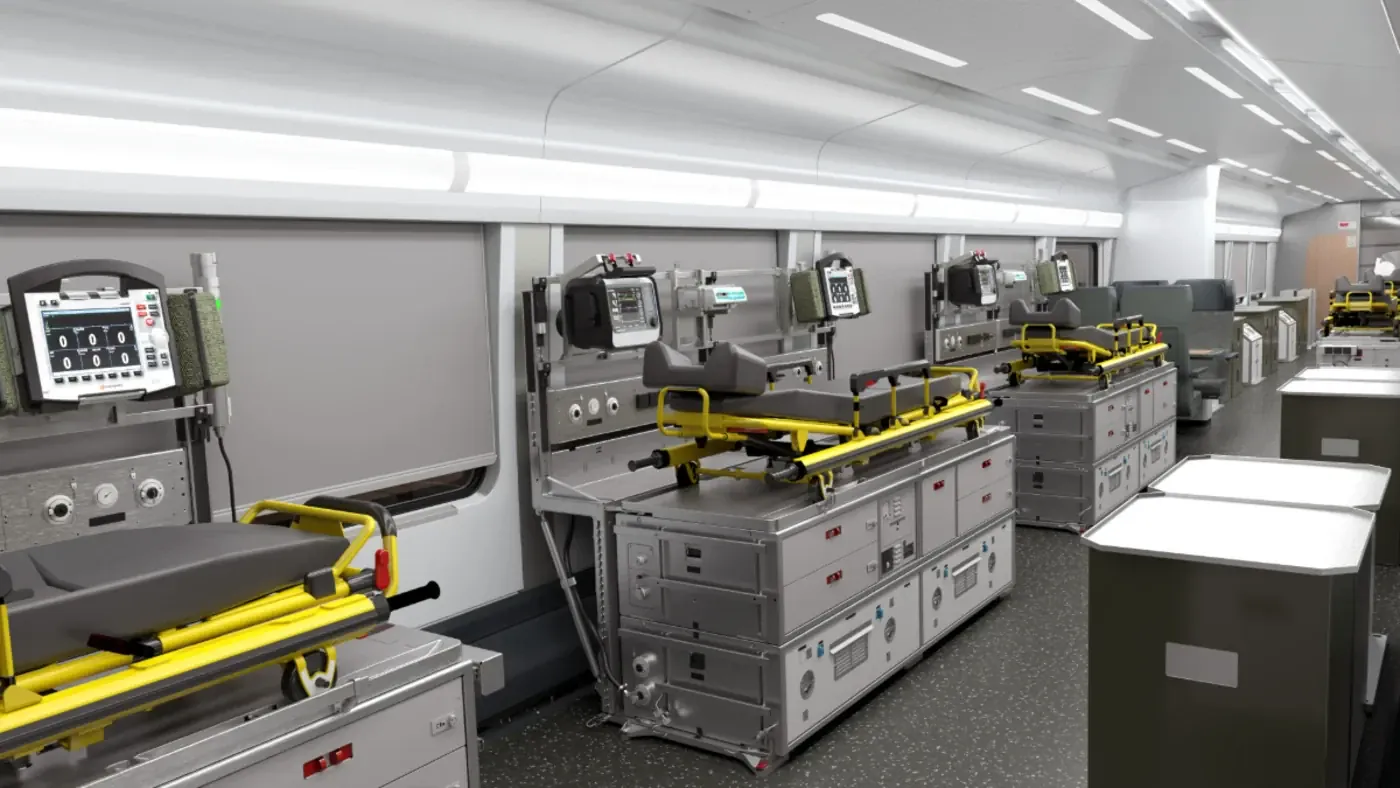
Germany is developing military hospital trains capable of transporting more than 150 wounded personnel at a time, drawing on Ukraine’s wartime evacuation experience as NATO prepares for scenarios involving up to 1,000 casualties per day during a major war.
We bring you stories from the ground. Your support keeps our team in the field.
According to Defence Blog on November 3, Siemens Mobility and Lufthansa Technik Defense have signed a memorandum of understanding to develop a rail-based medical evacuation system for the German armed forces and NATO allies.
The proposed trains would accommodate more than 150 patients, including those requiring intensive care, alongside up to 90 medical and support personnel.
The project comes as Germany’s armed forces, the Bundeswehr, prepare for scenarios involving up to 1,000 wounded, injured, or sick military personnel per day during a large-scale war on NATO's eastern flank.
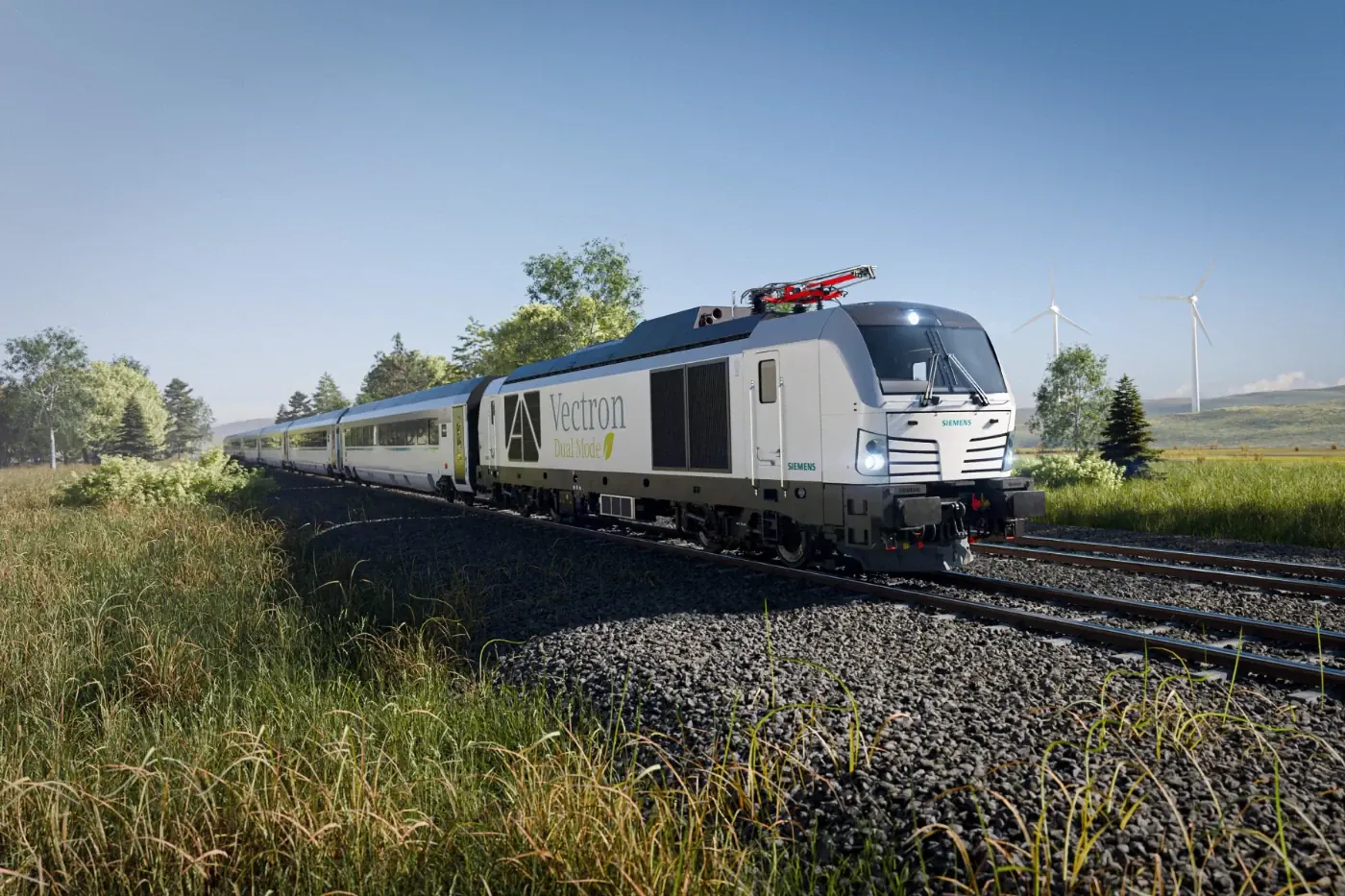
The system would combine Siemens Vectouro passenger coaches with Vectron X locomotives, including a dual-mode version capable of operating on both electricity and diesel. This would allow medical evacuations to continue even if railway power infrastructure were damaged or unavailable.
Lufthansa Technik Defense would equip the carriages with medical systems already used aboard military transport aircraft, including the Bundeswehr’s Airbus A400M. Using compatible medical equipment would allow patients to transfer between aircraft and trains without changing their medical beds, simplifying long-distance evacuations.
The proposed trains would also support cross-border operations without requiring locomotive changes. Their passenger coaches could be returned to civilian service when medical evacuation capabilities are not needed.
The companies have not disclosed the project’s estimated cost, production timeline, or potential number of trains. The Bundeswehr has not yet announced a procurement decision.
Germany is also considering alternative designs. Rheinmetall and Alstom have presented a modular medical evacuation train using specialized medical containers mounted on railway flatcars. The renewed focus on railway evacuation reflects experience gained during Russia’s full-scale invasion of Ukraine.
According to German defense publication Sicherheit & Verteidigung, nearly two-thirds of wounded Ukrainian personnel are evacuated by rail, while approximately one-third are transported by road. Air evacuations remain limited because of contested airspace.
Ukrainian Railways has formed one more medical train to help our defenders. It includes 8 modernized carriages adapted for evacuating the wounded. In total, since the beginning of the full-scale war, we've already converted 78 carriages into medical ones. pic.twitter.com/iNWTNrVrtJ
— Ukrainian railways || Укрзалізниця (@Ukrzaliznytsia) December 28, 2024
Since 2022, Ukraine’s national railway operator has converted dozens of passenger carriages into mobile medical facilities, including units equipped for intensive care.
Germany has also previously considered converting three ICE 3neo high-speed trains into medical evacuation vehicles, each capable of accommodating approximately 30 intensive care patients.
Earlier, on October 5, Germany’s intelligence chief Martin Jäger warned that the country could face a direct military confrontation with Russia, accusing Moscow of conducting a “shadow war” involving sabotage, intimidation, and political interference across Europe.
Discuss this article: