- Category
- War in Ukraine
A Surgeon in Kyiv Can Save a Soldier on Ukraine’s Frontline. Here’s How
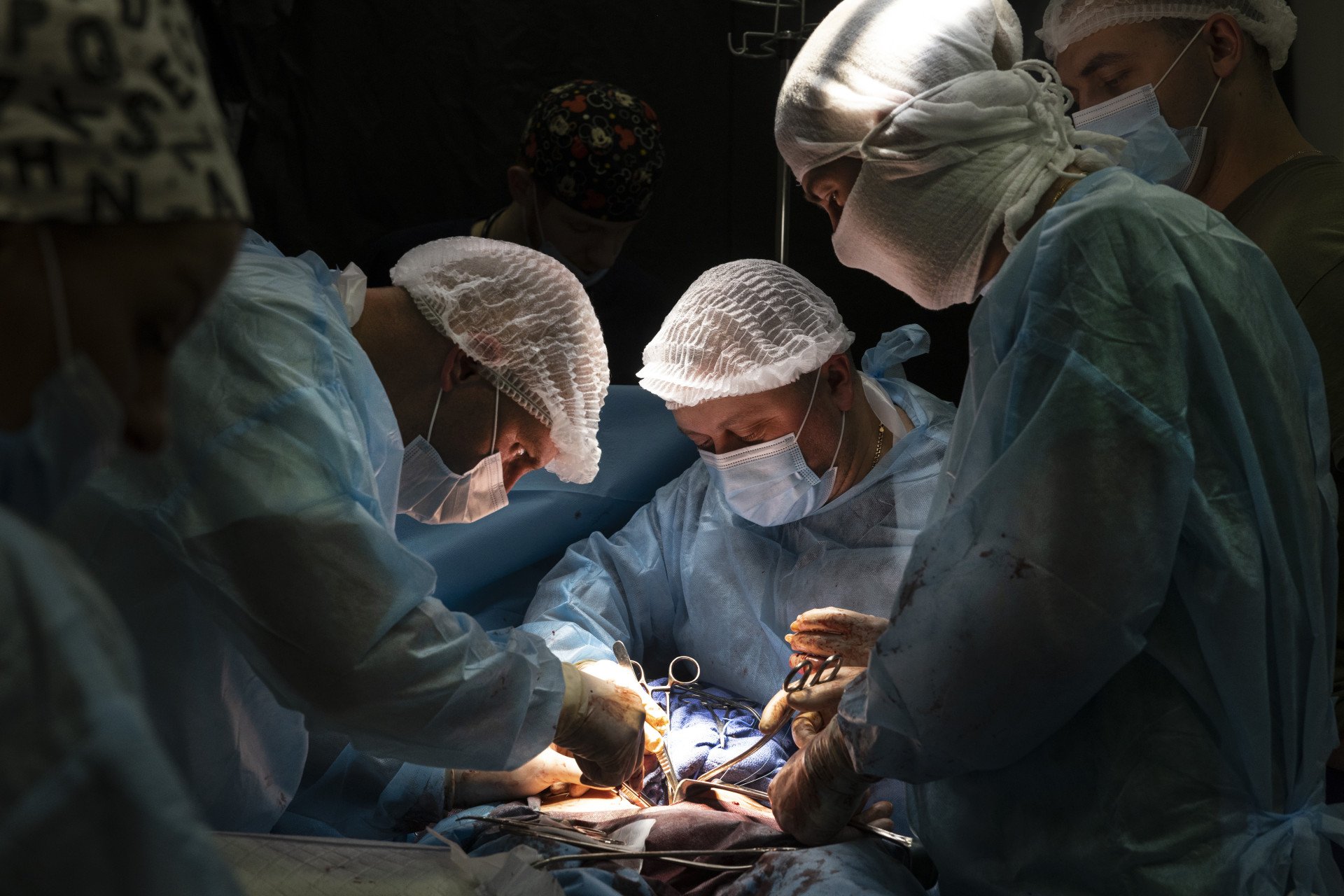
What do hunting Russian tanks and saving a soldier on the operating table have in common? In Ukraine, the answer is a battlefield management system—Delta—that now lets surgeons hundreds of miles away help guide lifesaving operations.
 Prefer U24 Media on Google
- Authors


Remote work has come a long way since the pandemic. Meetings, office jobs, and even entire companies have gone online. But performing surgery on a wounded soldier hundreds of miles away? Ukraine’s frontline is redefining what it means to work remotely.
A piece of shrapnel was lodged in a Ukrainian soldier’s heart. At a mobile hospital near the front line, doctors faced a critical decision: operate immediately or risk waiting? Thanks to a surgeon advising them remotely, they determined that emergency surgery wasn’t necessary. The soldier was stabilized, evacuated to Kyiv, and successfully operated on at a specialized medical institute.
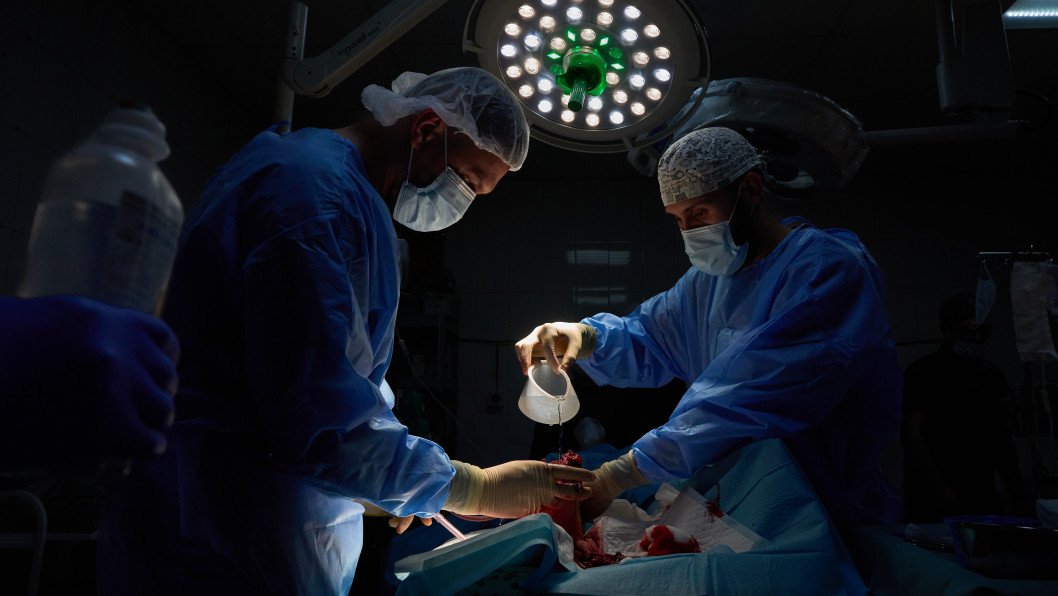
In another case, a soldier arrived with a severe liver injury and massive bleeding. With real-time guidance from a remote specialist, front-line surgeons determined how to temporarily control the bleeding, buying precious time to evacuate the patient to a specialized medical center.
How Ukraine is bringing surgeons to the frontline
Both cases were made possible by the Telesurgery project, whose launch was publicly announced by the Medical Forces of the Armed Forces of Ukraine in May 2026. A military mobile hospital was equipped with a system that allows surgeons to transmit live video and audio during an operation to a leading surgeon elsewhere in the country. The surgeon on the front line performs the operation independently, while the remote consultant can see the surgical field in real time and advise on the appropriate technique.
“We received a request to provide video streaming capabilities for the Medical Forces and support surgeons working on the front line,” Babak, an officer with Delta’s implementation department who goes by the call sign Babak, tells UNITED24 Media. “We already had the core tools needed for this. But we had to adapt them to the equipment available to medical personnel.”
Instead of a drone transmitting footage from the battlefield, the video feed now comes from a camera mounted on a surgeon’s head. The feed is transmitted via Vezha, a video analysis platform within the Delta ecosystem, where a consultant can connect to view it. The system allows the consultant not only to view the live footage but also to speak with the surgeon during the operation.
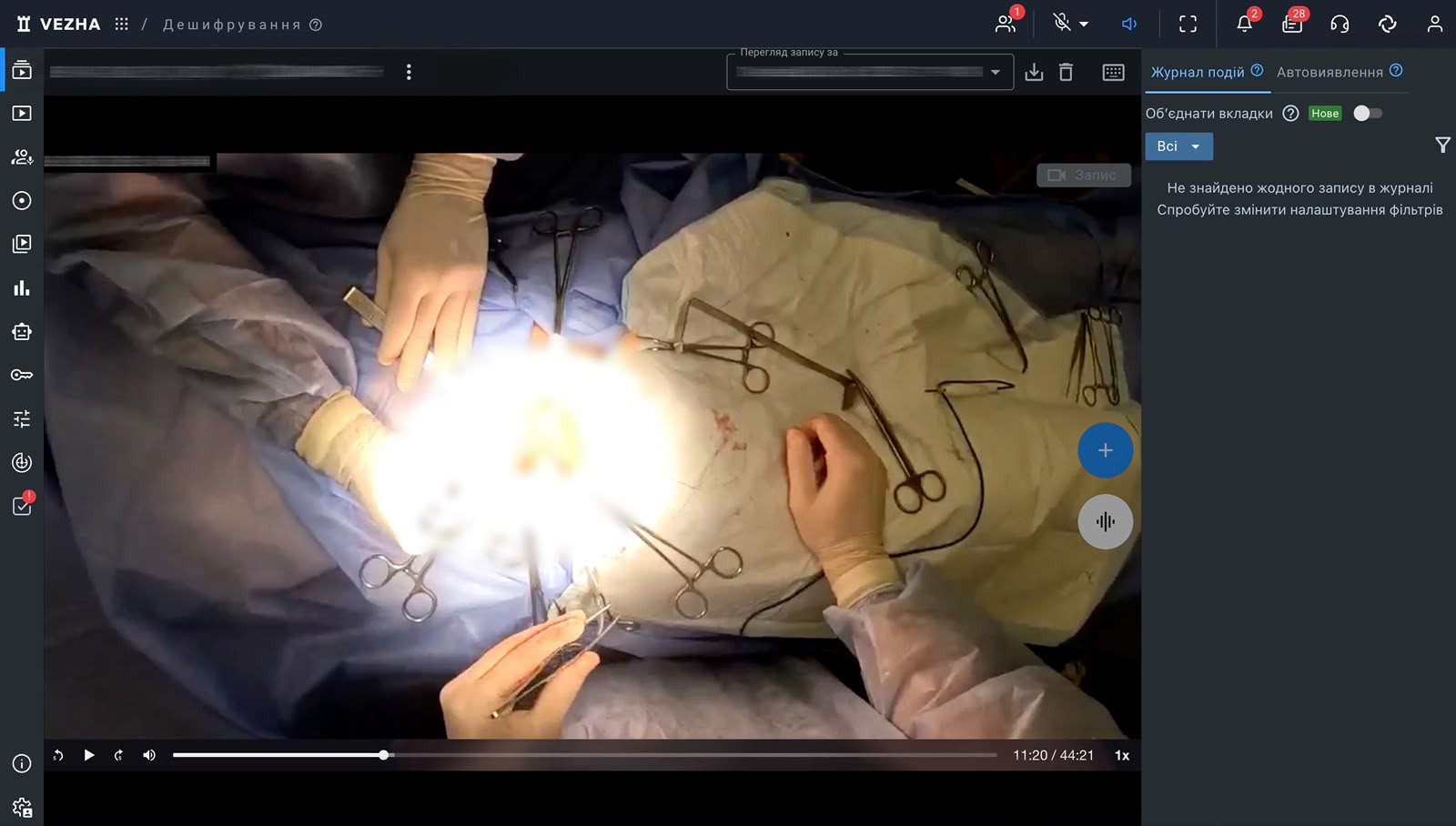
For Delta, this represents a new application of existing technology. The system has more than 200,000 registered users and, as of July 2026, handles more than 75,000 video streams daily.
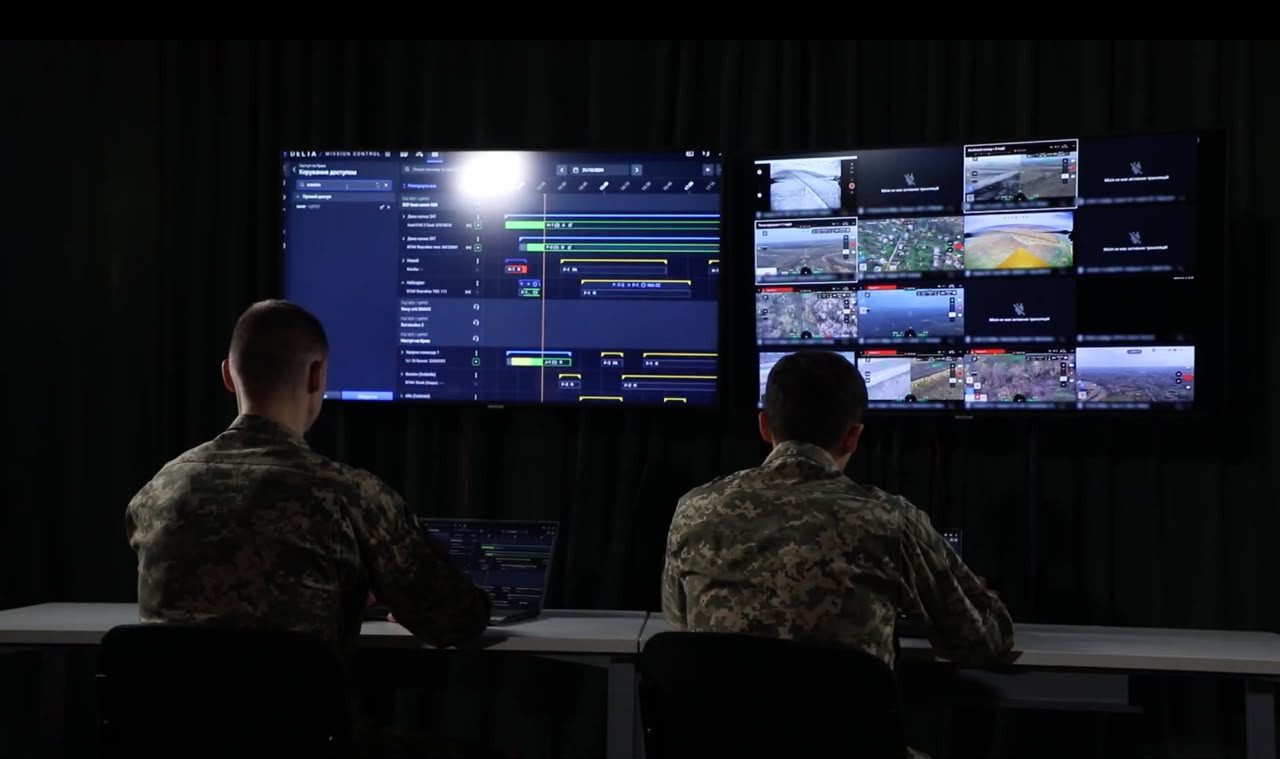
“Imagine a kind of virtual office with an online map, calendar, email, messenger, video calls, and other services,” Babak says. “Delta is exactly that kind of battlefield ecosystem for Ukraine. You can spot an enemy tank in a live drone feed, mark its coordinates on a map, and then determine who will strike it and with what weapon. Delta is used at every level of the military. That means both a soldier and a general at the General Staff can use it, bringing their knowledge and data together in a single system.”
While Delta previously handled video feeds from drones and other cameras, the same architecture now enables transmitting footage directly from an operating room.
“The key difference is the device transmitting the image, “ says Babak. “It’s no longer a drone or a camera monitoring a section of the front line, but a camera in an operating room. It needs to transmit footage to the senior surgeon advising a colleague as quickly as possible, with minimal delay.”
How the technology works in practice
The idea emerged from a very practical problem. Surgeons had previously consulted specialists remotely on complex cases, but they relied on phones and messaging apps. They would send photos and videos to a consultant, or an assistant would hold a smartphone over the operating table. When making decisions about a heart injury or massive internal bleeding, that could prove insufficient. Image quality, audio, and connection stability were all potential problems.
The project was initiated by Kostiantyn Humeniuk, who was the chief surgeon of the Ukrainian Armed Forces when it launched and became head of the Medical Forces in September 2026. The team purchased a GoPro camera, Starlink equipment, and computer hardware for the first version of the system, then tested it at a mobile hospital on the Donetsk front, says Humeniuk.
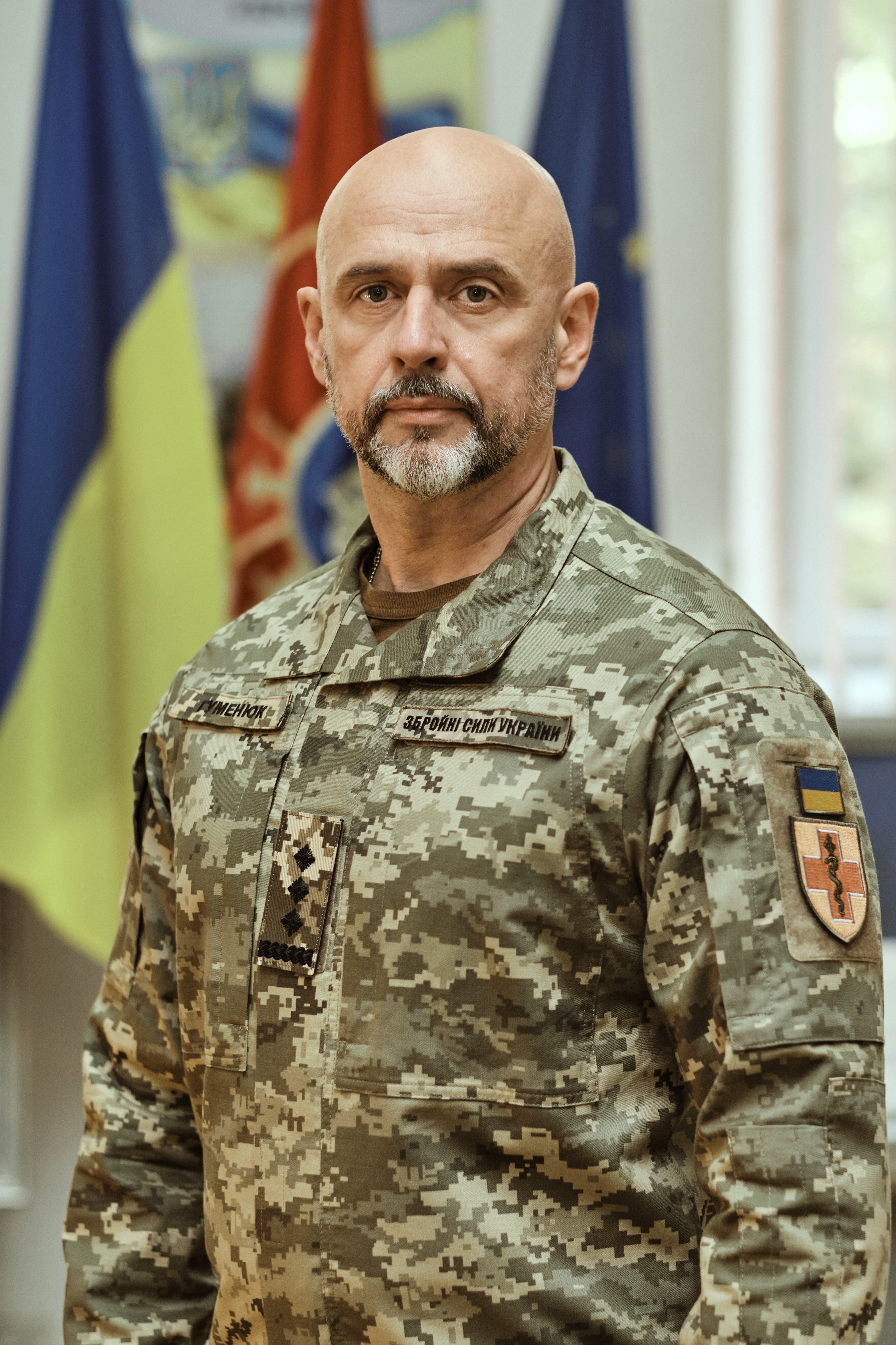
“I connected to them through Delta from my office in Kyiv while they were performing an operation,” Humeniuk told UNITED24 Media. “I could see a high-quality image, nothing like what you get from a phone. I could clearly make out the anatomical structures, see where the major blood vessels were, and say: Be careful here, there could be bleeding in this area, and this is how extensive the operation should be.”
Since then, the system has been used for several dozen telesurgery consultations. It is not intended for every operation, but primarily for complex cases involving injuries to the heart, liver, pancreas, and duodenum, as well as decisions about whether to save a severely injured limb.
“There are severe pancreatic injuries with massive bleeding, and when surgeons ask what they should do,” Humeniuk says. “Sometimes we tell them: don’t suture it, because the bleeding could get worse. Pack the area, stop the bleeding, and evacuate the patient quickly. It’s a difficult decision about the surgical approach, and it’s important to make it in time.”
The system is now being improved. The next step is a pair of specialized glasses equipped with a camera. The model selected for its video and audio transmission quality costs around €900–1,000, while a complete set of the necessary equipment costs approximately €2,500, says Humeniuk. The Medical Forces first want to test a single set before expanding the system.
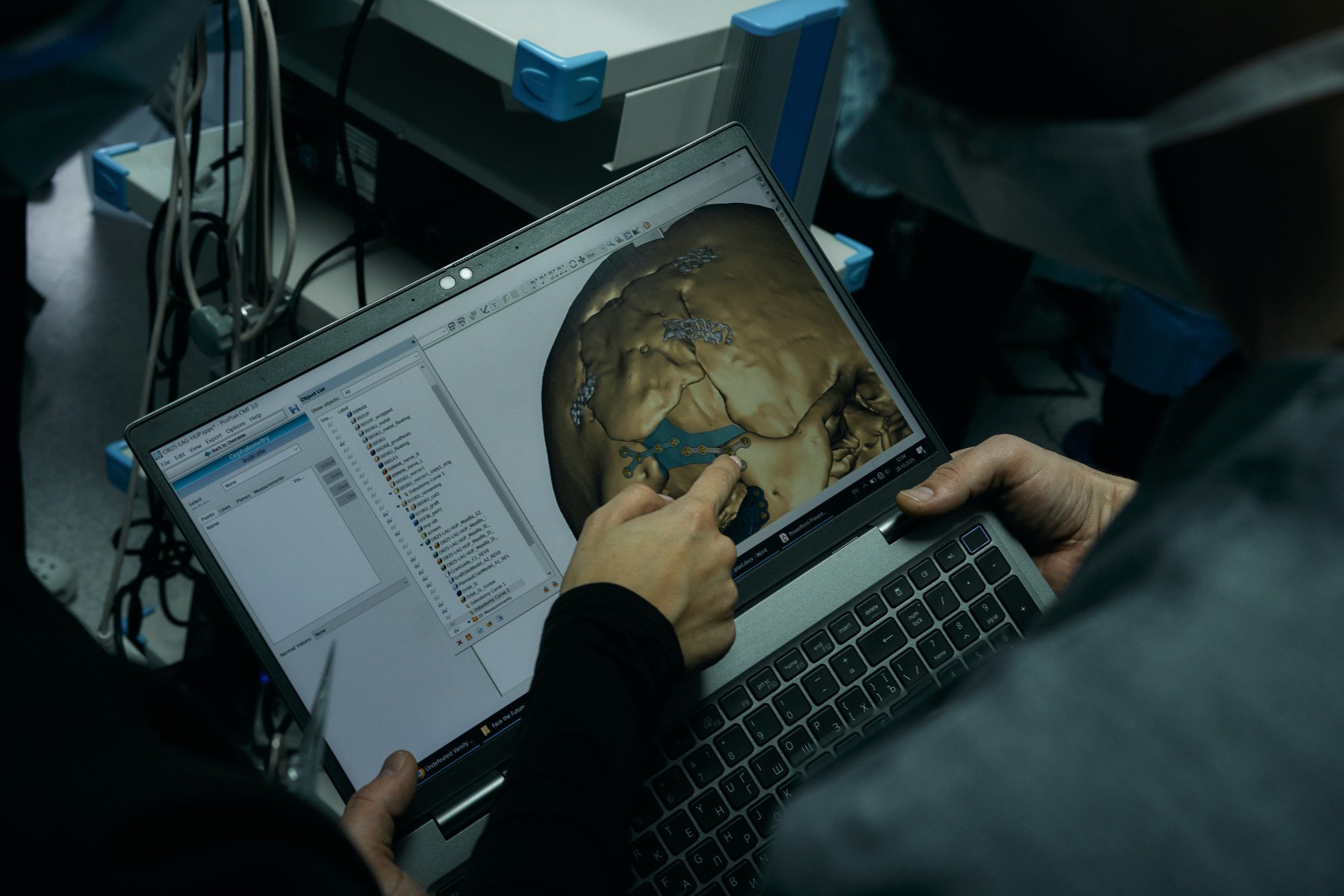
“It’s a good thing we didn’t order ten GoPros right away. During a two- or three-hour operation, the camera is heavy to wear on your head and heats up. That’s why we now want to switch to glasses. If the first test goes well and the connection is stable, we’ll scale up,” Humeniuk explains.
What’s next for telesurgery in Ukraine
In the longer term, the Medical Forces want to establish a network of remote surgical consultations across sectors of the front, including the Kharkiv, Sumy, Zaporizhzhia, and Donetsk regions. Leading surgeons from military medical centers would be able to remotely assist colleagues working in medical battalions, stabilization points, forward surgical teams, and mobile hospitals.
The next ambition is to bring video consultations beyond the operating room and closer to the battlefield itself. Under the proposed concept, a wounded soldier or someone nearby could show an injury through a camera, allowing a combat medic or doctor to provide remote instructions on how to stop bleeding, apply a tourniquet, or place an occlusive dressing. For now, this remains an idea, and its implementation depends primarily on reliable communications.
“If there’s a connection, a wounded soldier will be able to show the injury and immediately receive instructions: what to do, how to stop the bleeding properly, and where to apply a tourniquet,” Humeniuk says. “Another important thing—this kind of communication can provide emotional support, helping the person feel that they’re not alone, that there are medical professionals there to help them.”
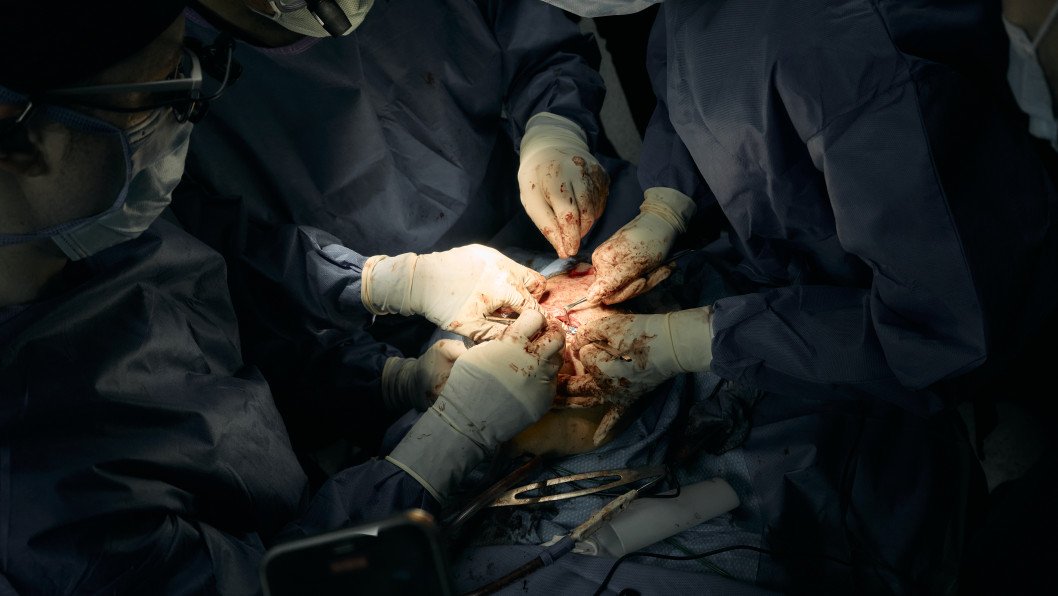
Telesurgery can also prove useful after an operation is over. If a surgeon at a major medical center has already seen the injury and the initial surgical intervention live, they know the patient's condition upon arrival, which team to prepare, whether a blood transfusion will be needed, and which specialists should be ready when the patient is evacuated.
Delta was created to shorten the time between identifying a Russian target and striking it. Now, the system is also shortening another critical interval: the time between a complex medical emergency on the front line and the receipt of guidance from a specialist who knows how to handle it.
Discuss this article: