- Category
- War in Ukraine
How Silicone Artistry Became a Lifeline for Rebuilding Faces and Identity Amid Russia’s War in Ukraine
 Prefer U24 Media on Google
- Authors

-c439b7bd9030ecf9d5a4287dc361ba31.jpg "Photo of Katherina Popilnichenko")
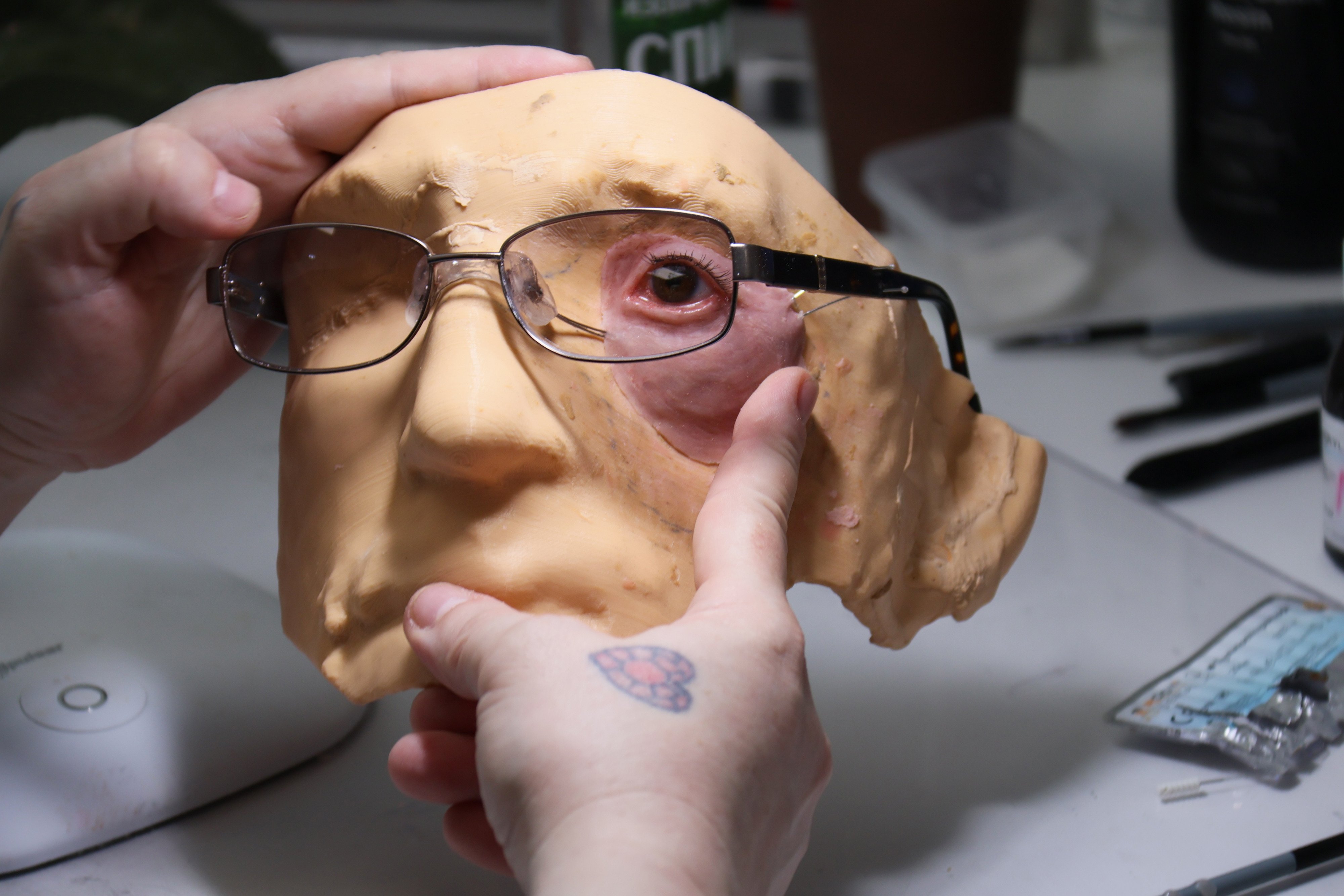
Taisiia Yarova, an exoprosthetics specialist at the UNBROKEN National Rehabilitation Center in Lviv, handcrafts unique silicone facial prostheses for patients who have suffered severe physical trauma.
Yarova, who holds a degree in fine arts and previously worked as a dental technician, manually sculpts and paints custom overlays mimicking eyes, noses, and ears to replicate the natural features of individuals affected by trauma and illness following Russia’s full-scale invasion of Ukraine, according to NV on June 24.
We bring you stories from the ground. Your support keeps our team in the field.
Exoprosthetics operates at the intersection of medicine, sculpture, and psychological rehabilitation.
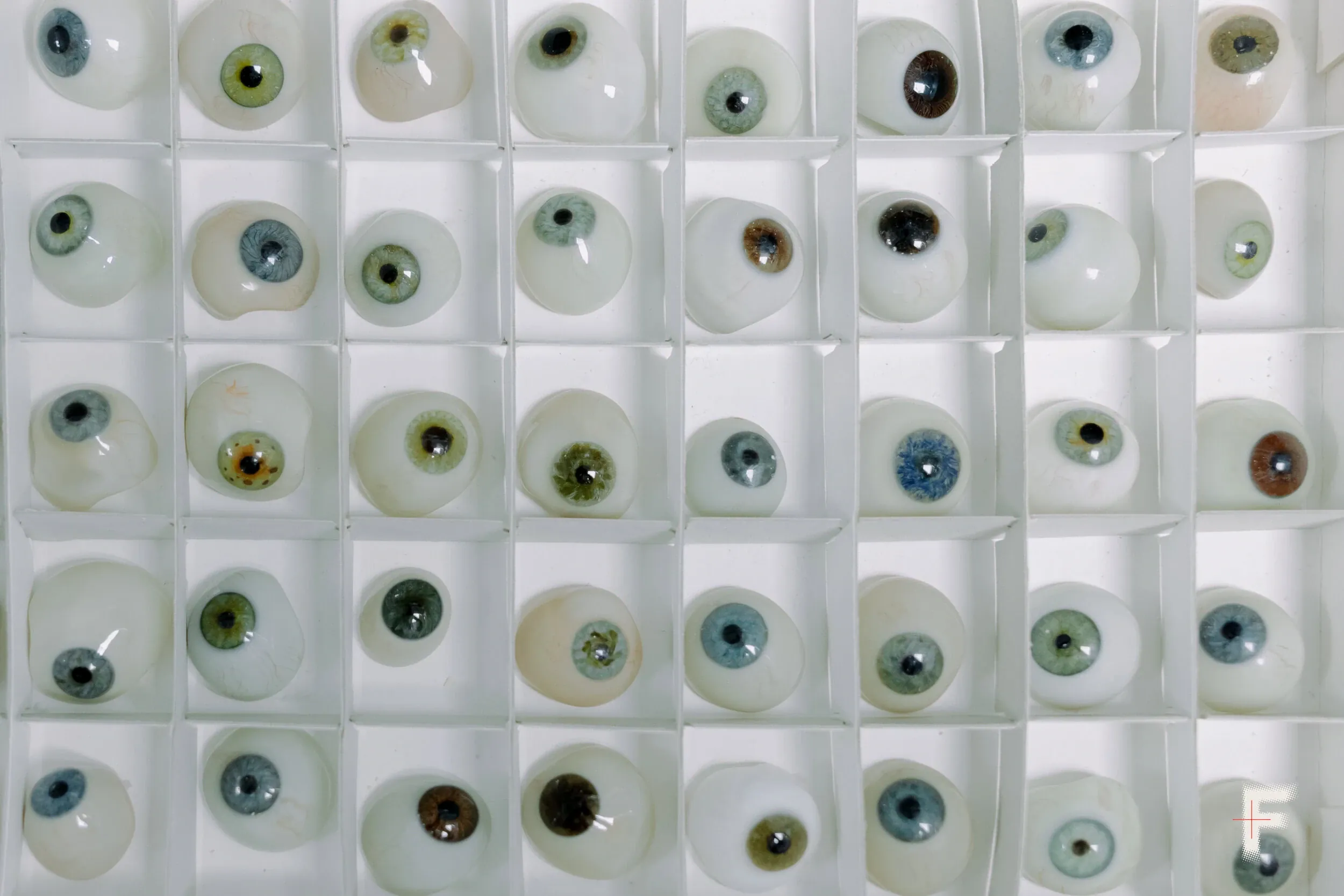
According to Suspilne Lviv, Yarova pursued independent training alongside sculptors and makeup artists to master the use of medical silicones, as formal education in anaplastology is currently unavailable in Ukraine. Her path to the profession was deeply influenced by the death of her nephew, who was killed in action in the Donetsk region.
According to Frontliner, Taisiia joined the Unbroken National Rehabilitation Center only a few months ago. The small office, which today houses polymers, pigments, dental materials, and wax molds for future prostheses, did not appear overnight. Initially, as she recalls, other departments shared their furniture and equipment with her. Even so, the waiting list for patients began to grow almost immediately.
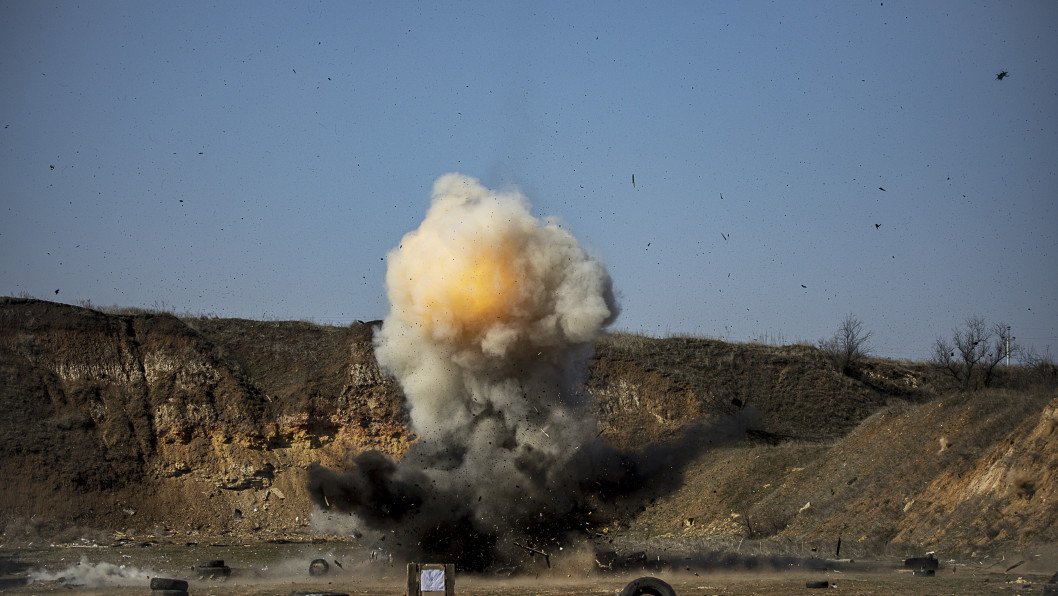
Among those currently undergoing prosthetic treatment at the center is Valerii Nikolaiev, a soldier from the 80th Air Assault Brigade. He was wounded in March 2025 in the Kursk region during his group’s withdrawal from their positions. According to the soldier, four men came under fire from an automatic grenade launcher. Valerii was leading the group and essentially shielded the others from the blast with his own body.
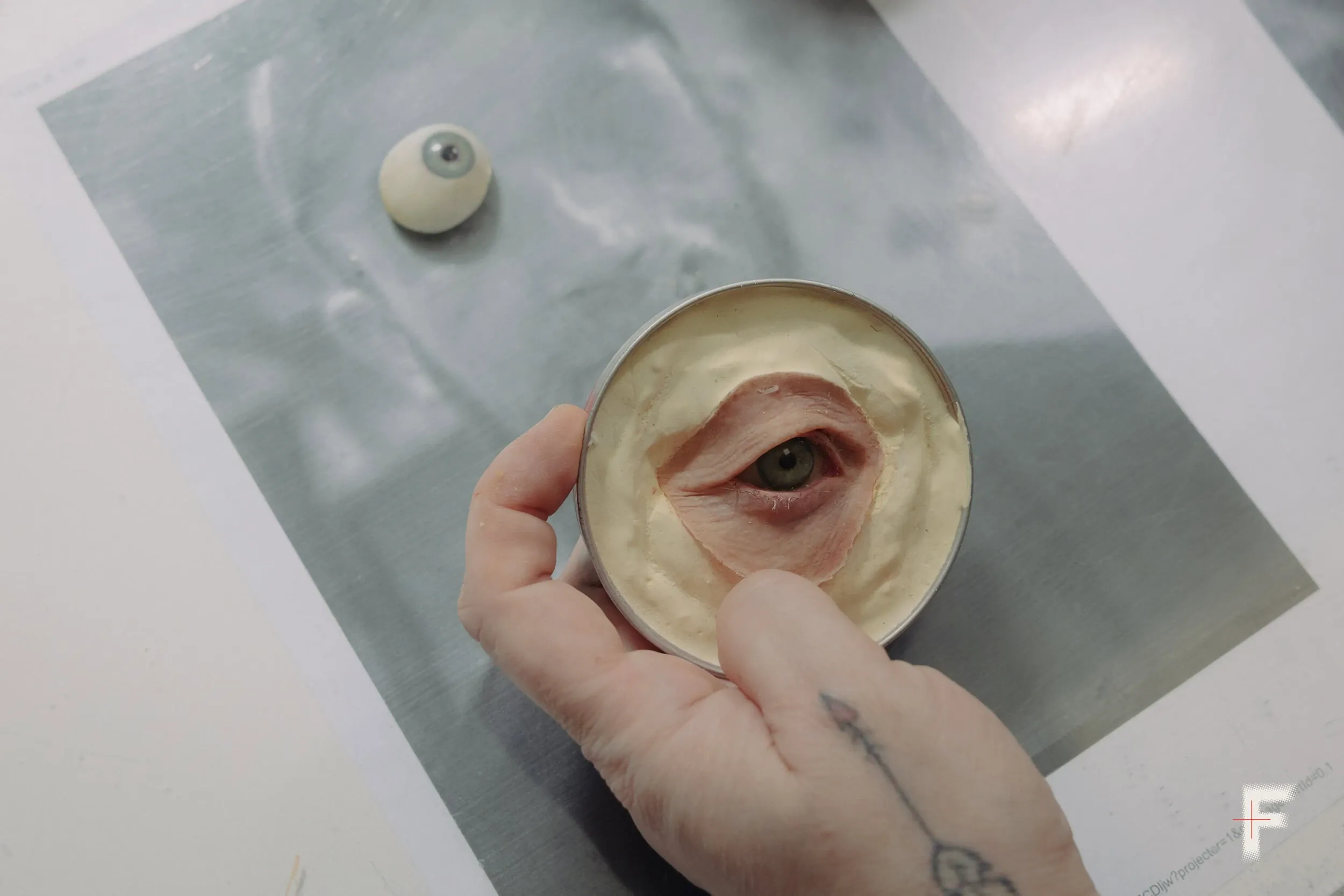
"The prosthesis must be, you know, like a puzzle piece that was missing. We put it in place, and it must be as invisible as possible. Here, completely, if you look very closely, you can clearly see the painted veins, capillaries, painted rosacea, age spots, every wrinkle will have its continuation on the patient's face, well, eyelashes," Yarova explains.
The manufacturing process involves replicating intricate skin details, including wrinkles, veins, capillaries, and pigmentation spots, to ensure the custom silicone piece integrates seamlessly with the patient's existing features.
“Essentially, I shielded the guys and took the brunt of the shrapnel. I completely lost my sight. I thank God I’m alive and that my arms and legs are intact. The guys pulled me out, and then came endless surgeries. Now I’m undergoing rehabilitation at the center, and I was told it is possible to do a sort of ‘cosmetic repair’ on my face. That is how I met Taisiia,” says Valerii Nikolaiev, a veteran of the Russo-Ukrainian war.
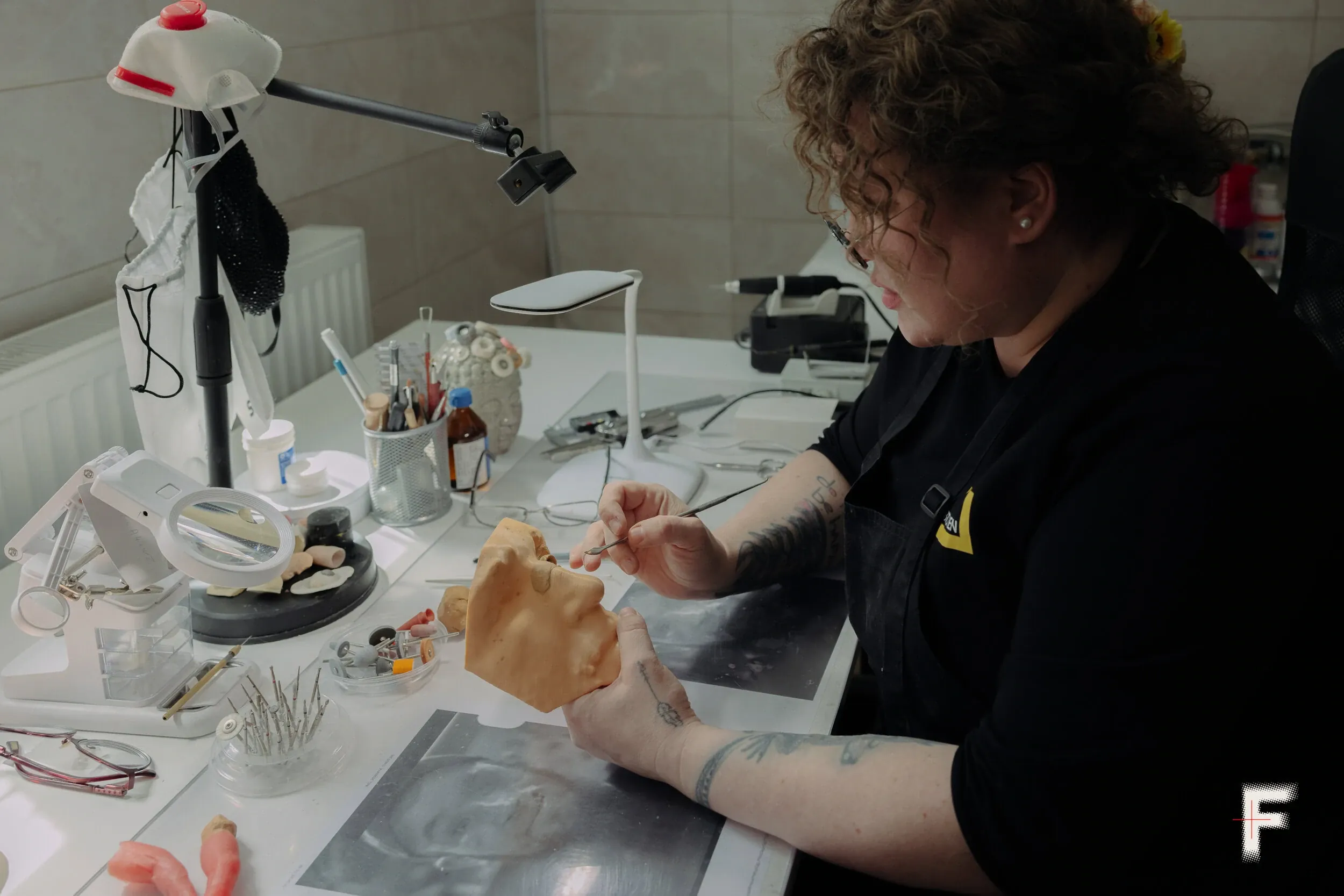
"Small prosthetic forms — this is more about aesthetics than about functionality. Although, if, for example, the ear canal is preserved, the hearing is partially preserved, when the auricle is installed, the hearing improves a little bit, because it still performs its function," says Taisiia Yarova.
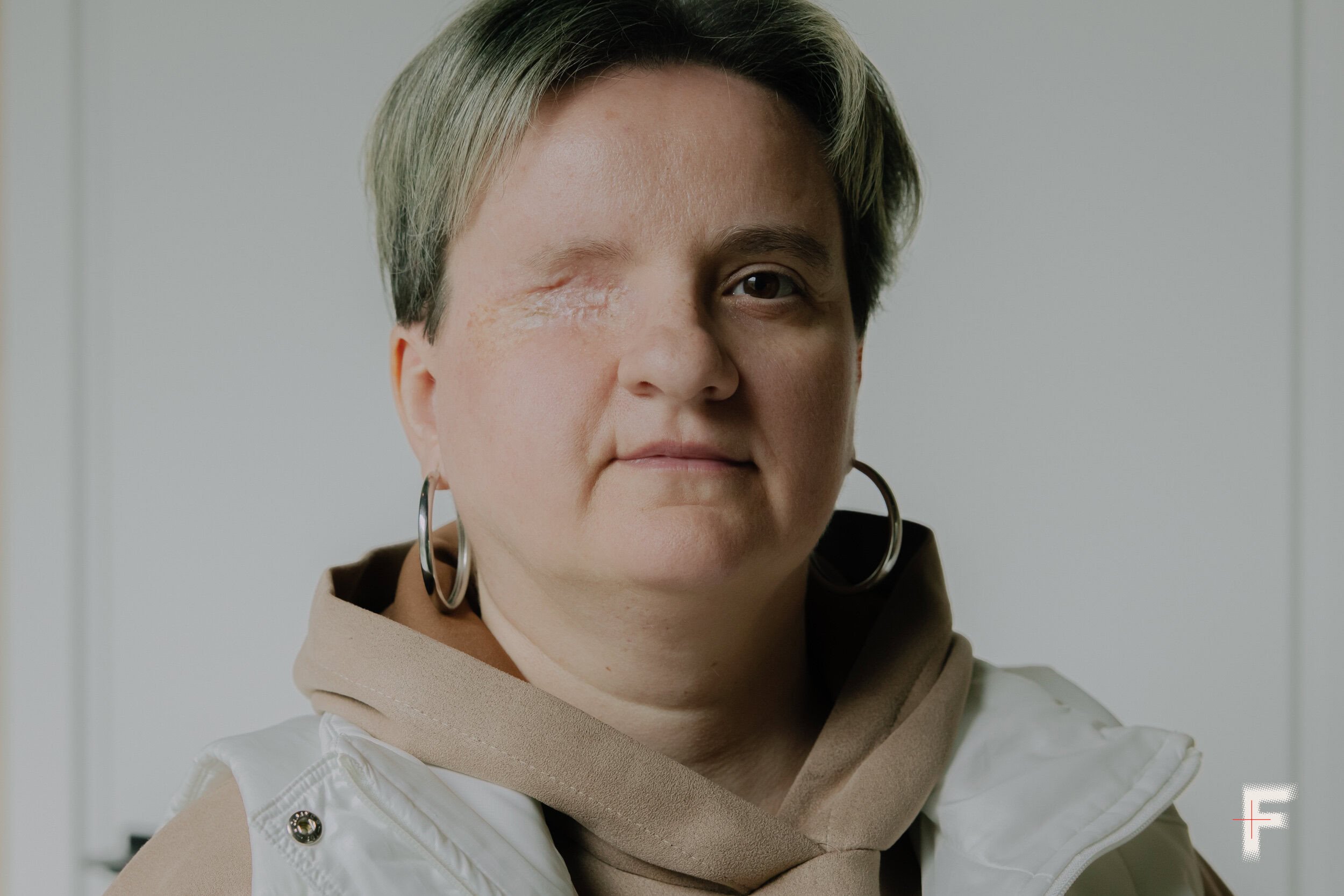
During a medical mission in Lviv, a team of American and Ukrainian surgeons performed complex facial reconstruction surgeries on wounded defenders who had suffered severe physical trauma during Russia’s full-scale invasion of Ukraine.
Operating under the "Face to Face" humanitarian program, the specialists utilized advanced microsurgery and custom implants to rebuild shattered features, helping patients restore basic bodily functions and regain their appearance.
Discuss this article:
-4a56a6b482ec132402c16ef6fcabf9a2.png)