- Category
- Anti-Fake
If Your Country Has a Russian-Speaking Minority, Russia Will Turn It Against You: The Baltics Case
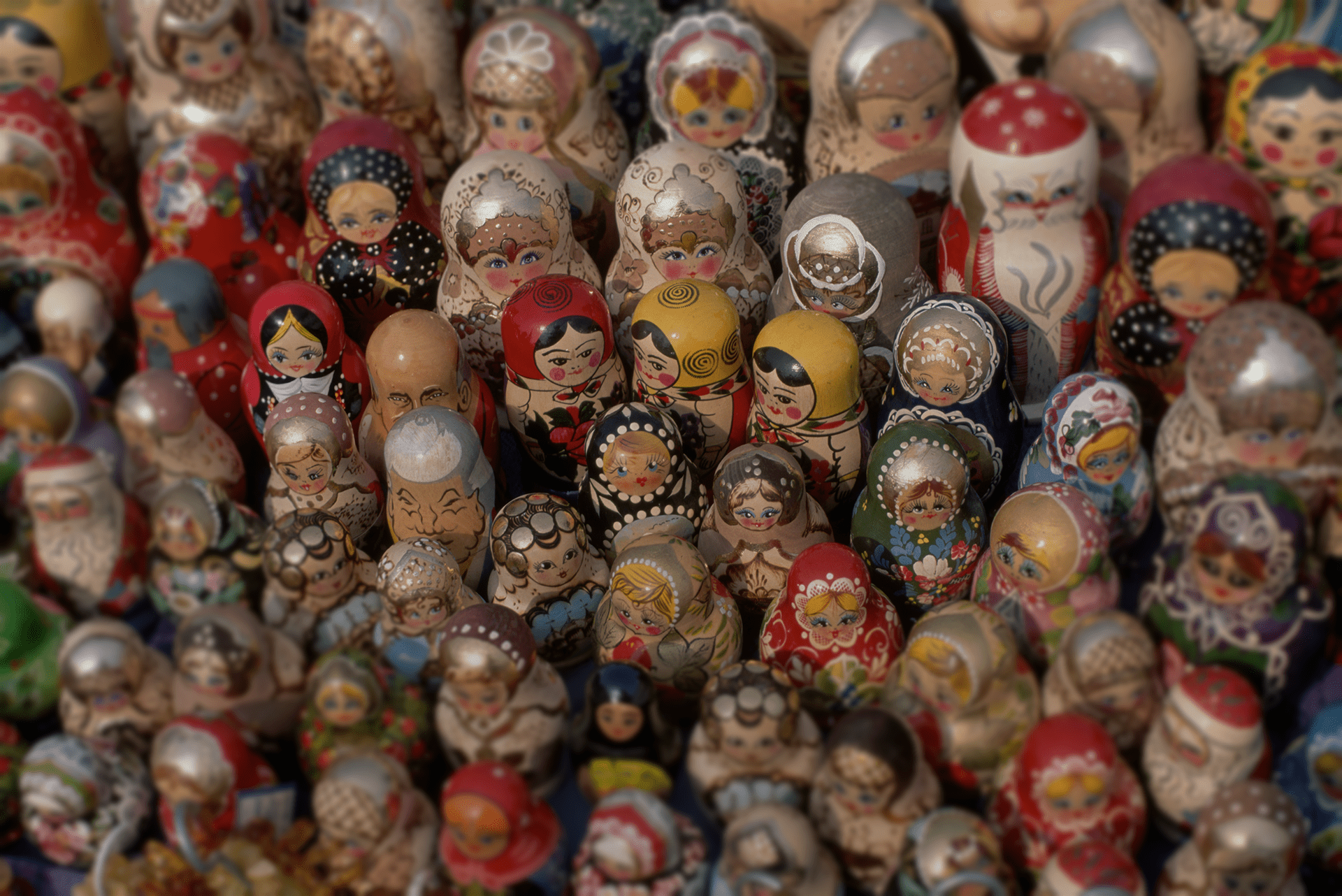
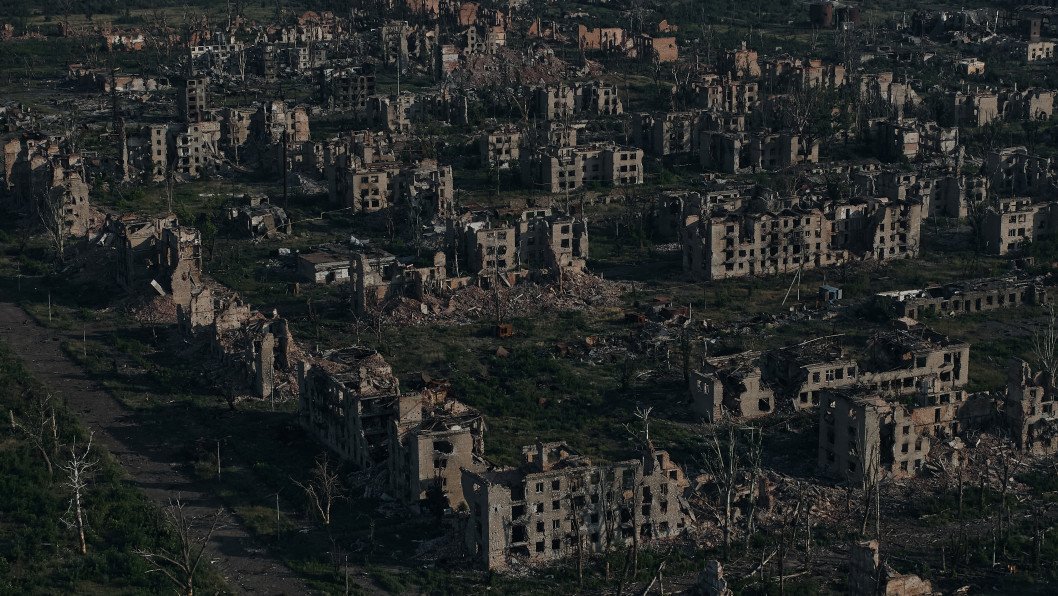
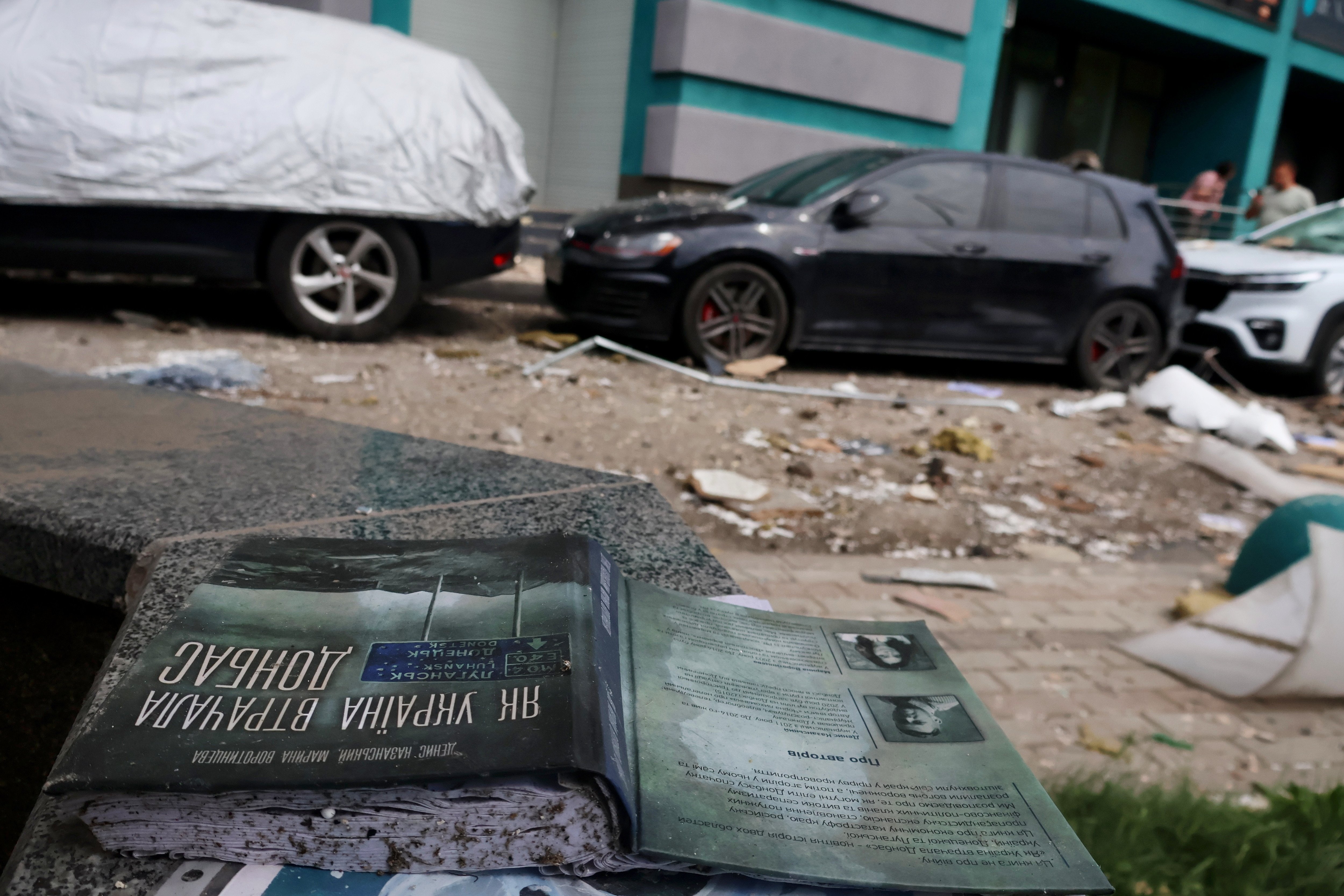
While bombing the very Russian speakers he claims to “protect,” Putin continues to push for Russian language status in Ukraine. The reason is purely utilitarian: for Moscow, Russian speakers are tools to use against the states where they live—and the Baltic countries offer a clear example.
 Prefer U24 Media on Google
- Authors

-f88628fa403b11af0b72ec7b062ce954.jpeg "Photo of Amira Barkhush")
If your country has any Russian-speaking communities, Russia may see an opportunity to assert influence. For decades, Moscow has exploited language and disinformation to advance its strategic goals and lay the groundwork for future invasions.
This approach has been used repeatedly. In Georgia, Russian policy stoked tensions in the Tskhinvali region and Abkhazia, culminating in the 2006 “referendum”—an overwhelming vote for independence conducted under heavy Russian influence and widely rejected as illegitimate by both Georgia and the international community.
The same tactics were applied to Ukraine, where in the years leading up to the 2014 invasion, Russian propaganda followed a consistent pattern rooted in Soviet-era information warfare but adapted for the digital age, targeting both domestic and international audiences.
Today, social media amplifies this strategy. Beyond Russian TV channels, online groups, and entertainment-focused communities, Moscow operates a more insidious information campaign. A recent report from the Center for Countering Disinformation highlights Russia’s targeted propaganda in the Baltics, aimed primarily at Russian-speaking populations.
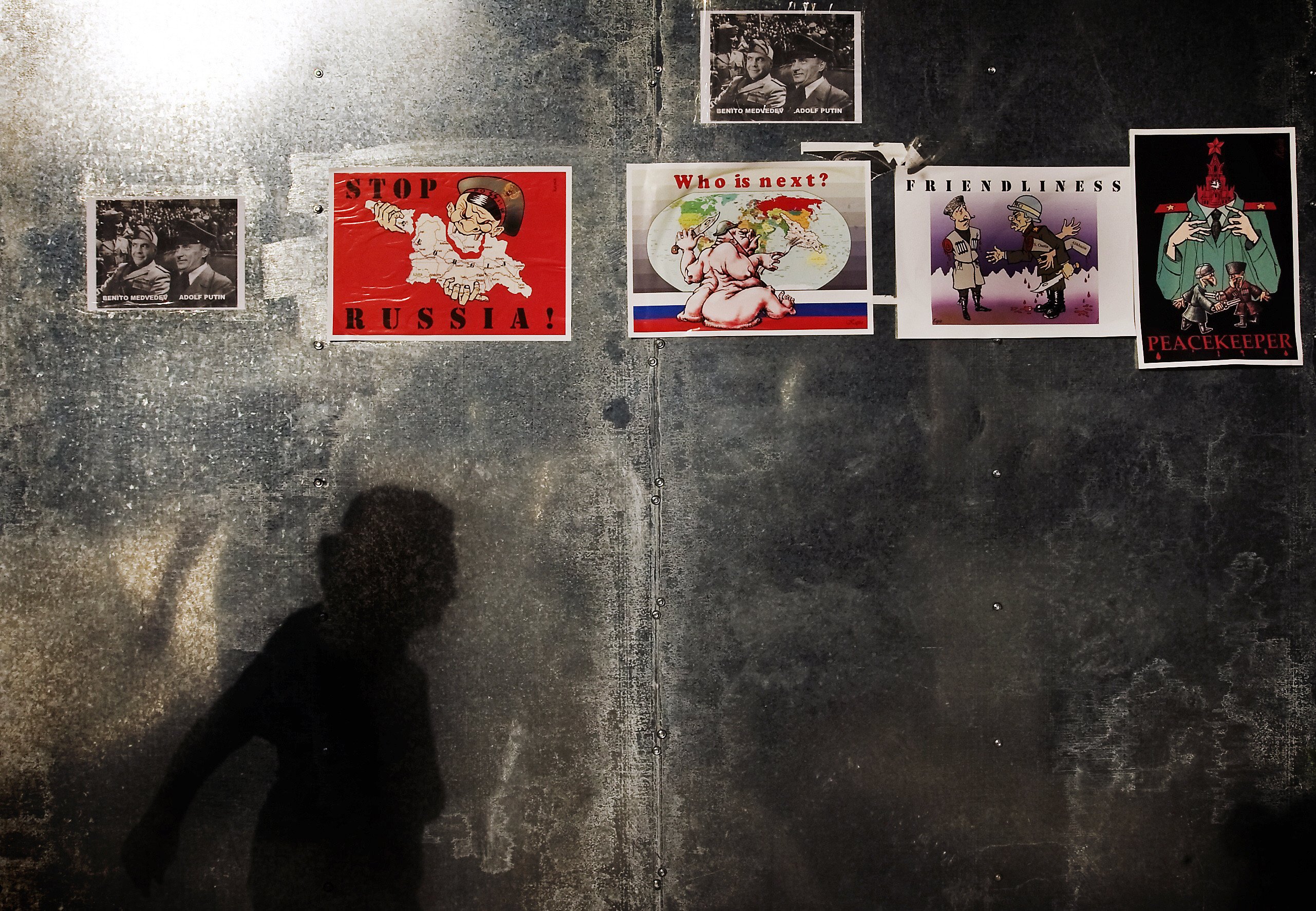
Turning language into a weapon online
The Baltic states have sharply restricted the activities of Russian state media. In response, pro-Kremlin propaganda shifted away from official TV channels and websites to social media—primarily Telegram, TikTok, Facebook, and X, where pro-Russian figures and anonymous accounts now spread the Kremlin’s messages, demonstrating how Russia controls social networks.
The key false messages regarding the Russian-speaking minorities in Latvia, Lithuania, and Estonia are that they face:
discrimination
rights deprivation
persecution for their language and ethnicity
But what does this propaganda look like in practice?
While most Russian speakers in the Baltic states are older generations, Kremlin-linked TikTok accounts, for example, still target Baltic youth, producing content in Russian to shape their opinions and instill loyalty to Russia and its narratives.
These accounts brand crackdowns on Russian propaganda—from a country waging a war of aggression against its neighbor—as “free speech violations” and Baltic state actions as “Nazi-like,” calling it “Russophobia.”
On X, such accounts also claim that the so-called “Russophobia” is rampant in the Baltics and insist that “without cooperation with Russia, the Baltic states are weak.”
Combining openly propagandistic messages, pseudo-analytical content, and “culturally nostalgic” themes, Telegram channels, meanwhile, also attempt to create a distorted image of the Baltic states as “incapable,” “repressive,” and “dependent on the West.”
“USSR nostalgia” content is specifically aimed at the older generation. Russian propaganda on Facebook operates covertly and is tailored to the local context, using community groups and pages that appear to be ordinary local networks—such as “Tallinners” or “Russian-speaking Estonia.”
These Facebook accounts and bots push ideas that aid to Ukraine is “foolish” and that “the West exploits the Baltics,” while actively claiming that “life was better with Russia.”
By mixing nostalgic posts about “peaceful life in the USSR,” everyday complaints, and memes criticizing NATO, the EU, and Western values, they portray the Russian-speaking communities in the Baltics as both “victims of discrimination” and “compatriots Russia must protect.” Pseudo-news pages and groups create the impression of widespread support for Russia.
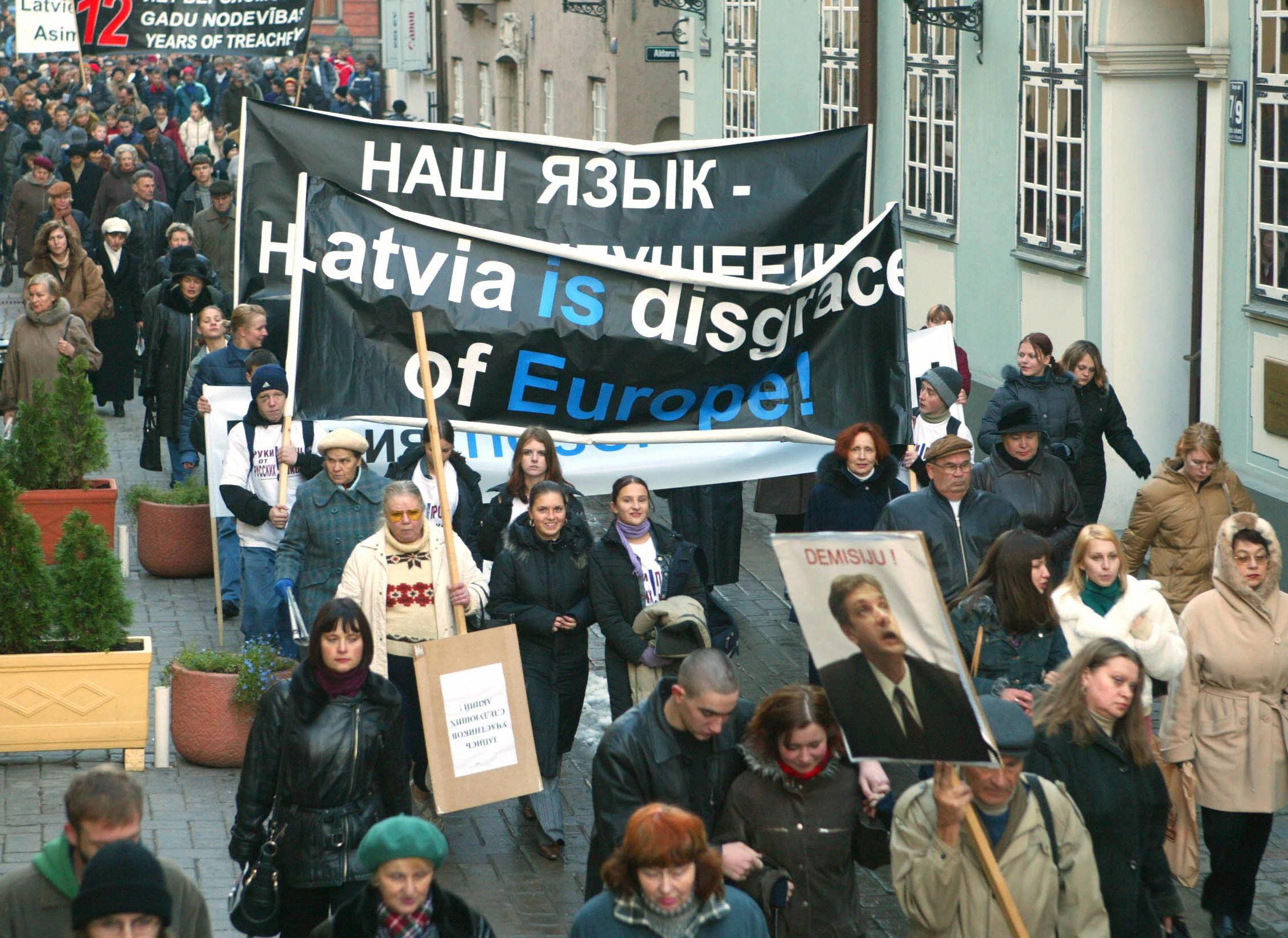
Russification of the Baltic states
The Soviet legacy
The Baltic states were independent between the world wars but were forcibly annexed by the Soviet Union in June 1940 after a military occupation and the imposition of puppet “people’s governments.”
The process involved political, economic, social, and cultural restructuring to integrate Estonia, Latvia, and Lithuania fully into the Soviet system.
Under Soviet rule, Estonia, Latvia, and Lithuania were subordinated to Moscow’s interests. The USSR’s Russification policies reshaped the region’s ethnic composition, creating tensions between native Baltic populations and Russian-speaking settlers. Soviet ideology obscured these conflicts, claiming harmony among all groups and equal political and cultural rights.
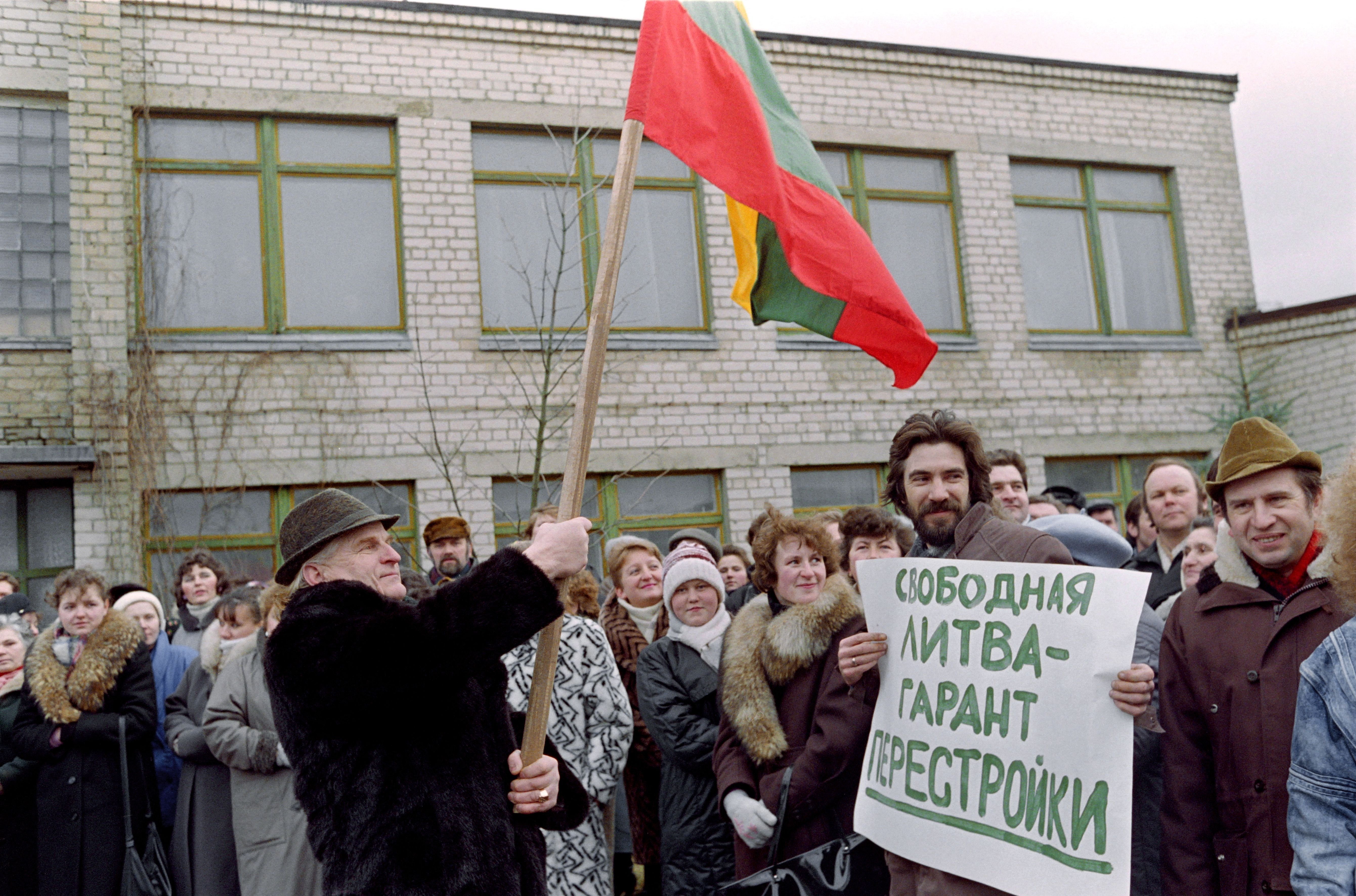
Baltic culture was systematically suppressed. Russian was imposed as the official language, forcing local populations to deal with authorities in Russian rather than their native tongues. Major institutions across the USSR operated in Russian, and most important cultural, scholarly, and scientific work was produced in Russian as well. This widespread use of Russian weakened the status and use of Baltic languages across society.
The Kremlin’s long history of using language and propaganda to influence Russian-speaking communities shows no sign of slowing. From Soviet-era Russification to modern social media campaigns, Russia continues to exploit minority populations to advance its geopolitical goals.
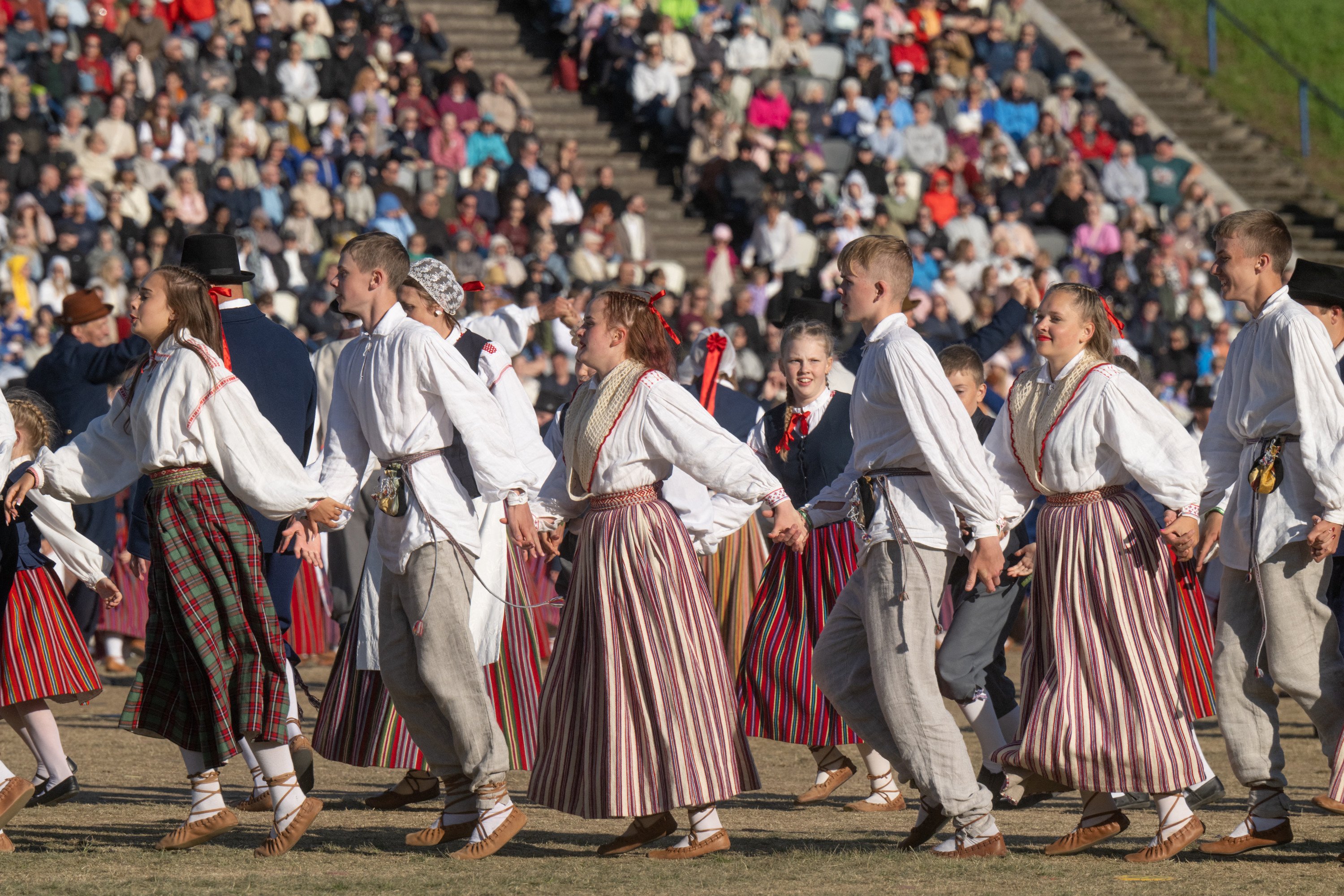
The push to safeguard Baltic languages
In the wake of Russia’s full-scale invasion of Ukraine in 2022, the Baltic states have been taking bold steps to safeguard their languages and cultures.
Estonia, for instance, made a significant shift by phasing in Estonian-only instruction in schools starting in the 2024–2025 academic year that will last until 2030. Meanwhile, Latvia is stepping up its language policies with the 2023 National Security Concept, which mandates that, from 2026 onward, all public media content must be exclusively in Latvian or another language that is part of “the European cultural space.”
Vigilance is vital for Estonia, Latvia, and Lithuania. Protecting democratic institutions, local cultures, and independent media remains the strongest defense against a quiet but persistent Russian influence seeking to reshape these societies from within.
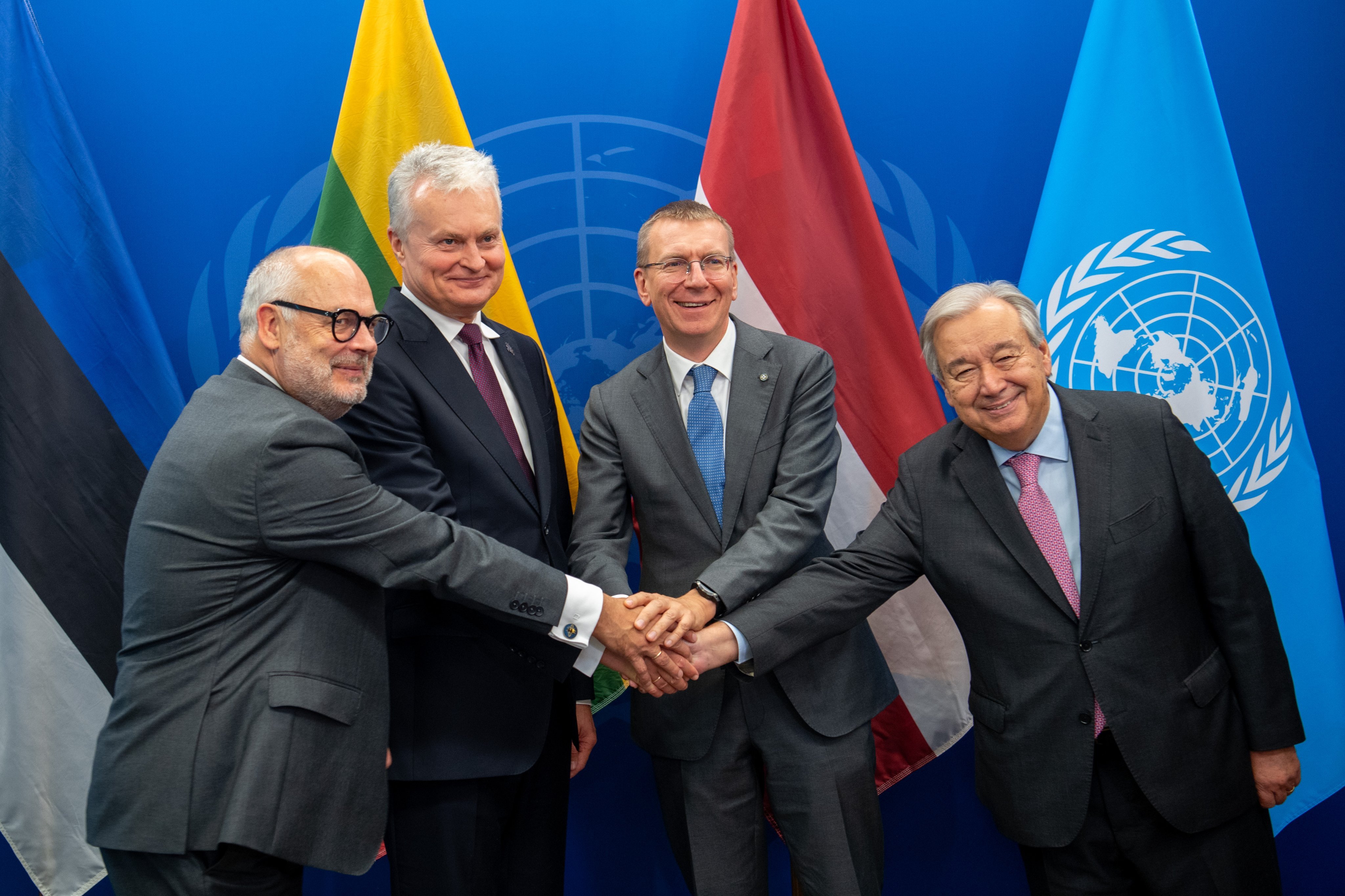
Former Latvian President Egils Levits has repeatedly linked Latvia’s national security to the preservation of its identity and the rejection of Soviet-era legacies. He warned that Russia’s “yet undefeated imperialistic spirit will continue to haunt Latvia and Europe,” emphasizing the need for a government and parliament that “values our national, Latvian identity” and works to “wipe away the last remnants of occupation ideology from our public eye.”
Levits’ skepticism toward political actors who are ambiguous about Russia’s aggression underscores a core principle: national cohesion and a clear sense of identity are the first and most essential line of defense against the Kremlin’s interference.
Discuss this article:



-c439b7bd9030ecf9d5a4287dc361ba31.jpg "Photo of Katherina Popilnichenko")



-206008aed5f329e86c52788e3e423f23.jpg "Photo of Oleksandr Moiseienko")

-72b63a4e0c8c475ad81fe3eed3f63729.jpeg "Photo of Cyril Barabaltchouk")