- Category
- Anti-Fake
"Alaska Is Ours": How Russians React to the Trump-Putin Meeting
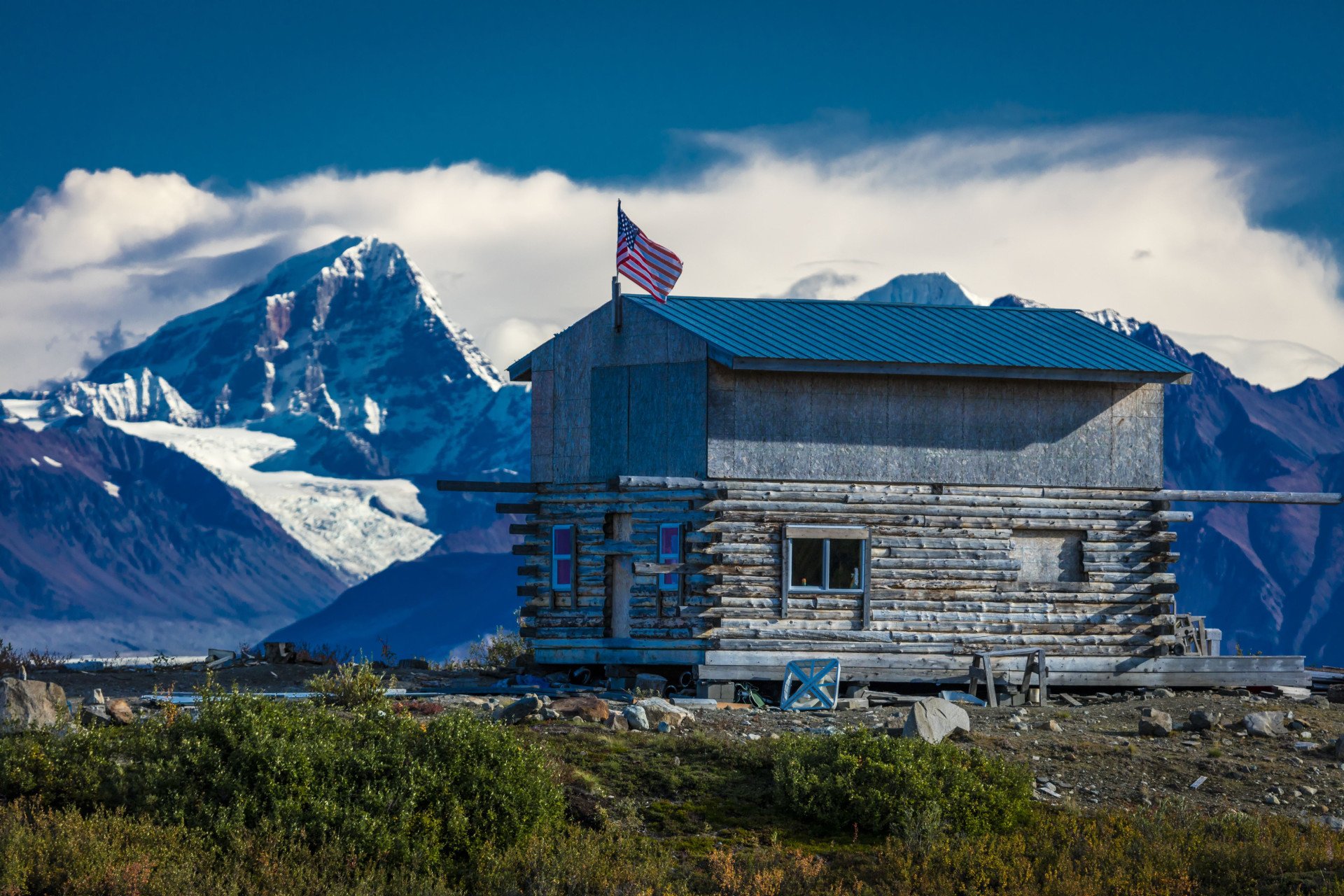
As Putin prepares to meet Trump in Alaska, Russia’s propaganda machine is weaponizing the territory’s history, reigniting claims that the US state still belongs to Moscow.
 Prefer U24 Media on Google
- Authors

-46f6afa2f66d31ff3df8ea1a8f5524ec.jpg "Photo of Jess Daly")
US President Trump will sit down with Russia’s leader, Vladimir Putin, in Alaska on Friday, August 15, 2025. Trump says during the meeting he will attempt to secure the return of “some territory” for Ukraine.
However, Moscow’s propaganda machine is seizing the moment and reviving territorial fantasies that Russia has spent nurturing for decades—Alaska still belongs to them.
Rather than returning Ukrainian territory, pro-Kremlin propagandists are discussing reclaiming US territory.
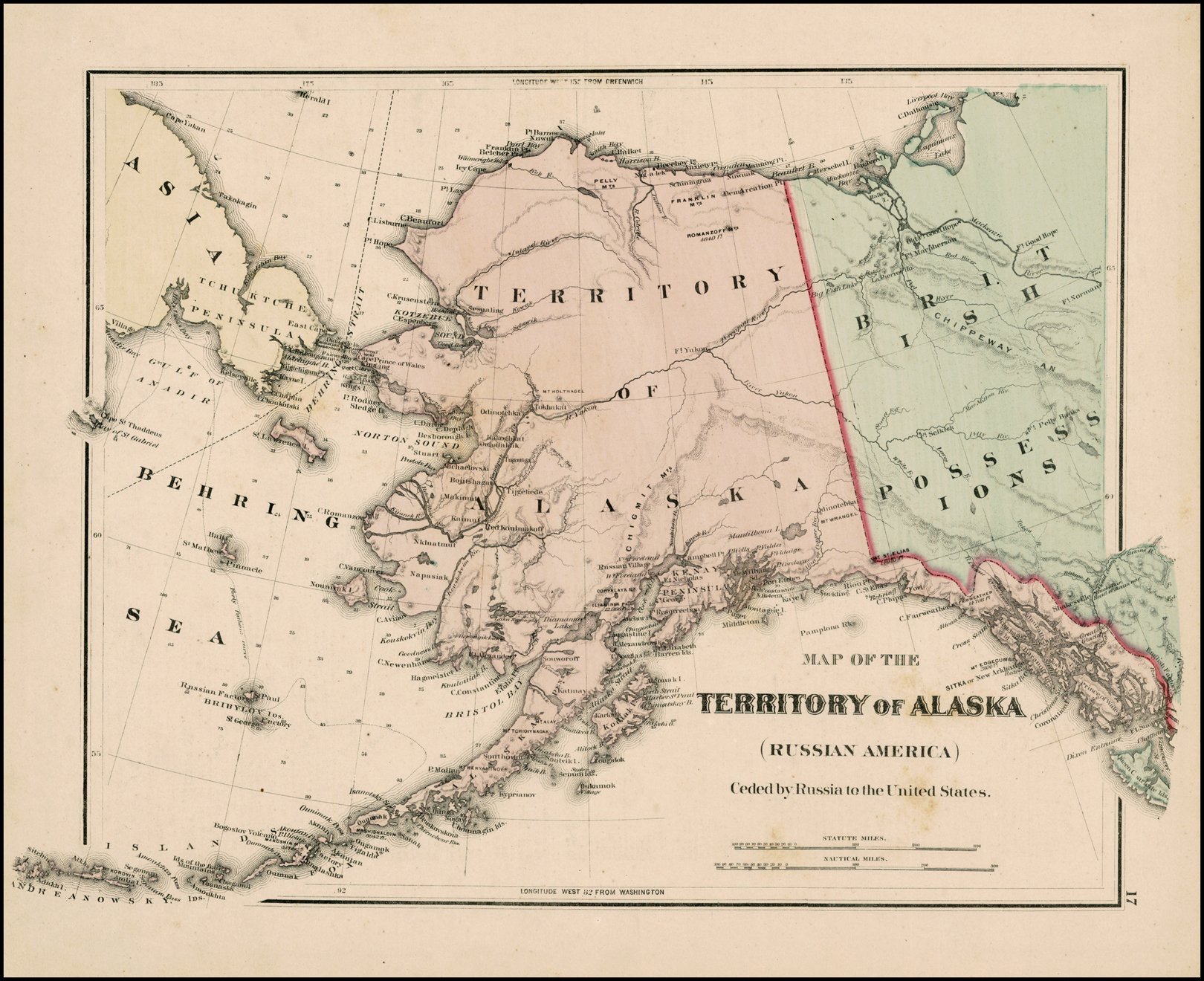
Alaska was sold to the US by Russia in 1867 for $7.2 million—about $130 million in today’s money. More than 150 years later, Alaska remains a symbol in Moscow’s messaging.
Pro-Kremlin voices are using history as a tool to bolster Russia’s political agenda both at home and abroad.
This is an ancient rule: Whatever a Russian soldier's foot steps on, becomes ours!
Russia’s leader
Sergej Sumlenny, founder of the European Resilience Centre , says that “Alaska Myth” is essential to Russia. Growing up near Moscow, Sumlenny was taught that Russia never sold Alaska to the US—rather, it “leased it for 100 years,” and that the US later forged and broke the contract. “Alaska is Russian,” his schooling insisted.
Trump has chosen to host Putin in a part of the former Russian Empire. Wonder if he knows that Russian nationalists claim that losing Alaska, like Ukraine, was a raw deal for Moscow that needs to be corrected.
Former US Ambassador to Russia
Moscow “always” reclaims what it considers its own
Russia’s propaganda and disinformation efforts are about to ramp up, before and after the meeting, the Center for Countering Disinformation (CCD) says.
Kirill Dmitriev, Moscow’s lead negotiator, called Alaska “an American of Russian origin” on August 6, underscoring its deep-rooted connections to the Russian Orthodox Church and Russia’s former military and economic footprint in the region.
A Russian military patch reading “I’ll take everything that’s mine” features a map with Alaska—hinting at imperial ambitions. pic.twitter.com/HDMenpDltm
— UNITED24 Media (@United24media) June 24, 2025
Russian state media is already on the ground in the US state, churning out news reports claiming Alaska has “more than 700 toponyms with Russian roots,” reinforcing the Kremlin’s long-cultivated narrative.
Pro-Kremlin Telegram channels are dredging up Alaska’s imperial-era links and relishing Trump’s slip, when he accidentally called Alaska “Russia” during a press conference.
Pro-Kremlin military blogger Alexander Kots says “the meeting in Alaska has every chance of becoming historic,” framing it as proof that a “multipolar world is taking shape” and that Trump, “consciously or unconsciously, is helping build it.”
Alaska is far away. And not only from the war. This is a symbolic signal not only to Ukraine but also to Europe that the question of peace is being decided far away from their noisy alliance. So that they don't interfere, like annoying gnats.
Alexander Kots
pro-Kremlin blogger
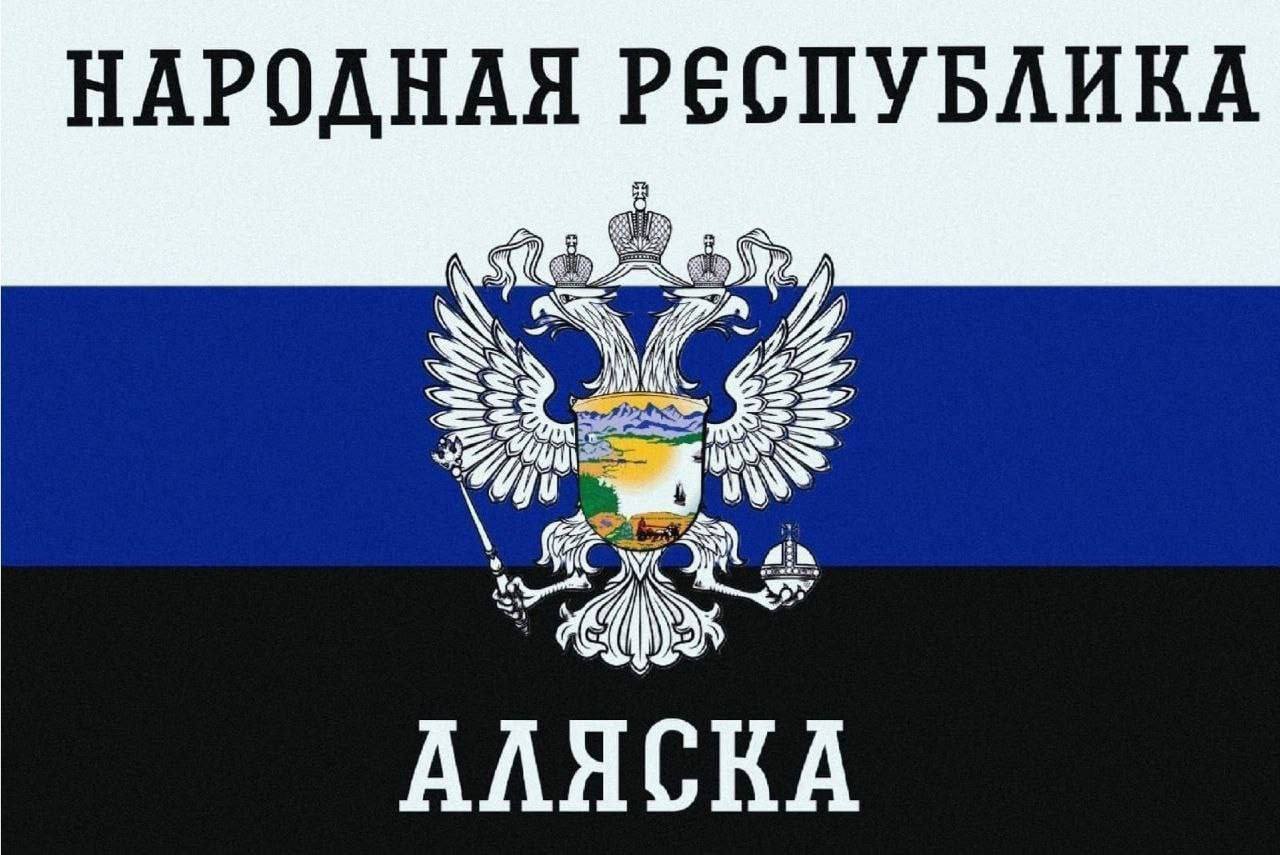
Another pro-Kremlin Telegram channel “Tsargrad TV”—owned by Russian media mogul Konstantin Malofeev—posted an image of a fake “People’s Republic of Alaska” flag on August 12, asking followers, “How do you like the new flag of Alaska?” Malofeev, often called the “Orthodox oligarch,” is a far-right nationalist, close to the Russian Orthodox Church hierarchy, and under Western sanctions for financing and promoting anti-Ukrainian movements in Ukraine since 2014. The post fit his outlet’s trademark imperial-nostalgia propaganda, portraying former Russian Empire territories as rightful Russian lands. Followers quickly picked up the idea, debating which colors would best suit the imagined flag.
Russian newspapers widely welcomed the meeting in Alaska. “No British spies here, Ukrainian agents or European ‘well-wishers’ to disrupt dialogue,” one headline wrote, Steve Rosenberg, BBC Russian editor, reported.
Kremlin’s top TV propagandists, Vladimir Solovyov and Olga Skabeeva, whose shows air on the Russian state-owned Rossiya-1 channel, have—along with their guests—repeatedly claimed that Alaska is “theirs” (Russia’s).
Recently, on Skabeeva’s show, Russia’s State Duma defense chief, Andrey Kartapolov, said Russia wouldn’t play “extras in Trump’s show”, regarding Trump's decision to shorten the 50-day ultimatum he previously gave Putin to end the war in Ukraine.
Kartapolov mocked the sanctions ultimatum, said Russia would give the West “diddly-squat with pepper on top,” and warned that Moscow “always” takes back what it sees as its own—Alaska included.
Moscow’s long game on Alaska
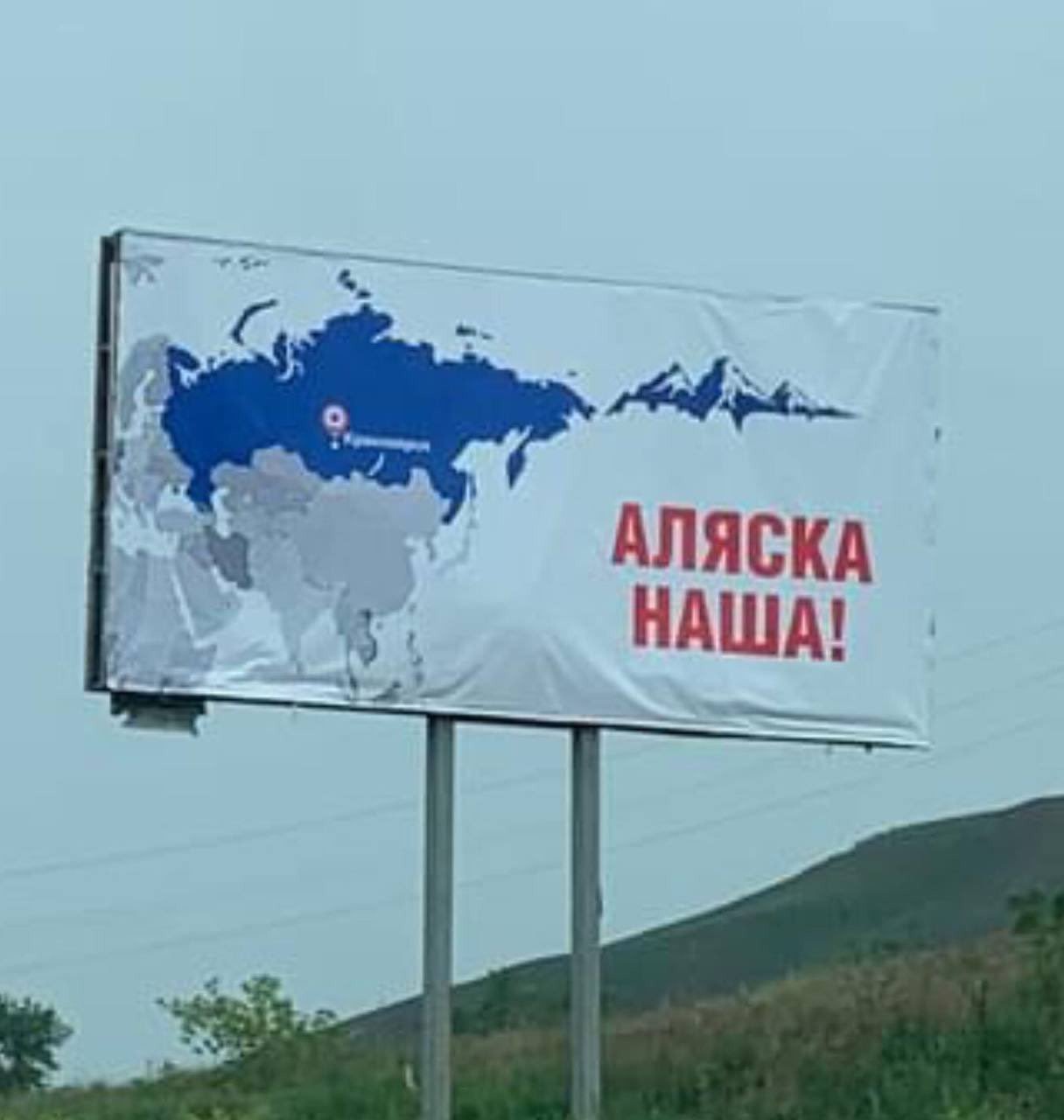
It’s not the first time these threats have surfaced. In July 2022, Duma Speaker Vyacheslav Volodin said Moscow would lay claim to Alaska if Washington froze Russian assets. That same year, billboards started popping up across Russia declaring: “Alaska is ours!”
Dmitry Medvedev, Russia’s Security Council Deputy Chair, said in January 2024 that he expected Alaska to be “returned any day.”
Russian state media outlet RT suggested in October 2018 that Alaska’s “return” should be pursued following the US withdrawal from the Intermediate-Range Nuclear Forces Treaty.
Putin’s favorite Russian band, Lyube, dropped its 1992 track “Don’t Fool Around, America” with a blunt demand in the lyrics: “give us back Alaska, our native Russian land.”
The band’s frontman, Nikolay Rastorguev, backs Russia’s war in Ukraine. At the start of the full-scale invasion, he posted a poem beginning with the phrase, “Russia does not start wars, it ends them,” Ukraine’s Holodomor Museum reported.
Rastorguev has performed for Russian troops in occupied Ukrainian territory, and The Times reports his songs have been played during the torture of dissidents.
In 2017, sanctioned State Duma deputy Anna Kuvychko led a children’s choir—dressed in police uniforms—in the Putin-dedicated anthem “Uncle Vova, We’re With You.” Its chorus sang “save our Sevastopol and Crimea… and return Alaska to the haven of the motherland.”
Could Russia take Alaska back?
Alaska is a US territory by international law, and the 1867 Alaska Purchase was a formal, legally binding sale. In short, Russia could not legally take Alaska back; doing so would be considered a violation of international law.
The US maintains a strong military presence in the region, home to air defense systems, military bases, and strategic airfields as part of its national defense and Arctic strategy.
An aggressive move by Russia could trigger a direct war with the US, NATO, and other global powers, further isolating the Kremlin.
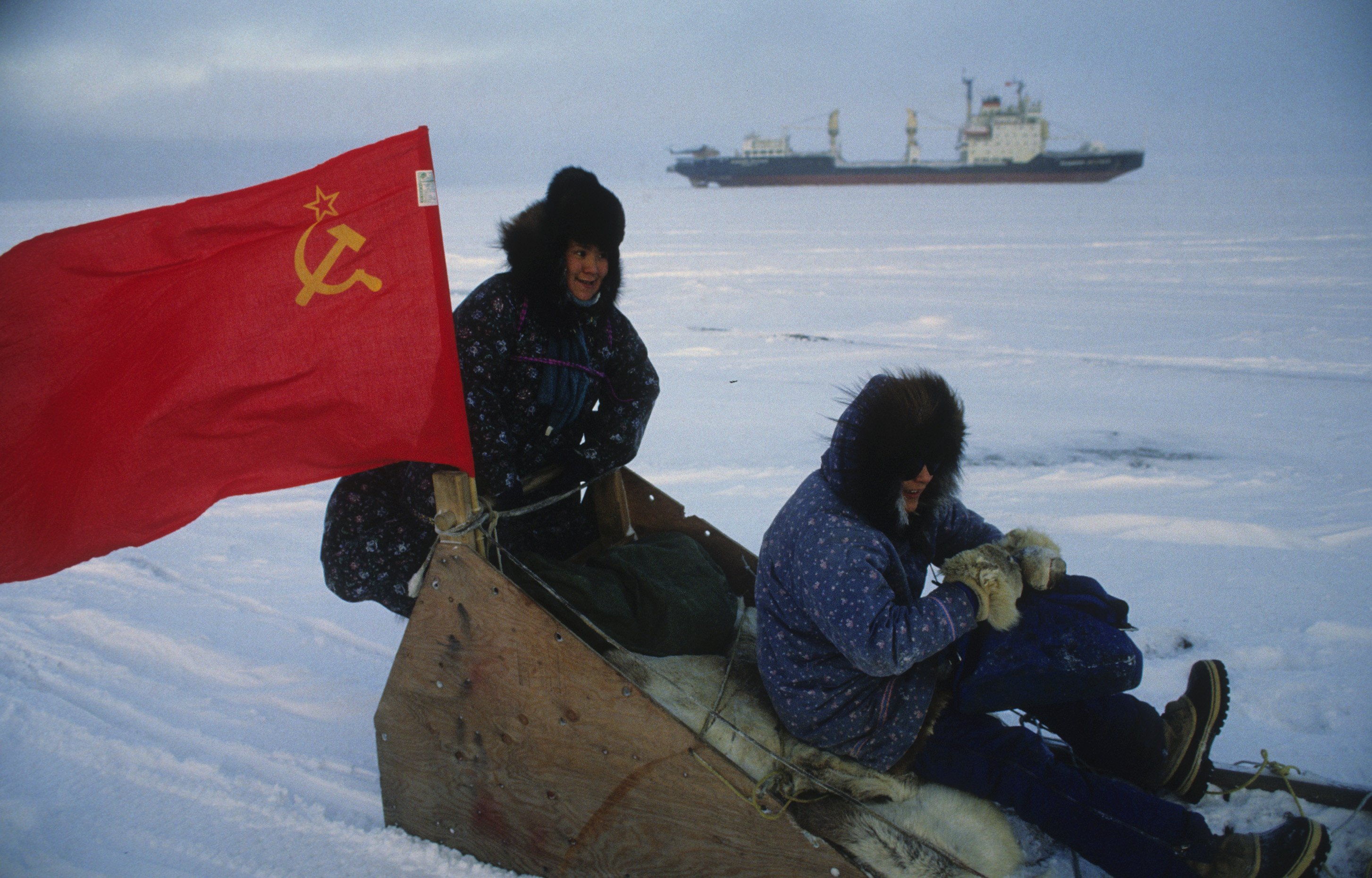
However, in recent years, Moscow has been committed to Arctic dominance and has rapidly grown its military presence in the once peaceful region. As early as 2021, Russia has been reviving Soviet-era bases and building new ones, including 590 new military sites, airfields for Su-34 and Su-35 fighter jets.
An Arctic war between NATO and Russia was once deemed unlikely, but since Russia’s full-scale invasion of Ukraine, it’s “now dangerously feasible,” the Simons Foundation Canada (SFC) reported in February 2025.
While military aggression in Alaska would be violating international law, the Arctic may be the next front in Russia’s expansion.
On the surface, Putin’s meeting in Alaska is mainly being used as a potent propaganda tool in Russia, feeding into a decades-old narrative that Alaska is part of Russia’s story, if not its territory, fuelling nationalist sentiment.
The Kremlin is seizing the opportunity to evoke patriotic emotions and paint Russia as a strong nation standing up to the West, sending a provocative message that Moscow still contests symbolic dominance.
Discuss this article:

-206008aed5f329e86c52788e3e423f23.jpg "Photo of Oleksandr Moiseienko")

-72b63a4e0c8c475ad81fe3eed3f63729.jpeg "Photo of Cyril Barabaltchouk")