- Category
- World
North Korea’s Missiles Are Quietly Getting Cluster Warheads—Russia’s Fingerprints May Be All Over It
 Prefer U24 Media on Google
- Authors


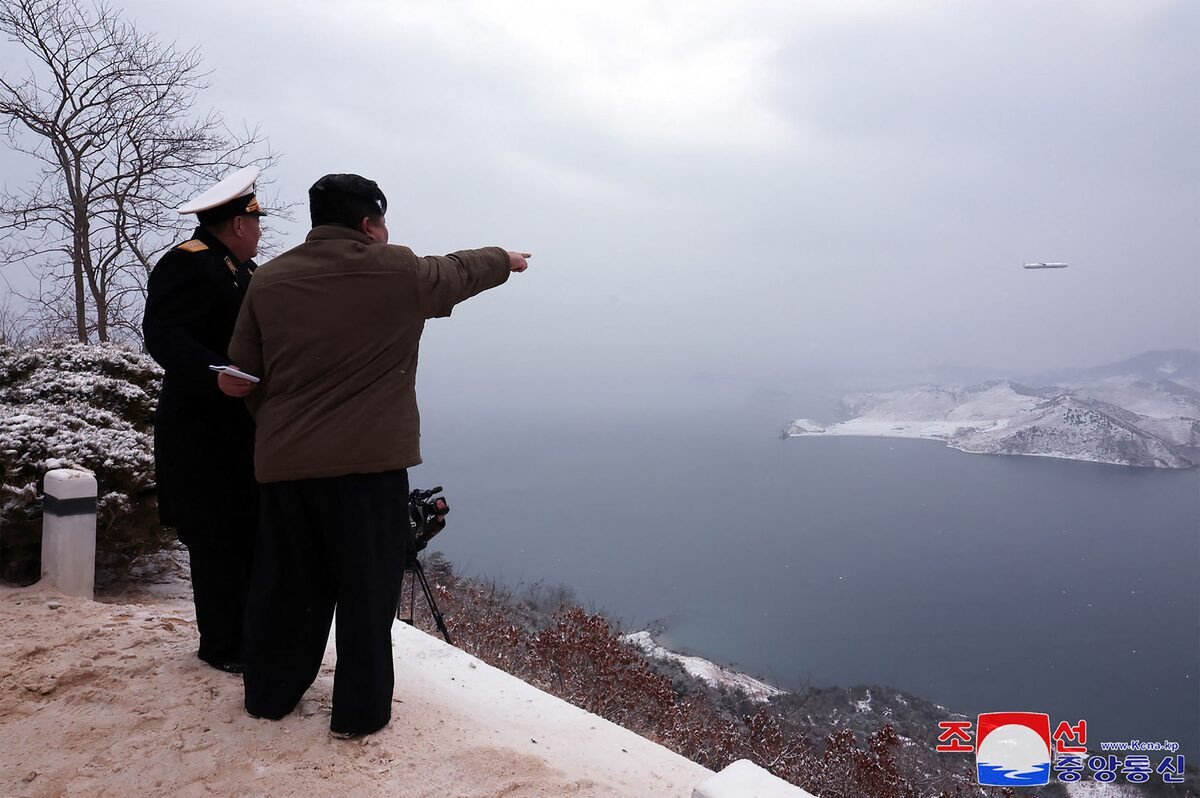
North Korea is expanding the use of cluster warheads across multiple missile systems, testing new payloads for both strategic cruise missiles and ballistic weapons in a move that could significantly increase its ability to strike troops, equipment, and infrastructure across wide areas, according to Defense Express on November 3.
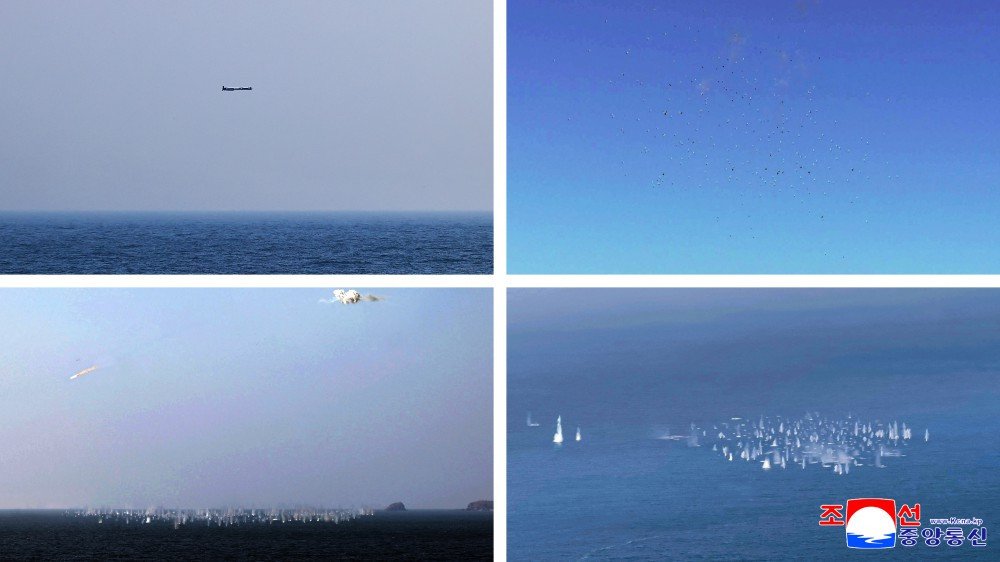
North Korea’s Missile Administration conducted a test on November 2 involving strategic cruise missiles fitted with cluster warheads, according to the state-run KCNA.
We bring you stories from the ground. Your support keeps our team in the field.
Pyongyang said the trial was intended to evaluate the warhead’s firepower and its capability for what it called a “vertical strike.”
North Korean missile developers claimed that a medium-sized cluster warhead could “turn to ashes” an area of roughly five to six hectares.
They also said the test demonstrated improved “vertical strike” capability, apparently referring to a terminal attack profile designed to spread submunitions across a wider footprint.
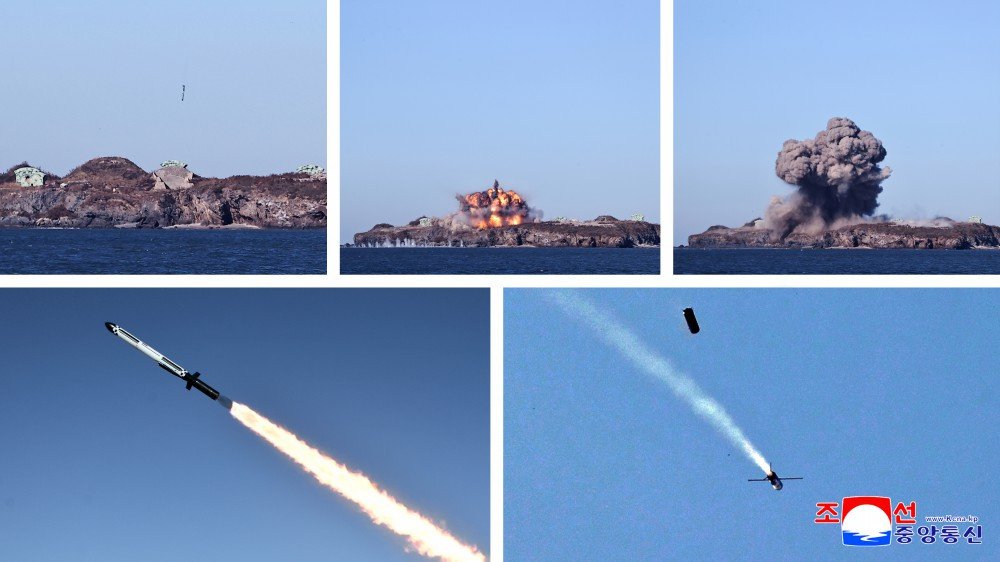
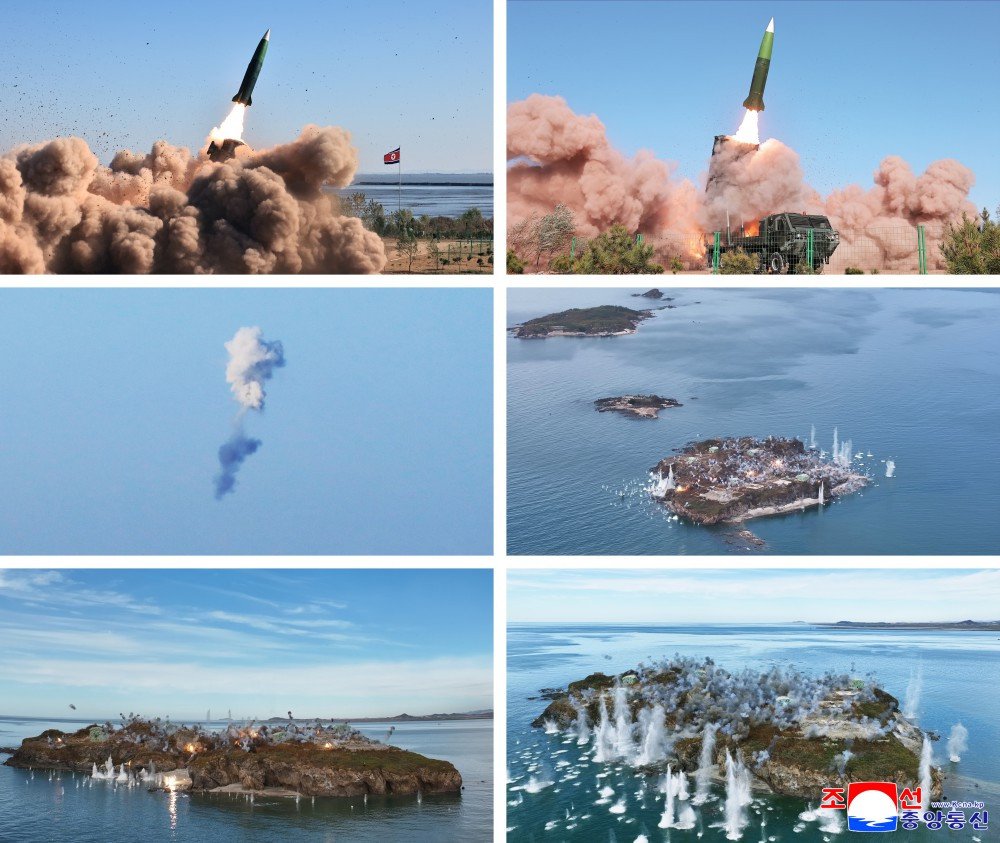
The cruise-missile test followed another cluster-warhead trial conducted on October 31, this time involving ballistic missiles believed by Defense Express to be KN-23 or KN-30 systems.
For that warhead, North Korea claimed an effective area of roughly 12 to 13 hectares—about twice the area attributed to the cruise-missile version.
Defense Express noted that Pyongyang did not identify the strategic cruise missile used in the latest test. North Korea, however, operates several weapons in this category, including the Hwasal-1, Hwasal-2, and Pulhwasal-3-31.
The Hwasal-1 and Hwasal-2 are ground-launched, while the Pulhwasal-3-31 is designed for submarine launch. Their reported ranges are roughly 1,500 to 2,000 kilometers.
Cluster warheads are designed to disperse multiple submunitions across a broad area, making them particularly dangerous against concentrations of personnel, vehicles, air-defense positions, and other dispersed targets.
Defense Express also pointed to Russia’s use of cluster warheads against Ukraine, including on Iskander-M ballistic missiles and Kh-101 cruise missiles.
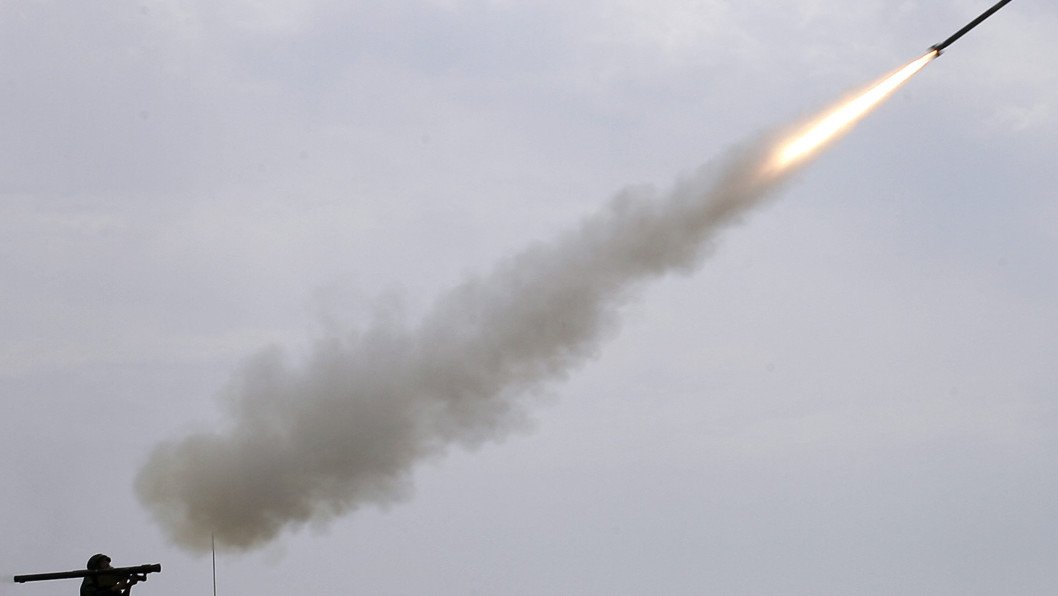
That raises a further question, the outlet noted: whether Russia may have assisted North Korea with the development or integration of similar warhead technology as military cooperation between Moscow and Pyongyang has expanded.
No one has confirmed that Russia provided such assistance, Defense Express said on November 3.
It is also unclear whether North Korea has begun serial production of the newly tested cluster warheads or whether Pyongyang could eventually transfer weapons equipped with them to Russia.
Earlier, reports emerged that North Korea launched a KN-30 ballistic missile more than 910 kilometers during a test, demonstrating substantially greater range than in the weapon’s earliest known trials.
Discuss this article: