- Category
- War in Ukraine
Over Half the Components in North Korean Missiles Fired at Ukraine Are Counterfeit
 Prefer U24 Media on Google
- Authors

-c439b7bd9030ecf9d5a4287dc361ba31.jpg "Photo of Katherina Popilnichenko")
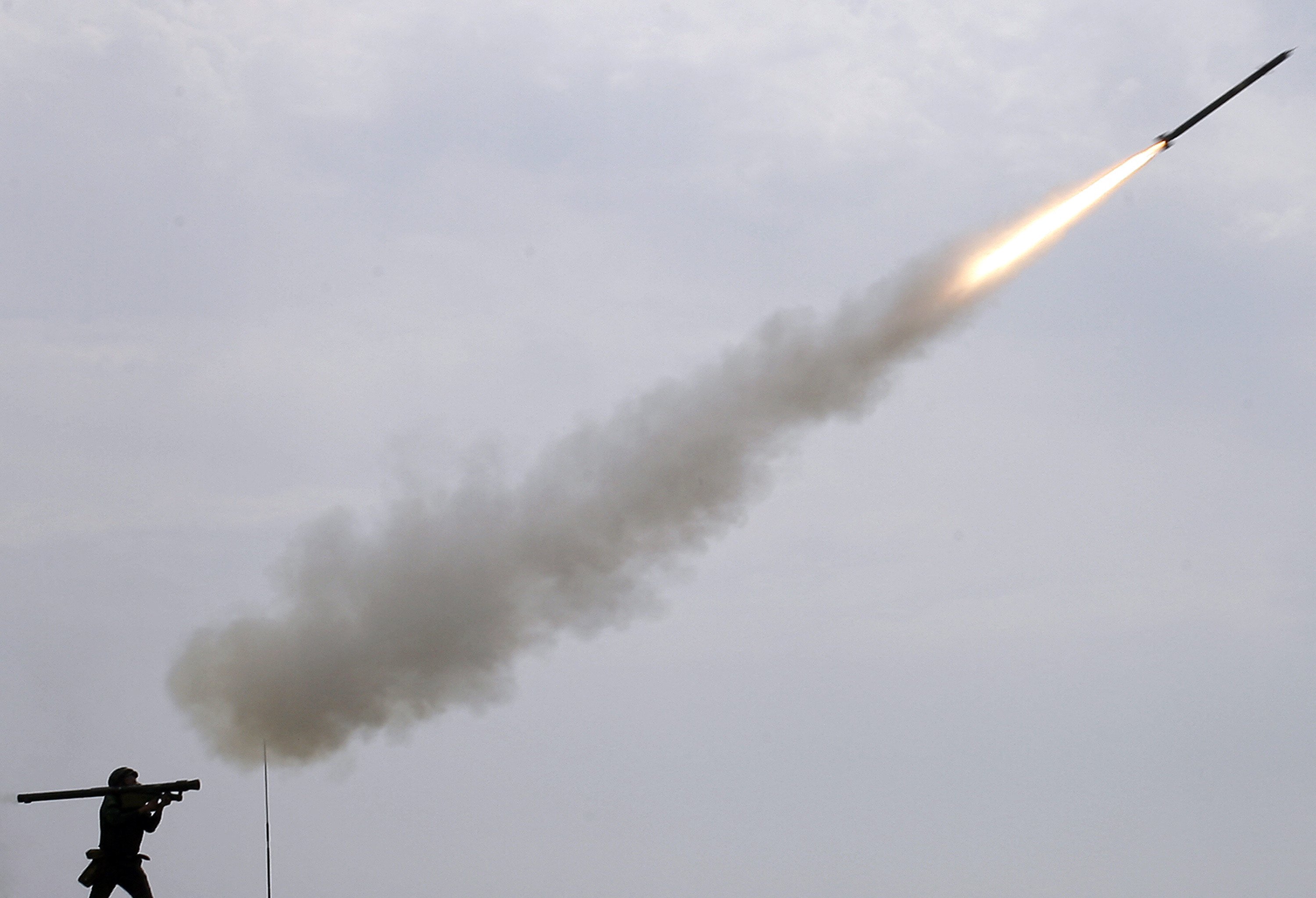
More than 50% of the identified electronic components in North Korean Hwasong-11 (KN-23) ballistic missiles recovered in Ukraine were found to be fake, according to a report by Conflict Armament Research (CAR).
Since January 2024, CAR investigators examined the wreckage of 11 North Korean missiles and recovered hundreds of microchips, voltage converters, and memory modules.
We bring you stories from the ground. Your support keeps our team in the field.
Out of 147 inquiries sent to global component manufacturers, 10 firms confirmed that branding on their parts was either likely or definitely forged.
In total, of the 81 tracked components recovered from North Korean missiles, 42 parts—or 51.9%—were identified as counterfeit or suspected fake. By comparison, counterfeit parts account for 16% of components in Iranian weapons and about 20% in Russian military hardware.
Among the discovered fake parts were metal-oxide-semiconductor field-effect transistors (MOSFETs) bearing the mark of an American company, which were recovered from a Hwasong-11 missile following a strike in the Poltava region in December 2024.
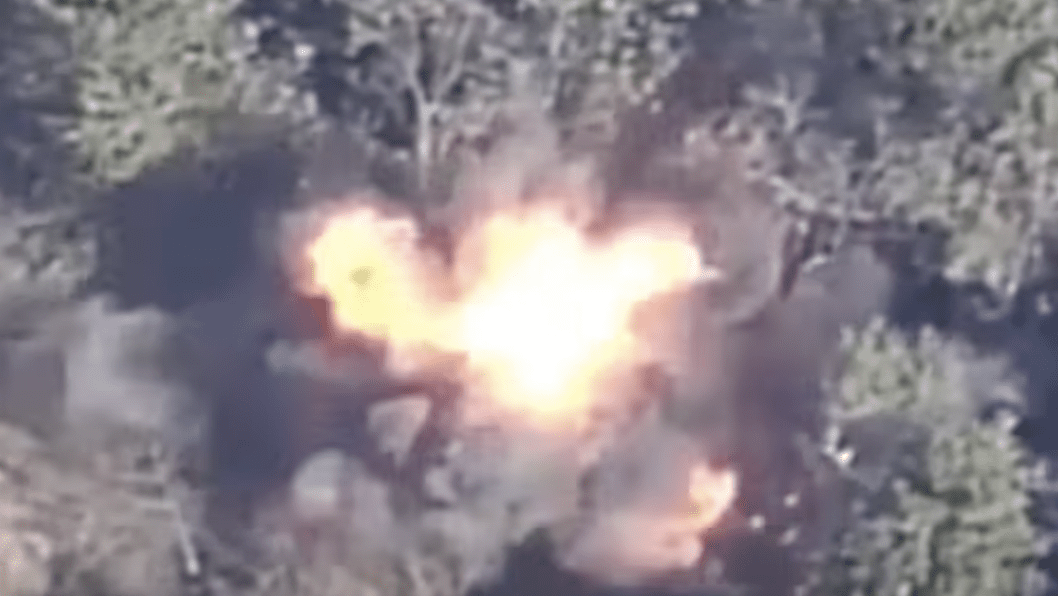
The US-based manufacturer confirmed the components were counterfeit, citing discrepancies in body casing, logo placement, and serial numbers. Manufacturers typically spot fake parts by identifying logo errors, incorrect fonts, or date codes that reference periods before the company even existed.
The widespread use of knockoff components indicates that international sanctions are working, forcing North Korea, Iran, and Russia to source critical electronics on the black market.
Utilizing uncertified components directly harms the reliability and accuracy of these systems, which explains why North Korean missiles experienced such high failure rates in early 2024.
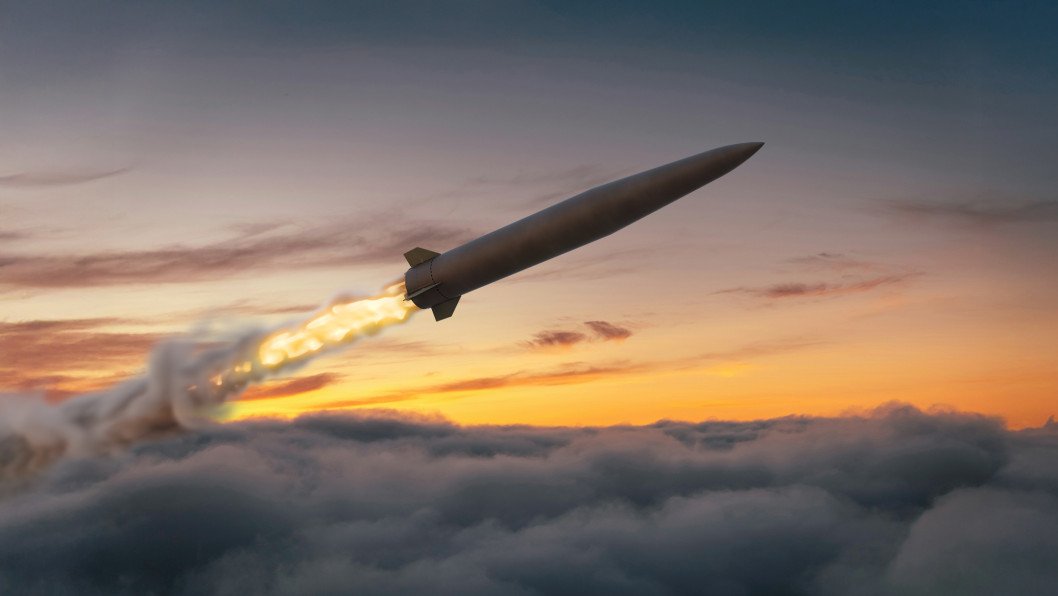
Previously, it was reported that North Korea secretly supplied Russia with between 8 million and 11 million artillery shells over a two-and-a-half-year period to support its full-scale invasion of Ukraine.
Operating through a covert maritime supply chain, four Russian cargo ships completed at least 112 voyages between North Korea and the Russian Far East to bypass international sanctions.
These deliveries provided Moscow with up to 350,000 shells per month—accounting for as much as half of Russia’s artillery fire in some combat zones—before maritime shipments slowed significantly in early 2026 due to rising Russian domestic production and depleted North Korean stockpiles.
Discuss this article:



-29a1a43aba23f9bb779a1ac8b98d2121.jpeg "Photo of Illia Kabachynskyi")